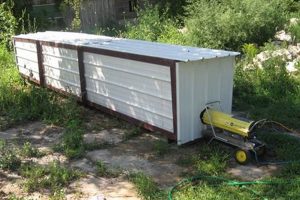
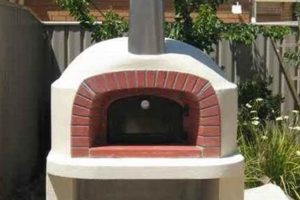
A self-constructed heating apparatus designed to warm the water within a bathing receptacle, this device utilizes the combustion of timber as its primary energy source. These systems often involve fabricating a firebox, a heat exchanger (typically coils of metal tubing), and a method for circulating water between the stove and the tub. These systems provides an off-grid water heating solution.
The appeal of building such a system stems from several factors, including cost savings compared to commercially manufactured alternatives, the satisfaction derived from a hands-on project, and the potential for utilizing readily available fuel sources. Historically, wood-fired water heating represents a traditional method for warming water, predating modern electrical and gas-powered systems. This approach can offer a sense of self-sufficiency and connection to simpler technologies.
Further exploration of this topic will address key considerations for design, construction techniques, safety protocols, materials selection, and legal compliance, all crucial aspects for anyone considering undertaking such a project.
Construction and Operation Guidelines
Careful planning and execution are paramount when constructing and operating a self-made wood-burning water heater for bathing receptacles. Adherence to safety standards and regulations is non-negotiable.
Tip 1: Prioritize Safety: Consult local building codes and regulations before commencing any construction. Ensure adequate ventilation to prevent carbon monoxide poisoning. Implement safety mechanisms such as temperature controls and pressure relief valves.
Tip 2: Select Appropriate Materials: Opt for corrosion-resistant materials suitable for high-temperature applications. Stainless steel is a frequently used option for the firebox and heat exchanger due to its durability and resistance to rust. Avoid galvanized steel, as it can release toxic fumes when heated.
Tip 3: Design for Efficient Heat Transfer: Maximize the surface area of the heat exchanger to optimize heat transfer from the firebox to the water. Finely coiled tubing or a system with multiple passes of water around the firebox can enhance efficiency.
Tip 4: Implement Proper Water Circulation: Effective water circulation is critical to distribute heat evenly and prevent overheating. A pump, either electric or thermo-siphon, is generally required to circulate water between the heating apparatus and the bathing vessel.
Tip 5: Ensure Controlled Combustion: Incorporate an adjustable air intake to regulate the rate of combustion. This allows for control over water temperature and fuel consumption. A well-sealed firebox door minimizes air leaks and promotes efficient burning.
Tip 6: Maintain Regular Inspections: Routinely inspect the unit for signs of corrosion, leaks, or structural damage. Address any issues promptly to prevent potential hazards and ensure continued safe operation.
Tip 7: Dispose of Ash Safely: Exercise caution when handling and disposing of ash. Store ash in a metal container away from flammable materials to prevent accidental fires.
Diligent adherence to these guidelines can contribute to a safer and more efficient experience. Neglecting any of these aspects poses potential risks.
The following sections will elaborate on specific design considerations and troubleshooting strategies related to building and maintaining these systems.
1. Material Durability

Material durability is a critical factor in the design and construction of a timber-fueled bathing vessel heating apparatus. The prolonged exposure to high temperatures, combustion byproducts, and water necessitates the selection of robust and resilient materials to ensure operational longevity and safety.
- Corrosion Resistance
The consistent contact with water, often containing dissolved minerals and chemicals, makes corrosion a primary concern. Materials susceptible to rust or degradation can compromise structural integrity and introduce contaminants into the water. Stainless steel, specifically grades 304 and 316, are frequently utilized due to their superior resistance to corrosion in aqueous environments. Proper selection and treatment of metal surfaces are imperative for extending the lifespan of the heating system.
- High-Temperature Stability
The firebox and heat exchanger components are subjected to intense heat during operation. Materials must maintain their structural integrity and mechanical properties at elevated temperatures to prevent deformation, cracking, or failure. Refractory materials, such as firebrick or castable refractory cement, are often used to line the firebox, providing insulation and protecting the outer structure from direct flame impingement. Metal components must be chosen for their high melting points and resistance to thermal fatigue.
- Thermal Expansion and Contraction
Repeated heating and cooling cycles induce thermal expansion and contraction in the constituent materials. Differential expansion rates between dissimilar materials can create stress concentrations and lead to component failure. Careful consideration must be given to the coefficients of thermal expansion of all materials used in the system’s construction. Designing for controlled expansion and contraction through the incorporation of expansion joints or flexible couplings can mitigate these stresses.
- Resistance to Combustion Byproducts
The combustion of timber generates various byproducts, including ash, creosote, and acidic gases. These substances can accelerate corrosion and degrade certain materials over time. Selecting materials that are resistant to chemical attack from these byproducts is essential. Properly designed flue systems and regular cleaning can also help to minimize the accumulation of corrosive deposits.
In summary, the selection of durable materials is fundamental to the safety, efficiency, and longevity of a self-made, timber-fueled bathing vessel heating apparatus. Employing appropriate materials that resist corrosion, high temperatures, thermal stress, and combustion byproducts is paramount to ensuring its reliable operation. The lifespan of such a device depends directly on the integrity of its constituent components.
2. Combustion Efficiency

Combustion efficiency, defined as the degree to which fuel is completely burned to release its energy, is a primary determinant of performance and practicality in a do-it-yourself, timber-fueled bathing vessel heating apparatus. Optimizing combustion directly impacts fuel consumption, heat output, and environmental impact.
- Air-to-Fuel Ratio Optimization
Achieving stoichiometric combustion, where fuel and oxygen are present in ideal proportions, is crucial for maximizing energy release. Insufficient air leads to incomplete combustion, producing smoke, creosote, and reduced heat output. Excess air, conversely, cools the combustion chamber, hindering complete burning and carrying away heat. Adjustable air intakes, strategically placed to deliver oxygen to the fire, are essential for maintaining an optimal air-to-fuel ratio. For example, a well-designed system might incorporate primary air inlets at the base of the firebox and secondary air inlets above the fuel bed to burn volatile gases efficiently. Effective control of this ratio minimizes unburned fuel and maximizes heat extraction.
- Firebox Design and Insulation
The geometry and insulation of the firebox significantly influence combustion efficiency. A firebox designed to concentrate heat and reflect it back onto the fuel promotes more complete combustion. Insulating the firebox walls reduces heat loss and maintains a higher combustion temperature. For example, a cylindrical firebox with a refractory lining can enhance heat retention and promote swirling airflow, which improves fuel-air mixing. Proper insulation ensures that the heat generated is directed towards heating the water rather than being lost to the surrounding environment. This design reduces fuel consumption and increases the system’s overall efficiency.
- Fuel Type and Preparation
The type of wood used as fuel and its moisture content impact combustion efficiency. Seasoned hardwoods, with a moisture content below 20%, burn more cleanly and efficiently than green or softwood. Wet wood requires energy to evaporate the water before it can burn, reducing heat output and increasing smoke production. Proper fuel preparation, such as splitting wood into manageable sizes, ensures uniform burning and adequate airflow around the fuel. Consistent fuel quality contributes significantly to maintaining stable and efficient combustion.
- Flue Design and Draft Control
The flue system, including the chimney, plays a crucial role in drawing combustion gases away from the firebox and creating the necessary draft for efficient combustion. A properly sized and insulated chimney promotes a strong, consistent draft, ensuring adequate oxygen supply to the fire. Dampers or other draft control devices can be used to regulate the airflow through the firebox, optimizing combustion for different fuel types and operating conditions. A well-designed flue system minimizes backdrafting, reduces creosote buildup, and enhances overall combustion efficiency.
In conclusion, the combustion efficiency of a self-constructed, timber-fueled bathing vessel heating apparatus is a multifaceted characteristic influenced by air-to-fuel ratio management, firebox design, fuel selection, and flue system configuration. Optimizing these elements maximizes heat output, reduces fuel consumption, and minimizes environmental impact, rendering the heating system a more practical and sustainable option.
3. Water Circulation

Effective water circulation is a fundamental requirement for the safe and efficient operation of a self-constructed, timber-fueled bathing vessel heating apparatus. It ensures even heat distribution throughout the water volume, prevents localized overheating, and maximizes the heat transfer from the heating apparatus to the bathing receptacle.
- Thermo-siphon Circulation
Thermo-siphon circulation relies on the principle that heated water becomes less dense and rises, while cooler water sinks. In this system, the heating apparatus is positioned below the bathing vessel. As the water heats, it rises through a pipe into the tub, while cooler water from the tub flows back down to the heating apparatus to be heated. This natural convection process creates a continuous circulation loop. The effectiveness of thermo-siphon circulation depends on the height difference between the heating apparatus and the bathing vessel, as well as the diameter of the connecting pipes. Properly designed, this method can provide reliable circulation without the need for an external pump.
- Pump-Assisted Circulation
Pump-assisted circulation utilizes an electric pump to actively circulate water between the heating apparatus and the bathing vessel. This method offers greater control over the flow rate and can be used in systems where thermo-siphon circulation is impractical due to spatial constraints or design limitations. The pump must be sized appropriately to provide sufficient flow rate without excessive energy consumption or noise. Considerations for pump selection include the flow rate required, the head pressure (resistance to flow), and the operating temperature. A filtration system can be integrated into the circulation loop to remove particulate matter and maintain water quality. For example, a small submersible pump, commonly used in aquariums or fountains, could be adapted for this purpose.
- Heat Exchanger Design and Placement
The design and placement of the heat exchanger within the heating apparatus significantly affect the efficiency of water circulation. The heat exchanger, typically consisting of coiled tubing or a water jacket surrounding the firebox, must be designed to maximize heat transfer from the combustion gases to the water. The water should flow through the heat exchanger in a manner that promotes turbulent flow, which enhances heat transfer. The placement of the heat exchanger should ensure that it is evenly heated and that there are no stagnant areas where water can overheat. Improper heat exchanger design or placement can lead to uneven heating, reduced efficiency, and potential damage to the heating apparatus.
- Bypass and Safety Mechanisms
In systems employing pump-assisted circulation, it is crucial to incorporate bypass and safety mechanisms to prevent overheating in the event of pump failure. A bypass valve can be installed to allow water to circulate via thermo-siphon in case the pump stops working. Additionally, a temperature sensor and automatic shut-off system can be implemented to cut off the fuel supply if the water temperature exceeds a safe limit. These safety mechanisms are essential to prevent damage to the heating apparatus and to ensure the safety of the users. Regular testing and maintenance of these systems are paramount.
The selection of an appropriate water circulation method and the careful design of the circulation system are essential for achieving optimal performance and safety. Whether relying on thermo-siphon or pump-assisted circulation, careful attention to the heat exchanger design, pipe sizing, and safety mechanisms is crucial for the reliable operation of a timber-fueled bathing vessel heating apparatus.
4. Temperature Control

Maintaining a consistent and safe water temperature is paramount in any bathing receptacle, and this necessity is amplified when utilizing a self-constructed, timber-fueled heating apparatus. Precise management of heat output is crucial to prevent scalding, conserve fuel, and ensure the longevity of the system. Without adequate temperature control, the apparatus poses a significant safety risk.
- Air Intake Regulation
Controlling the airflow to the combustion chamber provides a direct means of regulating the fire’s intensity. Limiting the air supply reduces the rate at which the fuel burns, thereby decreasing heat output. Adjustable dampers or vents integrated into the firebox allow the user to fine-tune the combustion process. For instance, closing the air intake partially can slow down the burning process and lower the water temperature. In contrast, fully opening the vents allows maximum airflow and heat generation. Precise control of the air supply is essential for preventing rapid temperature spikes and maintaining a stable water temperature.
- Water Circulation Management
The rate at which water circulates through the heat exchanger influences the efficiency of heat transfer and the overall water temperature. Increased circulation rates result in more rapid heat absorption and distribution, preventing localized overheating of the heat exchanger. In pump-assisted systems, adjusting the pump speed offers a direct means of controlling the circulation rate. Alternatively, in thermo-siphon systems, pipe diameter and elevation differences can be manipulated to influence the circulation. For example, increasing the pump speed or widening the circulation pipes allows for a more rapid cooling of the water within the heating apparatus, preventing overheating.
- Bypass Systems and Heat Dissipation
Incorporating a bypass system allows a portion of the heated water to be diverted away from the bathing receptacle, preventing excessive temperature increases. This can be achieved through a valve that directs a portion of the hot water back into the cold-water supply, effectively tempering the overall water temperature. Additionally, a heat dissipation system, such as a radiator or cooling coil, can be used to release excess heat into the surrounding environment. These systems offer a means of managing heat output in situations where the fire is producing more heat than is needed. For instance, in the event of over-firing, opening the bypass valve or activating the heat dissipation system can prevent scalding temperatures.
- Temperature Monitoring and Feedback
Continuous monitoring of the water temperature provides essential feedback for adjusting the heating apparatus. Employing a thermometer or temperature sensor allows the user to track temperature changes and make necessary adjustments to the air intake, circulation rate, or bypass system. More advanced systems can incorporate automated temperature control, using sensors and actuators to automatically regulate the heating process. For example, a digital thermometer with an alarm can alert the user when the water temperature reaches a pre-set limit, allowing for timely intervention. Real-time temperature monitoring is critical for maintaining a safe and comfortable bathing experience.
These methods underscore the importance of diligent management when employing a timber-fueled bathing receptacle heater. Through careful manipulation of airflow, water circulation, and bypass systems, combined with continuous temperature monitoring, a safe and efficient heating process can be achieved. Implementing these control mechanisms mitigates the risks associated with uncontrolled heat output and ensures a comfortable and enjoyable experience.
5. Safety Mechanisms

The integration of safety mechanisms within a self-constructed, timber-fueled bathing receptacle heating apparatus is not merely advisable, but fundamentally necessary. The inherent risks associated with combining open flame, heated water, and potentially combustible materials necessitate a multi-faceted approach to risk mitigation. Absent these safeguards, the potential for severe injury, property damage, and even fatality increases exponentially. Consider the situation where a firebox overheats due to unrestricted airflow; without a pressure relief valve, the expanding steam could cause a catastrophic rupture of the heating vessel. This exemplifies the direct cause-and-effect relationship between inadequate safety features and potential harm.
Several critical safety mechanisms deserve particular attention. Pressure relief valves, designed to release excess steam pressure, are essential for preventing explosions. Temperature sensors, coupled with automatic shut-off systems, can halt fuel supply if the water temperature reaches dangerous levels, mitigating the risk of scalding. Spark arrestors, installed on the chimney, prevent embers from escaping and igniting nearby flammable materials. Furthermore, incorporating a failsafe bypass system allows for thermo-siphon circulation in the event of pump failure, preventing overheating. These examples underscore that the effectiveness of the heating system is intrinsically linked to the robustness and reliability of its implemented safety features. For example, the absence of a high-temperature limit switch could lead to catastrophic failure and potential explosion
In conclusion, the construction and operation of a self-made, timber-fueled bathing vessel heating apparatus must prioritize safety above all else. The integration of robust safety mechanisms is not an optional add-on, but an integral component of the system’s design. The lack of adherence to these safety standards carries substantial risk and should be avoided at all costs. Comprehensive understanding and proper implementation of these safeguards are paramount for ensuring the safe and reliable operation of a timber-fueled bathing receptacle heating system.
6. Legal Compliance

The construction and operation of a self-constructed, timber-fueled bathing vessel heating apparatus are subject to a complex web of local, regional, and potentially national regulations. Adherence to these laws is not optional; rather, it is a legal imperative that dictates the viability and safety of the entire project. Failure to comply can result in fines, legal action, forced decommissioning of the system, and, most importantly, increased risk of accidents and injuries. A thorough understanding of applicable codes is, therefore, a prerequisite before any construction begins. Real-world examples abound of individuals facing legal repercussions for installing non-compliant heating systems, demonstrating the tangible consequences of disregarding these regulations. This intersection of design and legislation must be recognized from the initial planning stages.
Specific areas of legal concern often include building codes, fire safety regulations, air quality standards, and zoning ordinances. Building codes typically dictate structural requirements, material specifications, and safety features. Fire safety regulations govern chimney height, clearances to combustible materials, and fire suppression measures. Air quality standards may restrict the types of fuel that can be burned and mandate emission controls. Zoning ordinances could limit the placement of the heating apparatus or prohibit its use altogether in certain areas. Obtaining the necessary permits and inspections is a crucial step in ensuring compliance. This process involves submitting detailed plans, undergoing on-site inspections, and demonstrating that the system meets all applicable requirements. Ignoring these procedural steps can lead to costly delays and legal challenges.
In summary, legal compliance is an indispensable component of any do-it-yourself, timber-fueled bathing vessel heating project. It necessitates a proactive approach, involving thorough research, meticulous planning, and diligent adherence to all applicable regulations. The potential consequences of non-compliance are significant, ranging from financial penalties to severe safety hazards. Prioritizing legal compliance from the outset is not merely a matter of following the rules; it is an essential measure for ensuring the safety, legality, and long-term viability of the heating system.
Frequently Asked Questions
The following questions and answers address common concerns and misconceptions surrounding self-constructed, timber-fueled bathing receptacle heating apparatuses.
Question 1: Is a self-constructed, timber-fueled bathing receptacle heater legally permissible?
The legality of such a system varies significantly depending on local building codes, fire safety regulations, and environmental ordinances. Consultation with local authorities and acquisition of necessary permits are mandatory prior to construction.
Question 2: What materials are suitable for constructing the firebox?
Refractory materials, such as firebrick or castable refractory cement, are essential for lining the firebox due to their ability to withstand high temperatures. The outer structure can be constructed from heavy-gauge steel, preferably stainless steel, to resist corrosion.
Question 3: How can the risk of carbon monoxide poisoning be mitigated?
Adequate ventilation is paramount. Ensure that the heating apparatus is located in a well-ventilated area and that the flue system is properly installed and maintained to effectively remove combustion gases.
Question 4: What safety mechanisms are essential for a timber-fueled bathing receptacle heating apparatus?
Critical safety mechanisms include a pressure relief valve, a high-temperature limit switch with automatic shut-off, and a spark arrestor on the chimney. Regular inspection and maintenance of these components are crucial.
Question 5: How is water temperature effectively controlled in such a system?
Temperature control can be achieved through regulating airflow to the firebox, adjusting water circulation rates, and incorporating a bypass system to divert excess heat. Continuous temperature monitoring is also essential.
Question 6: What measures should be taken to prevent creosote buildup in the chimney?
Burning seasoned wood with a low moisture content minimizes creosote formation. Regular chimney inspections and cleaning are necessary to remove creosote deposits and prevent chimney fires.
The information provided above is intended for general guidance only and does not constitute professional advice. Seek qualified expertise before undertaking any construction project.
The subsequent section will delve into case studies illustrating the practical application of these principles.
DIY Wood Fired Hot Tub Stove
The preceding exploration has underscored the multifaceted nature of the self-constructed, timber-fueled bathing receptacle heater. It highlights the critical intersections of engineering, safety, legality, and environmental responsibility. Careful material selection, optimized combustion, regulated water circulation, precise temperature control, and robust safety mechanisms are all indispensable for a functional and responsible system.
The successful implementation of such a project demands a rigorous commitment to research, planning, and execution. Prospective builders must prioritize safety and regulatory compliance above all else. A well-engineered and responsibly operated diy wood fired hot tub stove can provide an alternative heating solution. However, it is a pursuit best undertaken with a thorough understanding of the inherent risks and responsibilities.