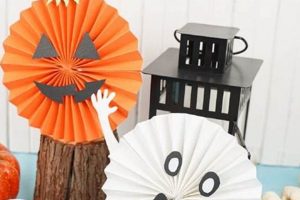
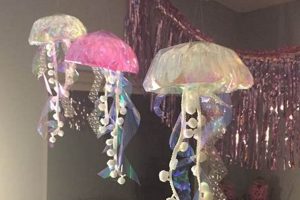
Handmade ornamentation and furnishings for an infant’s room represent a growing trend in personalized home design. This encompasses a range of projects, from hand-painted wall art and custom-sewn bedding to repurposed furniture and crafted mobiles. As an example, parents might choose to create a gallery wall featuring animal prints painted on reclaimed wood, or sew a patchwork quilt using fabrics with sentimental value.
Creating unique items for a baby’s room offers several advantages. It allows for greater control over materials, ensuring the use of non-toxic paints and organic fabrics, promoting a healthier environment for the child. Furthermore, it fosters a sense of personal connection, embedding emotional value into the space. Historically, crafting items for the home, including nurseries, was a common practice, reflecting resourcefulness and a desire to create a nurturing environment. The modern resurgence of this practice reflects a renewed interest in handmade goods and personalized spaces.
The following sections will explore various design themes suitable for a baby’s room, provide detailed instructions for selected craft projects, and offer guidance on selecting appropriate materials, ensuring both aesthetic appeal and safety for the infant.
Essential Considerations for Crafted Infant Room Adornment
The creation of handcrafted elements for a baby’s room requires careful consideration of safety, aesthetics, and functionality. The following tips provide guidance for achieving a harmonious and secure environment for the child.
Tip 1: Material Selection is Paramount: Opt for non-toxic, low-VOC paints and finishes for all painted surfaces. Choose natural, organic fabrics for bedding and soft furnishings to minimize exposure to harmful chemicals.
Tip 2: Prioritize Safety and Stability: Ensure that all crafted items are securely mounted or anchored to prevent falling hazards. Avoid small parts or embellishments that could pose a choking risk.
Tip 3: Consider Scalability and Adaptability: Design elements that can be easily adapted or repurposed as the child grows. This maximizes the longevity and utility of handcrafted items.
Tip 4: Incorporate Sensory Stimulation: Introduce textures, patterns, and colors that stimulate the infant’s senses. Consider incorporating elements such as contrasting colors or textured fabrics.
Tip 5: Maintain a Consistent Theme: Develop a cohesive design theme to create a harmonious and calming atmosphere. This can be achieved through the consistent use of color palettes, patterns, and motifs.
Tip 6: Optimize for Functionality: Prioritize practical elements such as storage solutions and easily cleanable surfaces. A well-organized space contributes to a more peaceful environment.
Tip 7: Test the Layout: Before finalizing the placement of handcrafted items, simulate everyday activities within the nursery to identify potential hazards or inefficiencies.
By adhering to these guidelines, individuals can create a personalized and safe environment for their child while maximizing the aesthetic and functional value of handcrafted elements. The ultimate goal is to foster a nurturing and stimulating space that supports the infant’s development and well-being.
The subsequent section will address specific project ideas, providing detailed instructions and material lists for implementing these crafted elements.
1. Material Safety
Material safety is of paramount importance when undertaking handcrafted projects for an infant’s room. The selection of materials directly impacts the child’s health and well-being, requiring careful consideration and adherence to established safety standards. The inherent control offered by crafting items presents an opportunity to minimize exposure to potentially harmful substances commonly found in commercially produced goods.
- Volatile Organic Compounds (VOCs)
VOCs are emitted from certain paints, adhesives, and finishes, and can contribute to respiratory issues and other health problems. When choosing materials for handcrafted items, it is imperative to select low-VOC or VOC-free alternatives. For example, opting for milk paint or plant-based varnishes over conventional options can significantly reduce the risk of exposure. Rigorous adherence to manufacturer instructions is crucial for proper application and ventilation during the crafting process.
- Phthalates and BPA in Plastics
Phthalates and Bisphenol A (BPA) are chemicals often found in plastics used for toys and other nursery items. These chemicals have been linked to endocrine disruption and developmental problems. When creating items involving plastic components, it is advisable to choose BPA-free and phthalate-free alternatives. For example, consider using wooden or fabric-based toys instead of plastic ones, or sourcing plastic components from reputable manufacturers who adhere to stringent safety standards.
- Flame Retardants in Fabrics
Some fabrics used in bedding and soft furnishings are treated with flame retardants, which can pose health risks. When selecting fabrics for handcrafted items, it is recommended to choose natural, untreated materials like organic cotton or linen. These materials are less likely to contain harmful chemicals and are often more breathable, promoting a healthier sleep environment. Furthermore, adherence to flammability standards is crucial, ensuring that crafted items meet or exceed relevant safety regulations.
- Lead Content in Paints and Finishes
Lead exposure, even at low levels, can have detrimental effects on neurological development. When selecting paints and finishes, particularly for older furniture being repurposed, it is essential to ensure they are lead-free. If repurposing existing furniture, testing for lead content is recommended before refinishing. Proper preparation, including sanding and priming, is necessary to create a safe and durable finish. Furthermore, adherence to established safety protocols is crucial for proper paint disposal.
The confluence of material safety and handcrafting for infant environments underscores a commitment to promoting a secure and health-conscious space. These considerations demonstrate that the conscious selection of materials significantly mitigates risks, transforming craftsmanship into a tangible expression of parental care and responsibility.
2. Color Psychology
Color psychology, the study of how colors influence human behavior and emotions, is a critical factor in the design of an infant’s room. Within the context of handcrafting decorative elements, understanding color’s impact becomes paramount for creating a nurturing and developmentally appropriate environment.
- Calming Blues and Greens
Cool colors, such as blues and greens, are often associated with tranquility and relaxation. In a nursery, these hues can contribute to a sense of calm, promoting better sleep and reducing anxiety. For example, hand-painted wall murals featuring serene landscapes with soft blues and greens can create a soothing atmosphere. However, excessive use of cool tones can sometimes create a feeling of coldness, necessitating the inclusion of warmer accents for balance.
- Stimulating Yellows and Oranges
Warmer colors, such as yellows and oranges, are known for their stimulating properties, promoting happiness and energy. While beneficial for fostering a sense of playfulness, their use in a nursery requires careful moderation. Overuse of vibrant yellows and oranges can lead to overstimulation, potentially disrupting an infant’s sleep patterns. A balanced approach might involve incorporating these colors as accents in smaller decorative items, such as handmade mobiles or patterned cushions, rather than painting entire walls.
- The Neutral Palette
Neutral colors, including grays, whites, and beiges, offer a versatile and calming backdrop for handcrafted nursery dcor. These tones allow for greater flexibility in introducing pops of color through accessories and textiles, without overwhelming the space. For instance, a neutral-colored wall provides a canvas for displaying vibrant, handcrafted artwork. Additionally, neutral palettes are easily adaptable as the child grows, allowing for simple updates to the dcor without requiring extensive renovations.
- Consideration of Cultural Associations
Color associations can vary across cultures, influencing the perceived meaning and impact of different hues. In some cultures, certain colors may be associated with specific genders or superstitions. It is important to be mindful of these cultural nuances when selecting colors for handcrafted nursery dcor, particularly if the family has strong cultural ties. Understanding these associations ensures that the chosen colors resonate positively and create a welcoming environment for the child.
The application of color psychology in handcrafted nursery dcor extends beyond mere aesthetics; it is a deliberate attempt to shape the emotional and developmental landscape of the infant’s earliest environment. A thoughtful and informed approach to color selection enhances the space’s functionality, contributing to a more harmonious and nurturing setting.
3. Space Optimization
Space optimization within an infant’s room, particularly when approached through handcrafted or do-it-yourself (DIY) dcor, involves strategically maximizing the utility of limited areas. The efficient use of available space becomes paramount in creating a functional and comfortable environment for both the infant and caregivers. Careful planning and creative design solutions are essential.
- Vertical Storage Solutions
Vertical storage employs the height of the room to compensate for limited floor space. DIY nursery projects can incorporate custom shelving units, wall-mounted organizers, and hanging storage solutions. Examples include creating multi-tiered shelves for books and toys, or constructing fabric organizers that hang from the closet rod. These solutions not only declutter the floor but also provide accessible storage for essential items, promoting a tidy and organized nursery.
- Multifunctional Furniture
Multifunctional furniture serves multiple purposes, optimizing space by reducing the need for separate pieces. DIY projects can repurpose existing furniture or create new pieces that offer dual functionality. A changing table can be designed with built-in drawers and shelves for storing diapers and wipes. Similarly, a crib can be constructed with under-bed storage for blankets and bedding. The integration of multiple functions into a single piece of furniture maximizes space and reduces clutter.
- Foldable and Collapsible Items
Foldable and collapsible items provide flexibility in managing space when certain items are not in use. DIY nursery dcor can incorporate foldable changing mats, collapsible storage bins, and portable playpens. These items can be easily stored away when not needed, freeing up valuable floor space. For example, a collapsible laundry hamper can be tucked away when empty, and a foldable play mat can be stored against a wall when not in use.
- Strategic Placement of Dcor
The strategic placement of decorative elements can enhance the perception of space and improve functionality. DIY nursery projects should consider the placement of mirrors to create the illusion of a larger room, and the use of light colors to brighten the space. Wall dcor should be positioned to minimize obstruction and maximize visual appeal. Thoughtful placement of handcrafted mobiles and artwork can create focal points that draw the eye and enhance the overall sense of spaciousness.
These strategies, when integrated into handcrafted nursery dcor, contribute to a more efficient and aesthetically pleasing environment. The emphasis on vertical storage, multifunctional furniture, foldable items, and strategic dcor placement exemplifies the effective utilization of space within the context of DIY projects, fostering a functional and comfortable nursery design.
4. Sensory Stimulation
Sensory stimulation plays a crucial role in an infant’s cognitive and physical development. Integrating elements that stimulate the senses within the nursery environment, particularly through handcrafted or DIY decor, can significantly enhance a child’s early learning experiences. These curated sensory inputs aid in neural pathway development, fostering cognitive growth and emotional well-being.
- Tactile Textures and Fabrics
Introducing a variety of textures through handcrafted textiles engages an infant’s sense of touch, fostering tactile discrimination. DIY nursery projects can incorporate items such as quilted blankets, textured wall hangings, and plush toys made from diverse fabrics like cotton, linen, and fleece. These tactile experiences aid in the development of fine motor skills and sensory processing abilities, promoting exploration and discovery through touch.
- Visual Contrast and Patterns
High-contrast patterns and visually stimulating designs support the development of an infant’s visual acuity. Hand-painted wall murals, crafted mobiles with bold geometric shapes, and patterned fabrics featuring black and white designs provide visual stimulation that strengthens eye muscles and enhances focus. Examples of DIY projects include creating a gallery wall with contrasting animal prints or sewing a mobile with high-contrast geometric shapes.
- Auditory Elements and Sound
The integration of auditory elements, such as soft music or gentle sounds, contributes to an infant’s auditory development. Handcrafted musical mobiles, wind chimes, or DIY sound machines can provide soothing and stimulating auditory experiences. These auditory elements aid in the development of auditory processing skills and can promote relaxation and sleep, particularly when paired with calming melodies or nature sounds.
- Olfactory Considerations and Scents
While caution is advised regarding strong or artificial scents, the integration of subtle and natural olfactory elements can contribute to a calming nursery environment. Handcrafted sachets filled with lavender or chamomile can provide a gentle and soothing aroma. The use of natural wood finishes, rather than heavily scented varnishes, also contributes to a more pleasant and healthy olfactory environment. Careful consideration of potential allergens is essential when introducing scents to the nursery.
By incorporating these facets of sensory stimulation into DIY nursery decor, caregivers can actively contribute to an infant’s cognitive and sensory development. The thoughtful design and creation of handcrafted items not only enhance the aesthetic appeal of the nursery but also provide valuable sensory experiences that support a child’s growth and well-being. These projects transform a simple space into a dynamic environment conducive to learning and exploration.
5. Thematic Cohesion
Thematic cohesion in the context of DIY nursery decor refers to the consistent application of a unifying design concept throughout the room. This includes a deliberate and harmonious integration of color palettes, patterns, motifs, and stylistic elements. Effective thematic cohesion avoids a disjointed or haphazard appearance, instead fostering a sense of visual unity and psychological comfort. Its importance stems from its ability to create a calming and stimulating environment that is conducive to the infants well-being and development. The absence of thematic cohesion can result in a visually cluttered and potentially unsettling space. As an example, a nursery following a “woodland creatures” theme would consistently feature elements such as animal silhouettes, earthy tones, and natural textures across wall art, bedding, and handcrafted toys.
Practical application of thematic cohesion necessitates careful planning and selection of DIY projects. It requires individuals to establish a clear design direction before commencing any crafting activities. This might involve creating a mood board to visualize the intended aesthetic and ensure that all DIY projects align with the chosen theme. For instance, if the theme is “outer space,” projects could include painting planetary mobiles, crafting star-shaped cushions, and designing wall decals featuring constellations. Successful implementation also involves a critical assessment of existing furniture and decor to determine whether they complement or detract from the chosen theme. Items that clash with the overall aesthetic may need to be modified, repurposed, or replaced to maintain thematic consistency.
In conclusion, thematic cohesion represents a crucial element in DIY nursery decor, influencing both the aesthetic appeal and the psychological impact of the space. Overcoming challenges in achieving thematic cohesion, such as balancing personal creativity with design principles, is essential for creating a well-designed and harmonious nursery. The broader implication is that a cohesive nursery contributes to a more nurturing and stimulating environment for the infant, supporting optimal development and well-being.
6. Functional Design
Functional design, in the context of do-it-yourself (DIY) nursery dcor, prioritizes the practicality and usability of crafted items to enhance the overall efficiency and safety of the infant’s environment. It extends beyond mere aesthetics, emphasizing the integration of design principles that cater to the specific needs of both the child and caregivers. This approach necessitates a deliberate focus on creating items that are not only visually appealing but also serve a tangible purpose.
- Optimized Storage Solutions
Storage is a critical element in any nursery, and functional design emphasizes creating storage solutions that are both accessible and space-efficient. DIY projects can include constructing custom shelving units, sewing multi-pocket organizers for crib sides, or repurposing existing furniture with added storage compartments. These solutions ensure that essential items, such as diapers, wipes, and clothing, are readily available while minimizing clutter and maximizing the use of available space. A practical example involves building a changing table with integrated drawers and shelves, consolidating multiple functions into a single piece of furniture.
- Adaptable and Convertible Furniture
Functional design advocates for creating furniture that can adapt to the evolving needs of a growing child. DIY projects can focus on building or modifying furniture pieces that can be converted or repurposed as the child ages. A crib that transforms into a toddler bed, or a changing table that can be converted into a dresser, exemplifies this approach. Such adaptability extends the lifespan of the furniture, providing long-term value and minimizing the need for frequent replacements. This aligns with sustainable practices and offers cost-effective solutions for parents.
- Safety-Focused Design Elements
Prioritizing safety is paramount in functional nursery design. DIY projects must incorporate design elements that minimize potential hazards and ensure the well-being of the infant. This includes using non-toxic materials, securing furniture to prevent tipping, and avoiding small parts that could pose a choking risk. Examples include creating soft, padded bumpers for cribs, crafting mobiles with secure attachments, and designing furniture with rounded edges to prevent injuries. The emphasis on safety ensures that the nursery environment is both stimulating and secure.
- Ease of Maintenance and Cleaning
Functional design recognizes the importance of creating items that are easy to clean and maintain, given the demands of caring for an infant. DIY projects should incorporate materials and finishes that are durable, stain-resistant, and easily wipeable. Examples include sewing washable crib sheets and blankets, using waterproof finishes on furniture surfaces, and creating storage containers that are easy to sanitize. The ability to quickly and efficiently clean and maintain the nursery environment contributes to a healthier and more hygienic space for the child.
By integrating these facets of functional design into DIY nursery decor, individuals can create an environment that is not only aesthetically pleasing but also highly practical and supportive of both the infant’s development and the caregivers’ needs. The synthesis of form and function ensures that each crafted item serves a purpose, enhancing the overall efficiency and well-being of the nursery space.
7. Project Longevity
The lifespan of do-it-yourself (DIY) nursery decor projects directly correlates with material selection, construction techniques, and adaptability to changing needs. The decision to invest time and resources into crafting items for an infant’s room necessitates a consideration of their long-term viability. Poorly chosen materials or inadequate construction methods can lead to premature degradation, rendering the projects unusable and negating the initial investment. For instance, a mobile crafted from flimsy materials may disintegrate quickly, posing a safety hazard, whereas one constructed from durable, high-quality materials is likely to withstand extended use. The importance of project longevity lies in its economic value and contribution to sustainability.
The adaptability of DIY nursery decor to evolving needs significantly impacts its longevity. Items designed with a single, specific function may become obsolete as the child grows. However, projects designed with versatility in mind can be repurposed or modified to serve different purposes over time. For example, a changing table constructed with removable sides can be transformed into a dresser as the child outgrows diapering. Similarly, a wall-mounted storage unit designed for baby supplies can be repurposed for storing toys or books as the child matures. The ability to adapt the project to changing needs enhances its value and extends its lifespan within the home.
In summary, project longevity represents a crucial factor in evaluating the efficacy of DIY nursery decor. It hinges on mindful material selection, sound construction practices, and adaptable design. The long-term value and sustainability of these projects are directly influenced by the degree to which they are designed to withstand wear and adapt to changing needs. Understanding the interplay between these elements is essential for crafting nursery decor that provides both immediate aesthetic appeal and lasting utility.
Frequently Asked Questions
The following section addresses common inquiries and misconceptions regarding the creation of handcrafted ornamentation and furnishings for an infant’s room. These questions aim to provide clarity on key considerations for a safe and aesthetically pleasing nursery environment.
Question 1: What are the primary safety concerns when engaging in do-it-yourself nursery decor?
The foremost safety concerns revolve around the use of non-toxic materials, secure mounting of items, and the avoidance of small parts that could pose a choking hazard. Selecting paints and finishes with low or no volatile organic compounds (VOCs) is crucial, as is ensuring that furniture is stable and securely anchored. Small embellishments and loose components should be avoided to mitigate the risk of ingestion.
Question 2: How can one ensure the durability and longevity of handcrafted nursery items?
Durability is achieved through the selection of high-quality materials and the utilization of sound construction techniques. Choosing durable fabrics, sturdy wood, and robust hardware will contribute to the longevity of handcrafted items. Additionally, applying protective finishes and implementing reinforced joinery can enhance the lifespan of furniture and decorative elements.
Question 3: What are the key elements of creating a thematically cohesive nursery?
Thematic cohesion is established through the consistent application of a unifying design concept. This encompasses the selection of a specific color palette, the consistent use of patterns and motifs, and the adherence to a defined stylistic approach. A mood board can be helpful in visualizing the intended aesthetic and ensuring that all individual items contribute to a cohesive overall design.
Question 4: How can one optimize space in a small nursery using do-it-yourself solutions?
Space optimization can be achieved through the implementation of vertical storage solutions, multifunctional furniture, and foldable or collapsible items. Custom shelving units, wall-mounted organizers, and furniture pieces that serve multiple purposes can maximize the use of available space. Foldable changing mats and collapsible storage bins offer additional flexibility in managing a confined area.
Question 5: What role does sensory stimulation play in nursery design, and how can this be achieved through handcrafted items?
Sensory stimulation contributes to an infant’s cognitive and physical development. Handcrafted items can be designed to engage various senses through the use of tactile textures, high-contrast patterns, auditory elements, and subtle olfactory considerations. Quilted blankets, patterned mobiles, and musical elements can stimulate the senses in a safe and developmentally appropriate manner.
Question 6: How can one balance personal creativity with established design principles when undertaking do-it-yourself nursery projects?
Balancing personal creativity with design principles requires a thoughtful approach that incorporates both individual preferences and established guidelines. While personal expression is encouraged, it is important to adhere to fundamental design principles such as balance, proportion, and harmony. Seeking inspiration from existing design sources and incorporating feedback from others can help to refine creative ideas and ensure a cohesive and aesthetically pleasing result.
The preceding responses provide a foundation for informed decision-making in the realm of handcrafted nursery dcor. By addressing these common questions, individuals can approach do-it-yourself projects with a greater understanding of safety, durability, aesthetics, and functionality.
The subsequent section will explore specific project ideas, offering detailed instructions and material lists for implementing these crafted elements.
Conclusion
This exploration of DIY nursery decor highlights its multi-faceted nature, encompassing safety considerations, aesthetic principles, and functional design. Material selection, thematic cohesion, and space optimization emerge as key elements in crafting a stimulating and nurturing environment. The value of handcrafted items lies not only in their personalization but also in the control they offer over material toxicity and design versatility.
The creation of a baby’s room, therefore, represents a significant undertaking that demands careful consideration and informed choices. The knowledge presented within this article provides a foundation for creating a nursery that supports the infant’s development while reflecting the unique sensibilities of the caregivers. Continued adherence to safety standards and a commitment to thoughtful design will ensure that these spaces remain havens of comfort and growth.