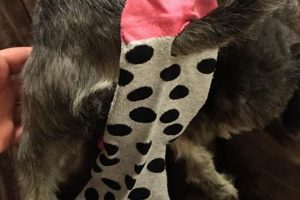
A homemade garment crafted from a standard human t-shirt can serve as a protective covering for canines recovering from surgical procedures. This adaptation involves modifying the shirt to properly fit the animal’s torso, ensuring comfort and preventing access to incision sites. An example involves cutting and sewing the shirt to create leg openings and a secure closure system around the dog’s body.
Such an approach offers several advantages for pet owners. It can be a cost-effective alternative to commercially available recovery suits, particularly useful in situations where immediate protection is needed. Historically, owners have relied on readily available materials to create solutions that address their animals’ needs, demonstrating resourcefulness in post-operative care. This method may also reduce anxiety for some animals compared to rigid cones or other restrictive devices.
The following sections will detail the precise steps involved in constructing a suitable garment, outlining necessary materials, measurement techniques, and essential considerations for ensuring the animal’s safety and well-being throughout the recovery period. Further guidance will address appropriate fabric choices and customization options for improved fit and functionality.
Tips for Creating a Post-Surgical Garment for Canines
The following offers practical advice for constructing a comfortable and effective recovery garment from a standard t-shirt. Prioritize safety and proper fit throughout the process.
Tip 1: Fabric Selection: Choose a soft, breathable fabric, ideally 100% cotton. Avoid materials with embellishments or loose threads that could be ingested or cause irritation.
Tip 2: Accurate Measurement: Measure the dog’s chest circumference, length from neck to tail base, and neck circumference. These measurements are essential for determining the appropriate size and proportions for the garment. Add a few inches for comfort and freedom of movement.
Tip 3: T-Shirt Sizing: Refer to human t-shirt size charts to select a shirt that approximates the dog’s measurements. It is typically better to select a slightly larger size that can be altered, rather than one that is too small.
Tip 4: Leg Hole Placement: Carefully mark the locations for the leg holes, ensuring they are positioned to avoid chafing or constriction. The front leg holes should allow for full range of motion. The rear leg holes should accommodate tail movement.
Tip 5: Secure Fastenings: Implement a secure and easily adjustable closure system, such as snaps, velcro, or ties. Avoid using zippers, which can potentially pinch the dog’s skin or fur. A closure along the back or side is preferable.
Tip 6: Smooth Seams: Turn all seams inward and ensure they are flat and smooth to prevent rubbing or irritation against the surgical incision. Consider using a serger or zig-zag stitch to prevent fraying.
Tip 7: Gradual Introduction: Introduce the garment to the dog gradually, associating it with positive reinforcement, such as treats or praise. Monitor the dog closely for any signs of discomfort or distress.
These tips emphasize prioritizing the animals comfort and safety while providing a cost-effective and accessible solution for post-operative protection. Careful planning and execution are critical to achieve the desired outcome.
The subsequent sections will elaborate on specific alteration techniques and provide guidance on monitoring the dogs well-being throughout the recovery period.
1. Comfort

Comfort, as it relates to a homemade post-surgical garment for canines, is not merely a desirable attribute but a fundamental requirement that directly influences the animal’s recovery and well-being. The successful application of a modified t-shirt relies heavily on the garment’s ability to provide a comfortable, non-restrictive environment for the healing process.
- Fabric Softness and Breathability
The choice of fabric is paramount in ensuring comfort. Rough or synthetic materials can cause skin irritation, chafing, and even allergic reactions, hindering the healing process. Conversely, soft, breathable fabrics, such as 100% cotton, allow for adequate air circulation, reducing the risk of overheating and promoting a soothing sensation against the skin, particularly around the sensitive surgical site. Real-world application dictates using fabrics intended for sensitive skin, avoiding those treated with harsh chemicals.
- Proper Fit and Restriction-Free Movement
A garment that is too tight can impede blood circulation, cause discomfort, and potentially delay healing. Conversely, an excessively loose garment may not provide adequate protection and can easily be dislodged. The ideal fit allows for a full range of motion without constriction, enabling the animal to move freely, rest comfortably, and engage in necessary activities such as eating, drinking, and eliminating waste without impediment. This is achieved through careful measurements and precise alterations, ensuring the garment conforms to the animal’s body contours without binding.
- Seam Placement and Smoothness
The placement and construction of seams directly impact comfort. Poorly positioned or roughly finished seams can rub against the skin, causing irritation and potential abrasions, particularly in sensitive areas like the armpits or groin. In contrast, strategically placed, smooth seams, ideally turned inward to prevent direct contact with the skin, minimize friction and promote a comfortable wearing experience. Using a serger or overlock stitch can create flat, durable seams that reduce bulk and prevent fraying, enhancing overall comfort.
- Absence of Irritants and Pressure Points
The design should eliminate any potential sources of irritation or pressure. Features like tags, elastic bands, or closures must be carefully considered and, if necessary, removed or repositioned to prevent rubbing or digging into the skin. Avoiding embellishments, appliques, or any extraneous elements that could create pressure points is also crucial. Regular monitoring for signs of skin irritation or pressure sores is essential to ensure the garment remains comfortable and does not impede the healing process.
Therefore, comfort isn’t merely an ancillary benefit but an intrinsic element essential for the success of “t shirt for dogs after surgery diy”. Addressing these aspects of comfort directly contributes to a smoother recovery, reduced stress for the animal, and improved overall welfare, ultimately enhancing the effectiveness of the protective garment.
2. Protection

Protection is a fundamental aspect of utilizing a modified t-shirt for canine post-operative care. The primary function of this garment is to safeguard the surgical site, preventing complications and promoting optimal healing conditions.
- Physical Barrier Against Self-Trauma
A primary function of the garment is to act as a physical barrier, preventing the animal from directly accessing the incision site through licking, scratching, or biting. Such self-trauma can introduce bacteria, disrupt sutures, and lead to infection, dehiscence, or delayed healing. The garment effectively shields the wound, reducing the risk of these complications. Real-world examples include cases where dogs wearing such garments exhibit significantly reduced rates of self-inflicted wound damage compared to those left unprotected.
- Shield Against Environmental Contaminants
Beyond self-trauma, the garment offers a degree of protection against environmental contaminants such as dirt, debris, and allergens. These external factors can irritate the surgical site, increasing the risk of infection and inflammation. A clean, properly fitted garment minimizes exposure to these contaminants, creating a more hygienic environment for healing. Consider a dog recovering in an outdoor environment; the garment protects from grass, dirt, and insects that could otherwise compromise the incision.
- Reduction of Friction and Irritation
The garment can also serve to minimize friction between the surgical site and external surfaces, such as bedding or furniture. Constant rubbing can irritate the wound and delay healing. The soft fabric of the garment provides a buffer, reducing friction and promoting a more comfortable recovery. For instance, a dog with a leg incision may experience less rubbing against its leg while walking or lying down when wearing a protective t-shirt.
- Support and Stabilization of the Incision Area
In some cases, the snug fit of the garment can provide gentle support and stabilization to the incision area, particularly for abdominal or chest surgeries. This support can reduce strain on the sutures and promote more effective wound closure. A dog recovering from a spay procedure, for example, may benefit from the gentle support provided by the garment, minimizing movement and potential disruption of the internal sutures.
The protective benefits underscore the value of employing a modified t-shirt as a post-operative measure for canines. By mitigating risks associated with self-trauma, environmental contaminants, friction, and instability, the garment plays a critical role in facilitating a smooth and uncomplicated recovery process. The design and implementation of the garment should, therefore, prioritize maximizing these protective attributes.
3. Breathability
Breathability is a critical consideration in the context of a canine post-operative garment constructed from a modified t-shirt. The garment’s ability to facilitate air circulation directly impacts the healing process, the animal’s comfort, and the overall effectiveness of the intervention.
- Prevention of Overheating
Canines, unlike humans, primarily regulate their body temperature through panting. A non-breathable garment can trap heat, hindering this natural cooling mechanism and leading to hyperthermia. Using breathable materials, such as cotton, allows for effective heat dissipation, minimizing the risk of overheating, especially in warm environments or during periods of increased activity. A dog recovering in summer is at a higher risk of overheating if the garment restricts airflow.
- Reduction of Moisture Buildup
Inadequate breathability can lead to moisture accumulation beneath the garment. This moisture, derived from perspiration or environmental humidity, creates an ideal environment for bacterial growth, increasing the risk of infection at the surgical site. Breathable fabrics allow moisture to evaporate, maintaining a drier and more hygienic environment. Consider the increased risk of infection in a humid climate if the garment lacks breathability.
- Promotion of Wound Aeration
Wound aeration, facilitated by breathable fabrics, is essential for optimal healing. Adequate air circulation promotes the formation of granulation tissue and reduces the risk of anaerobic infection. A breathable garment allows oxygen to reach the wound site, accelerating the healing process. A tightly sealed, non-breathable covering can create an anaerobic environment that inhibits healing and fosters infection.
- Minimization of Skin Irritation
Lack of breathability can exacerbate skin irritation and dermatitis. Trapped moisture and heat can disrupt the skin’s natural barrier function, leading to inflammation and discomfort. A breathable garment minimizes these effects, reducing the risk of skin irritation and promoting a more comfortable recovery. For instance, a dog with sensitive skin is more likely to develop dermatitis if the garment is not breathable.
These aspects of breathability highlight its importance in a “t shirt for dogs after surgery diy”. The selection of appropriate materials and the design of the garment must prioritize ventilation to ensure a comfortable, hygienic, and effective post-operative recovery for the animal. Prioritizing breathability is crucial for preventing complications and promoting optimal healing outcomes.
4. Adjustability

Adjustability is a critical attribute of any “t shirt for dogs after surgery diy” garment intended for post-operative care. A static, non-adjustable design inherently fails to accommodate the diverse body shapes and sizes present across canine breeds, as well as the potential for fluctuations in size due to post-operative swelling or weight changes. Consequently, a garment lacking adjustability may prove either too constricting, impeding circulation and causing discomfort, or too loose, rendering it ineffective in protecting the surgical site. For example, a bulldog’s broad chest necessitates a different fit than a greyhound’s slender physique; a one-size-fits-all approach is inadequate. Proper adjustability ensures a snug, secure fit that effectively shields the incision while allowing for unrestricted movement and breathing.
The practical implementation of adjustability can be achieved through several design features. Adjustable closures, such as snaps, Velcro straps, or ties, strategically positioned along the back or sides, enable customization of the garment’s circumference. Elasticized sections can provide a degree of flexibility to accommodate minor fluctuations in size. Furthermore, the length of the garment may require adjustment to ensure adequate coverage of the surgical site without interfering with the animal’s ability to urinate or defecate. The absence of these features can lead to the garment being discarded by the owner or, more concerningly, causing harm or distress to the recovering animal. Consider a scenario where a dog gains weight during recovery; an adjustable garment can be loosened to maintain a comfortable fit, preventing pressure sores or restricted breathing.
In summary, adjustability is not merely a desirable feature but a fundamental design requirement for any “t shirt for dogs after surgery diy” intended to promote effective post-operative healing. A properly adjustable garment maximizes comfort, ensures adequate protection of the surgical site, and accommodates individual variations in canine anatomy and post-operative changes. Failure to incorporate adjustability can compromise the garment’s effectiveness and potentially harm the recovering animal. Therefore, careful consideration must be given to incorporating adjustable features during the design and construction phases.
5. Hygiene

Hygiene, in the context of a “t shirt for dogs after surgery diy”, is not merely a desirable attribute but a critical component directly impacting the prevention of infection and the promotion of optimal healing. The garment’s ability to maintain cleanliness significantly influences the post-operative recovery process.
- Material Selection and Cleanability
The choice of fabric directly impacts the garment’s hygienic properties. Materials such as cotton, known for their breathability and absorbency, should also be easily washable. The ability to thoroughly clean the garment is crucial for removing potential contaminants such as dirt, bacteria, and bodily fluids. Real-world applications necessitate selecting fabrics capable of withstanding frequent washing without significant degradation, thereby maintaining a hygienic barrier. Garments constructed from materials that retain odors or are difficult to clean undermine the purpose of protecting the surgical site.
- Regular Washing and Maintenance Protocols
Establishing and adhering to a strict washing protocol is essential for maintaining the garment’s hygiene. The frequency of washing depends on the level of soiling and the environment in which the animal is recovering. Typically, daily washing with a mild, hypoallergenic detergent is recommended. The use of harsh chemicals or bleach should be avoided as these can irritate the skin. Proper drying is equally important; the garment should be thoroughly dried before being reapplied to prevent the growth of mold or bacteria. Failure to maintain this regimen can compromise the barrier and increase the risk of infection.
- Barrier Against External Contaminants
A clean garment acts as a physical barrier, preventing direct contact between the surgical site and external contaminants such as dirt, debris, and allergens. The garment should be designed to minimize exposure of the incision to the environment. This is particularly relevant in outdoor environments or households with multiple pets. A soiled or contaminated garment loses its protective function and can, in fact, become a source of infection. Therefore, maintaining a clean barrier is paramount in preventing post-operative complications.
- Minimizing Self-Contamination
The design of the garment should also minimize the risk of self-contamination, specifically from urine or feces. A poorly designed garment can inadvertently wick contaminants towards the surgical site. Ensuring adequate coverage while maintaining sufficient clearance to prevent soiling is crucial. Furthermore, the garment should be regularly inspected for any signs of contamination and promptly replaced with a clean one. Neglecting this aspect can lead to severe infections, delaying the healing process and potentially requiring further medical intervention.
These facets of hygiene are inextricably linked to the successful implementation of a “t shirt for dogs after surgery diy”. By prioritizing material selection, establishing rigorous cleaning protocols, providing a physical barrier against external contaminants, and minimizing self-contamination, the garment serves as an effective tool in preventing infection and promoting optimal post-operative healing. Neglecting any of these aspects can compromise the garment’s effectiveness and potentially jeopardize the animal’s recovery.
6. Cost-Effective
The concept of cost-effectiveness holds significant relevance within the framework of crafting homemade post-surgical garments for canines. This approach offers a financially viable alternative to commercially available options, potentially alleviating economic burdens associated with pet healthcare.
- Reduced Out-of-Pocket Expenses
Utilizing existing or inexpensive materials, such as a repurposed t-shirt, directly minimizes the financial outlay required compared to purchasing specialized recovery suits or cones. The primary expenses are typically limited to thread, fasteners (if needed), and the time invested in the crafting process. This can be particularly beneficial for owners on a limited budget, enabling them to provide adequate post-operative care without incurring significant debt. A family facing unexpected veterinary bills may find this a welcome relief.
- Accessibility of Materials
The widespread availability of t-shirts and basic sewing supplies ensures easy access to the necessary materials for constructing the garment. Unlike specialized veterinary products, these items can typically be obtained from local stores or even found within the household, eliminating the need for specialized sourcing or lengthy delivery times. This accessibility is particularly advantageous in emergency situations where immediate protection of the surgical site is required. Consider a rural setting where specialized pet stores are not readily accessible.
- Labor Investment vs. Monetary Cost
The primary investment in this approach is time and effort rather than monetary expenditure. While sewing skills are beneficial, a basic level of proficiency is often sufficient to create a functional garment. The labor involved represents a trade-off, allowing owners to substitute personal effort for financial resources. This can be particularly appealing to individuals with flexible schedules or those who derive satisfaction from DIY projects. Someone with limited income but ample free time might find this option appealing.
- Avoidance of Unnecessary Veterinary Product Purchases
In some cases, veterinary clinics may offer or recommend specialized recovery products that carry a significant price premium. Constructing a homemade garment allows owners to bypass these purchases, opting for a simpler, more affordable solution that still effectively addresses the core need of protecting the surgical site. This empowers owners to make informed decisions about their pet’s care, prioritizing essential needs while minimizing unnecessary expenses. An owner who feels pressured to buy an expensive recovery suit may find the DIY option empowering.
The various facets of cost-effectiveness underscore the practical appeal of creating homemade post-surgical garments for canines. By minimizing expenses, ensuring accessibility, substituting labor for monetary investment, and avoiding unnecessary purchases, this approach provides a valuable option for pet owners seeking to provide responsible and affordable post-operative care. This strategy is especially beneficial for lower-income individuals or people who own rescue animals in need of surgery.
Frequently Asked Questions
This section addresses common inquiries regarding the creation and use of homemade post-surgical garments for canines, providing clarity on key aspects of design, safety, and application.
Question 1: What constitutes an appropriate fabric choice for this type of garment?
The ideal fabric is soft, breathable, and easily washable. 100% cotton is generally recommended due to its hypoallergenic properties and ease of maintenance. Avoid materials with loose weaves, embellishments, or those treated with harsh chemicals, as these can cause irritation or pose a choking hazard.
Question 2: How does one accurately determine the correct size of the t-shirt required?
Accurate measurements are paramount. Measure the dog’s chest circumference, neck circumference, and length from neck to tail base. Compare these measurements to human t-shirt size charts, selecting a size that closely approximates the dog’s dimensions. A slightly larger size is preferable, as it allows for alterations and ensures freedom of movement.
Question 3: What are the essential safety precautions to consider during garment construction?
Prioritize safety by turning all seams inward to prevent rubbing or irritation. Ensure leg holes are appropriately sized and positioned to avoid chafing or constriction. Implement a secure and easily adjustable closure system, avoiding zippers or small parts that could be ingested. Monitor the dog closely for any signs of discomfort or distress after the garment is applied.
Question 4: How frequently should the garment be washed?
The garment should be washed daily, or more frequently if it becomes soiled. Use a mild, hypoallergenic detergent and ensure the garment is thoroughly rinsed to remove any residue. Proper drying is essential to prevent the growth of mold or bacteria. A clean garment is crucial for maintaining a hygienic environment and preventing infection.
Question 5: What are the potential drawbacks or limitations of this approach?
This method may not be suitable for all dogs. Some animals may resist wearing the garment, requiring careful acclimatization. The level of protection offered may be less comprehensive than that provided by commercially available recovery suits. Diligence in maintaining hygiene and monitoring the dog for any signs of discomfort is essential.
Question 6: How does this garment compare to a traditional Elizabethan collar (cone of shame)?
The garment offers a less restrictive alternative to the Elizabethan collar, allowing for greater freedom of movement and potentially reducing anxiety. While the cone primarily prevents access to the head and neck, the garment focuses on protecting the torso and surgical site. The choice between the two depends on the specific needs of the animal and the location of the surgical incision.
In summary, the successful application of a homemade post-surgical garment relies on careful planning, accurate measurements, attention to detail, and diligent monitoring. Adhering to these guidelines can contribute to a smoother recovery process for the animal.
The subsequent section will explore advanced customization options and address specific surgical considerations.
Conclusion
The preceding discussion has comprehensively explored the concept of a “t shirt for dogs after surgery diy” as a viable and cost-effective alternative to commercially available post-operative protective devices for canines. Key aspects, including material selection, proper fit, hygiene maintenance, adjustability, and the prioritization of both comfort and protection, have been thoroughly addressed. The intent has been to furnish readers with the requisite knowledge to confidently construct and implement such a garment, thereby promoting optimal healing and minimizing the potential for post-surgical complications.
The information presented underscores that responsible pet ownership extends beyond the provision of basic necessities. Diligent post-operative care, whether facilitated by a professionally manufactured product or a carefully crafted homemade solution, plays a crucial role in ensuring the well-being of animals entrusted to one’s care. It is incumbent upon pet owners to thoughtfully consider all available options and to prioritize the comfort, safety, and long-term health of their canine companions throughout the recovery process. Further research into suitable materials and refinements to the construction process may further enhance the efficacy and widespread adoption of this approach.