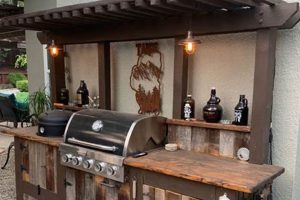
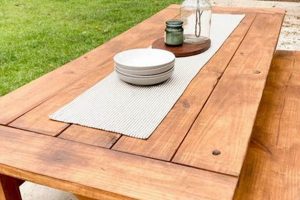
Repurposed wooden platforms, typically used for shipping and storage, serve as the foundational material for constructing furnishings intended for exterior spaces. These constructions involve individual assembly, modification, and creative adaptation of the wooden components. For instance, a discarded shipping platform can be disassembled, sanded, and reconfigured into a patio sofa or a garden table.
Utilizing reclaimed materials offers an economically viable and environmentally conscious approach to furnishing outdoor living areas. This practice minimizes waste by diverting materials from landfills and reduces the demand for newly manufactured products. Historically, resourceful individuals and communities have embraced similar methods of repurposing available resources to meet functional needs, showcasing both ingenuity and a commitment to sustainability.
The subsequent discussion will detail specific design considerations, construction techniques, and finishing options relevant to the creation of durable and aesthetically pleasing outdoor furniture from reclaimed wooden platforms. Furthermore, it will address essential safety precautions and maintenance procedures to ensure longevity and continued usability.
Construction Guidance
The following guidelines are intended to facilitate the successful creation of exterior furnishings from reclaimed wooden platforms. Adherence to these recommendations will enhance the structural integrity and aesthetic appeal of the finished product.
Tip 1: Material Selection: Prioritize platforms designated as heat-treated (HT) rather than chemically treated (MB – Methyl Bromide). The HT designation indicates a safer method of pest control. Thoroughly inspect each component for signs of rot, insect infestation, or structural damage before incorporation into the design.
Tip 2: Disassembly Protocol: Employ appropriate safety equipment, including gloves and eye protection, during platform disassembly. Exercise caution when removing nails and staples to prevent injury and component damage. Consider using specialized tools designed for nail removal to minimize wood splitting.
Tip 3: Surface Preparation: Thorough sanding is crucial for achieving a smooth, splinter-free surface. Begin with a coarse-grit sandpaper to remove imperfections and transition to finer grits for a polished finish. Pay particular attention to edges and corners to ensure user safety.
Tip 4: Joint Construction: Utilize robust joinery techniques, such as mortise-and-tenon or half-lap joints, to enhance the structural stability of the furniture. Reinforce joints with exterior-grade wood glue and screws or bolts for added durability.
Tip 5: Weather Protection: Apply a high-quality exterior wood sealant or stain to protect the finished furniture from moisture, UV radiation, and fungal growth. Multiple coats may be necessary to achieve optimal protection. Reapply sealant annually or as needed based on environmental conditions.
Tip 6: Design Considerations: Prioritize ergonomic design principles to ensure comfortable seating and appropriate dimensions for intended use. Consider incorporating features such as backrests, armrests, and cushions to enhance user experience.
Tip 7: Fastener Selection: Utilize corrosion-resistant fasteners, such as stainless steel or galvanized screws and bolts, to prevent rust and maintain structural integrity over time. Pre-drill pilot holes to prevent wood splitting during fastener installation.
Employing these practices will lead to the creation of durable and attractive outdoor furnishings. Careful material selection, robust construction techniques, and adequate weather protection are paramount to ensuring longevity and continued utility.
The subsequent section will address common design patterns and their successful implementation.
1. Sustainability
The employment of repurposed shipping platforms in the creation of exterior furnishings directly contributes to sustainable practices by mitigating waste and reducing the demand for virgin materials. Discarded platforms, often destined for landfills or incineration, are instead transformed into functional objects, thereby minimizing their environmental impact. This process conserves natural resources such as timber, energy, and water that would otherwise be required for the production of new furniture. The inherent link between repurposed platform projects and sustainability stems from its core principle of extending the life cycle of existing materials.
The environmental benefits extend beyond mere waste reduction. The utilization of reclaimed wood obviates the need for harvesting trees specifically for furniture production, contributing to forest preservation and carbon sequestration. For example, community gardens frequently adopt repurposed platform construction for raised beds and seating areas, demonstrating a commitment to both environmental stewardship and local resourcefulness. Furthermore, the relatively low energy input required for repurposing, compared to manufacturing new items, translates to a reduced carbon footprint. The sourcing of materials locally, diverting them from distant disposal sites, reduces transportation emissions further enhancing sustainability.
In summary, the adoption of repurposed shipping platforms as a primary material for exterior furniture provides a tangible avenue for individuals and communities to actively participate in environmentally responsible practices. By diverting waste, conserving resources, and reducing energy consumption, these initiatives embody the principles of sustainability, fostering a circular economy and promoting a more ecologically sound approach to consumption and production. The challenges lie in standardizing material safety and expanding access to suitable resources for widespread adoption. Addressing these concerns reinforces the ecological benefits, linking the practice of furniture construction with an explicit sustainability ethos.
2. Cost-Effectiveness
The economic advantages associated with constructing exterior furnishings from repurposed shipping platforms represent a significant incentive for both individual consumers and community organizations. The practice of sourcing materials from discarded platforms drastically reduces upfront expenditures compared to purchasing commercially manufactured outdoor furniture sets.
- Reduced Material Expenses
Shipping platforms are often obtainable at minimal cost or entirely free, particularly from businesses that routinely receive large shipments. This eliminates or significantly reduces the primary material expense associated with furniture construction. The cost savings are amplified when compared to the purchase price of new lumber or composite materials typically used in outdoor furniture manufacturing. Businesses that have excess pallet they want to dispose of may become a source for the raw material needed in DIY furniture.
- Lower Labor Costs
While the construction process necessitates labor input, engaging in self-assembly eliminates the need to pay for professional furniture assembly services. This is especially relevant for simpler designs that require minimal woodworking expertise. DIY projects offer an alternative for lower labor cost.
- Decreased Transportation Costs
Sourcing platforms locally minimizes transportation expenses compared to purchasing furniture from distant retailers or manufacturers. This factor is particularly relevant in rural or geographically isolated areas where transportation costs may be substantial. Finding a local supplier is key in reducing transportation cost.
- Extending Lifespan of Resources
Repurposing used shipping pallets helps reduce costs through lowered demand for natural resources. By using available resources and extending its usability, less trees are being cut down, and also less cost in maintaining natural resources.
The cumulative effect of reduced material, labor, and transportation costs makes the construction of outdoor furniture from repurposed platforms a financially appealing alternative to traditional purchasing options. Further cost savings can be realized through the application of reclaimed or discounted finishes and sealants. The economic benefits coupled with the environmental advantages contribute to the appeal of this sustainable practice. For a person that is tight on budget, DIY pallet furniture is a very good choice.
3. Design Adaptability
The capacity to tailor exterior furnishings from repurposed shipping platforms to meet specific spatial requirements and aesthetic preferences constitutes a significant advantage of this construction approach. The inherent modularity of the source material facilitates considerable design flexibility, enabling customization beyond the limitations of mass-produced furniture.
- Dimensional Versatility
Repurposed shipping platforms can be readily modified to accommodate diverse dimensional constraints. Platforms can be disassembled and reconfigured to create furniture pieces of varying sizes and shapes, optimizing space utilization in patios, gardens, or balconies. Examples include constructing narrow benches for constrained balcony spaces or expansive sectional sofas for larger outdoor living areas. This adaptability ensures that furniture can be precisely tailored to the available space.
- Functional Customization
The inherent structure of shipping platforms allows for the integration of customized functional features. Storage compartments can be incorporated into seating designs, providing convenient storage for outdoor cushions or gardening tools. Platform sections can be adapted to create planters, side tables, or serving stations, enhancing the utility of the outdoor space. Functional customization enables the creation of multifunctional furniture pieces tailored to specific needs.
- Aesthetic Variation
The visual appearance of repurposed platform furniture can be readily altered through a range of finishing techniques. Staining, painting, and distressing techniques can be employed to achieve diverse aesthetic styles, ranging from rustic and weathered to modern and minimalist. Platforms can be combined with other materials, such as metal or fabric, to create visually compelling designs. Aesthetic variation allows for the creation of furniture that complements the existing architectural style and personal taste.
- Component Reconfiguration
The individual components of disassembled shipping platforms can be repurposed in innovative ways to create unique furniture designs. Platform slats can be used to construct headboards, decorative panels, or privacy screens. Platform blocks can be used as table legs or structural supports. The ability to reconfigure individual components fosters creative design possibilities beyond conventional furniture forms.
The combination of dimensional versatility, functional customization, aesthetic variation, and component reconfiguration collectively underscores the design adaptability inherent in repurposing shipping platforms for outdoor furniture construction. This adaptability empowers individuals to create personalized and functional outdoor spaces tailored to their specific needs and aesthetic preferences. For a person that likes customized design and want to impose their style, DIY pallet furniture is a good way to do it. These factors render the approach a compelling alternative to the constraints imposed by commercially manufactured furniture.
4. Structural Integrity
The durability and longevity of exterior furnishings constructed from repurposed shipping platforms are directly contingent upon their structural integrity. Ensuring adequate load-bearing capacity, joint stability, and resistance to environmental stressors is paramount for safe and sustained use. The following aspects detail crucial considerations in maintaining the structural soundness of such projects.
- Material Assessment and Selection
The initial step involves a meticulous evaluation of the shipping platforms to be used. The presence of rot, insect damage, or significant cracks compromises structural integrity and renders the platform unsuitable for load-bearing components. Platforms designated as heat-treated (HT) are preferable to those treated with chemicals. Selecting platforms with consistent dimensions and wood density ensures uniform stress distribution throughout the finished piece. Example: a visibly warped platform should not be used for a load-bearing seat support.
- Joint Construction Techniques
The method of joining individual platform components significantly impacts overall structural stability. Utilizing robust joinery techniques such as mortise-and-tenon, dovetail, or half-lap joints provides superior strength compared to simple butt joints secured with fasteners alone. Reinforcing joints with exterior-grade wood glue and corrosion-resistant screws or bolts further enhances their load-bearing capacity. Example: A table leg attached with only screws is prone to failure under significant weight; a mortise-and-tenon joint offers superior stability.
- Fastener Specifications and Placement
The selection and placement of fasteners are critical for maintaining joint integrity. Corrosion-resistant screws and bolts, such as stainless steel or galvanized options, are essential for preventing rust and ensuring long-term structural stability. Proper pilot hole drilling prevents wood splitting and maximizes fastener holding power. Fasteners should be strategically placed to distribute stress evenly across the joint. Example: Utilizing staples instead of screws for securing a tabletop to a frame will result in premature joint failure.
- Load Distribution and Support Structures
The design of the furniture must account for anticipated load distribution. Reinforcement structures, such as additional support beams or cross-bracing, may be necessary to prevent sagging or deformation under heavy loads. Legs and support members should be adequately sized and positioned to provide stable weight distribution. Example: A long bench without center support is likely to sag over time; incorporating a central support leg distributes the load and prevents deformation.
Adherence to these guidelines promotes the construction of safe and durable outdoor furniture from repurposed shipping platforms. Neglecting structural integrity considerations can lead to premature failure, posing a safety hazard and negating the economic and environmental benefits of repurposing. Rigorous material assessment, robust joint construction, appropriate fastener selection, and thoughtful load distribution are essential for ensuring long-term structural soundness.
5. Weather Resistance
The longevity and functionality of exterior furnishings constructed from repurposed shipping platforms are inextricably linked to their capacity to withstand environmental elements. Without adequate protection, wood is susceptible to degradation from moisture, ultraviolet radiation, temperature fluctuations, and biological agents, leading to structural damage and aesthetic deterioration. Therefore, implementing appropriate weather resistance measures is crucial for maximizing the lifespan and usability of such creations.
- Protective Coatings
The application of exterior-grade sealants, stains, or paints forms a primary defense against moisture penetration and UV damage. Sealants create a water-repellent barrier, preventing the absorption of rain and humidity, which can lead to rot and decay. Stains provide color while also offering some level of protection against UV radiation, which can cause fading and discoloration. Paints offer the most comprehensive protection, shielding the wood from both moisture and UV rays. Selecting coatings specifically formulated for outdoor use is essential, as these products contain additives that enhance their resistance to weathering and fungal growth. Regular reapplication of protective coatings is necessary to maintain their effectiveness over time. Example: Applying a marine-grade varnish to platform furniture intended for coastal environments significantly extends its lifespan.
- Wood Preservation Treatments
Before construction, the application of wood preservatives can enhance the material’s resistance to decay and insect infestation. Preservatives penetrate the wood fibers, creating a toxic environment for fungi and insects. These treatments are particularly beneficial for platform components that will be in direct contact with the ground or exposed to frequent moisture. However, it is crucial to select preservatives that are approved for outdoor use and safe for human contact, particularly if the furniture will be used in areas frequented by children or pets. Example: Pressure-treating platform legs with a copper-based preservative provides long-term protection against ground contact decay.
- Design Considerations for Drainage
Incorporating design features that promote water drainage can significantly reduce the risk of moisture accumulation and subsequent damage. Sloping surfaces, gaps between slats, and elevated platforms allow water to run off quickly, preventing it from pooling and saturating the wood. Orienting furniture pieces to maximize sun exposure and minimize exposure to prevailing winds also aids in drying. Example: Designing a platform bench with slightly angled slats allows rainwater to drain through, preventing it from collecting on the surface.
- Material Selection Based on Environmental Conditions
While repurposed shipping platforms offer a cost-effective and sustainable source of materials, the type of wood used in their construction can vary significantly. Selecting platforms made from naturally durable wood species, such as cedar or redwood, provides inherent resistance to decay and insect infestation. These species contain oils and compounds that act as natural preservatives. If less durable wood species are used, implementing more aggressive preservation and protection measures is necessary. Example: Using platforms constructed from oak for outdoor furniture provides greater inherent weather resistance compared to using platforms made from pine.
In conclusion, ensuring weather resistance in furniture constructed from repurposed shipping platforms requires a multifaceted approach. Protective coatings, wood preservation treatments, drainage design considerations, and appropriate material selection all contribute to mitigating the damaging effects of environmental elements. Implementing these measures is essential for preserving the structural integrity, aesthetic appeal, and long-term usability of these sustainable creations. Neglecting weather resistance will inevitably lead to premature deterioration, negating the economic and environmental benefits of repurposing.
6. Safety
The intersection of safety and repurposed shipping platform outdoor furniture necessitates rigorous attention to potential hazards inherent in both the materials and the construction process. Structural instability, material contamination, and improper handling can lead to injuries and compromise the furniture’s usability. Addressing these concerns proactively is essential for ensuring the well-being of users and maximizing the lifespan of the finished product. For instance, failing to adequately sand rough surfaces can result in splinters, while using chemically treated platforms poses a risk of skin irritation or more severe health consequences.
Specific safety considerations include the proper disassembly of platforms, requiring the use of personal protective equipment such as gloves and eye protection to prevent injuries from nails, staples, and splintered wood. The selection of appropriate fasteners and joinery techniques is crucial for ensuring structural integrity and preventing collapses or failures under load. Furthermore, the application of non-toxic finishes and sealants is important to mitigate potential health risks associated with off-gassing or direct contact. An example of practical application is the reinforcement of seating areas with additional supports to prevent sagging or breakage, thereby minimizing the risk of falls or injuries. Platforms in direct contact with the ground should be treated against rot and insect infestation using appropriate and environmentally sound methods.
In summary, ensuring the safety of repurposed platform outdoor furniture demands a comprehensive approach encompassing material selection, construction techniques, and preventative maintenance. Ignoring these aspects can result in avoidable injuries and undermine the benefits of this sustainable practice. Emphasizing safety protocols not only protects users but also reinforces the responsible and ethical dimensions of repurposing materials for functional applications. Consistent awareness and adherence to safety guidelines are critical for maximizing the positive impact and minimizing the potential risks associated with crafting outdoor furniture from reclaimed shipping platforms.
Frequently Asked Questions
This section addresses common inquiries and concerns regarding the construction and utilization of exterior furnishings made from repurposed shipping platforms. The aim is to provide clarity and guidance based on industry best practices and safety considerations.
Question 1: Are all shipping platforms suitable for furniture construction?
No. Platforms designated with an “MB” stamp, indicating methyl bromide fumigation, should be avoided due to potential health risks. Heat-treated (HT) platforms are generally safer. Thorough inspection for rot, insect damage, and structural defects is essential prior to use.
Question 2: What types of finishes are appropriate for pallet outdoor furniture?
Exterior-grade sealants, stains, and paints specifically formulated for wood are recommended. These coatings provide protection against moisture, UV radiation, and fungal growth. Regular reapplication is necessary to maintain their effectiveness.
Question 3: How can structural integrity be ensured in pallet furniture construction?
Robust joinery techniques, such as mortise-and-tenon or half-lap joints, are crucial. Reinforcing joints with exterior-grade wood glue and corrosion-resistant fasteners enhances stability. Proper load distribution and support structures should be incorporated into the design.
Question 4: What safety precautions should be taken during pallet disassembly?
Appropriate personal protective equipment, including gloves and eye protection, is essential. Exercise caution when removing nails and staples. Employ specialized tools designed for nail removal to minimize wood splitting and prevent injuries.
Question 5: How can pallet furniture be protected from moisture damage?
Applying a water-repellent sealant is the primary method of protection. Design features that promote water drainage, such as sloping surfaces and gaps between slats, can also help prevent moisture accumulation. Elevating the furniture off the ground reduces direct contact with moisture.
Question 6: Is it necessary to sand pallet wood before using it for furniture?
Yes. Thorough sanding is crucial for removing splinters and creating a smooth, safe surface. Begin with coarse-grit sandpaper and transition to finer grits for a polished finish. Pay particular attention to edges and corners.
These responses aim to address common concerns regarding safety, material selection, and construction practices. Adhering to these guidelines will contribute to the creation of durable and aesthetically pleasing outdoor furniture from repurposed shipping platforms.
The subsequent section will offer step-by-step instructions for a specific pallet furniture project.
Conclusion
This article has explored the multifaceted aspects of crafting exterior furnishings from repurposed shipping platforms. Key considerations encompass material selection, structural integrity, weather resistance, design adaptability, cost-effectiveness, and user safety. Proper execution in each of these areas is paramount for achieving durable, functional, and aesthetically pleasing outcomes.
The endeavor of transforming discarded platforms into useful outdoor furniture represents a tangible commitment to sustainable practices. Further refinement of techniques and increased awareness of safety protocols will enhance the value and broaden the adoption of this resource-conscious approach. The future success of this movement hinges on responsible implementation and a continued focus on environmental stewardship.