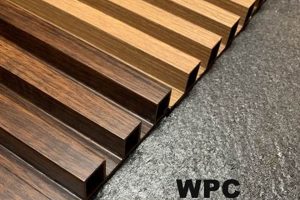
A self-constructed wooden window treatment that conceals hardware and provides a decorative finish. These elements are typically mounted above a window and often crafted from readily available lumber. An example includes a simple box-shaped structure made from pine boards, stained to match the room’s decor, and installed above a living room window to obscure roller shades.
This type of project offers significant benefits, including cost savings compared to purchasing pre-made options, and provides customization opportunities. The ability to select specific wood types, dimensions, and finishes allows the creation of a piece that perfectly complements the existing interior design. Historically, these were crafted to both conceal less aesthetically pleasing functional components and introduce decorative elements, adding a touch of elegance and sophistication to interior spaces.
The subsequent sections will explore various construction techniques, design ideas, and finishing options for achieving a successful and personalized window dressing. These will provide detailed instructions and considerations for achieving a custom-designed element.
Construction Recommendations
The following guidelines offer practical advice for achieving a well-executed project. Adherence to these principles ensures both aesthetic appeal and structural integrity.
Tip 1: Accurate Measurement: Prior to commencing the project, meticulously measure the window opening and account for any desired overhang. Inaccurate measurements may result in a valance that is either too small or obstructs the window’s operation.
Tip 2: Material Selection: Choose lumber appropriate for the intended design and environment. Consider factors such as wood grain, cost, and resistance to moisture, especially in humid areas. Pine and poplar represent common, cost-effective choices for many projects.
Tip 3: Precise Cutting: Employ accurate cutting techniques to achieve clean and square edges. Utilize a miter saw or circular saw with a guide to ensure accurate cuts. Imperfect cuts can compromise the overall appearance and structural stability.
Tip 4: Secure Assembly: Use appropriate fasteners and adhesives to securely join the components. Wood screws, nails, and wood glue provide a strong and lasting bond. Pre-drilling pilot holes prevents splitting the wood during screw insertion.
Tip 5: Proper Finishing: Apply a high-quality finish to protect the wood and enhance its appearance. Consider staining, painting, or varnishing to achieve the desired aesthetic. Always sand the wood smooth before applying the finish.
Tip 6: Robust Mounting: Ensure secure mounting to the wall using appropriate hardware. Consider the weight of the constructed item and choose mounting brackets and screws that can adequately support the load. Use a level to guarantee horizontal alignment.
Tip 7: Design Considerations: While constructing the valance, account for space between top of window treatment and the ceiling. If space is less, the valance may be installed above ceiling and will look awkward
By following these guidelines, the construction process becomes more streamlined, resulting in a professional-looking and durable addition to the room.
The subsequent section will focus on various style considerations. These will provide detailed instructions and considerations for achieving a custom-designed element.
1. Measurements

Accurate dimensional assessment forms the foundational basis for any successful window treatment. Within the context of a self-assembled wooden structure, precise measurements are not merely a preliminary step; they are a critical determinant of the final product’s functionality, aesthetics, and ease of installation.
- Window Opening Dimensions
The most fundamental measurement is the width and height of the window opening itself. These dimensions dictate the overall size of the valance and ensure it effectively conceals any undesirable hardware or structural elements above the window. Incorrect measurements can result in a valance that is either too small to adequately cover the intended area or too large, potentially obstructing the window’s operation or appearing disproportionate to the overall window size. For example, if the window frame measures 36 inches wide, the valance should be at least slightly wider to provide sufficient coverage and a balanced appearance.
- Overhang Allowance
The desired overhang, or the extent to which the structure projects beyond the window frame on either side, must be factored into the overall width measurement. This is a design choice that influences the valance’s visual impact and can contribute to a more polished and professional aesthetic. A typical overhang might range from 2 to 4 inches on each side. Failure to account for this added dimension will result in a valance that appears undersized and lacks the intended visual presence. Example: If the window opening is 36 inches wide and a 2-inch overhang is desired on each side, the total width of the valance should be 40 inches.
- Depth Projection
The depth or projection of the valance from the wall also requires careful consideration. This measurement determines how far the valance extends into the room and influences its perceived volume and impact. Adequate depth is also necessary to accommodate any existing window treatments, such as blinds or shades, that the valance is intended to conceal. A shallow depth may result in the valance appearing flush with the wall, while an excessively deep projection could make it appear bulky and obtrusive. The depth chosen should also depend on the desired amount of depth of window treatment. Example: If the existing blind hardware requires a 6-inch clearance, the valance should have a depth of at least 6 inches, plus any additional amount for visual effect.
- Mounting Height
Determining the appropriate mounting height above the window is crucial for achieving the desired aesthetic and functional outcome. The height at which the valance is installed influences the perceived height of the window and can impact the overall proportions of the room. A higher mounting position can create the illusion of a taller window, while a lower position may provide a more intimate and cozy feel. Moreover, the mounting height must be sufficient to fully conceal any existing hardware or structural elements. Example: If the objective is to maximize the perceived height of the window, the valance should be mounted as close to the ceiling as possible, while still allowing for easy access to the window and any associated hardware.
In essence, meticulous measurement practices are inextricably linked to the success of a self-constructed wooden window treatment. These dimensional considerations, when carefully assessed and implemented, contribute to a finished product that is both visually appealing and functionally effective, seamlessly integrating into the existing architectural context. Neglecting these fundamentals can lead to costly errors and a final product that fails to meet the intended design objectives.
2. Wood Selection

The selection of wood in constructing a self-assembled window treatment directly influences the project’s aesthetic, structural integrity, and longevity. Wood selection dictates the final appearance through grain, color, and texture. For instance, using knotty pine imparts a rustic aesthetic, whereas selecting cherry provides a refined, formal appearance. Structurally, different wood species exhibit varying strengths and resistances to warping or decay. Consider a scenario where a lightweight structure is desired; pine or poplar represent suitable choices due to their workability and lower density. Conversely, in environments with high humidity, cedar or redwood, known for their natural resistance to moisture, become more appropriate. This choice is fundamental to prevent premature degradation and maintain the structure’s integrity. Improper wood selection can lead to an undesirable aesthetic or structural failure.
Furthermore, the chosen wood affects the ease of construction and finishing. Softwoods like pine are generally easier to cut, sand, and fasten compared to hardwoods. This ease of workability can streamline the assembly process, particularly for those with limited woodworking experience. The type of wood also interacts differently with stains and paints. For example, open-grained woods such as oak require more filling to achieve a smooth, uniform finish compared to closed-grain woods like maple. Practical application hinges on aligning the wood’s inherent properties with the project’s specific requirements and the builder’s skill level. Choosing a wood that is too difficult to work with or incompatible with the desired finish can significantly complicate the construction process.
In summary, the link between wood selection and a self-constructed wooden window treatment is multifaceted. Selecting appropriate material determines visual appeal, structural durability, and construction feasibility. Challenges arise when aesthetic desires conflict with practical limitations or environmental factors. A comprehensive understanding of wood characteristics and their implications is essential for a successful project, resulting in a window dressing that is both visually pleasing and structurally sound. This understanding highlights the broader theme of informed decision-making in design and construction.
3. Cutting Accuracy

In the context of crafting a self-assembled wooden window treatment, meticulous execution is essential. Precise dimensional cuts exert a direct influence on the final aesthetic appeal, structural integrity, and ease of assembly. The relationship between accurate cuts and the success of such a project can be understood through the following cause-and-effect relationship: inaccurate cuts inevitably lead to ill-fitting components, misaligned joinery, and an overall reduction in the visual quality. Accurate cuts ensures components fit together seamlessly, creating tight, strong joints. An example of this is a simple rectangular valance where even a slight deviation from square on any of the four pieces will result in a noticeable parallelogram shape when assembled, undermining the clean lines and professional appearance. Without accurate cuts, the valance can’t mount property.
The importance of cutting accuracy as a component of a self-assembled window treatment cannot be overstated. Functionally, accurate cuts are essential for ensuring the structure sits flush against the wall, providing complete concealment of any hardware. A practical example involves mitered corners. If the angles are not precisely 45 degrees, the corners will not align correctly, leaving visible gaps and detracting from the overall finish. Such imperfections not only impact the visual quality but also potentially weaken the structure, particularly if adhesives or fasteners are used to compensate for the gaps. The absence of accuracy introduces additional time and resources required for correcting mistakes, which may involve recutting materials or applying fillers, both of which compromise the project’s efficiency and intended outcome.
In summary, achieving accurate cuts is paramount for a successful self-constructed window treatment. Its practical significance resides in its direct impact on aesthetic quality, structural integrity, and assembly efficiency. Challenges may arise from using incorrect cutting tools, lack of experience, or rushing the process. However, by prioritizing precision and attention to detail, the builder can create a professional-looking and durable addition to the room. The core takeaway is that accuracy is not merely a procedural step but a critical determinant of the project’s overall quality and long-term satisfaction, linking directly to a successful outcome.
4. Assembly

The assembly process constitutes a critical stage in the creation of a self-constructed wooden window treatment. It represents the culmination of prior steps, including measurement, material selection, and precise cutting. The success of the entire undertaking hinges on the proper execution of this phase. Improper assembly can negate the benefits of even the most meticulous preparation, resulting in a structurally unsound or visually unappealing finished product. A fundamental cause-and-effect relationship exists: incorrect assembly methods lead to weakened joints, misaligned components, and a diminished aesthetic value. A common example illustrating this principle is the use of insufficient fasteners. If screws or nails are inadequately spaced or sized, the joined pieces may separate over time, particularly under stress or weight. A real-life scenario could involve a large valance where inadequate fastening causes the corners to pull apart, creating unsightly gaps and compromising structural integrity. Without assembly, the valance remains a collection of parts.
Proper assembly demands a thorough understanding of various joining techniques and the appropriate application of adhesives and fasteners. Joints must be strong and durable, capable of withstanding the forces exerted by the weight of the structure and any external pressures. A common practice is to use wood glue in conjunction with screws or nails to create a more robust bond. Another consideration involves the sequence of assembly. Often, it is advantageous to assemble smaller sub-components before joining them to the main structure. This can improve accuracy and ease of handling. For example, the face trim should be attached before the valance is assembled. It is imperative that all components are aligned correctly before the adhesive sets or the fasteners are fully tightened. Inaccurate alignment can lead to warping or distortion, compromising the overall appearance. Practical application requires experience and attention to detail.
In summary, the assembly process is a pivotal determinant of the outcome of a self-assembled wooden window treatment project. Its practical significance resides in ensuring structural stability, aesthetic coherence, and longevity. Challenges during assembly typically stem from inadequate planning, improper techniques, or insufficient attention to detail. By prioritizing proper assembly methods and employing the correct tools and materials, a builder can create a professional-looking and durable addition to the room. The underlying theme is that careful execution during this phase is essential for realizing the full potential of the project, translating initial planning and preparation into a tangible, functional, and aesthetically pleasing window dressing.
5. Finishing

Finishing, in the context of a self-constructed wooden window treatment, represents the application of surface treatments designed to protect and enhance the material. The selection and execution of finishing techniques profoundly impact the final aesthetic, durability, and overall perceived quality of the completed valance.
- Protective Sealing
Sealing the wood is a crucial step in protecting it from moisture, UV radiation, and physical abrasion. Without a proper sealant, the wood can warp, crack, or fade over time, particularly in environments with high humidity or direct sunlight. Examples of sealants include polyurethane, varnish, and lacquer, each offering varying degrees of protection and sheen. Polyurethane, for instance, provides a durable and water-resistant finish suitable for areas prone to moisture exposure. This measure is vital for preserving the structural integrity and extending the lifespan of the wooden window treatment.
- Aesthetic Enhancement through Staining
Staining serves to alter or enhance the natural color and grain pattern of the wood. Stains penetrate the wood’s surface, imparting a specific hue while allowing the underlying grain to remain visible. The choice of stain color should complement the room’s dcor and personal preferences. For example, a dark walnut stain can add a touch of sophistication and warmth, while a lighter oak stain provides a more natural and airy feel. Improper staining techniques, such as uneven application or insufficient wiping, can result in blotchy or inconsistent color, detracting from the overall aesthetic.
- Surface Refinement through Painting
Painting involves the application of an opaque coating that completely obscures the underlying wood grain. This technique offers a wide range of color options and allows for a more uniform and contemporary aesthetic. The selection of paint type is crucial, with options including latex, acrylic, and oil-based paints, each possessing distinct properties in terms of durability, adhesion, and ease of application. Latex paints, for instance, are water-based, environmentally friendly, and easy to clean, making them a popular choice for interior applications. Failure to properly prime the wood before painting can result in poor adhesion and a less durable finish.
- Texture and Sheen Modulation
The final textural characteristics and sheen level contribute significantly to the overall visual impact. Texture can be modified through sanding, distressing, or applying textured coatings. Sheen levels range from matte to high-gloss, each conveying a different aesthetic. Matte finishes tend to minimize imperfections and provide a subtle, understated look, while high-gloss finishes reflect light and create a more dramatic and polished appearance. The selection of appropriate sanding techniques and topcoats is critical for achieving the desired texture and sheen. The wood can also be smoothed with different sandpaper grifts.
Collectively, these finishing facets underscore the critical role of surface treatments in safeguarding and elevating the aesthetic appeal of a self-constructed wooden window treatment. The specific techniques employed should align with the project’s design objectives, the wood species utilized, and the environmental conditions to which the valance will be exposed. A well-executed finish not only enhances the visual quality but also protects the wood from damage, ensuring long-lasting performance and aesthetic appeal.
6. Mounting

The secure and stable installation of a self-constructed wooden window treatment, a fundamental aspect, is contingent upon the mounting process. Mounting methods significantly impact the overall functionality, safety, and aesthetic integration of the structure within the intended space.
- Wall Surface Assessment
Before installation commences, a comprehensive assessment of the wall surface is imperative. The wall material (e.g., drywall, plaster, wood) dictates the appropriate anchors and hardware required to ensure a secure and lasting attachment. For instance, drywall typically necessitates the use of drywall anchors, which expand within the wall cavity to provide increased holding power. Failing to properly assess the wall’s composition can lead to an unstable mount, resulting in the window treatment detaching from the wall over time.
- Hardware Selection
The choice of mounting hardware directly correlates to the weight and dimensions of the wooden structure. Lighter valances may be adequately supported by simple screws and anchors, while heavier structures necessitate more robust hardware, such as heavy-duty brackets or toggle bolts. Selecting hardware with an insufficient weight rating poses a significant safety risk, potentially causing the structure to collapse and leading to property damage or personal injury. For example, a large valance constructed from solid oak would require significantly stronger mounting hardware than a smaller valance made from lightweight pine.
- Leveling and Alignment
Ensuring that the window treatment is perfectly level and aligned is crucial for achieving a visually pleasing and professional finish. Misaligned installations can create a distracting and unbalanced aesthetic, detracting from the overall appearance of the room. The use of a level during the mounting process is essential to guarantee horizontal alignment. Additionally, precise measurements are necessary to ensure that the valance is centered above the window opening and that all mounting points are evenly spaced. This precision is applicable even where the walls are not perfectly aligned.
- Concealment of Mounting Hardware
Maintaining a clean and seamless aesthetic often requires concealing the mounting hardware from view. This can be achieved through various techniques, such as using recessed brackets or decorative covers. Concealing the hardware enhances the visual appeal of the window treatment, creating a more polished and sophisticated look. For example, using L-brackets to mount the valance from the top means that the mounting hardward and screws can’t be seen by an observer. Failure to conceal the hardware can result in a visually cluttered appearance, diminishing the overall aesthetic impact.
The mounting process significantly shapes the efficacy and visual congruity of the created window treatment. The facets identified above, when approached with diligence, produce a structure that is secure, visually appealing, and seamlessly integrated within the intended setting. Addressing the facets directly links a secure and aesthetic outcome.
Frequently Asked Questions
The following addresses common inquiries regarding the design, construction, and installation of self-assembled wooden window treatments. Information presented aims to provide clarity and assist in making informed decisions.
Question 1: What is the typical lifespan of a self-constructed wooden window treatment?
The longevity of a structure is contingent upon several factors, including the type of wood used, the quality of the finish applied, and the environmental conditions to which it is exposed. Properly constructed from durable wood and finished with a protective sealant can reasonably be expected to last for several years, potentially exceeding a decade or more with appropriate maintenance.
Question 2: What tools are essential for constructing a self-assembled wooden window treatment?
A minimum toolset typically includes a measuring tape, a saw (miter saw or circular saw recommended), a drill with various bits, a sander, a level, and a selection of fasteners (screws, nails). Additional tools, such as a wood router or planer, may be required depending on the complexity of the design. Safety equipment, including eye protection and a dust mask, are also essential.
Question 3: What type of wood is most suitable for self-assembled wooden window treatments?
The optimal wood selection depends on the desired aesthetic, budget constraints, and environmental factors. Pine and poplar represent cost-effective and readily available options suitable for painting. Hardwoods, such as oak or maple, offer superior durability and a more refined appearance. Cedar or redwood are recommended for environments with high humidity due to their natural resistance to moisture.
Question 4: How does a self-assembled wooden window treatment compare to pre-fabricated options in terms of cost?
Self-constructed options generally offer significant cost savings compared to pre-fabricated alternatives, primarily due to the elimination of labor costs and the ability to source materials directly. The extent of the cost savings varies depending on the complexity of the design, the type of wood used, and the finishing techniques employed.
Question 5: What safety precautions should be observed during construction?
Adherence to standard woodworking safety practices is essential. Eye protection should be worn at all times to prevent injury from flying debris. A dust mask or respirator should be used to avoid inhaling wood dust. Power tools should be operated in accordance with the manufacturer’s instructions. A stable and well-lit workspace is also crucial.
Question 6: How is the mounting hardware for a self-assembled wooden window treatment concealed?
Concealment of mounting hardware can be achieved through various methods, including the use of recessed brackets, decorative covers, or by designing the structure to conceal the hardware from view. The specific technique employed depends on the design of the window treatment and the desired aesthetic. L-brackets mounted inside the valance helps with hidding the screws.
In summary, the information presented addresses fundamental aspects of self-assembled wooden window treatments, encompassing material selection, construction techniques, and safety considerations. By addressing these inquiries, individuals can approach the project with enhanced knowledge and confidence.
The subsequent section will explore design considerations for your DIY project.
Conclusion
This exploration of the “diy wood valance” has elucidated its multifaceted nature, emphasizing measurements, wood selection, accuracy, assembly, finishing, and mounting as critical factors in its successful realization. Each stage demands meticulous attention to detail, directly impacting the aesthetic appeal, structural integrity, and longevity of the finished product.
The crafting of a “diy wood valance” extends beyond mere construction; it necessitates a commitment to precision and a dedication to achieving a seamless integration within the intended environment. Its enduring value lies in its ability to provide both functional concealment and a personalized aesthetic statement, transforming a common window into a focal point of architectural interest.