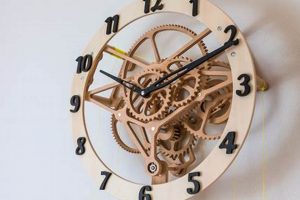
A collection of components and instructions designed for individuals to assemble a functional timepiece is classified as a do-it-yourself horological project. This typically includes a watch movement, dial, hands, case, and the necessary tools for assembly. As an example, a package might contain a pre-fabricated watch case, a quartz movement sourced from a reputable manufacturer, and a selection of watch hands allowing for a degree of customization.
Engaging with horology through self-assembly provides several benefits. It fosters an understanding of the intricate mechanisms within a timepiece. Moreover, it permits a level of personalization unattainable through purchasing pre-assembled watches. The practice also offers a cost-effective entry point into the world of watch collecting and modification. Historically, the ability to repair and assemble timekeeping devices was a common skill, and these projects revive that tradition.
The subsequent sections will delve into the specific components typically found within such projects, the tools necessary for successful assembly, and the potential modifications and customizations that can be undertaken to create a unique and personalized timekeeping instrument.
Essential Considerations for Horological Self-Assembly
Successful creation of a functional timepiece from a pre-packaged collection requires careful attention to detail and adherence to established best practices. The following considerations are crucial for achieving optimal results.
Tip 1: Component Verification: Prior to commencing assembly, verify the presence and condition of all components. Confirm that the movement is undamaged, the hands are free from imperfections, and the dial is aligned correctly. Discrepancies should be addressed with the supplier before proceeding.
Tip 2: Clean Workspace: Assemble the timepiece in a clean, well-lit environment. Dust and debris can compromise the movement’s functionality and aesthetics. A static-free mat is recommended to prevent electrical damage to sensitive components.
Tip 3: Hand Installation Precision: Exercise extreme caution when installing the watch hands. Applying excessive pressure can damage the movement or bend the delicate hands. Specialized hand-setting tools are recommended for precise placement.
Tip 4: Movement Handling: Handle the movement with care, avoiding direct contact with the delicate internal components. Fingerprints and oils can degrade the movement’s performance over time. Use tweezers designed for horological work.
Tip 5: Case Sealing: Ensure proper sealing of the watch case to protect the movement from moisture and dust. Inspect the gaskets for damage and replace if necessary. Apply a thin layer of silicone grease to the gaskets to enhance their sealing properties.
Tip 6: Screw Tightening: When securing the case back or other components with screws, avoid over-tightening. Over-tightening can strip the threads or damage the surrounding material. Use a torque screwdriver if available.
A diligent approach to these considerations will significantly increase the likelihood of a successful assembly, resulting in a functional and aesthetically pleasing timepiece. The utilization of correct tools, a clean environment, and careful technique are paramount.
The following section will explore the potential for customization and modification, allowing for the creation of a truly unique horological piece.
1. Component Sourcing

Component sourcing is a foundational element dictating the quality, reliability, and ultimate success of horological do-it-yourself projects. The origin and quality of the individual parts the movement, dial, hands, case, and associated hardware directly impact the finished timepiece’s functionality and longevity. For example, sourcing a quartz movement from a reputable manufacturer, such as ETA or Ronda, provides assurance of accurate timekeeping and extended operational life. Conversely, utilizing lower-quality, generic movements can lead to frequent malfunctions and a significantly reduced lifespan. Similarly, the material composition of the case and the robustness of the crystal affect the watch’s resistance to physical damage and environmental factors.
The selection of suppliers is a crucial decision point. Established vendors specializing in horological components offer a range of products with varying specifications and price points. These vendors often provide detailed technical specifications and warranties, allowing for informed decision-making. Conversely, sourcing components from less established or unregulated sources carries a heightened risk of receiving counterfeit or substandard parts. A case study involving a batch of counterfeit watch hands revealed that the luminova application was of poor quality and the base metal was prone to corrosion, ultimately rendering the finished watches unsalable. Therefore, establishing a reliable supply chain and conducting thorough quality control checks are essential aspects of successful DIY horology.
In summary, component sourcing represents a critical control point in the construction of a DIY timepiece. Prioritizing reputable suppliers, conducting due diligence on product specifications, and implementing quality assurance measures significantly mitigate the risk of encountering substandard components, thereby enhancing the likelihood of a functional, aesthetically pleasing, and durable finished product. Neglecting this aspect can lead to a cascade of issues, ultimately undermining the entire horological endeavor.
2. Movement Type

The movement type fundamentally defines the operating principle and quality of a do-it-yourself horological project. It determines accuracy, maintenance requirements, and perceived value of the completed timepiece. A quartz movement, characterized by battery-powered oscillations, offers precision and low maintenance. Conversely, a mechanical movement, either manual-winding or automatic, relies on intricate gear trains and a mainspring for power, demanding regular servicing and exhibiting potential variations in timekeeping accuracy. The choice directly impacts the complexity of assembly and the end user’s experience.
The selection of a specific movement type within a horological self-assembly undertaking introduces practical ramifications. A quartz movement simplifies the building process due to its self-contained nature. The focus shifts to aesthetics and case assembly, reducing the need for in-depth mechanical knowledge. An example involves individuals creating fashion-oriented watches utilizing readily available quartz movements and interchangeable straps. Mechanical movements necessitate meticulous handling and understanding of intricate mechanisms. Successfully assembling a mechanical project demands a higher level of technical expertise and specialized tools.
In summary, movement type exerts a profound influence
on the overall horological self-assembly project. It dictates the skill level required, the potential for long-term maintenance, and the final product’s inherent characteristics. Careful consideration of the intended use, desired accuracy, and available expertise is crucial when selecting a movement type for incorporation within a do-it-yourself timepiece construction.
3. Dial Customization
Dial customization constitutes a significant aspect of horological self-assembly, directly influencing the aesthetic appeal and perceived value of the finished timepiece. The dial serves as the visual centerpiece, impacting readability and imparting unique characteristics. The ability to modify this element through do-it-yourself methodologies allows for personalization beyond that offered by mass-produced watches. For instance, an individual may choose to incorporate a specific logo, utilize a particular color scheme, or apply custom indices to create a distinctive design. This customization can range from simple alterations, such as swapping out stock dials for aftermarket variants, to more complex modifications, like refinishing the dial surface or applying custom artwork. The causal relationship between dial customization and project satisfaction is often directly proportional; the greater the degree of personalization achieved, the higher the individual’s satisfaction with the completed project.
Several methods facilitate dial customization within the context of horological self-assembly. Pad printing allows for the application of intricate designs and text with precision. Adhesive decals offer a simpler alternative for adding logos or decorative elements. Hand-painting techniques provide the opportunity for bespoke artwork, although they require a high degree of skill. Laser engraving allows for the creation of recessed designs or markings on the dial surface. A practical example involves hobbyists employing waterslide decals to apply vintage-inspired logos to replacement dials, thereby replicating the appearance of classic timepieces. Conversely, skilled artisans might utilize hand-painting techniques to create miniature works of art on watch dials, transforming them into unique and highly valued objects. The selection of a particular customization method depends on the desired level of detail, the individual’s skill set, and the available resources.
In summary, dial customization offers a powerful means of personalizing horological self-assembly projects, enhancing their aesthetic appeal and intrinsic value. The process allows individuals to create unique timepieces that reflect their personal style and preferences. While dial customization techniques may vary in complexity and skill requirements, their successful application directly contributes to the creation of a distinctive and aesthetically pleasing final product. Challenges in dial customization often involve achieving precise alignment, ensuring proper adhesion of applied elements, and protecting the dial surface from damage during the modification process. Mastering these challenges is essential for realizing the full potential of dial customization within the realm of do-it-yourself horology.
4. Hand Selection
Within horological self-assembly, hand selection assumes a critical role in determining both the functional legibility and the aesthetic character of the completed timepiece. The hands serve as the primary interface for conveying temporal information, while simultaneously contributing significantly to the overall design. Therefore, careful consideration of hand style, size, material, and finish is paramount for achieving a successful outcome. In essence, the hands are not merely functional components; they are integral to the watch’s identity.
- Style and Legibility
The style of the hands directly impacts legibility, especially in varying lighting conditions. Baton hands, for example, offer a clean and modern aesthetic but may lack sufficient luminescence for optimal visibility in darkness. Conversely, syringe hands, often found in pilot watches, prioritize legibility with their high contrast and luminous fill. The choice depends on the intended use and the desired aesthetic. A dress watch may favor elegant, slender hands, while a sports watch necessitates robust and easily readable hands.
- Size and Proportion
The size and proportion of the hands must be carefully matched to the dial and movement. Hands that are too short will fail to reach the minute track, rendering the watch difficult to read accurately. Conversely, hands that are too long may overlap or interfere with other dial elements. The appropriate hand length is dictated by the dial’s diameter and the position of the minute and hour markers. Precision in hand sizing is crucial for both functionality and aesthetic harmony.
- Material and Finish
The material and finish of the hands contribute significantly to the overall aesthetic and perceived quality of the timepiece. Common materials include brass, steel, and aluminum, each offering distinct properties in terms of weight, durability, and corrosion resistance. Finishes can range from polished and brushed to blued and painted, allowing for a wide range of aesthetic possibilities. High-end watches often feature hands crafted from precious metals, such as gold or platinum, further enhancing their value and prestige. The selected material and finish should complement the overall design of the watch and contribute to its intended aesthetic.
- Luminescence and Functionality
The application of luminous material to the hands enhances their visibility in low-light conditions, a critical feature for many watch styles. Common luminous materials include Super-LumiNova and tritium, each offering distinct properties in terms of brightness and longevity. The choice of luminous material should be based on the intended use of the watch and the desired level of low-light visibility. Hands with insufficient luminescence may render the watch unusable in dark environments, while hands with excessive luminescence may be distracting or aesthetically unappealing. A balanced approach to luminescence is essential for optimal functionality.
The selection of appropriate hands is a multifaceted decision, requiring careful consideration of style, size, material, finish, and luminescence. When assembling a timepiece, the hands serve not only as functional components but also as critical elements of the overall design. A well-chosen set of hands can elevate a simple watch to a sophisticated and visually appealing instrument. Conversely, poorly chosen hands can detract from the watch’s overall aesthetic and compromise its functionality. Therefore, hand selection should be approached with diligence and a keen eye for detail.
5. Casing Material

The casing material in a do-it-yourself watch project directly affects the timepiece’s durability, aesthetic appeal, and overall functionality. The selection of a specific material dictates its resistance to scratches, corrosion, and impacts, thereby influencing its lifespan and suitability for various environments. For instance, stainless steel, a common choice, provides a balance of durability and affordability, o
ffering moderate resistance to corrosion and scratches. Titanium, while more expensive, presents superior strength-to-weight ratio and exceptional corrosion resistance, making it suitable for demanding applications. The interplay between the chosen material and the intended use case demonstrates a clear cause-and-effect relationship that is of primary importance in these projects.
Beyond durability, the casing material contributes significantly to the aesthetic character of the watch. The finish, whether polished, brushed, or coated, affects the watch’s visual appeal. Furthermore, the material influences the perceived quality and value of the final product. For example, a brass case, while relatively inexpensive, may develop a patina over time, imparting a vintage aesthetic. Conversely, a ceramic case offers a modern, scratch-resistant surface with a distinctive look. A steel watch case may have better functionality against a ceramic based on their pricing. Considering these parameters during the component selection process influences the final product.
In summary, the choice of casing material is a critical decision in horological self-assembly. It determines the watch’s durability, aesthetic appeal, and overall suitability for its intended purpose. Thorough understanding of the properties and characteristics of various materials is crucial for achieving a successful and satisfying final product. Improper selection can lead to premature wear, corrosion, and aesthetic dissatisfaction, negating the effort invested in the project. Prioritizing material properties in alignment with the intended use constitutes best practice in these projects.
6. Tool Requirements
The successful assembly of a do-it-yourself timepiece is inextricably linked to the availability and proper utilization of specialized tools. These instruments facilitate the precise manipulation of miniature components, ensuring functionality and aesthetic integrity. Inadequate tooling often leads to component damage, assembly errors, and a diminished final product.
- Screwdrivers
Horological screwdrivers, characterized by their small size and precision-ground blades, are essential for securing case components, movement retaining screws, and dial feet. Improper screwdrivers risk stripping screw heads, damaging delicate components, or imparting debris into the movement. For example, securing a watch case back requires properly sized screwdrivers to avoid scratching the case or damaging the screws.
- Tweezers
Fine-tipped tweezers are indispensable for handling small parts, such as watch hands, movement jewels, and screws. Non-magnetic tweezers are preferred to prevent magnetization of components, which can interfere with the movement’s operation. The precise placement of watch hands onto the movement arbor necessitates the use of specialized hand-setting tweezers.
- Hand Press and Setter
The secure and accurate installation of watch hands requires a hand press and accompanying hand-setting tools. These tools ensure proper alignment and prevent damage to the hands and movement arbor. Attempting to install hands without these tools often results in bent hands or a damaged movement.
- Case Opener
Accessing the internal components of a timepiece necessitates a case opener. Different case back styles (snap-on, screw-down) require specific types of openers. Improper case opening can damage the case back, scratch the case, or compromise the water resistance of the watch. Screw-down case backs frequently require a specialized wrench to avoid damaging the case.
- Movement Holder
A movement holder is important for securely holding the watch movement. It prevents movement from damaging during repair. It stabilizes the movement for tasks like cleaning, oiling, and regulating.
The aforementioned tooling represents a subset of the implements necessary for effective horological self-assembly. Access to appropriate tools, coupled with a degree of technical skill, significantly increases the probability of successfully completing a do-it-yourself timepiece. Conversely, reliance on improvised or inadequate tools often leads to unsatisfactory outcomes and potential damage to valuable components.
7. Assembly Technique

In the context of horological self-assembly projects, the Assembly Technique dictates the success and longevity of the completed timepiece. The methodology employed during the assembly process, encompassing precision, cleanliness, and adherence to established procedures, directly influences the watch’s functionality and aesthetic integrity. Failure to execute proper assembly techniques frequently results in malfunction, component damage, and a diminished lifespan.
- Component Handling Protocol
Component handling protocol emphasizes the proper manipulation of delicate watch parts. This necessitates the use of specialized tools, such as non-magnetic tweezers and finger cots, to prevent contamination and damage. For instance, improper handling of the hairspring in a mechanical movement can irrevocably alter its performance, rendering the watch inaccurate. Strict adherence to component handling best practices minimizes the risk of such occurrences.
- Dial and Hand Installation
Dial and hand installation requires precise alignment and careful pressure application. The dial must be centered within the case, and the hands must be securely mounted on the movement arbors without causing damage. Inadequate installation can result in hand misalignment, causing inaccurate timekeeping and aesthetic deficiencies. The use of specialized hand-setting tools is recommended to ensure proper fitment and prevent damage to the delicate hands.
- Case Sealing and Closure
Case sealing and closure protect the internal components from environmental contaminants, such as dust and moisture. This necessitates the proper seating of gaskets and the application of appropriate lubricants. Failure to adequately seal the case can lead to corrosion, movement malfunction, and reduced lifespan. Tightening the case back screws to the correct torque specification is crucial for ensuring a secure seal without damaging the case or screws.
- Movement Regulation and Testing
Movement regulation and testing verify the accuracy and functionality of the assembled timepiece. This involves adjusting the movement’s timing mechanism to achieve optimal timekeeping performance. Testing the watch for water resistance and shock resistance ensures its suitability for everyday wear. A properly regulated and tested watch exhibits consistent timekeeping accuracy and withstands the rigors of normal use.
The application of these assembly techniques is crucial for realizing the full potential of do-it-yourself horological projects. By prioritizing precision, cleanliness, and adherence to established procedures, the individual undertaking the assembly can create a functional, aesthetically pleasing, and durable timepiece. Conversely, neglecting these techniques often results in a compromised final product, characterized by reduced performance, diminished lifespan, and aesthetic imperfections.
Frequently Asked Questions
The subsequent section addresses common inquiries pertaining to the construction of timepieces through
the utilization of pre-packaged component collections.
Question 1: What level of technical skill is required to successfully assemble a timepiece?
The requisite skill level varies depending on the complexity of the project. Quartz movement assemblies typically demand less technical expertise than mechanical movement assemblies. However, meticulous attention to detail and manual dexterity are crucial regardless of the movement type.
Question 2: What is the typical cost associated with a horological self-assembly project?
The cost fluctuates depending on the quality of the components and the complexity of the design. Entry-level projects, utilizing basic quartz movements and readily available cases, may cost under $100. High-end projects, incorporating intricate mechanical movements and premium materials, can exceed several hundred dollars.
Question 3: Where can individuals source components for self-assembly projects?
Components are available from a variety of online retailers specializing in horological supplies. Reputable vendors provide detailed specifications and warranties, ensuring the quality and compatibility of the components. It is prudent to conduct thorough research before selecting a supplier.
Question 4: What types of tools are essential for a horological self-assembly project?
Essential tools include a set of precision screwdrivers, fine-tipped tweezers, a hand press for installing watch hands, a case opener, and a movement holder. Additional tools, such as a loupe and a demagnetizer, may be beneficial depending on the specific project.
Question 5: Is it possible to damage the movement during the assembly process?
Yes, improper handling of the movement can result in damage to delicate components. Exercise caution and adhere to established best practices to minimize the risk of damage. Refer to instructional materials and seek guidance from experienced horologists if necessary.
Question 6: What are the potential benefits of engaging in horological self-assembly?
Engaging in horological self-assembly fosters an understanding of the intricate mechanisms within a timepiece, permits a level of personalization unattainable through purchasing pre-assembled watches, and offers a cost-effective entry point into the world of watch collecting and modification.
Horological self-assembly offers a unique blend of craftsmanship and mechanical understanding. With careful planning and execution, a functional and aesthetically pleasing timepiece can be realized.
The subsequent section will explore potential modifications and customizations that can be undertaken to create a unique horological piece.
Conclusion
This exploration of the diy watch making kit has elucidated the various facets involved in constructing a functional timepiece from individual components. Key areas examined encompass component sourcing, movement selection, dial customization, hand selection, casing material, tooling requirements, and assembly techniques. The success of such a project hinges upon meticulous planning, adherence to best practices, and a foundational understanding of horological principles.
The practice of horological self-assembly offers a unique opportunity to engage with the intricate mechanisms of timekeeping. As technology advances and the availability of specialized components increases, the potential for further innovation and personalization within this realm remains significant. The future of horology may well see a resurgence of interest in handcrafted timepieces, driven by the desire for unique, personalized objects that reflect individual skill and creativity. Diligence and meticulous attention to detail will continue to be of paramount importance.