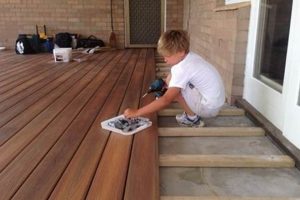
Constructing a raised outdoor platform using reclaimed wooden shipping components represents a resource-efficient approach to landscaping. These platforms, often employed to create patios or enhance existing outdoor spaces, utilize the readily available and often discarded materials for structural support and surface covering. The practice exemplifies sustainable building principles through the reuse of waste materials.
The appeal of this construction method lies in its potential for cost savings and customization. Utilizing pre-fabricated components minimizes the need for extensive lumber purchases. Furthermore, the modular nature of these elements allows for adaptable designs and relatively straightforward assembly. Historically, the repurposing of discarded materials for construction has been driven by economic necessity and a desire to minimize environmental impact, aligning with contemporary sustainability movements.
The subsequent sections will delve into the crucial aspects of design considerations, material selection, preparation techniques, construction methodology, and safety measures associated with building such outdoor structures. Each of these topics contributes to a comprehensive understanding of the process and ensures the creation of a safe and aesthetically pleasing outdoor feature.
Essential Considerations for Pallet Platform Construction
Successful creation of an outdoor platform with reclaimed wood components requires careful planning and meticulous execution. The following tips address key considerations to ensure structural integrity, longevity, and safety.
Tip 1: Pallet Assessment and Selection: Conduct a thorough inspection of each unit. Reject those exhibiting signs of rot, insect infestation, or chemical contamination. Prioritize heat-treated (HT) stamped units over those treated with methyl bromide (MB), a now-banned pesticide.
Tip 2: Structural Foundation Preparation: Ensure a level and well-drained base. Consider a gravel sub-base to promote drainage and inhibit weed growth. Proper leveling prevents structural stress and prolongs the platform’s lifespan.
Tip 3: Secure Fastening Methods: Employ exterior-grade screws and bolts for secure assembly. Predrill holes to prevent wood splitting. Properly fastened connections are crucial for overall stability and safety.
Tip 4: Weather Protection Measures: Apply a sealant or stain specifically designed for outdoor use. This will protect the wood from moisture damage, UV degradation, and fungal growth, extending the structure’s useful life.
Tip 5: Design for Load-Bearing Capacity: Account for the intended use and expected weight load. Reinforce areas prone to high stress, such as support beams and connection points. Over-engineering is preferable to structural failure.
Tip 6: Adherence to Local Building Codes: Research and comply with all applicable building codes and regulations. This may include permits, setback requirements, and safety standards. Non-compliance can result in fines or mandatory removal of the structure.
Tip 7: Regular Maintenance and Inspection: Conduct routine inspections for signs of wear, damage, or instability. Promptly address any issues to prevent further deterioration and maintain safety.
Implementing these considerations contributes to a robust, safe, and aesthetically pleasing outdoor platform constructed from reclaimed materials. Careful attention to detail throughout the planning and construction phases maximizes the structure’s value and longevity.
The subsequent sections will explore advanced techniques for enhancing the aesthetic appeal and functionality of these outdoor features.
1. Material Selection
The selection of reclaimed wood components constitutes a foundational element in the construction of an outdoor platform from recycled materials. The characteristics of the chosen wood directly impact the structural integrity, longevity, and overall aesthetic of the finished structure. Improper material selection can lead to premature failure, safety hazards, and increased maintenance requirements. For instance, the use of wood treated with chemicals unsafe for outdoor use can introduce toxins into the environment, posing risks to both humans and the surrounding ecosystem. Units exhibiting signs of decay or infestation will compromise the structural stability of the platform, potentially resulting in collapse under load.
The practical implications of careful material selection are significant. Prioritizing heat-treated (HT) components over those treated with methyl bromide, for example, mitigates the risk of exposure to harmful chemicals. Thorough inspection for rot, cracks, and insect damage allows for the rejection of compromised components, ensuring the use of structurally sound materials. Furthermore, categorizing components based on wood type and dimensions facilitates efficient construction and a more uniform final appearance. A platform constructed from consistently sized and structurally sound materials will exhibit greater stability and a more refined aesthetic.
In summary, the process of material selection is a critical determinant of the success of an outdoor platform project constructed from reclaimed shipping components. Diligent inspection, responsible sourcing, and an understanding of wood properties are essential for achieving a durable, safe, and aesthetically pleasing result. Challenges associated with material selection, such as sourcing sufficient quantities of suitable components, can be mitigated through careful planning and proactive engagement with local suppliers or recycling centers. Prioritizing quality and safety during the material selection phase is paramount to the overall success of the project.
2. Structural Design
The integrity of any platform constructed from repurposed shipping components is directly dependent on sound structural design principles. The design dictates the load-bearing capacity, stability, and overall safety of the structure. Insufficient consideration of structural elements can lead to catastrophic failure, resulting in property damage or personal injury. For example, a platform intended for use as a dining area must be designed to support the combined weight of the furniture, occupants, and any additional loads, such as planters or outdoor equipment. Without proper calculation and implementation of appropriate support structures, the platform may sag, warp, or collapse under stress. In contrast, a well-designed structure will distribute weight evenly, minimizing stress points and ensuring long-term stability. Furthermore, adequate spacing and sizing of support beams will prevent deflection and maintain a level surface.
Application of structural design principles in this context involves selecting suitable materials and employing appropriate construction techniques. Material choice directly impacts the load-bearing capabilities of th
e structure. Species of wood known for their strength and durability are preferable. Construction techniques, such as proper jointing and fastening methods, are equally critical. Insufficiently secured connections can weaken the entire structure. Consider, for instance, the importance of using exterior-grade fasteners to prevent corrosion and maintain structural integrity over time. Moreover, proper bracing and reinforcement of critical stress points contribute significantly to the platform’s overall stability. Real-world examples demonstrate that failures often occur at connection points due to inadequate fastening or improper joint construction.
In summary, structural design is a non-negotiable aspect of constructing a safe and durable platform using reclaimed shipping components. A thorough understanding of load-bearing principles, material properties, and appropriate construction techniques is essential. The practical significance of this understanding lies in preventing structural failures, ensuring user safety, and maximizing the lifespan of the structure. Challenges, such as adapting standardized designs to accommodate the unique dimensions of repurposed components, require careful planning and creative problem-solving. Ultimately, prioritizing structural integrity during the design and construction phases is paramount to the success of the project.
3. Surface Treatment
The application of protective coatings to a reclaimed wood platform is a critical factor influencing its longevity, aesthetic appeal, and resistance to environmental degradation. Surface treatment strategies directly affect the platform’s ability to withstand moisture, ultraviolet radiation, and physical wear, thereby extending its service life and maintaining its appearance. Selecting appropriate coatings and application methods are essential for maximizing the benefits of surface treatment.
- Water Resistance and Sealing
Application of water-resistant sealants prevents moisture penetration into the wood fibers, inhibiting rot and decay. Examples include penetrating oil finishes and film-forming sealers. Untreated wood exposed to the elements will absorb moisture, leading to swelling, warping, and ultimately, structural compromise. Properly sealed surfaces maintain dimensional stability and prevent the growth of mold and mildew.
- Ultraviolet (UV) Protection
UV radiation from sunlight degrades lignin, a component of wood, causing discoloration and surface damage. Coatings containing UV inhibitors, such as stains and paints, mitigate this effect. Unprotected wood will fade and become brittle over time, requiring more frequent maintenance and repair. Applying UV-resistant coatings preserves the wood’s natural color and prevents surface checking and cracking.
- Aesthetic Enhancement
Surface treatments can alter the color, texture, and sheen of the wood, enhancing its aesthetic appeal. Stains can highlight the grain pattern and add color, while paints provide a solid, opaque finish. Selecting a finish that complements the surrounding environment and personal preferences contributes to the overall satisfaction with the structure. The choice of finish impacts not only the initial appearance but also the long-term maintenance requirements and aesthetic durability.
- Protection Against Wear and Abrasion
Clear coatings, such as polyurethane, provide a durable layer that protects the wood surface from scratches, dents, and abrasion. This is particularly important in high-traffic areas or where furniture is frequently moved. Unprotected wood surfaces will show signs of wear more quickly, requiring refinishing or replacement. A durable surface treatment maintains the platform’s appearance and reduces the need for frequent repairs.
Integrating these surface treatment considerations into the construction and maintenance of a reclaimed wood platform is essential for maximizing its lifespan and aesthetic value. Selecting appropriate coatings based on environmental conditions, intended use, and aesthetic preferences ensures a durable, attractive, and long-lasting outdoor feature. Neglecting surface treatment significantly reduces the platform’s resistance to environmental stressors and accelerates its deterioration, ultimately diminishing its value and requiring more frequent and costly repairs.
4. Foundation Stability
Foundation stability is a critical determinant of the structural integrity and longevity of any outdoor platform constructed from reclaimed shipping components. The substructure upon which the platform rests must provide adequate support, drainage, and resistance to environmental factors to ensure the long-term viability of the project.
- Load Distribution and Support
A stable foundation ensures uniform distribution of weight across the entire platform surface. This prevents localized stress concentrations that could lead to sagging, warping, or collapse. For example, a platform resting directly on uneven ground will experience concentrated pressure points, causing the supporting elements to deform over time. A properly prepared base, such as a gravel bed or concrete piers, distributes the load more evenly, reducing stress on individual components.
- Drainage and Moisture Control
Effective drainage is essential for preventing moisture accumulation beneath the platform, which can promote wood rot and insect infestation. A well-drained foundation, such as a layer of compacted gravel, allows water to dissipate quickly, minimizing contact with the wood. Standing water beneath the platform can also create a breeding ground for mosquitoes and other pests, compromising the usability and enjoyment of the outdoor space.
- Resistance to Ground Movement
The ground beneath a platform is subject to movement due to factors such as frost heave, soil expansion, and settling. A stable foundation must be able to withstand these movements without compromising the structural integrity of the platform. Concrete piers extending below the frost line, for example, provide a solid anchor that resists upward movement caused by freezing soil. In areas prone to seismic activity, additional reinforcement and anchoring may be necessary to prevent damage.
- Weed Control and Pest Management
A properly prepared foundation can also serve as a barrier against weed growth and pest intrusion. Landscape fabric or a layer of crushed stone beneath the platform can inhibit weed germination, reducing the need for ongoing maintenance. Additionally, a physical barrier can deter rodents and insects from burrowing beneath the platform and causing damage to the wood structure. Regular inspection and maintenance are necessary to ensure the continued effectiveness of these measures.
In conclusion, a stable foundation is not merely an optional feature but a fundamental requirement for a successful platform built from reclaimed shipping components. The long-term performance, safety, and aesthetic appeal of the platform are directly dependent on the quality and stability of its foundation. Overlooking this crucial aspect can lead to costly repairs, premature failure, and potential safety hazards.
5. Fastening Security
The structural integrity of any outdoor platform assembled from reclaimed shipping components is intrinsically linked to the security of its fastening methods. The connections between individual pieces of wood must be robust enough to withstand the forces of gravity, weather, and usage. Inadequate fastening results in a weakened structure, increasing the risk of collapse or premature deterioration. Assembled decking, for example, intended for outdoor dining necessitates stable connections to prevent shifting or separation of the wood under the weight of furniture and occupants. The selection of appropriate fasteners and the implementation of correct installation techniques represent critical aspects of platform construction.
The choice of fasteners, including screws, bolts, and nails, should be predicated on the specific requirements of the project and the characteristics of the wood being used. Exterior-grade fasteners are essential to resist corrosion and degradation caused by exposure to moisture and the elements. Pre-drilling pilot holes before inserting screws or nails prevents the wood from splitting, thereby maintaining the integrity of the connection. Furthermore, the spacing and pattern of fasteners significantly impact the overall strength and stability of the platform. Insufficient fasteners or improperly spaced connections create weak points that are susceptible to failure under stress. Examples of real-world applications highlight the importance of fastening security. Outdoor structures damaged by high winds frequently exhibit failures at connection points due to inadequate or improperly installed fasteners.
In summary, fastening security is a non-negotiable element in the creation of a safe and durable outdoor platform using reclaimed shipping components. The use of appropriate materials, correct installation techniques, and regular inspection are crucial for ensuring the long-term stability and safety of the structure. While cost considerations may tempt some to compromise on fastener quality or installation procedures, the potential consequences of a structural failure far outweigh any short-term savings. Prioritizing fastening security throughout the design and construction phases is paramount to the success of the project.
6. Code Compliance
Adherence to local building codes represents a crucial, and often overlooked, aspect of constructing a platform from reclaimed shipping components. Failure to comply with applicable regulations can result in fines, mandatory removal of the structure, or, more seriously, safety hazards for users.
- Permitting Requirements
Many municipalities require permits for the construction of any structure exceeding a certain size or height. This process ensures that the design meets minimum safety standards and is consistent with local zoning regulations. Erecting a platform without obtaining the necessary permits can lead to legal repercussions and potential structural deficiencies. For instance, exceeding allowable setback distances from property lines can result in the forced relocation of the platform. Proper due diligence and communication with local authorities are necessary to navigate the permitting process successfully.
- Structural Load Requirements
Building codes often specify minimum load-bearing requirements for decks and platforms, dictating the size and spacing of support beams, joists, and footings. These requirements are designed to ensure that the structure can safely support the anticipated weight of occupants, furniture, and environmental loads such as snow. Failure to meet these requirements can result in structural failure and potential injury. A platform constructed with undersized support beams, for example, may sag or collapse under excessive weight.
- Guardrail and Handrail Specifications
Most building codes mandate the installation of guardrails and handrails on platforms that are a certain height above the ground. These safety features are designed to prevent falls and injuries. Specifications typically include minimum height requirements, spacing between balusters, and load-bearing capacity. A platform lacking adequate guardrails, or with guardrails that do not meet code specifications, poses a significant safety risk, especially for children and the elderly. Ensuring compliance with these requirements is critical for preventing accidents and protecting users.
- Material Specifications and Safety Standards
Building codes may restrict the types of materials that can be used in outdoor construction, particularly in areas subject to fire hazards or extreme weather conditions. For example, some jurisdictions may prohibit the use of untreated wood or require the use of fire-resistant materials in certain applications. Reclaimed shipping components must be carefully inspected to ensure that they meet applicable safety standards. Additionally, codes may regulate the use of hazardous materials, such as lead paint or treated wood containing harmful chemicals. Adhering to these material specifications is essential for protecting public health and safety.
The multifaceted nature of building codes necessitates a thorough understanding of local regulations before commencing construction of an outdoor platform. Neglecting code compliance can have serious consequences, ranging from financial penalties to structural failures and personal injuries. A proactive approach, involving consultation with local building officials and adherence to established safety standards, is essential for ensuring a successful and compliant platform project.
Frequently Asked Questions
The following questions address common concerns and considerations associated with constructing an outdoor platform from reclaimed shipping components. The answers provide factual information based on established construction practices and safety standards.
Question 1: What are the primary risks associated with using reclaimed shipping components for outdoor construction?
Potential risks include exposure to harmful chemicals, structural instability due to hidden damage, and non-compliance with building codes. Thorough inspection and proper preparation can mitigate these risks.
Question 2: How can I determine if a unit is safe for use in a platform?
Inspect each unit for signs of rot, insect infestation, chemical contamination, and structural damage. Prioritize heat-treated (HT) stamped units and avoid those treated with methyl bromide (MB).
Question 3: What type of foundation is recommended for a platform constructed from recycled materials?
A level and well-drained base is essential. Options include a compacted gravel bed, concrete piers, or a combination of both, depending on soil conditions and local climate.
Question 4: What types of fasteners should be used to assemble a platform?
Exterior-grade screws and bolts are recommended for their resistance to corrosion. Predrilling pilot holes prevents wood splitting and ensures secure connections.
Question 5: How can I protect a platform from the elements and extend its lifespan?
Apply a sealant or stain specifically designed for outdoor use. Regular maintenance, including cleaning and re-application of the sealant, is also essential.
Question 6: Are there any building codes or regulations that apply to platform construction? strong>
Local building codes may regulate the size, height, location, and structural requirements of platforms. Consult with local authorities to ensure compliance before commencing construction.
Careful planning, diligent execution, and adherence to established construction principles are essential for creating a safe, durable, and aesthetically pleasing outdoor platform from reclaimed materials.
The concluding section will summarize the key takeaways and provide a final perspective on the construction of a platform from reclaimed shipping components.
Concluding Assessment
The preceding analysis has elucidated critical facets of outdoor platform construction utilizing reclaimed shipping components. Design considerations, material selection, structural integrity, surface treatment, foundation stability, fastening security, and code compliance represent integral elements influencing the project’s overall success. Attention to these details is paramount.
The utilization of reclaimed materials presents both opportunities and challenges. Careful planning and execution are necessary to mitigate risks and ensure the creation of a safe, durable, and aesthetically pleasing outdoor feature. Responsible construction practices are strongly encouraged, emphasizing sustainable resource management and adherence to all applicable regulations.