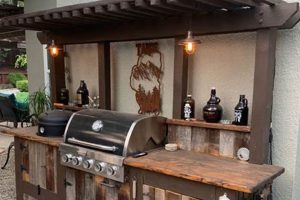
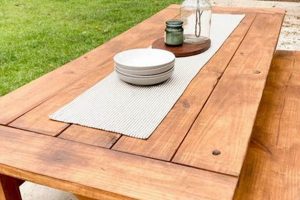
A do-it-yourself outdoor furniture collection intended for placement on a patio involves the construction of seating, tables, and related furnishings by the individual end-user, rather than purchasing pre-assembled items. Such a collection might include chairs made from repurposed pallets, a table built from reclaimed wood, and benches constructed from concrete blocks and lumber.
Creating one’s own outdoor furniture offers several advantages, including cost savings, customization options, and the potential for environmentally conscious material reuse. Historically, self-sufficiency and resourcefulness have driven individuals to create their own furnishings, reflecting both economic necessity and a desire for unique design elements not readily available commercially. Furthermore, the process of construction can be a personally rewarding activity.
The subsequent sections will delve into specific material choices suitable for exterior use, design considerations for ensuring both aesthetic appeal and structural integrity, and essential construction techniques necessary for assembling durable and weather-resistant outdoor furniture suitable for patio environments.
Essential Considerations for Self-Constructed Outdoor Patio Furnishings
The following guidelines are provided to assist in the successful design and construction of durable and aesthetically pleasing outdoor patio furniture.
Tip 1: Material Selection: Prioritize weather-resistant materials. Untreated wood is susceptible to rot and insect damage. Consider using cedar, redwood, or pressure-treated lumber. Metal components should be galvanized or powder-coated to prevent corrosion. For fabrics, opt for outdoor-rated textiles that resist fading and mildew.
Tip 2: Structural Integrity: Ensure adequate support and joinery. Weak joints can lead to premature failure. Employ robust joinery techniques such as mortise and tenon, dovetails, or strong screw connections. Consider the weight-bearing capacity of the furniture and reinforce accordingly.
Tip 3: Ergonomic Design: Prioritize comfort and functionality. Design seating with appropriate seat height, depth, and back support. Consider the angles of chair backs and the overall proportions of the furniture to ensure comfortable use.
Tip 4: Weather Protection: Apply appropriate finishes. Exterior-grade paints, stains, and sealants protect wood from moisture and UV damage. Regular application of these finishes is crucial for longevity. Consider adding covers or storing furniture indoors during inclement weather.
Tip 5: Accurate Measurements: Meticulous planning and accurate measurements are paramount. Create detailed plans and cutting lists before commencing construction. Double-check all measurements to minimize errors and waste of materials.
Tip 6: Safety Precautions: Adhere to safety guidelines. Wear appropriate safety gear, including eye protection, gloves, and respiratory protection when cutting, sanding, or applying finishes. Ensure a well-ventilated workspace to prevent inhalation of harmful fumes.
Tip 7: Consider the Environment: Source materials responsibly. Utilize reclaimed wood or sustainable lumber whenever possible. Properly dispose of waste materials and recycle whenever feasible. Choose environmentally friendly finishes and treatments.
Adherence to these principles will enhance the durability, aesthetic appeal, and overall value of self-constructed outdoor patio furnishings, resulting in a functional and enjoyable outdoor living space.
The subsequent section will address specific project ideas and detailed construction plans for various types of outdoor patio furniture.
1. Material Durability

Material durability constitutes a critical factor in the successful construction and longevity of do-it-yourself outdoor patio furniture. The selection of appropriate materials directly influences the furniture’s resistance to environmental stressors, thereby determining its service life and overall value. The capacity of materials to withstand exposure to moisture, ultraviolet radiation, temperature fluctuations, and biological degradation is paramount.
- Resistance to Moisture Intrusion
Wood, a common material choice, is susceptible to rot and decay when exposed to prolonged moisture. Untreated wood absorbs water, creating a favorable environment for fungal growth and insect infestation. Therefore, selecting naturally rot-resistant woods, such as cedar or redwood, or employing pressure-treated lumber is crucial. Alternatively, the use of non-porous materials like recycled plastics or powder-coated metals mitigates the risk of water damage.
- Ultraviolet (UV) Degradation
Extended exposure to sunlight can degrade many materials, causing fading, cracking, and embrittlement. Plastics, in particular, are vulnerable to UV degradation. Using UV-stabilized plastics or applying UV-resistant coatings to wooden surfaces can significantly extend the lifespan of the furniture. Fabric components should also be made from UV-resistant materials to prevent fading and weakening of the fibers.
- Resistance to Temperature Fluctuations
Outdoor furniture is subjected to a wide range of temperatures, from freezing conditions to intense heat. Materials must be able to withstand these fluctuations without cracking, warping, or becoming brittle. Metals can expand and contract with temperature changes, potentially loosening joints. Wood can warp and crack due to moisture absorption and evaporation caused by temperature variations. Careful selection of materials and appropriate construction techniques can minimize these effects.
- Resistance to Biological Degradation
In addition to fungal decay, outdoor furniture can be subject to damage from insects, such as termites and carpenter ants. Selecting insect-resistant materials or applying protective coatings can prevent infestation. Regular inspection and maintenance can also help to identify and address any signs of biological degradation early on.
The durability of materials chosen for do-it-yourself outdoor patio furniture directly correlates with its long-term performance and aesthetic appeal. Careful consideration of the factors outlined above, coupled with appropriate material selection and construction techniques, will result in a durable and enjoyable outdoor living space.
2. Structural Integrity

Structural integrity is paramount in the design and construction of do-it-yourself outdoor patio furniture. It ensures the furniture’s ability to withstand applied loads, environmental stresses, and prolonged use without failure or compromise of its intended function. This is not merely an aesthetic consideration but a fundamental requirement for safety and longevity.
- Joint Strength and Stability
The strength and stability of joints are critical to overall structural integrity. Joints connect individual components, transferring loads and resisting deformation. Inadequate joinery can result in weakened connections, leading to instability, sagging, or eventual collapse. Examples include mortise-and-tenon joints, dovetail joints, and properly executed screw or bolt connections. The selection of appropriate joinery techniques depends on the materials used and the anticipated loads.
- Load Distribution and Support
Effective load distribution ensures that weight is evenly distributed throughout the structure, minimizing stress concentrations. Adequate support elements, such as legs, frames, and cross-bracing, are essential for maintaining stability and preventing localized failures. The placement and design of these support elements must be carefully considered to accommodate the anticipated loads and stresses. A poorly designed support system can lead to bending, cracking, or complete structural failure.
- Material Properties and Selection
The inherent properties of the materials used directly influence structural integrity. The selection of materials with appropriate strength, stiffness, and durability is crucial. For example, using undersized or low-grade lumber can compromise the structural integrity of the furniture, leading to premature failure. Similarly, using corrosion-prone fasteners can weaken joints over time. Careful consideration of material properties and their compatibility is essential for ensuring long-term structural stability.
- Resistance to Environmental Factors
Outdoor furniture is subjected to a variety of environmental factors, including moisture, temperature fluctuations, and ultraviolet radiation. These factors can degrade materials and weaken joints over time, compromising structural integrity. The application of protective coatings, such as sealants and paints, can mitigate the effects of environmental exposure. Regular maintenance and inspection are also essential for identifying and addressing any signs of deterioration before they lead to structural failure.
The long-term performance of self-constructed outdoor patio furnishings is inextricably linked to their structural integrity. Prioritizing robust design principles, meticulous construction techniques, and appropriate material selection will contribute significantly to the safety, durability, and overall value of the finished product.
3. Ergonomic Design

Ergonomic design principles are critical considerations in the planning and execution of a do-it-yourself outdoor patio furniture set. The application of ergonomics focuses on optimizing human well-being and overall system performance by aligning design features with the physical and cognitive capabilities of the user. This approach ensures comfort, reduces strain, and promotes a positive user experience within the outdoor living space.
- Seat Height and Depth
The dimensions of seating elements directly impact user comfort and posture. Seat height should allow for feet to rest comfortably on the ground with knees at a 90-degree angle, promoting proper circulation and reducing lower back strain. Seat depth should provide adequate support for the thighs without placing pressure on the back of the knees. For example, a seat height that is too low can cause excessive squatting, while excessive seat depth may lead to slouching. Proper consideration of these dimensions is crucial for prolonged comfort.
- Back Support and Lumbar Alignment
Adequate back support is essential for maintaining proper spinal alignment and preventing back pain. Chairs and benches should incorporate lumbar support that conforms to the natural curvature of the lower back. The angle and height of the backrest should be adjustable or carefully designed to accommodate a range of body types. Insufficient back support can lead to slouching and strain on the spinal muscles, resulting in discomfort and potential long-term health issues.
- Armrest Placement and Height
Armrests provide support for the arms and shoulders, reducing muscle fatigue and promoting relaxation. The height of armrests should allow for the shoulders to remain relaxed and the elbows to rest comfortably at a 90-degree angle. Placement should be conducive to activities such as reading or dining. Improper armrest placement can lead to shoulder strain and discomfort, particularly during extended periods of use.
- Table Height and Reach
The height of tables within the patio set should be appropriate for the intended activities, such as dining or socializing. Table height should allow for comfortable reaching and interaction without requiring excessive bending or stretching. The distance between seating and the table surface should be optimized to minimize strain on the neck and shoulders. Inadequate table height or reach can lead to discomfort and reduced enjoyment of the outdoor space.
The integration of ergonomic design principles into the construction of a do-it-yourself outdoor patio set maximizes user comfort, reduces the risk of physical strain, and enhances the overall functionality of the outdoor living space. Thoughtful consideration of these elements contributes to a more enjoyable and sustainable outdoor experience.
4. Weather Resistance

Weather resistance is a critical attribute directly influencing the longevity and usability of a self-constructed outdoor patio set. The inherent vulnerability of many common building materials to environmental elements necessitates careful consideration during the design and construction phases. Failure to address weather resistance can result in accelerated degradation, structural instability, and ultimately, the premature failure of the furniture. The interaction of moisture, ultraviolet radiation, temperature fluctuations, and biological agents creates a harsh environment for outdoor furnishings.
The practical significance of weather resistance is evident in several key areas. Untreated wood exposed to rain and humidity is susceptible to rot and fungal decay, leading to structural weakening and potential collapse. Fabrics that lack UV protection will fade and degrade when exposed to sunlight, diminishing their aesthetic appeal and functionality. Metal components not properly protected from corrosion will rust, compromising their structural integrity. Therefore, selecting weather-resistant materials, applying protective coatings, and implementing appropriate construction techniques are essential for mitigating these risks. For example, using pressure-treated lumber for the frame, outdoor-rated fabric for cushions, and galvanized or powder-coated fasteners can significantly enhance the weather resistance of a patio set.
Successfully integrating weather resistance into a do-it-yourself outdoor patio set requires a proactive approach that encompasses material selection, design considerations, and ongoing maintenance. While inherent material properties provide a baseline level of protection, supplemental treatments, such as sealants and water repellents, extend the lifespan and maintain the aesthetic appeal of the furniture. Addressing the challenges posed by weather requires a comprehensive strategy that balances cost, aesthetics, and long-term durability, ultimately ensuring a functional and enjoyable outdoor living space.
5. Cost Efficiency

The pursuit of cost efficiency represents a primary driver for individuals undertaking the construction of do-it-yourself outdoor patio furniture. This objective stems from a desire to obtain functional and aesthetically pleasing outdoor furnishings while minimizing financial expenditure. Achieving this requires careful consideration of material selection, design complexity, and labor allocation.
- Material Sourcing and Procurement
The cost of raw materials represents a significant portion of the overall expense. Sourcing materials from reclaimed or recycled sources can substantially reduce costs compared to purchasing new materials. For example, utilizing reclaimed wood pallets or repurposed metal components can provide significant savings. Furthermore, comparative shopping across multiple suppliers and leveraging bulk purchasing discounts can further enhance cost efficiency. The selection of cost-effective, yet durable, materials such as pressure-treated lumber can also contribute to long-term savings by minimizing the need for frequent repairs or replacements.
- Labor and Skill Requirements
Do-it-yourself construction eliminates the need for professional labor, which can represent a substantial expense in commercially produced furniture. However, the undertaking requires a certain level of skill and time commitment. Assessing one’s own capabilities and realistically estimating the time required to complete the project is crucial. Simpler designs that minimize intricate joinery or complex construction techniques can significantly reduce the labor investment and the potential for costly errors. Conversely, attempting overly ambitious projects without adequate skills can lead to material waste and ultimately increase the overall cost.
- Tool Investment and Utilization
The construction of outdoor patio furniture typically requires a range of tools, some of which may not be readily available. A careful assessment of the necessary tools and their associated costs is essential. Borrowing or renting specialized tools can be a cost-effective alternative to purchasing them outright. Furthermore, maximizing the utilization of existing tools and minimizing the need for specialized equipment can further enhance cost efficiency. The long-term cost of tool acquisition should be factored into the overall project budget.
- Design Optimization and Simplification
Complex designs often require more materials, specialized tools, and increased labor investment, thereby increasing the overall cost. Simplifying the design and opting for more straightforward construction techniques can significantly reduce expenses. For example, choosing a simple rectangular table design over a more elaborate curved design can save on both material costs and construction time. Optimizing the design to minimize material waste and maximize structural efficiency can further enhance cost effectiveness. A well-planned and streamlined design is essential for achieving cost efficiency.
Successfully implementing cost-efficient strategies in a do-it-yourself outdoor patio furniture project requires a holistic approach encompassing careful material sourcing, realistic assessment of labor requirements, prudent tool investment, and design optimization. By meticulously addressing these factors, individuals can significantly reduce the overall cost of their outdoor furnishings while still achieving a functional and aesthetically pleasing result.
6. Customization Options
The inherent flexibility within a do-it-yourself outdoor patio set construction lies in its extensive customization possibilities. This feature directly addresses the limitations of mass-produced furniture, where standard designs may not align with specific spatial requirements, aesthetic preferences, or functional needs. The ability to tailor dimensions, materials, finishes, and design elements constitutes a primary advantage for individuals undertaking such projects. Customization, therefore, is not merely an added benefit but a core characteristic driving the appeal and practical value of self-made patio furnishings.
The impact of customization is multifaceted. For instance, individuals with unusually shaped patios can construct furniture that precisely fits the available space, maximizing utilization and avoiding the wasted area often associated with pre-fabricated sets. Material choices can be tailored to match existing architectural styles or reflect personal aesthetic preferences, such as opting for reclaimed wood for a rustic appearance or using specific paint colors to complement the surrounding landscape. Furthermore, functional adaptations, such as incorporating storage compartments within benches or adjusting table heights to accommodate specific activities, enhance the utility and convenience of the furniture. A homeowner might, for example, integrate a built-in cooler into a side table for outdoor entertaining. These examples illustrate how customization transforms generic furniture into personalized, highly functional elements of an outdoor living space.
In conclusion, the connection between customization options and the DIY patio set is vital. It transforms a generic project into a tailored outdoor living solution. While challenges exist in achieving precise dimensions and professional-grade finishes, the opportunity to create unique, functional pieces that perfectly match individual needs and preferences underscores the inherent value and appeal of this approach. The ability to personalize aspects such as size, material, and features distinguishes it from mass-produced options, establishing a stronger sense of ownership and satisfaction.
7. Environmental Impact
The construction of do-it-yourself outdoor patio furniture carries significant environmental implications that merit careful consideration. The selection of materials, construction techniques, and disposal methods directly influence the ecological footprint of such projects, making it crucial to adopt sustainable practices.
- Material Sourcing and Depletion
The extraction and processing of raw materials, such as wood, metal, and plastics, can lead to deforestation, habitat destruction, and resource depletion. Utilizing reclaimed or recycled materials, such as reclaimed wood, recycled plastics, or salvaged metal components, minimizes the demand for virgin resources and reduces the environmental impact associated with extraction and manufacturing. Prioritizing sustainably harvested lumber from certified sources also helps to mitigate deforestation. The environmental cost of material sourcing is a key factor in assessing the overall ecological footprint.
- Waste Generation and Disposal
Construction projects inevitably generate waste, including offcuts, packaging materials, and discarded components. Improper disposal of these materials can contribute to landfill congestion and environmental pollution. Implementing waste reduction strategies, such as careful planning to minimize material waste and recycling or repurposing leftover materials, can significantly reduce the environmental impact. Proper disposal of hazardous materials, such as paints, stains, and adhesives, is also essential to prevent soil and water contamination. The lifecycle of the furniture, including its eventual disposal, must be considered.
- Chemical Emissions and Pollution
The application of paints, stains, sealants, and adhesives can release volatile organic compounds (VOCs) into the atmosphere, contributing to air pollution and potentially posing health risks. Selecting low-VOC or zero-VOC products minimizes these emissions. Similarly, the use of chemical preservatives and treatments can leach harmful substances into the soil and water. Choosing environmentally friendly alternatives, such as natural oils and waxes, can reduce the risk of pollution. The chemical footprint of the construction process should be carefully evaluated.
- Transportation and Energy Consumption
The transportation of materials and tools to the construction site consumes energy and generates greenhouse gas emissions. Sourcing materials locally can reduce transportation distances and associated emissions. Utilizing energy-efficient tools and minimizing unnecessary travel can also help to reduce the environmental impact. The energy consumption associated with the construction process should be minimized where possible.
The environmental impact of constructing do-it-yourself outdoor patio furniture can be significantly reduced by adopting sustainable practices throughout the entire project lifecycle. Prioritizing reclaimed or recycled materials, minimizing waste generation, selecting low-VOC products, and reducing transportation distances can contribute to a more environmentally responsible approach, aligning with broader sustainability goals and minimizing the ecological footprint of outdoor living spaces.
Frequently Asked Questions
This section addresses common inquiries and concerns regarding the design, construction, and maintenance of self-made outdoor patio furniture.
Question 1: What are the primary advantages of constructing a do-it-yourself outdoor patio set compared to purchasing a commercially manufactured one?
Construction of a self-made patio set allows for customization to specific spatial requirements and aesthetic preferences. Furthermore, it can offer cost savings through the utilization of reclaimed materials and the elimination of labor expenses. The process may also provide a personally rewarding experience.
Question 2: Which materials are best suited for outdoor use in a do-it-yourself patio set to ensure durability and weather resistance?
Optimal material choices include naturally rot-resistant woods such as cedar and redwood, pressure-treated lumber, recycled plastics, and powder-coated metals. Outdoor-rated fabrics should be utilized for cushions and upholstery.
Question 3: What are the most critical factors to consider to ensure the structural integrity of a do-it-yourself outdoor patio furniture set?
Emphasis should be placed on robust joint construction, adequate load distribution, and the selection of materials with appropriate strength and stiffness. Careful attention to these aspects will mitigate the risk of structural failure.
Question 4: How can one minimize the environmental impact associated with building a do-it-yourself outdoor patio set?
Employing reclaimed or recycled materials, minimizing waste generation through careful planning, selecting low-VOC finishes, and sourcing materials locally are effective strategies for reducing the environmental footprint.
Question 5: What safety precautions should be observed during the construction of a do-it-yourself outdoor patio set?
Eye protection, gloves, and respiratory protection should be worn when cutting, sanding, or applying finishes. A well-ventilated workspace is essential to prevent inhalation of harmful fumes. Adherence to all power tool safety guidelines is mandatory.
Question 6: How should a do-it-yourself outdoor patio set be maintained to maximize its lifespan?
Regular cleaning to remove dirt and debris, application of protective coatings to prevent moisture damage and UV degradation, and prompt repair of any structural damage are crucial maintenance practices. Covering the furniture during inclement weather can also prolong its lifespan.
These FAQs highlight the key considerations for a successful do-it-yourself outdoor patio set project. Planning, material selection, and construction practices determine the outcome and contribute to the long-term enjoyment of the finished product.
The subsequent section will provide project ideas and step-by-step instructions for constructing various types of outdoor patio furniture.
Conclusion
This exploration of “diy outdoor patio set” construction has underscored the multifaceted nature of such projects. Success depends on a careful synthesis of material selection, structural considerations, ergonomic design, and environmental awareness. Cost efficiency and customization, while attractive benefits, demand meticulous planning and execution. Neglecting any of these critical elements increases the risk of compromised structural integrity, reduced lifespan, and potential environmental harm.
The decision to undertake a self-constructed outdoor patio arrangement should be approached with diligence and a clear understanding of the inherent challenges. While the potential rewards are significant, the ultimate success hinges upon a commitment to quality craftsmanship and a responsible approach to resource utilization. Continued research and adherence to established best practices are essential for ensuring a durable, aesthetically pleasing, and environmentally sound outcome.