The practice of crafting picture enclosures from decorative trim elements offers a personalized and cost-effective approach to displaying art or photographs. This construction method involves selecting moulding profiles, accurately cutting them to size, joining the pieces to create a rectangular or square form, and securing the artwork within the resultant structure. For example, individuals may choose ornate crown moulding to create a more elaborate display for a formal portrait, or opt for simple, minimalist trim for a contemporary photograph.
Creating enclosures using this method provides several advantages. It allows for complete customization of size, style, and finish, ensuring the presentation complements both the artwork and the surrounding decor. Historically, handcrafted enclosures have been viewed as an extension of the artwork itself, adding value and contributing to the overall aesthetic. Furthermore, this method can be significantly more economical than purchasing pre-made enclosures, especially when dealing with non-standard sizes or unique design requirements.
The following sections will delve into the specific tools and materials required for constructing these customized enclosures, explore various techniques for achieving precise cuts and secure joints, and provide guidance on selecting appropriate finishes to enhance the appearance and longevity of the finished product.
Crafting Excellence
This section provides actionable advice for achieving superior results when constructing enclosures from decorative trim. Adhering to these principles will enhance both the structural integrity and the aesthetic appeal of the finished product.
Tip 1: Precise Measurement is Paramount: Accurate measurements are critical to achieving perfectly aligned corners. Utilize a high-quality measuring tape and double-check all dimensions before cutting any material.
Tip 2: Employ a Miter Saw with a Fine-Tooth Blade: A miter saw equipped with a blade designed for fine woodworking ensures clean, accurate cuts, minimizing splintering and improving the fit of the joints.
Tip 3: Utilize a Miter Gauge for Consistent Angles: A miter gauge, whether integrated into the saw or a separate tool, facilitates the creation of consistent 45-degree angles for seamless corner joints.
Tip 4: Reinforce Joints with Wood Glue and Clamps: Apply a high-quality wood glue to all mating surfaces and secure the joints with clamps until the adhesive has fully cured. This strengthens the enclosure and prevents separation over time.
Tip 5: Consider Biscuit Joints or Dowels for Enhanced Stability: Integrating biscuit joints or dowels into the corners adds significant strength and rigidity to the overall structure. This is particularly beneficial for larger enclosures.
Tip 6: Sand All Surfaces Smoothly Before Finishing: Thorough sanding, using progressively finer grits of sandpaper, creates a smooth, uniform surface that is ideal for accepting paint, stain, or other finishes.
Tip 7: Select a Finish Complementary to the Artwork: Choose a finish that complements the style and color palette of the enclosed artwork. Consider factors such as sheen and undertones to achieve the desired aesthetic effect.
By prioritizing precision, employing appropriate tools, and adhering to sound construction techniques, the resulting decorative trim enclosure will not only showcase the artwork effectively but also stand as a testament to craftsmanship and attention to detail.
The following sections will address specific finishing techniques, focusing on achieving professional-quality results and ensuring the long-term preservation of both the enclosure and the artwork within.
1. Moulding Profile Selection
The choice of moulding profile is fundamental to the aesthetic outcome of any enclosure constructed from decorative trim. It dictates the visual style, perceived value, and overall impact of the presentation, directly influencing the perceived quality of the final “diy moulding frame” project.
- Architectural Style and Period Compatibility
Selecting a moulding profile compatible with the architectural style of the artwork or the intended display environment is crucial. For example, a classical painting may benefit from ornate, period-appropriate moulding, while a modern photograph may be better suited to minimalist, contemporary profiles. A mismatch can detract from both the artwork and the surrounding decor.
- Material and Finish Considerations
The material and finish of the moulding profile influence its durability and aesthetic appeal. Solid wood mouldings offer superior strength and can be stained or painted to match any desired color. Composite materials, such as MDF, provide a cost-effective alternative but may require careful preparation for finishing. The chosen finishmatte, semi-gloss, or glossaffects the perceived value and visual impact of the “diy moulding frame”.
- Scale and Proportion to the Artwork
The size and proportion of the moulding profile should be carefully considered in relation to the dimensions of the artwork. A profile that is too large can overwhelm the artwork, while one that is too small may appear insignificant. A balanced and harmonious relationship between the moulding and the artwork enhances the overall presentation. For smaller pieces, a thin, delicate profile might be appropriate, while larger works may require a more substantial moulding.
- Complexity and Detailing
The level of detail and complexity in the moulding profile contributes to the overall aesthetic style of the enclosure. Simple, unadorned profiles create a clean and contemporary look, while more elaborate profiles with intricate carvings or embellishments convey a sense of formality and elegance. The chosen level of detail should complement the style and subject matter of the artwork.
These considerations underscore the importance of careful “Moulding Profile Selection” within the process. Each choice, from material to detailing, impacts the final aesthetic. The synergy between the chosen profile and artwork determines the success, demonstrating the vital role it plays within this creative process.
2. Precise Miter Cuts
The accuracy of miter cuts directly determines the integrity and visual appeal of any enclosure constructed using decorative trim. Within the context of a “diy moulding frame,” imprecise miter cuts manifest as gaps, misalignments, and structurally weak joints, thereby compromising the professional quality and longevity of the finished product. Accurate miter cuts, conversely, create seamless corners, ensuring structural stability and enhancing the aesthetic presentation of the artwork within. For instance, even a slight deviation from the ideal 45-degree angle, multiplied across four corners, can result in a significantly distorted rectangular form, undermining the intended visual effect.
The execution of precise miter cuts necessitates the use of appropriate tools and techniques. A miter saw, preferably with a fine-tooth blade designed for woodworking, is essential for achieving clean, accurate cuts. Furthermore, employing a miter gauge or a similar device ensures consistent angles and minimizes the risk of error. Securing the trim firmly during the cutting process is also crucial to prevent movement and ensure a clean, precise cut. The subsequent joining of mitered pieces requires careful alignment and secure fastening, often involving wood glue and clamps to maintain the integrity of the corners. Failure to achieve accurate angles results in visible flaws that detract from the overall presentation.
In summary, precise miter cuts are not merely a cosmetic concern but are fundamental to the structural soundness and aesthetic quality of a “diy moulding frame.” Achieving accurate angles demands appropriate tools, careful technique, and meticulous execution. The effort invested in obtaining precise miter cuts translates directly into a professional-looking, durable enclosure that effectively showcases the artwork within. Overcoming the challenges of accurate miter cuts is a crucial step in successfully crafting high-quality enclosures from decorative trim.
3. Secure Joint Assembly
Within the context of constructing a “diy moulding frame”, secure joint assembly represents a critical phase that directly influences the structural integrity, longevity, and aesthetic presentation of the finished product. Inadequate joint assembly inevitably leads to weakened corners, potential separation of components, and an overall diminished aesthetic appeal. The connection between secure joint assembly and a high-quality “diy moulding frame” is thus one of direct cause and effect; deficiencies in the former invariably manifest as flaws in the latter. The importance of this stage is amplified by the fact that the corners of the frame bear the brunt of stress and tension, particularly when artwork is installed and the frame is hung.
Various methods exist to ensure secure joint assembly. The use of high-quality wood glue, combined with mechanical fasteners such as brad nails or screws, provides an initial level of reinforcement. Clamping the corners during the glue-drying process is essential to maintain alignment and ensure a tight bond. For enhanced stability, techniques such as biscuit joints or dowels can be incorporated to increase the surface area for adhesive bonding and provide additional mechanical interlock. Real-world examples of improperly assembled frames often reveal gaps, cracks, or complete separation at the corners, particularly after exposure to environmental fluctuations or physical stress. These failures underscore the necessity of meticulous joint assembly practices.
The practical significance of understanding and implementing secure joint assembly techniques lies in the creation of a durable, aesthetically pleasing, and long-lasting “diy moulding frame”. By prioritizing this stage of the construction process, individuals can avoid costly repairs or replacements and ensure that their artwork is presented in a manner that reflects both quality and craftsmanship. The challenges associated with achieving secure joints, such as maintaining precise alignment and applying consistent clamping pressure, can be overcome through careful planning, the use of appropriate tools, and a commitment to best practices. The investment of time and effort in secure joint assembly is directly proportional to the ultimate success and value of the “diy moulding frame” project.
4. Finish Application
The application of a finish to a decorative trim enclosure is a critical step in the process. It enhances the aesthetic appeal, protects the underlying material, and ultimately contributes to the overall value and longevity of the “diy moulding frame.” The quality of the finish directly impacts the perceived professionalism of the project.
- Protective Functionality
The finish acts as a protective barrier against environmental factors such as moisture, UV radiation, and physical abrasion. This is particularly crucial for wood-based mouldings, which are susceptible to warping, cracking, and fading. For example, a polyurethane finish applied to a “diy moulding frame” can significantly extend its lifespan by preventing moisture absorption and resisting scratches from handling.
- Aesthetic Enhancement
The finish enhances the inherent beauty of the moulding material and complements the artwork it surrounds. Staining can accentuate the grain of wood, while painting allows for the incorporation of color palettes that harmonize with the artwork and the surrounding decor. The choice of sheen, whether matte, satin, or gloss, influences the perceived formality and visual impact of the “diy moulding frame”.
- Surface Preparation and Adhesion
Proper surface preparation is essential for ensuring optimal finish adhesion. Sanding, priming, and cleaning remove imperfections and create a surface that allows the finish to bond effectively. Failure to adequately prepare the surface can result in peeling, cracking, or uneven coverage, compromising the aesthetic and protective qualities of the finish on the “diy moulding frame”.
- Application Techniques and Consistency
The method of finish application, whether brushing, spraying, or wiping, influences the uniformity and smoothness of the final result. Multiple thin coats are generally preferred over a single thick coat to minimize runs, drips, and brush marks. Achieving consistent coverage and a smooth, even finish is critical for a professional-looking “diy moulding frame”.
The multifaceted nature of finish application demonstrates its pivotal role in the creation of a high-quality “diy moulding frame”. By carefully considering the protective, aesthetic, and technical aspects of the finishing process, individuals can achieve results that enhance the visual appeal and longevity of their projects.
5. Artwork Mounting
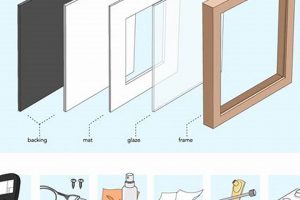
Artwork mounting within a “diy moulding frame” context is not merely the act of securing an image; it is a crucial determinant of both the presentation quality and the long-term preservation of the enclosed artwork. Inadequate mounting techniques can lead to irreversible damage, including discoloration, warping, and physical deterioration of the artwork. The connection between appropriate mounting practices and the preservation of the art is therefore a direct one, with mounting materials acting as either a protective barrier or a source of potential harm. A “diy moulding frame” that neglects proper mounting effectively negates its purpose of showcasing and protecting valuable or sentimental items.
Archival-quality materials are paramount for safe artwork mounting. Acid-free mats, backboards, and tapes prevent chemical reactions that can degrade paper and other delicate materials over time. The method of attachment should also be considered; hinging the artwork with archival tape allows for expansion and contraction with changes in humidity, preventing buckling or tearing. Conversely, the use of acidic glues, non-archival tapes, or direct contact with untreated wood can accelerate deterioration. For example, newsprint placed directly against artwork can cause discoloration within a matter of months, while the use of pressure-sensitive tapes can leave permanent adhesive residue. A “diy moulding frame” project, therefore, requires a discerning approach to material selection and mounting technique.
The successful integration of artwork mounting into a “diy moulding frame” project demands a commitment to archival principles and an understanding of the long-term implications of material choices. Neglecting these aspects compromises the artwork’s integrity and diminishes the overall value of the effort. A properly mounted artwork, on the other hand, is not only securely displayed but also protected from environmental factors that could otherwise cause irreversible damage, ensuring its preservation for future generations. The challenges of choosing appropriate materials and mastering safe mounting techniques are readily addressed through research and careful execution, resulting in a finished product that showcases and safeguards the enclosed artwork.
6. Hanging Mechanism
The selection and implementation of a suitable hanging mechanism are integral to the successful execution of a “diy moulding frame” project. The chosen mechanism directly impacts the stability, security, and presentation of the framed artwork. An inadequate hanging mechanism can lead to instability, accidental falls, and potential damage to both the frame and its contents, thereby undermining the efforts invested in the enclosure’s construction.
- Weight Capacity and Distribution
The hanging mechanism must possess sufficient weight capacity to support the “diy moulding frame” and its contents without risk of failure. Weight distribution should be considered to prevent undue stress on specific points of attachment. For instance, a single centered hook may be insufficient for a large, heavy frame, necessitating the use of two D-rings and wire to distribute the load evenly across the wall.
- Attachment Method to the Frame
The method by which the hanging mechanism is attached to the “diy moulding frame” directly affects its security and longevity. Screws, rather than nails or adhesives, are generally preferred for their superior holding power. The type and length of screw should be appropriate for the thickness and material of the frame to prevent splitting or pull-out. D-rings or sawtooth hangers should be securely fastened and positioned to ensure proper alignment when hung.
- Wall Compatibility and Hardware
The chosen hanging hardware must be compatible with the wall surface to which the “diy moulding frame” will be mounted. Drywall, plaster, and masonry walls require different types of anchors to provide adequate support. Using an inappropriate anchor can result in the frame pulling away from the wall or causing damage to the wall itself. Considerations such as wall thickness and the presence of studs should inform the selection of appropriate hardware.
- Aesthetic Considerations and Concealment
The hanging mechanism should be selected and installed with consideration for aesthetic concealment. While functionality is paramount, the visible components of the hanging mechanism should be unobtrusive and not detract from the presentation of the framed artwork. Recessed hangers or concealed wire systems can minimize visual clutter and enhance the overall aesthetic appeal of the “diy moulding frame”.
These facets collectively emphasize the crucial role of the hanging mechanism in the creation and presentation of a “diy moulding frame”. Proper selection, attachment, and installation of the hanging mechanism contribute significantly to the security, stability, and aesthetic appeal of the finished product, ensuring that the framed artwork is displayed effectively and safely.
7. Cost-Effectiveness
The construction of decorative trim enclosures, categorized under “diy moulding frame,” presents a demonstrably more economical alternative to professional framing services. The primary driver of cost reduction stems from the elimination of labor expenses typically associated with commercial framing. Individuals undertaking the “diy moulding frame” process assume the responsibilities of measurement, cutting, joining, and finishing, thereby negating the need to compensate skilled labor. This self-sufficiency translates into significant savings, particularly for projects involving multiple enclosures or non-standard dimensions.
Materials represent the primary expense in “diy moulding frame” construction. However, even with material costs considered, the DIY approach remains generally more affordable. Individuals have the latitude to source materials strategically, comparing prices across different suppliers and opting for budget-friendly alternatives without compromising structural integrity or aesthetic appeal. For example, selecting paint-grade moulding over hardwood or utilizing readily available craft-store supplies in lieu of specialized framing materials can substantially reduce overall expenditure. Furthermore, salvage or repurposed materials, such as reclaimed wood or discarded trim, offer opportunities to further minimize costs while promoting sustainable practices.
Ultimately, the cost-effectiveness of “diy moulding frame” construction is contingent upon the individual’s skillset, resourcefulness, and willingness to invest time and effort. While professional framing services provide convenience and expertise, the DIY approach empowers individuals to control expenses, customize the aesthetic to precise specifications, and derive satisfaction from creating personalized enclosures at a fraction of the cost. The decision to pursue “diy moulding frame” construction should be informed by a careful assessment of budgetary constraints, time availability, and desired level of customization, recognizing that the potential for substantial cost savings is a key advantage of this approach.
Frequently Asked Questions
This section addresses common inquiries regarding the construction of picture enclosures utilizing decorative trim, also known as “diy moulding frame”. These questions are designed to clarify frequently encountered challenges and misconceptions.
Question 1: What type of saw is best suited for cutting moulding for a “diy moulding frame”?
A miter saw, preferably one equipped with a fine-tooth blade designed for woodworking, provides the most accurate and clean cuts. This tool allows for precise angle adjustments, crucial for achieving seamless corner joints. While hand saws can be used, they require greater skill and precision to achieve comparable results.
Question 2: What is the recommended method for joining the corners of a “diy moulding frame”?
The use of wood glue, in conjunction with mechanical fasteners such as brad nails or clamps, is the recommended method. The glue provides a strong adhesive bond, while the fasteners hold the pieces together until the glue has fully cured. For increased stability, biscuit joints or dowels can be incorporated into the corners.
Question 3: How can one ensure the artwork is securely mounted within a “diy moulding frame”?
Archival-quality materials, such as acid-free mats and backboards, should be used to prevent damage to the artwork. Hinging the artwork to the backboard with archival tape allows for expansion and contraction with changes in humidity. Avoid using acidic glues or pressure-sensitive tapes, as these can cause irreversible damage.
Question 4: What type of finish is appropriate for a “diy moulding frame”?
The choice of finish depends on the desired aesthetic and the type of moulding used. Stains can accentuate the grain of wood, while paint allows for the incorporation of specific colors. A clear coat, such as polyurethane or lacquer, can provide protection against moisture and scratches. Ensure that the finish is compatible with the moulding material and properly applied to prevent peeling or cracking.
Question 5: What are the key considerations when selecting a hanging mechanism for a “diy moulding frame”?
The hanging mechanism must be capable of supporting the weight of the frame and its contents. The attachment method to the frame should be secure, using screws rather than nails or adhesives. The hardware should be compatible with the wall surface to which the frame will be mounted. Aesthetic considerations should also be taken into account, with the goal of minimizing the visibility of the hanging mechanism.
Question 6: Is constructing a “diy moulding frame” significantly cheaper than professional framing?
Yes, constructing a “diy moulding frame” is generally more cost-effective than professional framing, primarily due to the elimination of labor expenses. While materials represent the primary expense, strategic sourcing and the use of budget-friendly alternatives can further reduce costs. The savings are particularly significant for projects involving multiple enclosures or non-standard dimensions.
In conclusion, a thorough understanding of materials, techniques, and best practices is essential for successfully constructing a high-quality “diy moulding frame”. Attention to detail and a commitment to quality craftsmanship will result in a durable, aesthetically pleasing, and cost-effective method for displaying and preserving artwork.
The following sections will delve into advanced techniques and troubleshooting tips for creating professional-quality decorative trim enclosures.
Conclusion
This exposition has presented a comprehensive overview of the “diy moulding frame” process, encompassing material selection, precise execution of cuts and joints, appropriate finishing techniques, and considerations for artwork mounting and secure hanging. The discussion underscored the cost-effectiveness of this approach, balanced against the skill and time investment required for successful project completion.
Ultimately, the decision to engage in “diy moulding frame” construction represents a commitment to both aesthetic customization and resource efficiency. Mastery of these techniques provides a valuable skill, enabling the creation of personalized displays that enhance and preserve cherished artwork. Continued exploration of advanced methods and a dedication to quality craftsmanship will further refine this practice, ensuring lasting value and visual appeal.