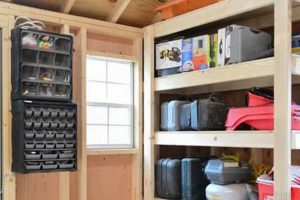
Creating personalized firearm safekeeping solutions involves the design and construction of storage methods tailored to individual needs and resources. This approach typically utilizes readily available materials and tools to fashion secure spaces for firearms, often within existing home structures or as standalone units. For instance, an individual might repurpose a cabinet, reinforcing it with steel and adding a locking mechanism to create a discreet and functional storage area.
The significance of crafting customized firearm storage stems from several factors. It provides a cost-effective alternative to commercially available safes, allows for accommodation of specific firearm collections and spatial limitations, and enables greater control over the level of security implemented. Historically, self-made firearm storage has been a common practice, particularly in rural areas where accessibility to specialized products may be limited. It fosters a sense of responsibility and awareness regarding firearm safety within the home.
This article will explore various methods for fabricating personalized firearm safekeeping solutions, focusing on safety considerations, material selection, and legal aspects to ensure responsible implementation.
DIY Gun Storage Tips
Implementing personalized firearm safekeeping requires careful planning and execution. The following tips provide guidance for creating secure and responsible storage solutions.
Tip 1: Prioritize Security Over Aesthetics. The primary goal is secure storage, not visual appeal. Focus on robust materials and locking mechanisms that deter unauthorized access. For example, consider reinforcing wooden cabinets with steel plates.
Tip 2: Disassemble Firearms When Possible. Storing firearms in a disassembled state adds a layer of complexity for potential thieves. Keep essential components, such as the bolt carrier group and trigger mechanism, in separate, secured locations.
Tip 3: Utilize Existing Structures Discretely. Integrate storage solutions within existing furniture or architectural features to minimize visibility. A hollowed-out section of a bookshelf or a reinforced drawer can serve as a discreet storage location.
Tip 4: Employ Redundant Locking Mechanisms. Implement multiple locking mechanisms to enhance security. A combination lock paired with a keyed lock, for example, makes unauthorized access significantly more difficult.
Tip 5: Consider Environmental Factors. Select materials that resist moisture and prevent corrosion. Desiccant packs can be used to maintain a dry environment within the storage area, protecting firearms from rust.
Tip 6: Secure Ammunition Separately. Store ammunition in a separate, locked container away from the firearms. This prevents unauthorized individuals from quickly accessing and using the firearms.
Tip 7: Document Storage Locations. Maintain a detailed record of firearm storage locations, including serial numbers and descriptions. This information is crucial in the event of theft or loss.
Tip 8: Regularly Inspect Storage Solutions. Periodically inspect the storage area for signs of tampering or wear. Ensure that locking mechanisms are functioning correctly and that materials remain in good condition.
Adhering to these guidelines enhances the safety and security of personalized firearm safekeeping, contributing to responsible gun ownership.
The subsequent section will address legal considerations related to customized firearm security.
1. Security Level
The security level of a DIY gun storage solution directly influences its effectiveness in preventing unauthorized access and mitigating potential harm. A low security level, characterized by weak materials and inadequate locking mechanisms, presents a higher risk of theft or misuse, particularly in households with children or individuals prone to impulsive behavior. Conversely, a high security level, employing robust materials, sophisticated locking systems, and concealed placement, significantly reduces the likelihood of unauthorized access. The selection of appropriate security measures is paramount when considering personalized firearm safekeeping.
The causal relationship between security level and safety outcomes is evident in real-world scenarios. For example, a simple wooden box with a basic padlock offers minimal resistance to forced entry and provides little deterrent to determined individuals. Such a solution represents a low security level. In contrast, a repurposed steel cabinet, reinforced with additional steel plating and secured with a multi-combination lock, provides a considerably higher level of security. The investment in higher security measures corresponds directly to a reduction in the risk of firearm theft or accidental discharge by unauthorized users.
The understanding of the security level connection is crucial for responsible firearm ownership. By assessing the potential threats and vulnerabilities associated with storage practices, individuals can implement appropriate measures to safeguard their firearms. This understanding directly leads to a reduced risk of tragic outcomes and promotes a culture of firearm safety within the home and community. The selection of materials, locking mechanisms, and placement of the storage solution must reflect the desired security level, prioritizing safety above all other considerations.
2. Material Strength
The strength of materials utilized in self-constructed firearm storage solutions directly correlates with the security and longevity of the storage unit. Inferior material strength compromises the ability of the storage to resist forced entry, rendering it susceptible to theft or unauthorized access. Conversely, superior material strength provides a robust defense against such attempts, thereby enhancing the safety and security of stored firearms. The choice of materials is a critical factor in the overall effectiveness of DIY gun storage. A real-world example illustrates this: A storage unit constructed from thin plywood offers minimal resistance to prying tools, whereas a unit fabricated from reinforced steel exhibits significantly greater resilience.
The practical application of this understanding involves a careful selection of materials based on anticipated threats. High-risk environments necessitate the use of hardened metals and reinforced construction techniques. Lower-risk environments may permit the use of durable hardwoods, provided they are properly secured and combined with effective locking mechanisms. The material’s resistance to cutting, drilling, and impact forces are all essential considerations. Furthermore, the longevity of the material impacts the long-term effectiveness of the storage. Materials prone to degradation from moisture or temperature fluctuations may require additional protective measures, such as coatings or climate control, to maintain their structural integrity.
In summary, material strength forms a cornerstone of secure DIY gun storage. The selection process should prioritize resistance to forced entry, long-term durability, and environmental factors. While cost considerations may influence material choices, compromising on material strength undermines the core purpose of the storage solution the safe and secure containment of firearms. Overcoming the challenge of balancing cost with security requires careful research and informed decision-making to ensure the effectiveness of the self-constructed storage unit.
3. Locking Mechanisms
Locking mechanisms are a critical component of DIY gun storage, directly impacting the security and effectiveness of such solutions. The presence of a robust locking mechanism acts as a primary deterrent against unauthorized access, particularly by children or individuals with criminal intent. The absence of an effective lock renders even a well-constructed storage container virtually useless, negating its purpose. For example, a strong steel cabinet designed for firearm safekeeping becomes vulnerable if equipped with a flimsy or easily circumvented lock.
The selection of an appropriate locking mechanism necessitates careful consideration of several factors, including the level of security required, the potential vulnerabilities of the storage unit, and the ease of use for authorized individuals. Options range from simple keyed locks to more sophisticated combination locks, biometric scanners, and electronic locking systems. The choice should be commensurate with the value and type of firearms being stored, as well as the potential risks associated with the location. The implementation of redundant locking mechanisms, such as combining a keyed lock with a hidden bolt, can further enhance security. Periodic inspection and maintenance of the locking mechanism are crucial to ensure its continued functionality and effectiveness.
In conclusion, locking mechanisms are indispensable for secure DIY gun storage. Their selection and proper implementation are paramount to prevent unauthorized access and mitigate the risk of firearm-related accidents or theft. The investment in high-quality locking mechanisms represents a fundamental commitment to responsible gun ownership and the safety of the home and community. The effectiveness of even the most meticulously crafted storage unit hinges upon the integrity and functionality of its locking system.
4. Concealment Strategy
Concealment strategy, in the context of DIY gun storage, directly influences the security and accessibility of stored firearms. The effectiveness of a concealment method determines the extent to which firearms are hidden from unauthorized individuals, thereby reducing the likelihood of theft or accidental discovery. A well-executed concealment strategy enhances security, while a poorly conceived one can compromise the integrity of the entire storage solution. For example, integrating a firearm storage compartment within a modified piece of furniture, indistinguishable from its conventional counterparts, provides a higher level of concealment than simply placing a firearm under a bed.
Effective concealment necessitates careful consideration of potential discovery risks. Factors such as the presence of children in the home, the frequency of visitors, and the likelihood of a home intrusion influence the selection of an appropriate concealment strategy. Practical applications range from integrating storage within existing architectural features, such as walls or floors, to repurposing common household items as discrete storage containers. For instance, a hollowed-out book placed among others on a bookshelf or a false bottom in a drawer can serve as effective concealment measures. The choice of method must balance the need for security with the practicality of authorized access.
In summary, concealment strategy is an integral component of responsible DIY gun storage. Its effectiveness hinges on a comprehensive assessment of risk factors and a thoughtful implementation that minimizes the likelihood of unauthorized discovery. While concealment alone does not guarantee security, it contributes significantly to a layered approach that incorporates robust locking mechanisms, durable materials, and responsible firearm handling practices. The challenge lies in balancing effective concealment with ease of access for authorized users, ensuring that firearms are both secure and readily available when needed.
5. Accessibility Restrictions
Accessibility restrictions are paramount in the context of DIY gun storage. These limitations dictate who can access stored firearms and under what circumstances. Effective implementation minimizes the risk of unauthorized use, accidental discharge, and theft. A failure to adequately restrict access directly compromises the safety and security of both the firearm owner and the surrounding community.
- Key Control and Custody
The management of keys or access codes to DIY gun storage is critical. Distributing keys or sharing codes without proper vetting undermines security. Keys should be kept in a secure location separate from the storage unit, and access codes should be memorized rather than written down. In cases of electronic locking systems, user access should be carefully managed and regularly audited.
- Childproofing Measures
When children are present in a household, stringent access restrictions are essential. Storage units should be designed to be child-resistant, incorporating features such as combination locks that require a certain level of dexterity and cognitive ability to operate. Parents must also educate children about the dangers of firearms and the importance of not attempting to access them. Educational efforts, combined with physical barriers, represent a dual approach to childproofing.
- Visitor Protocols
The presence of visitors, including service personnel or houseguests, necessitates temporary but effective access restrictions. Storage units should be located in areas with limited visitor access, and measures should be taken to prevent accidental discovery. This may involve concealing the storage unit behind other objects or temporarily securing the area during a visit. A lack of vigilance in this area can lead to unintended exposure and potential security breaches.
- Emergency Access Planning
While restricting access is paramount, a plan for authorized access during emergencies is also necessary. This involves identifying individuals who may need access in a crisis, such as law enforcement or medical personnel, and providing them with a means to bypass standard security measures if required. The emergency access plan should be carefully documented and reviewed periodically to ensure its effectiveness and compliance with legal requirements.
Collectively, these facets of accessibility restrictions highlight the multifaceted nature of responsible DIY gun storage. Each aspect demands careful consideration and proactive implementation to minimize the risk of unauthorized access and promote a culture of firearm safety. Failure to address any of these areas can significantly undermine the overall security of the storage solution, regardless of its physical construction.
6. Firearm Condition
The maintenance of firearm condition is intrinsically linked to DIY gun storage practices. Proper storage methods directly affect the long-term operability and safety of firearms. Failure to account for environmental factors and implement appropriate preventative measures within the storage environment can accelerate degradation and compromise functionality.
- Corrosion Prevention
DIY storage solutions must address the risk of corrosion, a primary threat to firearm condition. Moisture, temperature fluctuations, and inadequate ventilation can contribute to rust and other forms of corrosion, rendering firearms unreliable or unsafe. Storage environments should incorporate desiccant packs, rust-inhibiting coatings, and proper ventilation to mitigate these risks. Regular inspection and cleaning of stored firearms are also crucial.
- Mechanical Integrity
Storage methods should prevent damage to mechanical components. Improperly supported firearms can experience stress on critical parts, leading to malfunctions. DIY storage solutions should include padded surfaces and secure mounting systems to prevent shifting and impact damage. Disassembly of firearms for storage, where legally permissible, can reduce stress on internal mechanisms.
- Lubrication and Maintenance
Maintaining proper lubrication is essential for preserving firearm condition during storage. Prior to storage, firearms should be thoroughly cleaned and lubricated with appropriate gun oil or grease. DIY storage environments should facilitate easy access for regular maintenance activities. Neglecting lubrication can lead to seized components and reduced functionality.
- Environmental Protection
DIY gun storage must shield firearms from extreme temperatures, humidity, and sunlight, all of which can negatively impact firearm condition. Storage areas should be climate-controlled or insulated to minimize temperature fluctuations. Direct exposure to sunlight can fade finishes and degrade materials. Consideration must be given to the storage environment as a whole, ensuring that it provides adequate protection from these external factors.
Collectively, these facets of firearm condition underscore the importance of integrating preventative measures into DIY gun storage solutions. By prioritizing corrosion prevention, mechanical integrity, lubrication, and environmental protection, individuals can ensure that stored firearms remain in optimal condition, ready for responsible use when needed. Failure to address these factors can result in compromised firearm safety and reliability, negating the purpose of secure storage. A balance between accessibility, security, and preservation is essential for responsible firearm ownership.
7. Ammunition Separation
Ammunition separation constitutes a critical element within the practice of personalized firearm safekeeping. It addresses the deliberate storage of ammunition separately from firearms as a preventive measure against unauthorized or accidental use. The failure to separate ammunition effectively eliminates a crucial layer of security, increasing the risk of firearm-related incidents. For instance, if a child gains access to a firearm, the presence of readily available ammunition dramatically increases the likelihood of an unintentional shooting. Conversely, secure ammunition segregation necessitates a more deliberate and informed act to render the firearm operational.
The implementation of ammunition separation within DIY gun storage solutions takes varied forms, contingent upon the specific storage design and the individual’s security requirements. Common methods include storing ammunition in a separate locked container, such as a steel box or repurposed cabinet. Another method incorporates locating ammunition in a different room altogether, further increasing the barrier to rapid firearm deployment by unauthorized individuals. For example, a personalized storage system might involve a modified closet section for firearm safekeeping and a separate, locked toolbox in the garage for ammunition storage, each accessible by different keys or combinations.
In summary, ammunition separation is not merely an adjunct to secure firearm storage but an integral component. It mitigates the risk of firearm misuse and contributes significantly to responsible gun ownership. While personalized storage solutions offer flexibility in design and implementation, the principle of segregating ammunition from firearms must remain paramount. Challenges include balancing security with accessibility for authorized users and ensuring consistent adherence to separation protocols within the household. This understanding underscores the necessity for responsible design and rigorous implementation in self-constructed firearm security.
DIY Gun Storage
The following questions address common concerns and misconceptions regarding the practice of constructing personalized firearm safekeeping solutions.
Question 1: Is self-constructed firearm storage legally permissible?
The legality of creating personalized firearm safekeeping solutions varies by jurisdiction. Individuals must consult local, state, and federal regulations regarding firearm storage requirements. Some jurisdictions may mandate specific features, such as locking mechanisms or construction materials. Failure to comply with applicable laws can result in civil or criminal penalties.
Question 2: What are the primary safety considerations for DIY gun storage?
The paramount safety considerations involve preventing unauthorized access, particularly by children and individuals with criminal intent. Robust locking mechanisms, durable construction materials, and secure placement are essential. Ammunition must be stored separately from firearms. Regular inspection and maintenance of the storage solution are also crucial.
Question 3: How can one balance security with accessibility in personalized firearm storage?
Balancing security and accessibility requires careful planning and implementation. Employing biometric locks or combination locks allows for rapid access by authorized individuals while deterring unauthorized entry. Concealment within existing furniture or architectural features can enhance security without hindering authorized access. The specific balance will depend on individual needs and circumstances.
Question 4: What materials are suitable for DIY gun storage construction?
Appropriate materials include hardened steel, reinforced wood, and ballistic-grade polymers. The selection should prioritize resistance to forced entry, fire resistance, and long-term durability. The structural integrity of the material is paramount for ensuring the effectiveness of the storage solution. Cost considerations should not compromise security requirements.
Question 5: How can one ensure that a DIY gun storage solution is childproof?
Childproofing requires a multi-faceted approach. Complex locking mechanisms, such as combination locks or biometric scanners, can deter children. Storage units should be placed out of reach or concealed from view. Educating children about the dangers of firearms and the importance of not attempting to access them is also crucial.
Question 6: What are the risks associated with DIY gun storage compared to commercial safes?
The primary risks associated with DIY solutions involve compromised security due to inadequate design or construction. Commercial safes are typically tested and certified to meet specific security standards. DIY solutions require a thorough understanding of security principles and careful execution to achieve comparable levels of protection. A lack of expertise or oversight can result in vulnerabilities.
These frequently asked questions emphasize the need for meticulous planning, responsible implementation, and adherence to legal requirements when constructing personalized firearm safekeeping solutions. The effectiveness of such solutions hinges on a comprehensive understanding of safety and security principles.
The subsequent section will examine legal considerations related to personalized firearm safekeeping in greater detail.
Conclusion
This article has explored various facets of personalized firearm safekeeping, emphasizing the need for stringent security measures, responsible implementation, and adherence to applicable legal regulations. Critical elements, including security level, material strength, locking mechanisms, concealment strategy, accessibility restrictions, firearm condition, and ammunition separation, each contribute to a robust storage solution. While creating custom repositories offers flexibility and potential cost savings, the responsibility for ensuring safety and preventing unauthorized access rests solely with the individual.
The information presented herein serves as a foundation for responsible firearm ownership. Diligence in planning and execution, coupled with a commitment to continuous improvement, is paramount. Seeking expert consultation, when needed, is advisable. Secure firearm safekeeping is not merely a legal obligation but a moral imperative for preventing accidents, reducing crime, and fostering a safer community.