A designated area, often constructed by the owner, specifically designed for washing and grooming canines within a home or property. These setups range from simple repurposed spaces with basic washing facilities to elaborate custom-built structures. Considerations include easy accessibility for the animal, appropriate drainage, and surfaces that are easy to clean and resistant to water damage. An example could be a converted laundry tub in a garage or a tiled corner of a mudroom with a handheld showerhead.
These solutions provide a controlled environment for pet hygiene, minimizing mess and potential damage to the home. They promote regular grooming, contributing to the animal’s overall health and well-being, while fostering a stronger bond between owner and pet. The historical need stemmed from the inherent challenge of bathing larger or more active animals in standard household bathrooms, often resulting in back strain for the owner and stress for the animal.
The following sections will explore various design ideas, essential components, construction considerations, and alternative solutions for creating effective and practical areas to care for canine cleanliness at home.
Essential Design and Construction Considerations
Creating a functional and efficient washing and grooming area for canines requires careful planning and execution. The following guidelines address key aspects of the project to ensure long-term usability and satisfaction.
Tip 1: Waterproofing is Paramount: Impermeable surfaces are critical to prevent water damage and mold growth. Consider epoxy paint, tile with sealed grout, or waterproof membranes on floors and walls within the immediate bathing area.
Tip 2: Drainage Adequacy: Proper drainage is essential for quick and efficient water removal. Ensure the drain is adequately sized to handle the water volume and is equipped with a hair trap to prevent clogging. A sloped floor leading to the drain facilitates water flow.
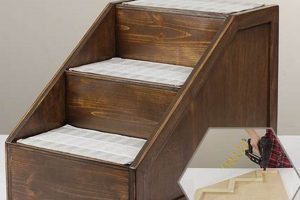
Tip 3: Ergonomic Height Considerations: Elevated platforms or tubs reduce strain during washing and grooming. Determine an appropriate height based on the size of the animal and the user’s height. A step or ramp can be added for easier access.
Tip 4: Secure Animal Restraint: Implement a secure restraint system to prevent escapes or injury during the bathing process. Options include adjustable tethers, suction cup attachments, or specialized grooming loops. Prioritize the animal’s safety and comfort.
Tip 5: Temperature Control and Water Supply: Integrate a temperature-controlled water supply to ensure comfortable bathing temperatures. Consider a handheld showerhead with adjustable spray patterns for efficient rinsing. Consult plumbing codes for proper installation.
Tip 6: Adequate Ventilation: Proper ventilation is essential to prevent moisture buildup and mildew growth. Ensure the area is well-ventilated, either through natural airflow or a mechanical exhaust fan.
Tip 7: Storage Solutions: Incorporate storage solutions for shampoos, towels, brushes, and other grooming supplies. Maximize space utilization with shelving, cabinets, or wall-mounted organizers.
These considerations will ensure a durable, functional, and safe area. Prioritizing these elements will contribute to a more enjoyable experience for both the animal and the owner.
The subsequent section explores adaptable solutions for varying needs and budgets, offering diverse approaches to canine hygiene.
1. Location Accessibility
The selection of an appropriate location significantly impacts the functionality and convenience of a home washing setup for canines. Ease of access dictates the practicality and frequency of use, ultimately influencing the overall success of the installation.
- Minimizing Tracking:
Locating the station near an exterior door, such as in a mudroom or garage, reduces the amount of dirt and water tracked through the living space. This minimizes post-bath cleanup and prevents potential damage to flooring and furniture. For example, positioning the area directly inside a back door allows for immediate washing after outdoor activities, containing the mess effectively.
- Proximity to Utilities:
Accessibility to existing plumbing and electrical lines is a crucial factor. Choosing a location near water supply pipes and a drain simplifies the installation process and reduces construction costs. Garages and laundry rooms often provide pre-existing utility access points, making them ideal candidates. Utilizing existing utilities streamlines the project and minimizes extensive modifications to the home’s infrastructure.
- Spatial Considerations:
Adequate space is required to accommodate the washing area, storage for supplies, and the animal’s movement. A cramped location can hinder maneuverability and create a stressful environment for both the owner and the pet. Ensure sufficient room for comfortable washing and grooming, as well as space for drying and storage solutions. Prioritize an environment that allows for easy navigation and minimizes potential hazards.
- Environmental Control:
Consider factors such as temperature regulation and ventilation. An uninsulated garage may be unsuitable during colder months without supplemental heating. Proper ventilation is essential to prevent moisture buildup and mildew growth. Opt for a location that offers reasonable temperature control and adequate airflow to ensure a comfortable and healthy environment for bathing.
The strategic choice of placement directly affects the usability and longevity of an indoor washing area. Careful consideration of factors such as reducing mess, utility access, spatial requirements, and environmental control are essential for creating a practical and efficient space dedicated to pet hygiene.
2. Drainage Efficiency
Effective water removal is a critical design element of any home-constructed pet washing area. Insufficient drainage presents immediate practical challenges, hindering usability and potentially causing structural damage over time. The integration of proper drainage directly impacts the hygienic maintenance of the bathing area and the surrounding structure. For instance, stagnant water from inadequate drainage creates conditions conducive to mold and mildew growth, posing a health risk to both humans and animals. Examples of poorly designed installations often include inadequate floor sloping or undersized drainpipes, leading to slow water evacuation and persistent dampness.
Optimal drainage design requires careful consideration of several factors. First, floor surfaces must exhibit a sufficient slope towards the drain, ensuring complete water runoff. Second, the drainpipe diameter must be adequate to handle the maximum anticipated flow rate. The inclusion of a hair trap is also crucial, preventing pipe blockages and maintaining long-term drainage efficiency. Real-world applications include the use of linear drains in larger installations, providing a broader catchment area for water removal. Furthermore, proper plumbing connections and adherence to local building codes are essential to prevent leaks and ensure regulatory compliance. The consequences of neglecting these details range from minor inconveniences, such as prolonged drying times, to significant structural problems necessitating costly repairs.
In summary, drainage efficiency is not merely an aesthetic consideration; it is a fundamental requirement for the functionality, safety, and longevity of a home pet-washing station. Neglecting this aspect can lead to unsanitary conditions, structural damage, and ultimately, the failure of the project. By prioritizing proper drainage design and installation, the homeowner can ensure a clean, safe, and efficient environment for pet hygiene practices. The principles outlined above should be incorporated into all stages of the design and construction process, mitigating risks and optimizing the overall performance of the washing station.
3. Ergonomic Height
The consideration of ergonomic height in a pet-washing area is not merely a matter of convenience but a critical factor impacting both the owner’s physical well-being and the animal’s safety and comfort. An improperly designed height can lead to musculoskeletal strain for the user and anxiety or injury for the pet.
- Reducing Physical Strain
The primary purpose of ergonomic height adjustment is to minimize bending, lifting, and awkward postures that can result in back pain, shoulder strain, and other musculoskeletal issues. A washing area positioned at an appropriate height allows the user to maintain a neutral spine and reduces the need to reach or stoop. For example, an elevated tub or platform brings the animal closer to the user’s natural working height, decreasing the physical demands of the task. This is particularly relevant for individuals with pre-existing conditions or those who regularly wash larger or multiple animals.
- Enhancing Animal Comfort and Safety
Ergonomic height considerations extend beyond the user to encompass the well-being of the animal. Lifting a large or reluctant pet into a high-sided tub can be challenging and potentially dangerous, leading to anxiety and a risk of injury. A lower entry point, facilitated by a ramp or steps, allows the animal to enter and exit the washing area with greater ease and confidence. Additionally, a stable platform at an appropriate height reduces the animal’s feeling of instability and minimizes the risk of slipping or falling during the washing process.
- Optimizing Accessibility
Ergonomic height adjustments contribute to improved accessibility for both the user and the animal. An elevated platform or tub can be customized to accommodate users of different heights, ensuring a comfortable working posture for a range of individuals. Similarly, the inclusion of ramps or steps provides easier access for animals with mobility limitations, such as older pets or those with joint problems. This inclusive design approach ensures that the pet-washing area can be used safely and comfortably by a diverse population of users and animals.
- Space Efficiency and Integration
While prioritizing ergonomic height, consideration must also be given to efficient space utilization and seamless integration with the surrounding environment. Elevated platforms or tubs can be designed to incorporate storage space underneath, maximizing functionality in smaller areas. The overall design should complement the existing aesthetic of the space and avoid creating unnecessary obstructions or hazards. Careful planning ensures that ergonomic considerations are balanced with practical constraints, resulting in a washing area that is both functional and aesthetically pleasing.
The integration of ergonomic height principles into the design of a pet-washing area significantly enhances both the user experience and the animal’s well-being. By minimizing physical strain, improving accessibility, and promoting animal comfort and safety, these considerations contribute to a more efficient, enjoyable, and sustainable approach to pet hygiene practices. Prioritizing ergonomic design is a critical investment in the long-term health and functionality of the washing area.
4. Waterproofing Materials
The selection and application of appropriate waterproofing materials are paramount to the structural integrity and longevity of any home-constructed pet washing area. Given the frequent exposure to water and cleaning agents, inadequate waterproofing measures will inevitably lead to moisture penetration, resulting in damage, mold growth, and compromised air quality.
- Epoxy Coatings and Sealants
Epoxy-based coatings and sealants provide a durable, seamless barrier against water intrusion on floors and walls. Their chemical resistance makes them suitable for withstanding harsh cleaning solutions commonly used in pet hygiene. In concrete-floored garages, for example, epoxy coatings prevent water absorption and staining, while also offering a non-slip surface for safety. The implications of using subpar sealants are water seepage, substrate erosion, and costly repairs.
- Tile and Grout Selection
Ceramic and porcelain tiles are inherently waterproof, but the grout lines between them represent a vulnerability. Selecting epoxy grout, instead of traditional cementitious grout, significantly enhances water resistance and prevents the growth of mold and mildew. The proper sealing of grout lines is essential to maintaining a watertight barrier. For instance, in a tiled shower stall converted for pet washing, unsealed grout allows water to penetrate the substrate, leading to structural weakening and potential leaks.
- Waterproof Membranes
Waterproof membranes, such as sheet membranes or liquid-applied membranes, provide an additional layer of protection beneath tile or other surface finishes. These membranes create a continuous barrier that prevents water from reaching the underlying substrate, even if the surface finish is compromised. In areas prone to prolonged water exposure, such as the base of a pet washing tub, a waterproof membrane is crucial for preventing structural damage. Failure to install such a membrane can lead to significant water damage over time.
- Moisture-Resistant Backing Boards
When constructing walls around the washing area, moisture-resistant backing boards, such as cement board or fiberglass-faced gypsum board, should be used in place of standard drywall. These materials are designed to withstand prolonged exposure to moisture without deteriorating or fostering mold growth. In a converted laundry room, for example, using moisture-resistant backing boards behind the tile ensures that the wall structure remains sound even with frequent splashing. The alternative is compromised structural integrity and potential health hazards.
In conclusion, the strategic application of waterproofing materials is not merely an aesthetic choice but a fundamental requirement for the durability and functionality of any do-it-yourself pet washing station. Neglecting these measures can lead to costly repairs, health hazards, and ultimately, the failure of the project. Selecting and correctly installing appropriate waterproofing materials is a critical investment in the long-term viability of the bathing area.
5. Temperature Control
Maintaining consistent water temperature is paramount in any dog-washing setup. Water that is too hot poses a scalding risk, while water that is too cold can cause discomfort, shivering, and potential health complications for the animal. Integration of a reliable temperature regulation system is therefore a non-negotiable aspect of effective design.
- Thermostatic Mixing Valves
Thermostatic mixing valves (TMVs) automatically blend hot and cold water to deliver a consistent, pre-set temperature. These valves offer a safeguard against sudden temperature fluctuations caused by changes in water pressure or demand elsewhere in the plumbing system. Implementing a TMV in the water supply line ensures a stable bathing temperature, preventing potential harm to the animal. A common application involves setting the valve to a comfortable temperature range (e.g., 95-100F) to maintain a safe and consistent water stream.
- Temperature Monitoring Devices
Integrating a visual temperature display allows for real-time monitoring of the water temperature. This can be achieved through the installation of a simple thermometer on the faucet or showerhead. More advanced systems may incorporate digital displays that provide precise temperature readings. Regularly checking the water temperature before and during the bathing process ensures that the water remains within a safe and comfortable range for the animal. Failure to monitor the water temperature can result in inadvertent scalding or discomfort.
- Insulated Water Lines
Insulating hot water pipes reduces heat loss as water travels from the water heater to the bathing area. This minimizes temperature fluctuations and ensures that water reaches the faucet at the desired temperature more quickly. Insulating water lines also conserves energy by reducing the amount of heat lost to the surrounding environment. This practice, while seemingly minor, contributes to both energy efficiency and temperature stability within the washing area.
- Distance from Water Heater
The proximity of the bathing station to the water heater influences the water temperature delivery time and consistency. Longer pipe runs result in greater heat loss and delayed hot water arrival. Locating the bathing area closer to the water heater minimizes these effects, ensuring a more rapid and stable water temperature. In situations where a long pipe run is unavoidable, consider installing a recirculating pump to keep hot water readily available at the faucet.
Effective management of water temperature is integral to both animal welfare and hygiene practices within a dog-washing environment. The integration of thermostatic mixing valves, monitoring devices, insulated water lines, and consideration of proximity to the water heater collectively contribute to a safe and comfortable bathing experience. Prioritizing these considerations mitigates the risk of thermal injury and enhances the overall effectiveness of the home dog bathing setup.
6. Restraint system
A restraint system is a critical component of a canine bathing area, serving to maintain animal stability and control during the washing and grooming process. Its implementation directly influences the safety of both the animal and the handler, as well as the efficiency of the cleaning procedure. A properly designed restraint mechanism is not merely an added convenience but a fundamental element for responsible pet care within a dedicated bathing space.
- Adjustable Tethering Systems
Adjustable tethers, typically consisting of a lead or cable attached to a secure mounting point, provide a customizable level of restraint. These systems allow for controlled movement while preventing escape or sudden movements that could lead to injury. An example is a wall-mounted swivel arm with an adjustable lead, allowing for free range of motion within the tub while preventing the animal from jumping out. Improper tethering, conversely, can result in entanglement or discomfort for the animal.
- Suction Cup Attachments
Suction cup attachments offer a temporary and portable restraint solution. These devices adhere to smooth surfaces, providing a secure anchor point for a leash or tether. Their adaptability makes them suitable for use in various bathing environments, including tubs and grooming tables. However, the reliability of suction cup attachments is contingent upon the cleanliness and smoothness of the mounting surface. Failure to ensure a secure attachment can result in the device detaching during use, compromising the animal’s safety.
- Grooming Loops
Grooming loops, often constructed of nylon or other durable materials, provide a secure and comfortable hold around the animal’s neck or torso. These loops are designed to prevent the animal from turning or attempting to jump out of the bathing area. They are particularly useful for managing active or anxious animals during washing and grooming procedures. The correct application of a grooming loop ensures a secure yet comfortable restraint, minimizing stress for the animal.
- Integrated Tub Designs
Certain commercially available tubs incorporate integrated restraint systems, such as built-in tethers or adjustable platforms. These designs offer a streamlined and purpose-built solution for canine bathing. Integrated systems often provide enhanced stability and security compared to aftermarket restraint options. An example is a tub with a built-in tether point positioned at an ergonomic height, allowing for comfortable and controlled washing. The cost of integrated systems is generally higher but reflects the comprehensive design and functionality.
These facets of restraint systems directly impact the practicality and safety of a home canine bathing area. The choice of restraint method should align with the animal’s temperament, size, and individual needs, as well as the user’s experience and the specific design of the bathing facility. Proper implementation enhances the overall efficiency and safety of pet hygiene practices within a domestic setting.
7. Storage Capacity
Adequate storage within a domestic canine washing area directly impacts operational efficiency and hygiene management. Integrating designated storage solutions minimizes clutter, streamlines the bathing process, and ensures readily available access to essential supplies. Strategic allocation of space promotes a more organized and sanitary environment.
- Dedicated Shampoo and Conditioner Storage
Provisioning specific shelving or containers for shampoos, conditioners, and other cleaning agents prevents spills and contamination. Wall-mounted shelves, for instance, keep bottles organized and within easy reach during the washing process. The alternative haphazardly placed bottles on the tub’s edge creates a safety hazard and potential for product damage.
- Towel and Drying Supply Organization
Designated areas for storing clean and used towels maintain hygiene and prevent the spread of moisture. Hooks, towel bars, or dedicated storage bins provide convenient access to clean towels while simultaneously containing damp or soiled ones. Failure to provide designated towel storage leads to unsanitary conditions and can contribute to mold growth.
- Grooming Tool Management
Storage for brushes, combs, clippers, and other grooming tools ensures their cleanliness and accessibility. Wall-mounted organizers, drawer dividers, or toolboxes allow for systematic storage and prevent damage to delicate instruments. Disorganized grooming tools are prone to damage, contamination, and can present a safety hazard.
- Waste Receptacle Integration
Incorporating a waste receptacle within the bathing area facilitates the immediate disposal of used cotton balls, hair clippings, and other waste materials. A hands-free, lidded container minimizes contact with potentially contaminated materials and promotes hygiene. Failure to provide convenient waste disposal encourages unsanitary practices and increases the risk of contamination.
In summation, effective storage capacity enhances the practicality and sanitation of canine washing stations. Strategically allocating space for essential supplies and waste disposal promotes a more organized, efficient, and hygienic environment, supporting responsible pet care practices within a domestic setting.
Frequently Asked Questions
This section addresses common inquiries regarding the design, construction, and maintenance of domestic washing facilities for canines, providing clarity on essential considerations.
Question 1: What is the ideal location for a home dog washing area?
The optimal location balances convenience, accessibility to utilities, and containment of mess. Mudrooms, garages, or dedicated laundry areas near exterior doors are frequently suitable choices. Proximity to existing plumbing and electrical connections simplifies installation, while minimizing tracking through the home is essential. Prioritizing these factors reduces post-bath cleanup and potential damage to interior spaces.
Question 2: What are the essential materials for waterproofing a dog washing station?
Critical waterproofing materials include epoxy coatings, sealed tile grout, and waterproof membranes. Epoxy coatings applied to concrete floors create a seamless barrier against water penetration. When using tile, epoxy grout prevents water absorption in grout lines. Waterproof membranes beneath tile provide an additional layer of protection. Selection depends on substrate and exposure to moisture; neglecting any of these materials can result in structural damage.
Question 3: How can one ensure proper drainage in a home dog bathing area?
Effective drainage hinges on adequate floor slope and appropriately sized drainpipes. The floor should slope sufficiently towards the drain to ensure complete water runoff. A drainpipe with a diameter capable of handling peak water flow is crucial. Implementing a hair trap prevents clogging and maintains consistent drainage. Failure to attend to these considerations results in standing water, promoting bacterial growth and potentially damaging the structure.
Question 4: What are the key safety considerations for temperature control in a pet washing station?
Maintaining consistent water temperature is essential to prevent scalding or discomfort. Thermostatic mixing valves regulate water temperature, mitigating fluctuations. Visual temperature displays provide real-time monitoring. Insulating water pipes minimizes heat loss. Prioritizing these elements ensures animal safety and comfort during the bathing process. Ignoring them creates a significant risk of thermal injury.
Question 5: What restraint options are available to secure an animal during washing?
Restraint options range from adjustable tethers to integrated tub designs. Adjustable tethers provide controlled movement while preventing escape. Suction cup attachments offer temporary restraint. Grooming loops secure the animals neck or torso. Integrated tub designs streamline the process. Selection should correspond with the animals size, temperament, and the configuration of the area. A stable animal is safer and easier to wash.
Question 6: How can storage capacity be maximized in a small dog washing space?
Maximizing storage in a limited area requires vertical solutions and multi-functional designs. Wall-mounted shelving utilizes unused vertical space. Under-tub storage maximizes the area beneath the washing basin. Combining storage and seating offers dual functionality. Systematic organization of shampoos, towels, and grooming tools is paramount. Adequate storage keeps the area tidy and ensures access to necessary supplies.
In summary, attention to location, waterproofing, drainage, temperature control, restraint mechanisms, and storage yields a practical and secure dog-washing facility, ensuring responsible domestic pet hygiene.
The subsequent section will delve into cost-effective alternatives and adaptations for different spatial limitations and budgetary constraints.
Conclusion
This exploration of the “diy dog bathing station” concept has outlined the fundamental elements necessary for establishing a practical and secure domestic pet hygiene environment. Key considerations include strategic location selection, meticulous waterproofing, efficient drainage implementation, precise temperature control, secure restraint systems, and optimized storage solutions. The integration of these elements directly impacts the longevity, functionality, and safety of the washing area, ensuring responsible pet care practices.
The information provided serves as a foundational guide for homeowners seeking to enhance their pet care infrastructure. Thoughtful application of these principles will result in a washing area that effectively addresses the needs of both pet and owner, promoting hygiene and strengthening the bond between them. Further investigation into specific design adaptations and material choices is encouraged to tailor the area to individual requirements and spatial constraints.