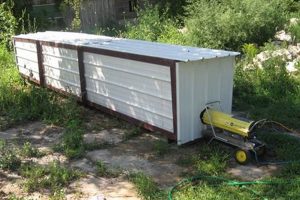
A self-constructed heating system designed to burn wood as its primary fuel source for generating heat. These systems typically involve modifying existing tanks or fabricating new ones to create a combustion chamber and heat exchanger. The heated water or steam can then be circulated through a building for space heating or used for domestic hot water purposes.
Utilizing renewable biomass as a heat source can offer a degree of energy independence and potentially reduce reliance on fossil fuels. Furthermore, in regions with readily available and sustainably harvested wood resources, the operating costs can be lower compared to systems powered by electricity, oil, or propane. Historically, similar technology has been employed in various forms, evolving from simple stoves to more complex water heating arrangements.
The following sections will explore the key considerations for designing and building such a system, including safety protocols, material selection, efficiency enhancements, and legal compliance.
Important Considerations for Constructing a Wood-Fueled Heating System
The construction of a wood-fueled heating system requires careful planning and execution. Adherence to the following guidelines is crucial for ensuring safety, efficiency, and longevity.
Tip 1: Prioritize Safety: Implementing multiple safety measures is paramount. Include pressure relief valves, temperature sensors, and automatic shut-off mechanisms to prevent overheating and potential explosions. Thoroughly research and comply with all relevant safety codes and regulations.
Tip 2: Select Durable Materials: Employ high-quality, heat-resistant materials such as thick-gauge steel for the combustion chamber and heat exchanger. The system’s longevity and efficiency depend significantly on the durability of its components.
Tip 3: Optimize Combustion Efficiency: Incorporate a secondary combustion chamber to burn off gases and particulates, thereby reducing emissions and maximizing heat extraction. Proper air intake design is also critical for complete combustion.
Tip 4: Ensure Adequate Water Circulation: A properly sized pump is essential for maintaining consistent water flow through the heat exchanger and distribution system. Insufficient circulation can lead to overheating and reduced efficiency.
Tip 5: Implement Effective Insulation: Insulate the system thoroughly to minimize heat loss and maintain optimal operating temperatures. This will reduce fuel consumption and improve overall efficiency.
Tip 6: Consider a Water Storage Tank: Integrating a well-insulated water storage tank allows for heat accumulation and distribution over extended periods, reducing the frequency of firing and providing a more consistent heat output.
Tip 7: Plan for Regular Maintenance: Design the system for easy access and cleaning. Regular maintenance, including chimney sweeping and ash removal, is vital for preventing creosote buildup and ensuring safe operation.
By focusing on safety, durability, and efficiency, one can create a heating system that provides reliable and cost-effective heat. However, remember to adhere local regulations, and consider consulting with experienced professional.
The following sections detail specific design considerations, including heat exchanger construction and system integration.
1. Combustion Efficiency

Combustion efficiency represents a critical performance metric for any self-constructed wood-fueled boiler system. It dictates the proportion of energy contained within the wood that is effectively converted into usable heat, directly influencing fuel consumption, emissions, and overall system operating costs.
- Primary Air Supply
The quantity and distribution of primary air, introduced below or through the fuel bed, influence the initial combustion process. Insufficient primary air leads to incomplete combustion, producing smoke and unburned hydrocarbons. Conversely, excessive primary air cools the combustion zone, reducing efficiency. Optimal air supply requires careful adjustment based on fuel type and burn rate.
- Secondary Air Injection
The introduction of secondary air above the fuel bed promotes the combustion of volatile gases and particulates released during the primary combustion phase. Properly designed secondary air systems increase overall combustion efficiency and reduce emissions by ensuring complete oxidation of unburned fuel components. Location and velocity of secondary air jets are crucial for effective mixing and combustion.
- Combustion Chamber Temperature
Maintaining a sufficiently high temperature within the combustion chamber is essential for complete combustion. High temperatures promote the oxidation of gases and particulates, leading to reduced emissions and increased heat output. Insulation of the combustion chamber and proper air management are critical for achieving and sustaining optimal combustion temperatures. Below optimal temperatures lead to creosote formation, increasing fire risk and reducing efficiency.
- Fuel Moisture Content
The moisture content of the wood fuel significantly impacts combustion efficiency. Wet wood requires a substantial amount of energy to evaporate the water before it can ignite and burn. This reduces the effective heat output and increases the production of smoke and creosote. Properly seasoned wood with low moisture content is crucial for maximizing combustion efficiency and minimizing emissions.
These aspects, combined with other design considerations, collectively determine the overall combustion efficiency of a wood-fueled heating system. Maximizing combustion efficiency through careful design and operation not only reduces fuel consumption but also minimizes environmental impact and enhances the long-term viability of the technology.
2. Heat Exchanger Design

The efficiency of a wood-fueled boiler hinges critically on the effectiveness of its heat exchanger. This component facilitates the transfer of thermal energy from the combustion gases to the water or other fluid used for heating. A poorly designed heat exchanger limits overall system performance and can lead to inefficiencies and safety concerns.
- Surface Area Optimization
The amount of surface area exposed to the hot combustion gases directly influences the rate of heat transfer. Larger surface areas allow for greater heat extraction, leading to increased efficiency. Designs incorporating finned tubes or other surface-enhancing features maximize the contact area between the flue gas and the heat transfer fluid. Insufficient surface area will result in a significant portion of the heat being lost up the chimney, reducing the overall system efficiency. Optimal dimensions should be considered by experienced professional.
- Flow Configuration
The relative direction of the combustion gases and the heat transfer fluid impacts the effectiveness of the heat exchange process. Counter-current flow, where the hot gases and the fluid move in opposite directions, generally yields the highest heat transfer rates. Parallel flow and crossflow configurations offer varying degrees of efficiency, but are often easier to implement. The chosen configuration must balance heat transfer performance with the complexity of fabrication.
- Material Selection and Thickness
The material used in the heat exchanger must withstand high temperatures and corrosive flue gases while possessing high thermal conductivity. Steel is a common choice, though specific alloys may be preferred for enhanced corrosion resistance. The thickness of the material affects both heat transfer efficiency and structural integrity. Thicker materials provide greater durability but can impede heat transfer. It should be chosen based on calculation by expertise only.
- Cleaning and Maintenance Access
Creosote and ash accumulation on the heat exchanger surfaces can significantly reduce heat transfer efficiency. The design should incorporate features that allow for easy cleaning and maintenance. Removable panels or access ports enable periodic inspection and cleaning, preventing a decline in performance over time. Easy access extends the operational lifetime of the overall system.
Effective heat exchanger design is paramount for realizing the full potential of a wood-fueled heating system. Optimizing surface area, carefully considering flow configuration, selecting appropriate materials, and providing for maintenance access contribute to a system that is both efficient and durable, maximizing the heat output from the fuel burned.
3. Material Durability

Material durability is a cornerstone of any safe and effective self-constructed wood-fueled boiler. The system’s components are subjected to intense heat, pressure, and corrosive byproducts of combustion. The selection of robust and heat-resistant materials directly impacts the boiler’s longevity, operational safety, and overall efficiency.
- Combustion Chamber Integrity
The combustion chamber endures the highest temperatures within the system. The material used in its construction must withstand prolonged exposure to extreme heat without warping, cracking, or degrading. Thick-gauge steel is a common choice, but specialized alloys offering superior heat resistance and corrosion protection can significantly extend the lifespan of this critical component. Premature failure of the combustion chamber compromises safety and necessitates costly repairs.
- Heat Exchanger Resilience
The heat exchanger facilitates the transfer of thermal energy from the combustion gases to the water. This process exposes the heat exchanger material to both high temperatures and potentially corrosive flue gases. The material selected must resist corrosion and erosion to maintain optimal heat transfer efficiency over time. Regular inspection and maintenance are essential to identify and address any signs of material degradation. Stainless steel is a premium option.
- Pressure Vessel Strength
If the design includes a pressurized water vessel, the material used in its construction must possess sufficient strength to withstand the operating pressure. Incorrect material selection or inadequate welding can lead to catastrophic failure, resulting in severe injury or property damage. Compliance with relevant pressure vessel codes and standards is mandatory to ensure safe operation. Qualified welding and inspection procedures are paramount.
- Gasket and Seal Performance
Gaskets and seals are used to prevent leaks in various parts of the system. These components must be made from materials that can withstand high temperatures and exposure to potentially corrosive fluids. Failure of gaskets or seals can lead to water leaks, reduced efficiency, and potentially dangerous steam or gas leaks. Regular inspection and replacement of worn or damaged gaskets and seals are essential for maintaining system integrity.
The long-term performance and safety of a self-constructed wood-fueled boiler are inextricably linked to the durability of the materials used in its construction. Prudent material selection, coupled with proper fabrication techniques and regular maintenance, are critical for ensuring a reliable and efficient heating solution.
4. Safety Mechanisms

The integration of comprehensive safety mechanisms within self-constructed wood-fueled boilers is not merely advisable, but fundamentally critical. These systems inherently involve the management of high temperatures, combustion processes, and potentially pressurized fluids, presenting significant risks if not meticulously controlled. The absence or inadequacy of safety mechanisms can rapidly escalate minor malfunctions into catastrophic events, resulting in property damage, severe injury, or loss of life. For example, without a properly functioning pressure relief valve, a buildup of steam pressure within the boiler could lead to an explosion, causing widespread damage and potential harm to individuals in the vicinity. Therefore, a robust set of safety features is an indispensable component of responsible construction and operation.
Effective safety protocols extend beyond simple components and encompass a holistic approach to risk mitigation. This includes incorporating multiple layers of protection, such as over-temperature sensors that automatically shut down the system in the event of overheating, low-water cutoffs that prevent damage to the heating element, and backdraft dampers that prevent the reverse flow of exhaust gases into the living space. Additionally, regular inspection and maintenance procedures play a vital role in identifying and addressing potential hazards before they escalate into critical failures. A real-world illustration of this principle is the routine inspection of flue pipes for creosote buildup, a highly flammable substance that can lead to chimney fires if left unchecked. Proper safety mechanism installation is key for boiler operations.
In conclusion, the implementation of thorough and redundant safety mechanisms is paramount for the responsible and secure operation of self-constructed wood-fueled boilers. This includes designing to prevent pressure building issues and maintaining key components. The challenges in this area are significant, requiring a deep understanding of thermodynamics, combustion principles, and relevant safety codes. Addressing these challenges proactively not only safeguards individuals and property but also contributes to the broader acceptance and sustainable use of wood-fueled heating technologies.
5. Water Circulation

Consistent and effective water circulation is integral to the performance and safety of any self-constructed wood-fueled boiler. Proper water flow facilitates uniform heat distribution, prevents localized overheating, and ensures efficient energy transfer from the combustion chamber to the heating distribution system.
- Pump Selection and Sizing
The pump is the heart of the circulation system. Selection must consider both flow rate and head pressure requirements to overcome frictional losses within the piping network. Undersized pumps will result in inadequate heat delivery, while oversized pumps can lead to cavitation and premature wear. An incorrectly sized pump can make the diy wood boiler unsafe for operations.
- Piping Configuration and Diameter
The layout and diameter of the piping network influence water flow resistance. Sharp bends and unnecessarily long runs increase frictional losses, reducing circulation efficiency. Proper pipe sizing ensures adequate flow velocity without creating excessive pressure drop. The water will stay still in the pipes if its’ too small which is an example from incorrect pipe size.
- Zoning and Control Valves
Implementing zoning allows for independent temperature control in different areas of the heated space. Zone valves regulate water flow to specific zones, optimizing comfort and energy efficiency. Precise control and valves are a must for a water circulation diy wood boiler.
- Expansion Tank Integration
As water is heated, it expands in volume. An expansion tank accommodates this increased volume, preventing pressure buildup within the system. A properly sized and installed expansion tank is crucial for maintaining system stability and preventing damage to components. Expansion tanks must be calculated based on boiler size and type.
These aspects of water circulation are interdependent and must be carefully considered during the design and construction phases. Effective water circulation not only enhances the performance of a wood-fueled boiler, but also contributes to its safety and longevity. Therefore, the time spent on designing and implementing this is worth the effort.
6. Regulatory Compliance

Regulatory compliance is paramount when constructing a self-built wood-fueled boiler. The operation of such systems is typically governed by local, regional, and sometimes national regulations that address safety, emissions, and environmental impact. Failure to adhere to these regulations can result in legal penalties, including fines, mandated system modifications, or even complete system shutdown. For instance, many jurisdictions have specific requirements regarding chimney height and construction materials to minimize the risk of chimney fires and ensure proper drafting of exhaust gases. Improper installation of a system that does not meet these requirements could lead to legal action and potential safety hazards for the property occupants and surrounding community.
The types of regulations that may affect the construction and use of wood-fueled boilers can include building codes, air quality regulations, and fire safety standards. Building codes often dictate the approved materials and installation methods for the boiler system, while air quality regulations specify emission limits for particulate matter and other pollutants. Fire safety standards typically address the clearance distances between the boiler and combustible materials, as well as the requirements for fire suppression systems. For example, in some areas, a permit is required prior to installing a wood-fueled boiler, and inspections are conducted to ensure compliance with all applicable codes and standards. Wood boiler regulations have varying levels of enforcement by governing organizations.
Understanding and complying with all relevant regulations is therefore an essential aspect of constructing a self-built wood-fueled boiler. Individuals undertaking such projects should thoroughly research the applicable regulations in their area, consult with local authorities, and ensure that their system meets all requirements before commencing operation. This proactive approach minimizes the risk of legal penalties, ensures the safety of the system, and promotes responsible environmental stewardship.
Frequently Asked Questions About Self-Constructed Wood-Fueled Boilers
The following addresses common inquiries regarding the design, construction, and operation of user-built wood-fired heating systems.
Question 1: What are the primary safety concerns associated with a self-constructed wood-fueled boiler?
The main hazards include over-pressurization leading to explosion, carbon monoxide poisoning due to incomplete combustion, and fire hazards stemming from creosote buildup or improper clearances. Thorough engineering and safety mechanisms, are crucial.
Question 2: What materials are most suitable for building the combustion chamber and heat exchanger?
Heavy-gauge steel is typically used for the combustion chamber due to its heat resistance. For the heat exchanger, steel or stainless steel are preferred, with stainless steel offering enhanced corrosion resistance. Material thickness depends on operating pressure and temperature.
Question 3: How can combustion efficiency be maximized in a self-built wood-fueled boiler?
Combustion efficiency is enhanced through proper air management (primary and secondary air), high combustion chamber temperatures, and the use of seasoned wood with low moisture content. A secondary combustion chamber is also beneficial.
Question 4: What are the key considerations for designing an effective heat exchanger?
Key factors include maximizing surface area for heat transfer, selecting a suitable flow configuration (counter-current flow is most efficient), using appropriate materials, and ensuring accessibility for cleaning and maintenance.
Question 5: How is water circulation properly managed in a self-constructed system?
Adequate water circulation requires a properly sized pump, well-designed piping, and an expansion tank to accommodate water expansion. Zoning and control valves allow for independent temperature regulation in different areas.
Question 6: What regulatory requirements should be considered before building a self-fueled wood boiler?
Applicable codes often pertain to building requirements, emissions standards, and safety regulations concerning fire prevention. Thorough investigation and confirmation is needed with local authorities to make sure laws are up to date.
Responsible design and construction practices, strict adherence to safety protocols, are essential for such a system.
The subsequent section delves into the economic considerations associated with utilizing self-constructed wood-fueled heating systems.
DIY Wood Boiler
This exploration has highlighted critical aspects of constructing a diy wood boiler, emphasizing the interplay between safety, efficiency, regulatory adherence, and material selection. The discussion addressed combustion optimization, heat exchanger design, water circulation, and essential safety mechanisms, all of which directly impact the system’s long-term viability and responsible operation.
While the prospect of a self-built heating system offers a degree of independence and potential cost savings, a cautious and well-informed approach is paramount. Thorough research, meticulous planning, and unwavering commitment to safety protocols are not merely recommended, but essential for mitigating the inherent risks. Proceeding without due diligence could result in severe consequences. Therefore, prioritize a responsible and safety conscious approach.