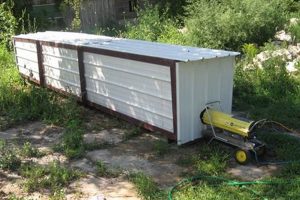
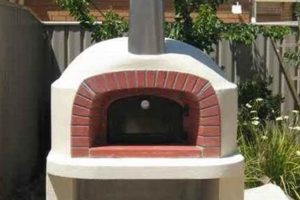
A self-assembled heating apparatus designed to combust solid fuel, typically timber, for the purpose of generating warmth characterizes a do-it-yourself heating system. These systems are often constructed using repurposed materials or readily available components and involve a degree of personal fabrication and customization. The intention is to provide an alternative, and potentially more economical, method of space heating.
The appeal of creating a personal heating solution stems from several factors, including reduced reliance on conventional energy sources, potential cost savings on heating bills, and the satisfaction derived from hands-on creation. Historically, wood has served as a primary heating source; constructing personal heating devices represents a continuation of this tradition, albeit often with modern adaptations and considerations for efficiency and safety. The practice aligns with principles of resourcefulness and self-sufficiency, offering a tangible connection to energy production.
Understanding the principles of combustion, heat transfer, and material properties is crucial before undertaking the construction of any heating device. The following sections will delve into the critical safety considerations, design principles, construction methodologies, and efficiency enhancements associated with creating solid fuel-burning heating solutions, emphasizing the importance of responsible and informed practices.
Construction and Operation Tips
Effective construction and safe operation are paramount when considering a self-built solid fuel heating system. These guidelines offer critical advice for ensuring both functionality and safety.
Tip 1: Material Selection: Prioritize robust, heat-resistant materials, such as thick-gauge steel, for the combustion chamber. Avoid galvanized metals or materials containing potentially hazardous coatings, as high temperatures can release toxic fumes.
Tip 2: Proper Ventilation: Ensure adequate ventilation is provided to supply sufficient oxygen for complete combustion. Insufficient airflow leads to incomplete combustion, producing carbon monoxide, a dangerous and odorless gas.
Tip 3: Secure Chimney Installation: A properly installed chimney is essential for venting exhaust gases safely outside the structure. Ensure the chimney extends adequately above the roofline to promote effective draft and prevent backdrafting.
Tip 4: Clearance to Combustibles: Maintain strict clearance distances between the heating device and any nearby combustible materials, such as wood framing, fabrics, or furniture. Consult local building codes for specific clearance requirements.
Tip 5: Regular Inspection and Maintenance: Conduct regular inspections of the heating device, chimney, and flue pipes. Clean the chimney at least annually to remove creosote buildup, a highly flammable byproduct of wood combustion.
Tip 6: Carbon Monoxide Detection: Install functioning carbon monoxide detectors within the heated space and test them regularly. These devices provide critical early warning in the event of carbon monoxide leakage.
Tip 7: Fire Extinguisher Accessibility: Keep a readily accessible Class A fire extinguisher nearby. Ensure that all occupants of the space are familiar with its operation and the proper procedures for extinguishing a wood fire.
Following these recommendations significantly mitigates risks associated with solid fuel heating. Safety and efficiency are integral to the successful deployment of a self-constructed heating solution.
The final section addresses regulatory considerations and compliance, essential for ensuring responsible and legal operation.
1. Material Selection
Material selection represents a foundational element in the design and construction of any solid fuel heating apparatus. The properties of chosen materials directly influence the system’s efficiency, longevity, and, most critically, its operational safety. The intense thermal stresses associated with combustion necessitate the use of materials capable of withstanding high temperatures without degradation, deformation, or the release of harmful substances. For example, using thin-gauge steel for the combustion chamber can lead to rapid material failure, potentially resulting in structural collapse and fire hazards. Conversely, selecting appropriate refractory materials enhances heat retention, improving combustion efficiency and reducing fuel consumption.
The choice of materials extends beyond the primary combustion chamber. Flue pipes, chimneys, and surrounding structural components require careful consideration. The use of galvanized steel in flue pipes, though seemingly cost-effective, poses a significant hazard due to the release of toxic zinc oxide fumes at elevated temperatures. Instead, black steel stovepipe or stainless steel, specifically designed for high-temperature applications, is essential. Moreover, insulating materials used to minimize heat loss must be non-combustible and rated for the expected temperatures. Failure to adhere to these material specifications significantly increases the risk of fire.
In summary, appropriate material selection is not merely a matter of convenience or cost; it is a critical safety imperative. Improper material choices can lead to structural failure, toxic emissions, and increased fire risk. A thorough understanding of material properties, temperature ratings, and potential hazards is thus indispensable for the safe and effective construction of a solid fuel heating system. Regulatory compliance related to approved materials must be verified and implemented to avoid costly penalties.
2. Combustion Efficiency
Combustion efficiency, in the context of a self-assembled heating system, denotes the completeness with which solid fuel, typically wood, is converted into heat energy. A system with high combustion efficiency maximizes heat output while minimizing the emission of unburned byproducts, such as smoke, particulate matter, and carbon monoxide. Inefficient combustion, conversely, results in wasted fuel, reduced heat output, and increased air pollution. The design and construction of a heating device directly influence combustion efficiency. Factors such as air supply, combustion chamber geometry, and flue design all play critical roles in determining how effectively the fuel is burned. For instance, insufficient air supply leads to incomplete combustion, generating significantly less heat and producing hazardous emissions. A real-world example is a poorly designed unit with restricted airflow resulting in creosote buildup in the chimney, a fire hazard, and reduced heating capacity.
Achieving optimal combustion efficiency requires careful consideration of several design parameters. A well-insulated combustion chamber maintains high temperatures, promoting more complete fuel oxidation. Secondary air injection systems introduce additional oxygen into the combustion zone, burning off remaining unburned gases and further reducing emissions. Baffles and other internal structures can increase residence time, allowing for more complete combustion. The choice of fuel also affects efficiency. Seasoned, dry wood burns more cleanly and efficiently than green or wet wood. Furthermore, proper maintenance, including regular cleaning of the chimney and combustion chamber, is essential for maintaining optimal performance. A clean chimney ensures adequate draft, while a clean combustion chamber allows for efficient heat transfer.
In conclusion, combustion efficiency is a paramount consideration in the design and operation of any solid fuel heating system. Maximizing combustion efficiency not only reduces fuel consumption and lowers heating costs but also minimizes environmental impact and enhances safety. Careful attention to design details, fuel selection, and regular maintenance is essential for achieving optimal combustion performance. This understanding is not merely theoretical; it has direct, practical implications for the safety, efficiency, and environmental responsibility of personal heating systems. Addressing these issues reduces reliance on conventional energy sources.
3. Ventilation Design
Ventilation design forms a critical, inextricable link to the safe and effective operation of any solid-fuel burning heating apparatus. Insufficient or improperly designed ventilation directly contributes to incomplete combustion, producing carbon monoxide, a colorless, odorless, and highly toxic gas. Moreover, inadequate ventilation leads to the buildup of creosote within the chimney system, significantly increasing the risk of chimney fires. A properly designed ventilation system provides the necessary oxygen for complete combustion, minimizes harmful emissions, and ensures the safe expulsion of exhaust gases. A real-world example underscores this point: a self-built heating unit lacking sufficient air intake resulted in elevated carbon monoxide levels within the dwelling, necessitating immediate evacuation and highlighting the potentially lethal consequences of neglecting ventilation design.
The principles of effective ventilation design involve several key considerations. The size and placement of air inlets must be carefully calculated to provide an adequate supply of oxygen for the expected fuel load. The chimney system must be sized and constructed to create a sufficient draft, ensuring the efficient removal of combustion gases. The overall design should also account for prevailing wind conditions and potential downdrafts, which can impede proper ventilation. Practical application of these principles requires a thorough understanding of fluid dynamics, combustion chemistry, and building codes. Furthermore, incorporating safety mechanisms such as barometric dampers can help to regulate draft and prevent overfiring, adding an additional layer of protection.
In summary, ventilation design is not merely an ancillary consideration; it is a fundamental prerequisite for the safe and efficient operation of a solid-fuel heating system. Improper ventilation can have severe consequences, ranging from carbon monoxide poisoning to chimney fires. A comprehensive understanding of ventilation principles, coupled with meticulous attention to design and construction details, is essential for ensuring the safety and effectiveness of self-assembled heating apparatus. Neglecting this vital aspect undermines the potential benefits of such systems and introduces unacceptable risks.
4. Structural Integrity
Structural integrity is a paramount concern in the design and construction of a solid fuel heating system. The high temperatures and thermal stresses inherent in combustion processes place significant demands on the materials and construction methods employed. Failure to ensure adequate structural integrity can lead to catastrophic consequences, including structural collapse, fire spread, and the release of hazardous combustion products into the living space. The connection between structural integrity and a heating apparatus is direct and causal: inadequate structural design will inevitably result in system failure, potentially endangering lives and property. A real-world example illustrates this point: a self-built heater constructed with insufficient weld strength experienced a catastrophic seam failure, resulting in a rapid release of burning embers and igniting nearby combustible materials. This incident underscores the critical importance of robust structural design and execution.
The assessment of structural integrity encompasses several key areas. Material selection is critical, with high-temperature-rated steels and refractory materials being essential for the combustion chamber and flue components. Welding, bolting, or other joining methods must be executed to exacting standards, ensuring the structural soundness of the entire assembly. Furthermore, the design must account for thermal expansion and contraction, preventing stress concentrations that can lead to material fatigue and failure. The structural support system for the heater itself must also be adequate to bear the weight of the unit, especially when fully loaded with fuel. Regular inspections are vital to identify any signs of stress, corrosion, or material degradation that could compromise structural integrity. Practical applications of this understanding extend to the implementation of finite element analysis in the design phase, allowing for the prediction of stress distributions and the optimization of structural components. These considerations apply even more acutely to self-built designs.
In conclusion, structural integrity is not a mere design consideration but a fundamental safety requirement for any solid fuel heating system. The potential consequences of structural failure are severe, necessitating a rigorous approach to design, material selection, construction, and maintenance. Neglecting structural integrity introduces unacceptable risks and undermines the potential benefits of self-built heating solutions. Ensuring the structural soundness of these systems requires a commitment to sound engineering principles and meticulous execution. This understanding provides safer systems and avoids potential disasters.
5. Safety Protocols
The intersection of safety protocols and self-assembled solid fuel heating devices constitutes a critical area of concern. Construction and operation of such systems, inherently involving combustion processes, present a range of potential hazards, including fire, carbon monoxide poisoning, and structural failure. Strict adherence to comprehensive safety protocols directly mitigates these risks, transforming a potentially dangerous undertaking into a manageable and reasonably safe activity. The cause-and-effect relationship is clear: negligence in following safety protocols invariably increases the likelihood of adverse events. For instance, failure to install carbon monoxide detectors can lead to undetected exposure to lethal levels of the gas, while inadequate fire suppression measures can allow a small fire to escalate into a major conflagration. Safety protocols are not optional add-ons but integral components of a responsible approach to self-built heating systems, akin to wearing safety goggles when operating power tools.
The practical application of safety protocols extends beyond mere compliance with regulations; it necessitates a thorough understanding of the underlying principles of combustion, heat transfer, and material science. For example, establishing and maintaining appropriate clearance distances between the heating device and combustible materials requires knowledge of heat radiation and convection. Regular inspection and maintenance of the chimney and flue system demand familiarity with the formation and removal of creosote. Proper fuel storage practices necessitate an understanding of the fire risks associated with different types of wood and the importance of adequate ventilation in fuel storage areas. The absence of this knowledge undermines the effectiveness of even the most meticulously documented safety protocols. An incident involving a self-built heater, where improper fuel storage led to a spontaneous combustion event, underscores this point.
In conclusion, safety protocols are not merely a list of rules but a comprehensive framework for managing risk associated with self-assembled solid fuel heating systems. Their effectiveness hinges on both strict adherence and a deep understanding of the underlying principles. Challenges remain in ensuring consistent implementation of safety protocols, particularly in unregulated or informal settings. However, the potential consequences of neglecting safety are too severe to justify compromise. A proactive approach, prioritizing safety at every stage of design, construction, and operation, is essential for realizing the potential benefits of solid fuel heating while minimizing the associated risks. Furthermore, integration with, and strict observation of, existing local fire codes further minimizes risk.
6. Regulatory Compliance
Regulatory compliance, in the context of self-constructed solid fuel heating systems, represents a critical, often overlooked, aspect of design and operation. The legality and safety of such devices are governed by a complex web of local, regional, and, in some cases, national regulations. Adherence to these regulations is not merely a matter of legal obligation; it is essential for ensuring the safety of the occupants, the structural integrity of the building, and the protection of the environment.
- Building Codes and Permits
Local building codes frequently dictate specific requirements for the installation of solid fuel heating appliances, including flue pipe specifications, chimney construction standards, and minimum clearance distances from combustible materials. Obtaining the necessary permits prior to construction is often mandated, and inspections may be required to verify compliance. Failure to adhere to these codes can result in fines, legal action, and, in extreme cases, the forced removal of the heating system. An example includes needing a building permit for any structural changes made to accommodate the flue system, requiring adherence to local codes for chimney height and placement.
- Emissions Standards
Many jurisdictions impose emissions standards for solid fuel heating devices, limiting the amount of particulate matter and other pollutants that can be released into the atmosphere. These standards are often enforced through certification programs, requiring appliances to meet specific performance criteria. Self-constructed heating systems may face significant challenges in meeting these standards, as they lack the standardized testing and certification of commercially available products. Compliance may necessitate the incorporation of advanced combustion technologies, such as secondary air injection systems, and the use of specific fuel types. Local municipalities may prohibit burning certain material like treated wood or trash, for example, directly affecting fuel choices for systems.
- Fire Safety Regulations
Fire safety regulations encompass a broad range of requirements aimed at preventing and mitigating the risk of fires associated with solid fuel heating appliances. These regulations may include mandates for the installation of smoke detectors and carbon monoxide detectors, specifications for fire-resistant construction materials, and requirements for fire suppression equipment. Compliance often involves demonstrating that the heating system is designed and installed in a manner that minimizes the risk of fire spread and provides adequate means of escape in the event of a fire. Clear pathways for evacuation and the presence of working fire extinguishers are often prerequisites.
- Insurance Requirements
Homeowners insurance policies often contain specific clauses related to solid fuel heating systems. Insurers may require that the system be installed by a qualified professional, meet specific safety standards, and be regularly inspected and maintained. Failure to comply with these requirements can invalidate the insurance policy, leaving the homeowner financially liable in the event of a fire or other incident. Contacting an insurance provider prior to installing any heating system ensures coverage and reduces the risk of policy cancellation due to unapproved modifications.
These facets highlight the complex landscape of regulatory compliance surrounding self-assembled heating systems. The legal, safety, and environmental implications of non-compliance are significant, underscoring the importance of thorough research, meticulous planning, and adherence to all applicable regulations. Responsible construction and operation of these heating systems necessitate a proactive approach to regulatory compliance, ensuring the safety and well-being of the community.
Frequently Asked Questions
The following questions address common concerns and misconceptions regarding the construction and operation of self-assembled solid fuel heating systems. The responses aim to provide clear and informative guidance based on established principles of engineering and safety.
Question 1: Is constructing a DIY wood burning heater a cost-effective alternative to purchasing a commercially available unit?
Cost savings may be realized in certain circumstances, however, a thorough cost-benefit analysis should be conducted before undertaking such a project. Factors to consider include the cost of materials, tools, and labor, as well as the potential for increased fuel consumption due to lower combustion efficiency compared to certified appliances. Additionally, the potential for higher insurance premiums and the risk of fines for non-compliance with building codes must be factored into the equation. The long-term operational costs can easily outweigh any initial savings if these variables are ignored.
Question 2: What are the primary safety concerns associated with a self-built solid fuel heating system?
The principal safety concerns encompass fire hazards, carbon monoxide poisoning, and structural failure. Fire hazards can arise from improper clearances between the heater and combustible materials, creosote buildup in the chimney, and the use of unsuitable construction materials. Carbon monoxide poisoning can result from incomplete combustion due to inadequate ventilation. Structural failure can occur due to improper design, substandard construction, or the use of materials incapable of withstanding the high temperatures and thermal stresses involved.
Question 3: What types of materials are suitable for constructing the combustion chamber of a self-built solid fuel heater?
The combustion chamber should be constructed from heavy-gauge steel or refractory materials specifically designed for high-temperature applications. The use of galvanized steel or materials containing potentially hazardous coatings is strictly prohibited, as these materials can release toxic fumes when heated. The chosen material must be capable of withstanding continuous exposure to temperatures exceeding 500 degrees Fahrenheit without significant degradation or deformation. Repurposed propane tanks require extreme caution to ensure all flammable residues have been removed.
Question 4: How can combustion efficiency be maximized in a DIY wood burning heater?
Combustion efficiency can be optimized through a combination of design features, including a well-insulated combustion chamber, a properly sized air inlet, and a flue system that promotes adequate draft. Secondary air injection systems can further enhance combustion efficiency by introducing additional oxygen into the combustion zone, burning off unburned gases and reducing emissions. Using properly seasoned, dry wood is essential, as wet or green wood burns inefficiently and produces excessive smoke and creosote.
Question 5: What steps should be taken to ensure adequate ventilation and prevent carbon monoxide poisoning?
Adequate ventilation requires a properly sized and positioned air inlet to supply sufficient oxygen for complete combustion. The chimney system must be designed to create a strong draft, ensuring the efficient removal of combustion gases from the living space. Installing carbon monoxide detectors is essential as an additional safety measure, providing early warning in the event of carbon monoxide leakage. Regular inspection and maintenance of the ventilation system are also crucial for ensuring its continued effectiveness.
Question 6: Are there specific regulations or building codes that govern the construction and installation of DIY wood burning heaters?
Yes, most jurisdictions have specific regulations and building codes that govern the construction and installation of solid fuel heating appliances. These codes often address issues such as flue pipe specifications, chimney construction standards, minimum clearance distances from combustible materials, and emissions standards. It is imperative to consult with local building officials and obtain the necessary permits prior to commencing construction. Failure to comply with these regulations can result in fines, legal action, and the forced removal of the heating system.
The considerations outlined above highlight the complexities involved in DIY systems. Potential builders must approach the task with caution, diligence, and an unwavering commitment to safety and regulatory compliance.
The following section will provide a summary of best practices and recommendations for ensuring the safe and efficient operation of a self-built solid fuel heating system.
DIY Wood Burning Heater
The preceding exploration into “diy wood burning heater” systems has underscored the complex interplay of engineering principles, safety considerations, and regulatory requirements. This examination highlighted critical areas such as material selection, combustion efficiency, ventilation design, structural integrity, safety protocols, and the necessity of strict regulatory compliance. The potential for cost savings and self-sufficiency must be carefully weighed against the inherent risks and complexities associated with constructing and operating such systems.
Given the significant safety concerns and the potential for legal ramifications, individuals contemplating a “diy wood burning heater” project should proceed with extreme caution. A thorough understanding of relevant engineering principles, rigorous adherence to safety protocols, and strict compliance with all applicable regulations are paramount. Failure to prioritize these elements can result in serious consequences, including fire, carbon monoxide poisoning, and legal penalties. The decision to undertake such a project demands careful deliberation and a commitment to responsible, informed practices.