The construction of homemade fly catchers for exterior environments involves creating devices designed to attract and trap flying insects, specifically flies, in outdoor settings. These typically utilize a container, an attractant (often a sweet liquid), and a mechanism to prevent the insects from escaping once inside. For example, a plastic bottle can be repurposed by inverting its cut-off top into the base, with sugar water placed inside to lure the flies.
Implementing these solutions offers a cost-effective and environmentally conscious alternative to commercially available insecticides. They can significantly reduce fly populations around patios, gardens, and refuse areas, minimizing annoyance and potential health risks associated with these pests. Historically, similar methods have been employed using readily available materials and natural attractants to manage insect populations in agricultural and domestic settings.
The subsequent sections will detail various methods for constructing these insect control devices, the types of attractants that prove most effective, and best practices for deploying and maintaining them to achieve optimal results.
Practical Considerations for Constructing Exterior Insect Control Devices
Effective deployment and maintenance of self-assembled fly traps in outdoor environments requires careful consideration of several factors to ensure optimal performance and longevity.
Tip 1: Location Selection: Position the device strategically in areas with high fly activity, such as near garbage bins, compost heaps, or pet waste areas. Avoid placing traps in areas frequented by beneficial insects, such as pollinators.
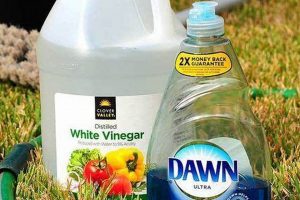
Tip 2: Attractant Selection: Experiment with different attractants to determine the most effective option for the specific fly species present. Common choices include sugar water, fruit scraps, vinegar, or fermented solutions. Monitor the trap and adjust the attractant as needed.
Tip 3: Design Considerations: Ensure the trap design effectively prevents escape. A narrow entry point leading into a larger holding chamber is generally effective. Consider adding a sticky substance to the interior walls of the trap to further immobilize trapped insects.
Tip 4: Weather Protection: Protect the trap from direct sunlight and rain to prevent dilution of the attractant and degradation of the device materials. A simple shelter, such as an overhanging eave or a purpose-built cover, can extend the trap’s lifespan.
Tip 5: Regular Maintenance: Empty and clean the trap regularly to maintain its effectiveness and prevent unpleasant odors. The frequency of cleaning will depend on the fly population density and the capacity of the trap. Dispose of the trapped insects responsibly.
Tip 6: Material Durability: Choose durable and weather-resistant materials for constructing the trap, such as sturdy plastics or coated metals. This will ensure the device can withstand outdoor conditions and provide long-term insect control.
Tip 7: Safety Precautions: When handling attractants or cleaning traps, wear appropriate protective gear, such as gloves. Keep traps out of reach of children and pets to prevent accidental ingestion of the attractant.
By carefully addressing these practical considerations, the effectiveness and longevity of self-made fly traps can be significantly improved, providing a more sustainable approach to managing fly populations in outdoor environments.
The subsequent section will provide detailed instructions on how to make various outdoor fly traps, and additional strategies to complement your fly control measures.
1. Attractant Efficacy

Attractant efficacy directly influences the success of any insect control device created for outdoor use. The selection of an inappropriate or weak attractant will result in a low capture rate, rendering the trap largely ineffective despite any sophistication in its design or placement. The relationship is causal: higher attractant efficacy leads directly to a greater number of flies entering the trap. Consider, for instance, the difference in fly capture between a trap baited with plain water versus one using a fermenting fruit mixture; the latter demonstrably attracts significantly more flies due to its potent olfactory cues.
The importance of attractant efficacy as a fundamental component of a homemade fly trap cannot be overstated. Without a compelling attractant, the trap simply will not fulfill its purpose. Practical application demands continuous observation and adjustment. The specific fly species present in a given environment may exhibit preferences for different attractants. What works in one location or season may prove less effective in another. For example, a molasses-based attractant might excel in attracting house flies, while a protein-based attractant is more effective for blow flies.
In summary, the effectiveness of these exterior devices depends significantly on choosing and maintaining the most appealing attractant. Challenges include identifying attractants specific to local fly populations and mitigating environmental factors impacting the attractant’s potency. Ongoing assessment and modification of the attractant are crucial for achieving sustained fly control through self-made traps.
2. Trap Design

Trap design is integral to the efficacy of any exterior insect capture device. The physical structure dictates its ability to attract, contain, and ultimately neutralize target pests. A flawed design negates the effectiveness of even the most potent attractants. Thus, careful consideration of design principles is paramount when undertaking homemade fly trap construction.
- Entry Point Configuration
The entry point geometry directly influences fly access. Designs incorporating narrow, downward-sloping entrances exploit the natural flight patterns of flies. Once inside, the restricted opening hinders their escape. An example includes the inverted bottle trap design, where a cut and inverted bottle neck creates a funnel, directing flies towards the attractant while impeding upward flight for exit. Implications involve maximizing capture rates by leveraging fly behavior and minimizing the likelihood of escape.
- Containment Volume and Shape
The size and shape of the trap’s holding chamber impact capture capacity and effectiveness. Sufficient volume prevents overcrowding, which can deter entry and facilitate escape. The shape influences light distribution and air circulation, potentially affecting fly behavior. A wide-based container, for instance, can accommodate a larger quantity of attractant and create a more stable environment, minimizing spillage. This demonstrates the importance of choosing dimensions that encourage entry and limit escape within a homemade trap.
- Material Transparency and Color
Material characteristics, such as transparency and color, can affect the trap’s attractiveness. Clear materials allow sunlight to penetrate, potentially warming the attractant and increasing its volatile emissions, thus enhancing its allure. Certain colors may also be more attractive to specific fly species. Yellow, for example, is often used in commercial traps due to its high visibility to many insects. Consequently, material selection plays a role in optimizing the visual and olfactory appeal of the trapping mechanism.
- Structural Stability and Weather Resistance
Outdoor deployment necessitates robust construction capable of withstanding environmental conditions. Wind, rain, and sunlight exposure can degrade trap materials and compromise structural integrity. Designs incorporating durable, weather-resistant materials, such as heavy-duty plastics or coated metals, are essential for longevity. Secure construction prevents tipping or collapse, ensuring continued functionality over extended periods. This highlights the need for practical, durable design choices in outdoor insect control.
These considerations illustrate how specific design elements synergistically impact the performance of exterior fly control devices. From entry point geometry to structural stability, each facet contributes to the overall efficacy of the trap. A successful homemade fly trap requires a holistic approach, integrating these design elements to maximize capture rates and ensure long-term effectiveness. By understanding these principles, individuals can tailor their construction efforts to meet the specific challenges of their local environment and target fly populations.
3. Location Placement

The efficacy of any exterior fly control measure is significantly determined by strategic location placement. Homemade devices, regardless of their sophisticated design or attractant potency, are limited by their immediate surroundings. Improper placement undermines their potential, resulting in suboptimal fly capture rates. Consequently, understanding and implementing effective placement strategies is crucial for maximizing the impact of these control devices.
The principle underlying effective placement is to position the trap in areas frequented by flies. Common high-traffic zones include areas near refuse containers, compost piles, pet excrement, outdoor eating spaces, and gardens where decaying organic matter is present. Positioning traps upwind from these sources can capitalize on wind currents to disperse the attractant’s scent, thereby expanding the trap’s effective range. Conversely, placing traps in sheltered locations protects them from adverse weather, preventing dilution of the attractant and extending their operational lifespan. For instance, a bottle trap containing a fermenting fruit attractant positioned adjacent to an overflowing garbage bin will likely capture significantly more flies than the same trap placed in an open, sparsely populated area of the yard. The effectiveness of a sticky trap placed near a pet waste area, where flies are drawn to the scent, demonstrates the principle effectively.
Strategic placement of these devices is, therefore, not a mere afterthought, but an integral component of a successful fly control strategy. Challenges include identifying the specific fly breeding and feeding sites in a given environment and adapting trap placement accordingly. Careful observation of fly behavior, combined with knowledge of their preferred habitats, informs optimal location decisions. In conclusion, the success of “outdoor fly trap diy” hinges on integrating appropriate placement strategies, ensuring that these devices are positioned to intercept and mitigate fly populations effectively. The effectiveness of the trap depends on the environment where it is situated.
4. Material Selection
Material selection is a cornerstone of effective self-assembled exterior fly traps, directly influencing durability, functionality, and environmental impact. Choices extend beyond mere cost considerations, requiring a balanced assessment of longevity, insect interaction, and ecological consequences.
- Durability and Weather Resistance
The selected material must withstand outdoor environmental factors, including UV radiation, precipitation, and temperature fluctuations. Plastics, such as polyethylene or polypropylene, offer inherent water resistance and can be stabilized against UV degradation. Metals, while offering superior strength, require coatings to prevent corrosion. For example, using an uncoated steel container in a humid climate will result in rapid rust and structural failure. The choice impacts trap lifespan and necessitates consideration of regional climate conditions.
- Insect Interaction and Surface Properties
Surface properties influence the fly’s interaction with the trap. Smooth, non-porous surfaces, such as those found in certain plastics, prevent attractant absorption and simplify cleaning. Conversely, rough or textured surfaces can provide footholds for flies, potentially increasing capture rates in some designs. Material color also plays a role; transparent materials may allow sunlight penetration, altering attractant volatility and potentially influencing fly attraction. Thus, surface characteristics are essential for optimizing the interaction between flies and the trap.
- Attractant Compatibility
The chosen material must be chemically compatible with the intended attractant. Certain plastics can degrade or leach chemicals when exposed to acidic or alkaline solutions, potentially reducing attractant efficacy or releasing harmful substances into the environment. Glass is generally inert, but its fragility limits its use in many outdoor applications. Ensuring compatibility between the trap material and attractant is critical for maintaining both trap integrity and attractant effectiveness. For example, using a polystyrene container with a citrus-based attractant could lead to container degradation over time.
- Environmental Impact and Sustainability
Material selection should consider the environmental impact of the trap, from production to disposal. Recycled or recyclable materials, such as certain plastics or metals, offer a more sustainable alternative to virgin materials. Biodegradable options, while limited in availability and durability, can minimize environmental impact at the end of the trap’s lifespan. Selecting materials with lower embodied energy and recyclability promotes a more responsible and eco-conscious approach to insect control.
In summary, material selection is a multi-faceted decision process in the construction of self-made exterior fly traps. Balancing durability, insect interaction, attractant compatibility, and environmental sustainability ensures the construction of an effective and responsible insect control device. Careful consideration of these facets contributes to long-term effectiveness and minimized ecological impact.
5. Maintenance Schedule

A structured maintenance schedule is a critical, often underestimated, element in the successful implementation of exterior insect control solutions. The consistent efficacy of a self-constructed fly trap depends directly on adherence to a defined cleaning and replenishment protocol. Failure to maintain the device regularly results in diminished performance, rendering the initial construction effort largely ineffective. The cause-and-effect relationship is clear: neglecting maintenance leads to reduced fly capture rates. For example, an outdoor fly trap left uncleaned for an extended period accumulates dead insects, creating an unpleasant odor that can deter other flies from entering. Furthermore, the attractant degrades over time due to evaporation, dilution from rain, or decomposition, significantly reducing its effectiveness.
The establishment of a maintenance schedule addresses these issues proactively. Regular emptying of the trap removes decaying matter and maintains a sanitary environment. Replenishing the attractant ensures a consistent and appealing lure for flies. The frequency of maintenance depends on environmental factors, such as temperature, humidity, and fly population density. In warmer climates with high fly activity, more frequent maintenance is necessary. Practical application requires a flexible approach, adjusting the schedule based on observed performance. A simple weekly check can identify potential problems, such as attractant depletion or trap damage, allowing for timely intervention. This could entail replenishing the attractant, cleaning the trap, or repairing any structural issues.
In conclusion, integrating a consistent maintenance schedule is paramount for the long-term success of self-made exterior fly traps. The schedule should address cleaning, attractant replenishment, and structural integrity. The challenges of irregular maintenance include reduced efficacy and unsanitary conditions. Addressing these challenges through a structured schedule ensures sustained fly control, maximizing the return on investment in time and resources. The effectiveness of the trap depends as much on ongoing maintenance as on initial design and materials.
Frequently Asked Questions
This section addresses common inquiries regarding the construction and implementation of homemade fly traps for exterior environments, providing detailed and practical answers.
Question 1: What is the optimal placement height for an outdoor fly trap to maximize its effectiveness?
Optimal placement height varies depending on the specific fly species targeted and the surrounding environment. As a general guideline, traps should be positioned at approximately eye level, or about 4-6 feet from the ground. This height allows for efficient scent dispersal and easy access for flies while minimizing interference from ground-dwelling creatures. Placement near fly breeding or feeding sites is also crucial, regardless of height.
Question 2: How frequently should the attractant in a homemade fly trap be replaced?
The attractant replacement frequency depends on temperature, humidity, and fly population density. In warm and humid conditions, attractants degrade more quickly, necessitating more frequent replacement. A general guideline is to replace the attractant every 1-2 weeks, or sooner if it becomes diluted by rain or heavily contaminated with dead insects. Regular monitoring is essential to determine the optimal replacement schedule.
Question 3: Are there any attractants that are specifically more effective for certain fly species?
Yes, different fly species exhibit preferences for different attractants. Sugar-based attractants are generally effective for house flies, while protein-based attractants, such as meat scraps or fish emulsion, are more effective for blow flies and flesh flies. Fermented fruit or vinegar-based attractants can also attract fruit flies. Experimentation with different attractants is recommended to determine the most effective option for the specific fly species present in a given environment.
Question 4: Can homemade fly traps attract beneficial insects, such as bees or butterflies?
While it is possible for homemade fly traps to attract beneficial insects, this risk can be minimized by carefully selecting attractants and trap placement. Avoid using sweet or floral-scented attractants that are likely to attract pollinators. Place traps away from flowering plants and in areas with high fly activity, reducing the likelihood of attracting non-target insects. Regular monitoring and adjustments to trap design can also help minimize bycatch.
Question 5: What are the recommended safety precautions when handling homemade fly traps and their contents?
When handling homemade fly traps and their contents, it is essential to wear gloves to prevent direct contact with potentially contaminated materials. Avoid inhaling fumes from the attractant, especially if it contains fermented or decaying matter. Keep traps out of reach of children and pets to prevent accidental ingestion of the attractant or contact with trapped insects. Dispose of the contents of the trap responsibly, following local regulations for waste disposal.
Question 6: How does the color of the fly trap impact its effectiveness?
The color of a fly trap can influence its attractiveness to flies. Yellow is often used in commercial traps due to its high visibility to many insect species. Dark colors, such as black or dark blue, can absorb heat from sunlight, potentially increasing the volatility of the attractant and enhancing its scent dispersal. However, excessively dark colors may also deter some flies. Experimentation with different colors may be necessary to determine the most effective option for a given environment and fly population.
These answers provide a foundation for effectively constructing and utilizing homemade fly traps. Remember, consistent maintenance and strategic placement are crucial for achieving sustained fly control.
The subsequent section will provide guidance on troubleshooting common issues encountered with self-made outdoor fly traps.
Conclusion
The preceding examination of “outdoor fly trap diy” has highlighted the multifaceted nature of effective self-made insect control. The interaction of attractant efficacy, trap design, location placement, material selection, and consistent maintenance dictates the ultimate success of these endeavors. A comprehensive understanding of each element allows for a more strategic and targeted approach to managing fly populations in exterior settings.
Continued research and refinement of these methods hold significant potential for promoting environmentally conscious and cost-effective pest management solutions. By prioritizing responsible construction practices and diligent upkeep, individuals can contribute to a more sustainable approach to outdoor insect control, mitigating the reliance on conventional insecticides and fostering a healthier ecosystem.