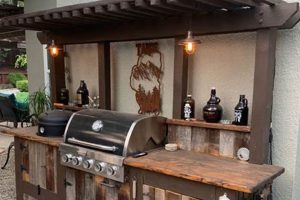
A self-constructed exterior storage unit provides an enclosure designed to withstand environmental elements. These units are typically built for placement on patios, decks, or within garden spaces to house gardening tools, grilling equipment, or recreational items. For instance, a homeowner might construct one to keep pool supplies organized and protected from the weather.
The advantages of creating such a structure include customization to specific space requirements and aesthetic preferences, often at a lower cost than purchasing pre-fabricated alternatives. Historically, individuals have sought to build their own storage solutions to address unique needs and to exercise control over materials and design. These projects offer a sense of accomplishment and contribute to personalized outdoor living spaces.
The following sections will delve into material selection, essential tools, construction techniques, and design considerations for creating a durable and visually appealing storage solution for exterior applications. Considerations for weatherproofing and maintenance will also be addressed to ensure longevity.
Construction Recommendations for Exterior Storage Units
The following recommendations offer guidance for constructing durable and functional exterior storage units, enhancing outdoor organization and protecting stored items from the elements.
Tip 1: Prioritize Weather-Resistant Materials: Select lumber treated for outdoor use, such as pressure-treated pine or cedar. These materials resist rot, insect damage, and moisture absorption, extending the unit’s lifespan.
Tip 2: Implement Proper Drainage: Design the unit with a sloped top or install roofing material to facilitate water runoff. Incorporate drainage holes in the base to prevent water accumulation and potential damage.
Tip 3: Ensure Structural Integrity: Utilize robust joinery techniques, such as mortise and tenon or pocket screws, to create strong and stable connections. Reinforce corners and stress points with metal brackets or additional support structures.
Tip 4: Apply a Protective Finish: Seal the exterior surfaces with a high-quality paint or stain designed for outdoor use. This provides an additional layer of protection against UV radiation, moisture, and temperature fluctuations.
Tip 5: Select Durable Hardware: Choose hinges, latches, and handles made from corrosion-resistant materials such as stainless steel or brass. This prevents rusting and ensures smooth operation over time.
Tip 6: Plan for Ventilation: Incorporate ventilation openings or gaps to promote airflow and reduce moisture buildup inside the unit. This helps prevent mold and mildew growth, especially in humid climates.
Tip 7: Consider the Unit’s Location: Place the structure on a level surface and away from direct contact with soil. A gravel base or concrete pad can improve drainage and stability, minimizing ground moisture exposure.
The implementation of these recommendations will result in an exterior storage unit that effectively withstands the elements, provides secure storage, and enhances the aesthetic appeal of the outdoor space.
The subsequent sections will provide detailed instructions for specific construction techniques and design considerations.
1. Material Durability

Material durability is a foundational element in the successful creation of exterior storage units. The selection of resilient materials directly influences the lifespan and performance of such structures, particularly when exposed to varying weather conditions and potential physical stress. Inferior materials can lead to premature deterioration, structural instability, and ultimately, the failure of the storage unit. This has a direct impact on the protection of the items housed within.
For example, utilizing untreated pine in a high-humidity environment will inevitably result in rot and decay. Conversely, selecting pressure-treated lumber or naturally rot-resistant woods such as cedar or redwood significantly enhances the unit’s ability to withstand moisture, insect infestation, and fungal growth. Furthermore, hardware components, such as hinges and fasteners, must also possess durability characteristics. Employing stainless steel or coated hardware prevents corrosion, ensuring the continued functionality of doors, latches, and other moving parts.
In summary, prioritizing material durability is critical for longevity and effectiveness. Neglecting this aspect can lead to costly repairs or replacements, negating the cost-saving benefits of self-construction. A thorough understanding of material properties and their resistance to environmental factors is therefore essential when planning and executing exterior storage construction. The initial investment in high-quality, durable materials ultimately translates to long-term cost savings and sustained performance.
2. Weather Resistance

Weather resistance is a critical determinant of the longevity and functionality of any exterior storage unit. Its proper implementation ensures protection against the elements, thereby safeguarding stored contents and preserving the structural integrity of the unit itself.
- Material Selection
Appropriate material selection is paramount. Untreated lumber is highly susceptible to moisture damage, leading to rot and structural failure. Pressure-treated lumber, naturally decay-resistant woods like cedar and redwood, or composite materials offer enhanced protection against moisture, insects, and fungal growth. The selection should align with the local climate and anticipated exposure levels.
- Protective Coatings
The application of weather-resistant coatings provides an additional layer of defense. Paints and stains specifically formulated for outdoor use shield the wood from ultraviolet (UV) radiation, moisture penetration, and temperature fluctuations. Regular reapplication, as dictated by the product manufacturer, is essential for maintaining optimal protection.
- Joint Sealing and Construction Techniques
Proper sealing of joints and seams prevents water infiltration. Caulking, weather stripping, and waterproof adhesives create barriers against moisture intrusion, particularly in areas prone to pooling or direct exposure. Construction techniques that minimize water collection, such as sloping surfaces and overhanging eaves, further enhance weather resistance.
- Drainage Considerations
Effective drainage is vital for preventing water accumulation within or around the storage unit. Incorporating drainage holes, gravel bases, or elevated platforms allows water to escape readily, minimizing the risk of rot and structural damage caused by prolonged exposure to moisture. Strategic placement, avoiding low-lying areas or direct contact with soil, is also crucial.
The integration of these weather-resistant strategies directly impacts the durability and long-term performance. Careful planning and execution of these elements are essential for ensuring the unit remains functional and aesthetically pleasing, thereby maximizing its value and utility in the outdoor environment. Failure to adequately address weather resistance can result in premature deterioration, compromising both the structure and its contents.
3. Structural Integrity

The structural integrity of a self-constructed exterior storage unit directly determines its capacity to withstand external forces, including wind, snow load, and general use. Deficient structural design or execution can result in collapse, warping, or premature failure, rendering the unit unusable and potentially hazardous. The selection of appropriate materials, coupled with sound construction techniques, forms the basis of a structurally sound creation. For instance, utilizing undersized lumber for framing, or failing to properly secure joints, diminishes the overall stability and load-bearing capacity. A real-world example involves an individual constructing a storage unit with insufficient cross-bracing. The resulting unit, unable to withstand the weight of stored items and the force of a strong wind, eventually buckled and collapsed.
Proper joinery techniques, such as mortise and tenon joints, or the use of metal fasteners and adhesives designed for exterior applications, contribute significantly to structural resilience. Furthermore, the foundation or base upon which the unit rests plays a crucial role. An unstable or uneven foundation can introduce stress points, leading to gradual deformation and eventual structural compromise. Consider a unit placed directly on soil without a proper base. The soil beneath can shift and settle, causing the structure to lean and potentially collapse over time. Adhering to established construction principles and employing appropriate engineering considerations are crucial for ensuring the long-term stability and usability of the unit.
In conclusion, structural integrity represents a non-negotiable aspect of exterior storage unit construction. The failure to prioritize and adequately address structural considerations carries significant risks, including damage to the unit, loss of stored items, and potential safety hazards. A thorough understanding of load-bearing principles, material properties, and sound construction practices is essential for creating a safe, durable, and functional exterior storage solution.
4. Ventilation Design

Ventilation design constitutes a crucial element in the construction of effective exterior storage units. Appropriate airflow management mitigates moisture buildup, thereby preventing degradation of both the structure and its contents. A poorly ventilated unit fosters an environment conducive to mold, mildew, and rot, ultimately reducing the lifespan of the entire construction.
- Placement and Size of Vents
Strategic positioning and sizing of vents is paramount. Vents located near the bottom and top of the unit facilitate convection, allowing cool, dry air to enter and warm, moist air to exit. Insufficient vent area restricts airflow, while excessively large openings compromise security and allow ingress of pests or rain. For example, a cabinet designed without adequate lower vents may trap ground moisture, leading to accelerated rot at the base.
- Vent Material Selection
The material composition of vents directly impacts their durability and functionality. Metal vents, particularly those constructed from aluminum or stainless steel, offer resistance to corrosion and physical damage. Plastic vents are a cost-effective alternative, but may be susceptible to UV degradation and cracking over time. Mesh or screen coverings prevent insect intrusion, while angled louvers deflect rainwater. An instance of poor material selection involves using uncoated steel vents in a coastal environment, which quickly leads to rust and subsequent airflow obstruction.
- Consideration of Climate
Climate conditions heavily influence ventilation requirements. Humid climates necessitate more extensive ventilation to combat moisture buildup. Arid climates require less, but adequate airflow is still necessary to prevent heat accumulation and potential damage to stored items. Design modifications, such as increased vent area or the incorporation of active ventilation systems (e.g., solar-powered fans), may be necessary in extreme climates. For example, a storage unit in a desert climate may benefit from reflective surfaces in conjunction with ventilation to minimize heat absorption.
- Impact on Stored Contents
Ventilation design directly impacts the preservation of stored items. Insufficient ventilation can lead to moisture damage, corrosion, or deterioration of sensitive materials. Items prone to mold or mildew, such as fabrics or paper products, require a dry, well-ventilated environment. Conversely, excessive ventilation may introduce dust or debris, necessitating protective covers. A practical application involves storing gardening tools; proper ventilation prevents rust formation due to residual moisture on the tools.
These facets collectively highlight the significance of ventilation design in the realm of “diy outdoor cabinet” projects. Integrating these principles ensures a durable, functional, and protective storage solution, safeguarding both the structure and its contents against the detrimental effects of moisture and environmental factors. Disregarding these aspects can lead to costly repairs, premature failure, and compromised functionality, underscoring the importance of careful planning and execution in ventilation design.
5. Security Measures

Security measures represent a critical, often overlooked, aspect of the “diy outdoor cabinet.” While the primary function of such a unit is storage, safeguarding the contents from theft or unauthorized access necessitates careful consideration during design and construction. The absence of adequate security converts the cabinet into an easily exploitable target, negating its purpose if valuable tools, equipment, or personal belongings are stored within. A common scenario involves a homeowner constructing a cabinet from readily available materials without reinforcing the door or integrating a reliable locking mechanism. This vulnerability allows opportunistic individuals to quickly gain access, resulting in loss and potential property damage.
Effective security measures encompass multiple layers. The selection of durable materials for the cabinet’s construction provides the first line of defense. Reinforced doors and sidewalls, constructed from thicker lumber or incorporating metal bracing, resist forced entry attempts. High-quality locking mechanisms, such as deadbolts or shrouded padlocks, further deter unauthorized access. The strategic placement of hinges, ensuring they are not easily accessible from the exterior, prevents simple removal of the door. A practical application involves burying the base of the cabinet partially underground and bolting it to a concrete foundation. This not only enhances stability but also significantly increases resistance to theft. Furthermore, integrating the cabinet into an existing security system, such as installing motion-activated lighting or surveillance cameras, provides an additional deterrent.
In summary, security measures are intrinsically linked to the overall functionality and value of a self-constructed exterior storage solution. Neglecting this aspect compromises the cabinet’s ability to protect stored items, rendering it a potential liability. Implementing a multi-layered security approach, incorporating robust materials, reliable locking mechanisms, and strategic placement, significantly enhances the cabinet’s resistance to theft and unauthorized access. This understanding reinforces the importance of prioritizing security considerations throughout the entire “diy outdoor cabinet” project lifecycle, ensuring that the final product effectively serves its intended purpose of secure outdoor storage.
6. Aesthetic Integration

Aesthetic integration in exterior storage construction represents a crucial facet, extending beyond mere functionality to encompass the visual harmony between the unit and its surrounding environment. A well-integrated structure enhances the overall appeal of the outdoor space, while a poorly designed or constructed unit detracts from it. The following points elaborate on key considerations for achieving effective aesthetic integration.
- Material Harmony
The selection of materials that complement the existing architectural style and landscape is paramount. Utilizing materials that mimic or subtly contrast with the surrounding structures creates a cohesive visual effect. For example, a cabinet constructed from reclaimed wood can seamlessly integrate into a rustic garden setting, while a sleek, modern design with clean lines might better suit a contemporary patio. Disregarding material harmony results in a jarring visual contrast that diminishes the overall aesthetic appeal.
- Color Palette Coordination
Color selection significantly influences the visual impact. Choosing colors that align with the existing color scheme of the house, garden, or outdoor furniture creates a sense of unity. Natural stains that highlight the wood grain offer a subtle and timeless aesthetic, while bolder colors can add a touch of personality and visual interest. However, the use of clashing or overly bright colors should be avoided, as it can disrupt the visual balance of the outdoor space.
- Scale and Proportion
The size and proportions of the storage unit must be carefully considered in relation to its surroundings. An oversized unit can overwhelm a small patio, while an undersized unit may appear insignificant. The dimensions should be proportionate to the available space and the scale of the surrounding structures. Furthermore, the design should incorporate elements that break up the mass of the unit, such as decorative trim or open shelving, to prevent it from appearing bulky or imposing.
- Landscaping Integration
Integrating the storage unit into the landscaping further enhances its aesthetic appeal. Planting shrubs, flowers, or vines around the base of the unit softens its edges and creates a seamless transition between the structure and the natural environment. Trellises, climbing plants, or strategically placed potted plants can also be used to disguise the unit and create a more inviting and visually appealing outdoor space. Careful consideration of plant selection, ensuring they complement the overall color scheme and require minimal maintenance, is essential for achieving a harmonious integration.
In conclusion, prioritizing aesthetic integration in “diy outdoor cabinet” projects significantly enhances the overall value and enjoyment of the outdoor space. By carefully considering material harmony, color palette coordination, scale and proportion, and landscaping integration, individuals can create storage solutions that are both functional and visually appealing. The integration of these principles transforms a utilitarian structure into a cohesive element of the outdoor environment, enhancing its beauty and creating a more inviting and enjoyable space.
7. Spatial Optimization

Spatial optimization, in the context of self-constructed exterior storage units, dictates the efficient and effective utilization of available space. A direct correlation exists between well-optimized space and the overall utility and functionality of the unit. Poor spatial design leads to underutilized volume, awkward access, and reduced storage capacity, regardless of the unit’s overall size. For instance, a cabinet with excessively deep shelves might render items at the back difficult to reach, effectively wasting the rear portion of the shelf. Conversely, strategic use of adjustable shelving, drawers, or specialized compartments maximizes storage potential within a given footprint. A real-life example involves a gardener constructing a cabinet specifically tailored to accommodate various tools, pots, and fertilizers, using dividers and tiered shelving to prevent clutter and facilitate easy access to each item. This demonstrates the practical significance of considering specific storage needs during the design phase.
The practical application of spatial optimization extends to the external dimensions of the unit as well. Assessing the available area on a patio, deck, or within a garden before construction is crucial. Building a unit that obstructs walkways, interferes with existing structures, or creates an imbalance in the overall layout undermines its utility and aesthetic appeal. Considerations such as door swing direction, access to electrical outlets, and proximity to frequently used areas also impact spatial efficiency. For example, a cabinet placed too close to a grilling area might impede movement and create a fire hazard. Prior planning, involving detailed measurements and careful consideration of the surrounding environment, mitigates these risks and ensures seamless integration of the unit into its intended location.
In summary, spatial optimization is an indispensable component of the construction process. It directly influences the usability, functionality, and aesthetic integration of the finished product. Challenges in spatial optimization often stem from inadequate planning, a lack of understanding of specific storage needs, or a failure to consider the surrounding environment. By prioritizing careful measurement, strategic design, and a thorough assessment of intended usage, individuals can construct units that maximize storage capacity, enhance the organization of outdoor spaces, and contribute to a more functional and aesthetically pleasing outdoor living environment. The relationship between these aspects and efficient storage should be a primary concern for all.
Frequently Asked Questions
The following questions address common inquiries regarding the construction of exterior storage units, providing clarity on critical aspects of design, materials, and maintenance.
Question 1: What lumber type offers the optimal balance of cost and durability for outdoor use?
Pressure-treated pine presents a cost-effective option with enhanced resistance to rot and insect infestation. While cedar and redwood offer superior natural resistance, their higher cost may be prohibitive for some projects. Appropriate sealing and maintenance can extend the lifespan of pressure-treated pine.
Question 2: How can one effectively prevent moisture damage within an exterior storage unit?
Implement proper drainage by incorporating sloped surfaces and drainage holes. Employ weather-resistant coatings and sealants to prevent water penetration. Design for adequate ventilation to promote airflow and reduce humidity buildup. Consider the unit’s location and minimize ground contact to reduce moisture exposure.
Question 3: What joinery techniques provide the greatest structural strength for exterior applications?
Mortise and tenon joints, when properly executed, offer exceptional strength and durability. Pocket screw joinery, combined with exterior-grade adhesives, provides a secure and efficient alternative. Reinforce corners and stress points with metal brackets or gussets for added stability.
Question 4: What are the essential considerations for securing an exterior storage unit against theft?
Utilize robust locking mechanisms, such as deadbolts or shrouded padlocks. Reinforce doors and sidewalls with thicker lumber or metal bracing. Conceal hinges to prevent easy removal of the door. Consider anchoring the unit to a concrete foundation or integrating it into an existing security system.
Question 5: How does one effectively integrate an exterior storage unit into an existing landscape design?
Select materials and colors that complement the surrounding environment. Incorporate landscaping elements, such as shrubs or climbing plants, to soften the edges of the unit. Consider the scale and proportion of the unit in relation to its surroundings. Maintain a consistent design aesthetic to create a cohesive visual effect.
Question 6: What are the recommended maintenance procedures for ensuring the longevity of an exterior storage unit?
Regularly inspect the unit for signs of damage, such as cracks, rot, or loose hardware. Reapply weather-resistant coatings as needed to protect against UV radiation and moisture. Clear debris from drainage openings to prevent water accumulation. Address any structural issues promptly to prevent further deterioration.
These answers provide a foundation for understanding the key considerations involved in exterior storage construction. Implementing these principles enhances the durability, functionality, and aesthetic appeal of the finished product.
The next section will offer step-by-step instructions for constructing a basic exterior storage unit.
Concluding Remarks on Exterior Storage Solutions
This exploration of “diy outdoor cabinet” construction has addressed fundamental considerations, encompassing material selection, structural integrity, weather resistance, ventilation design, security measures, aesthetic integration, and spatial optimization. Understanding these multifaceted aspects is crucial for creating durable, functional, and visually appealing exterior storage solutions that effectively serve their intended purpose.
The successful implementation of the discussed principles empowers individuals to enhance outdoor organization, protect stored items, and contribute to the overall aesthetic quality of their living spaces. Continued adherence to best practices and a commitment to informed decision-making will ensure the creation of robust and lasting exterior storage solutions that provide enduring value. Prioritizing structural integrity and careful material selection remains paramount for long-term utility.