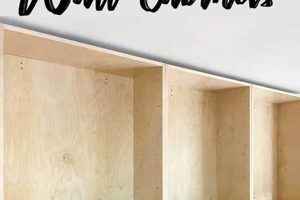
A do-it-yourself media center construction involves individuals creating a customized entertainment hub, often incorporating features such as shelving, storage, and concealed wiring, within a designated area of a room. An example includes building a feature wall around a television, complete with integrated shelving for media devices and decorative items, using readily available materials and standard construction techniques.
Such a project provides significant cost savings compared to professionally installed systems and allows for complete personalization to suit individual aesthetic preferences and spatial constraints. Historically, homeowners adapted existing furniture and shelving to accommodate growing entertainment technology; this approach evolves into purpose-built, integrated designs providing both functionality and visual appeal. The result enhances the home’s value while creating a focal point for entertainment.
The following sections will explore the critical aspects of planning a successful construction, covering material selection, design considerations for functionality and aesthetics, and the necessary steps for a safe and structurally sound execution. These topics will equip readers with the knowledge to undertake this enhancement independently.
DIY Media Wall Construction
Successful construction requires careful planning and execution. These tips provide guidance for achieving a functional and aesthetically pleasing outcome.
Tip 1: Conduct Thorough Planning: Prior to commencement, develop a detailed design plan, including precise measurements and material lists. Account for existing structural elements, such as studs and outlets, and ensure the design integrates seamlessly with the room’s layout.
Tip 2: Prioritize Cable Management: Conceal wiring effectively to maintain a clean and organized aesthetic. Utilize conduit or cable management systems to hide wires within the structure, preventing unsightly clutter.
Tip 3: Ensure Adequate Ventilation: Electronic components generate heat. Integrate ventilation solutions into the design to prevent overheating and potential damage to equipment. Consider incorporating vents or fans to promote airflow.
Tip 4: Employ Proper Mounting Techniques: Securely mount the television and other components using appropriate hardware. Verify wall stud locations and utilize heavy-duty anchors where necessary to ensure stability and safety.
Tip 5: Select Durable and Compatible Materials: Choose materials that are both aesthetically pleasing and structurally sound. Ensure compatibility between different materials to prevent issues such as warping or cracking over time. Consider materials resistant to moisture and wear.
Tip 6: Incorporate Adjustable Shelving: Integrate adjustable shelving to accommodate varying media component sizes and allow for future modifications. This provides flexibility as technology evolves.
Tip 7: Consider Lighting Options: Strategically incorporate lighting to enhance the visual appeal and functionality. Implement ambient, task, and accent lighting to create the desired ambiance and improve visibility.
Implementing these recommendations contributes to a professional-looking and functional media area, enhancing both the aesthetic appeal and the usability of the space.
The subsequent section will address common challenges encountered during construction and strategies for effective problem-solving.
1. Precise measurements

Precise measurements are foundational to the successful construction of a do-it-yourself media wall. Deviations from accurate dimensions can result in structural instability, aesthetic incongruity, and functional limitations. The following considerations highlight the critical importance of accurate measurements in this endeavor.
- Structural Integrity and Load Distribution
Accurate dimensions are essential for ensuring the structural integrity of the constructed media wall. Precise measurements of stud spacing, wall dimensions, and component sizes are necessary to distribute weight evenly and prevent collapse or sagging. Incorrect measurements can lead to uneven weight distribution, potentially compromising the structural integrity of the wall.
- Seamless Integration and Aesthetic Alignment
Precise measurements ensure a seamless integration with the existing architectural features of the room. Accurate dimensions are needed to align the media wall with adjacent walls, ceilings, and flooring, creating a cohesive and aesthetically pleasing appearance. Mismatched dimensions can result in gaps, overlaps, and an overall disjointed look.
- Optimal Space Utilization and Functionality
Accurate measurements are critical for optimizing space utilization and functionality within the media wall. Precise dimensions of media components, shelving, and storage areas are necessary to maximize storage capacity and ensure easy access to equipment. Inaccurate measurements can lead to unusable space or difficulty accommodating desired components.
- Mitigation of Material Waste and Rework
Precise measurements minimize material waste and the need for rework during construction. Accurate dimensions enable accurate material calculations and prevent costly errors such as cutting materials too short or ordering insufficient quantities. This reduces expenses and saves time.
The adherence to precise measurements is therefore not merely a matter of cosmetic concern, but a fundamental requirement for ensuring the structural stability, aesthetic harmony, functional efficiency, and economic viability of any do-it-yourself media wall project. These considerations emphasize the need for meticulous planning and execution throughout the design and construction phases.
2. Cable Concealment

Effective cable concealment represents an integral component of a well-executed DIY media wall, influencing both the aesthetic appeal and functional utility of the structure. Unmanaged cabling introduces visual clutter, detracting from the intended clean lines and integrated design. The resulting disorganization impacts the perceived professionalism and sophistication of the installation. For example, consider a media wall meticulously constructed with custom shelving and integrated lighting, but marred by a visible tangle of power cords and HDMI cables. This undermines the intended visual impact.
The benefits of integrated cable management extend beyond mere aesthetics. Concealing cables protects them from physical damage, reducing the risk of disconnection, fraying, or electrical hazards. This is particularly pertinent in households with children or pets, where exposed cables pose a safety risk. Various concealment methods exist, ranging from internal wiring channels embedded within the wall structure to surface-mounted cable raceways designed to blend seamlessly with the surrounding dcor. The selection of an appropriate method depends on the specific design of the media wall, the complexity of the wiring configuration, and the individual’s skill level.
In summary, cable concealment constitutes a critical aspect of successful media wall construction. Proper planning and execution of cable management strategies contribute significantly to both the visual harmony and functional safety of the final product. Neglecting this element compromises the overall quality and longevity of the DIY project.
3. Structural Integrity

The structural integrity of a DIY media wall directly correlates with its safety, longevity, and overall functionality. A media wall, by definition, supports weight often that of a television, shelving, and associated media components. Compromised structural integrity presents a tangible hazard. For instance, a wall built without properly anchored supports may collapse under the weight of a large screen television, resulting in damage to property and potential injury to individuals in the vicinity. The potential for catastrophic failure underscores the critical need for meticulous planning and execution with an emphasis on load-bearing capabilities.
Proper framing techniques, appropriate material selection, and secure anchoring methods are paramount to achieving the necessary structural stability. The gauge and type of lumber used for framing should be chosen based on the anticipated load, and connections should be reinforced with appropriate fasteners. Utilizing drywall anchors designed for heavy loads is essential when attaching the media wall to existing wall structures. The absence of such precautions creates a situation where even seemingly minor vibrations or impacts could trigger a failure. As an illustrative example, imagine a scenario where a leaning force (even from a pet brushing past) against the wall could topple the whole thing.
In summary, structural integrity is not merely a desirable attribute of a DIY media wall; it is an indispensable requirement. The adherence to established building practices, coupled with a thorough understanding of load-bearing principles, is crucial for constructing a media wall that is both safe and durable. Failure to prioritize structural integrity introduces unacceptable risks and compromises the long-term value of the project.
4. Material selection
Material selection constitutes a critical juncture in the DIY media wall construction process, directly impacting the structural integrity, aesthetic appeal, and overall longevity of the finished product. The choice of materials influences not only the visual character of the media wall but also its ability to withstand imposed loads and environmental factors. For example, utilizing lightweight materials such as particleboard may facilitate ease of handling during construction; however, its inherent susceptibility to moisture and limited load-bearing capacity renders it unsuitable for applications requiring significant structural support, such as housing a large television or heavy shelving units. Conversely, opting for solid hardwood provides superior strength and durability but necessitates advanced woodworking skills and specialized tools for proper fabrication.
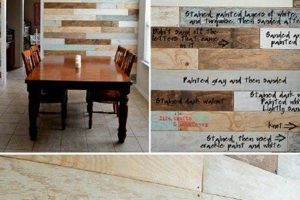
The practical significance of material selection extends beyond mere structural considerations. The chosen materials affect the project’s budget, ease of installation, and maintenance requirements. For example, a media wall constructed from reclaimed wood offers a cost-effective and environmentally conscious solution while introducing unique aesthetic qualities. However, reclaimed wood may require extensive preparation to ensure structural soundness and dimensional consistency. Similarly, the selection of paint or stain finishes impacts the visual appeal and resistance to wear and tear. A high-quality, durable finish protects the underlying material from scratches, stains, and fading, extending the life of the media wall and reducing the need for frequent maintenance. Consider, for example, a media wall built of birch plywood, coated with a durable polyurethane finish, providing a smooth, resilient surface resistant to scratches and spills, therefore a longer usage life cycle.
In conclusion, careful material selection is paramount to the successful creation of a functional and visually appealing media wall. The optimal choice balances aesthetic preferences, structural requirements, budgetary constraints, and the builder’s skill level. Understanding the properties and limitations of different materials ensures that the final product not only meets the intended purpose but also withstands the test of time. Challenges may arise in sourcing specific materials or balancing cost with desired performance characteristics; however, thorough research and planning mitigate these challenges, culminating in a media wall that enhances both the entertainment experience and the overall aesthetic of the living space.
5. Ventilation planning

Adequate ventilation within a DIY media wall structure is not merely a design consideration, but a critical factor influencing the operational lifespan and performance of enclosed electronic components. Insufficient ventilation leads to heat buildup, potentially causing reduced performance, component failure, and even fire hazards. Careful planning, therefore, is paramount to ensure the safe and reliable operation of such a system.
- Heat Generation and Component Sensitivity
Electronic devices, such as amplifiers, gaming consoles, and streaming devices, generate heat as a byproduct of their operation. Enclosing these components within a confined space, like a media wall, exacerbates the problem, preventing heat from dissipating naturally. Prolonged exposure to elevated temperatures can degrade sensitive electronic components, reducing their lifespan and performance. For example, overheating can cause capacitors to fail prematurely, integrated circuits to malfunction, and hard drives to experience data loss. Proper ventilation mitigates these risks by facilitating the removal of heat from the enclosure.
- Natural Convection and Airflow Dynamics
Effective ventilation planning leverages the principles of natural convection, the process by which warm air rises and is replaced by cooler air. Incorporating ventilation openings at both the bottom and top of the media wall structure promotes this natural airflow. Cool air enters the lower vents, absorbs heat from the electronic components, and rises through the upper vents. The size and placement of these vents should be calculated based on the total heat output of the enclosed devices and the dimensions of the enclosure. Obstructed airflow, due to improper vent placement or inadequate vent size, negates the benefits of natural convection, resulting in heat buildup.
- Active Cooling Solutions: Fans and Thermostats
In situations where natural convection is insufficient to maintain acceptable temperatures, active cooling solutions, such as fans, become necessary. Fans force air circulation, accelerating the removal of heat from the enclosure. Thermostatically controlled fans offer an automated approach, activating only when the internal temperature exceeds a predetermined threshold. The selection of appropriate fans involves considering factors such as airflow capacity (measured in cubic feet per minute, or CFM), noise level, and power consumption. Improper fan placement or inadequate airflow capacity renders the cooling system ineffective, while excessive fan noise detracts from the viewing experience.
- Cable Management and Ventilation Integration
Effective cable management is not only essential for aesthetic purposes but also contributes to proper ventilation. Bundled cables can restrict airflow, creating pockets of trapped heat within the media wall. Strategically routing cables to minimize obstruction of ventilation openings is crucial. Furthermore, certain cable management systems, such as those incorporating ventilated cable trays, actively promote airflow around the cables. Neglecting this aspect of cable management undermines the overall effectiveness of the ventilation system, potentially leading to localized hot spots and compromised component performance.
The successful integration of these facets within the design of a DIY media wall ensures optimal operating temperatures for electronic components, prolonging their lifespan and preventing performance degradation. Failure to prioritize ventilation planning not only compromises the reliability of the system but also introduces potential safety hazards, undermining the overall value of the project.
Frequently Asked Questions
The following questions address common inquiries and concerns regarding the planning, construction, and maintenance of a do-it-yourself media wall. The answers provided aim to offer clarity and guidance for individuals considering undertaking such a project.
Question 1: What is the typical cost associated with constructing a DIY media wall?
The cost varies considerably depending on the size, materials used, and complexity of the design. Simple projects utilizing readily available materials may cost several hundred dollars, while elaborate designs incorporating premium materials and advanced features can exceed several thousand dollars. A detailed budget encompassing materials, tools, and potential professional assistance is essential.
Question 2: What are the essential tools required for constructing a DIY media wall?
The necessary tools depend on the specific design and construction methods employed. However, a basic toolkit should include a measuring tape, level, stud finder, drill/driver, saw (circular, miter, or hand saw), sandpaper, and appropriate fasteners. Additional tools may be required for specialized tasks such as electrical wiring or custom woodworking.
Question 3: How is proper cable management achieved within a DIY media wall?
Effective cable management involves concealing wiring within the structure of the media wall using conduits, cable raceways, or integrated channels. Strategic placement of access points and the use of cable ties or Velcro straps help to maintain a clean and organized appearance. Prior planning is crucial to ensure adequate space for cable routing and to prevent interference with ventilation.
Question 4: What safety precautions must be observed during DIY media wall construction?
Safety precautions are paramount. Wear appropriate personal protective equipment (PPE), including safety glasses, gloves, and a dust mask. Ensure that all electrical wiring is performed by a qualified electrician or in accordance with applicable electrical codes. Securely support the media wall during construction and adhere to recommended load limits.
Question 5: How is adequate ventilation ensured within a DIY media wall to prevent overheating of electronic components?
Proper ventilation requires incorporating vents or openings into the media wall design to allow for airflow around electronic components. The size and placement of these vents should be calculated based on the heat output of the enclosed devices. Active cooling solutions, such as fans, may be necessary in enclosed spaces with limited natural airflow.
Question 6: What maintenance is required for a DIY media wall after construction is complete?
Regular maintenance involves dusting and cleaning the surfaces of the media wall. Inspect wiring and cable management periodically to ensure that connections are secure and that cables are not damaged. Check ventilation openings to ensure they are not obstructed by dust or debris. Address any structural issues promptly to prevent further damage.
These questions and answers provide a foundational understanding of key considerations for undertaking a DIY media wall project. Thorough research and careful planning are essential to ensure a successful outcome.
The following section will provide a summary of best practices.
Conclusion
This exposition of the “diy media wall” concept clarifies the multifaceted nature of its design and construction. From the initial planning stages to the final implementation, careful consideration of structural integrity, material selection, cable management, and ventilation planning proves essential. Addressing these elements promotes safety, longevity, and optimal performance of the resulting entertainment center.
Therefore, successful execution necessitates a comprehensive understanding of engineering principles and construction techniques. Prioritizing thorough preparation and adherence to established building codes ensures a finished product that is both functional and aesthetically harmonious with its surroundings. The resulting entertainment center, realized through diligent application of skill and knowledge, provides long-term value and enhances the overall living space.