A self-assembled partition designed for mobility, often employing casters for ease of relocation, provides a flexible solution for space division. This structure allows for the creation of temporary or semi-permanent room dividers within an existing area. An example of such a construction might involve utilizing repurposed doors or plywood panels attached to a framework supported by wheels, facilitating effortless movement across a room.
The significance of such a space-modifying element lies in its capacity to adapt interior layouts to evolving needs. Benefits include the efficient utilization of available square footage, the creation of adaptable workspaces, and cost-effective partitioning compared to permanent construction. Historically, similar concepts have been employed in theatrical settings and open-plan offices to provide dynamic and reconfigurable environments.
The following sections will explore various design considerations, material options, and construction techniques relevant to building a wheeled partition, highlighting aspects such as structural integrity, acoustic performance, and aesthetic integration with existing dcor. Considerations will also be given to safety and maneuverability.
Construction Tips for a Mobile Partition
The construction of a wheeled partition requires careful planning and execution to ensure stability, functionality, and safety. The following tips offer guidance for successful fabrication.
Tip 1: Frame Construction: The structural integrity of the wheeled partition relies heavily on the frame. Select lumber or metal with sufficient strength to support the paneling material and withstand frequent movement. Ensure all joints are securely fastened using screws, bolts, or welding, depending on the material. Reinforce corners with gussets or brackets for added stability.
Tip 2: Caster Selection: The type of casters significantly affects maneuverability and load capacity. Consider the weight of the finished partition and the type of flooring on which it will operate. Opt for heavy-duty casters with locking mechanisms to prevent unintended movement. Swivel casters offer greater maneuverability compared to fixed casters.
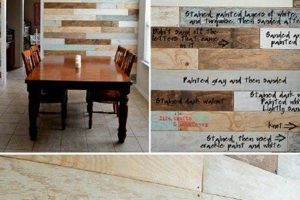
Tip 3: Paneling Material: The choice of paneling material impacts both aesthetics and functionality. Plywood offers a cost-effective and versatile option, while MDF provides a smoother surface for painting. Consider acoustic panels for enhanced sound dampening. Securely attach paneling to the frame using appropriate fasteners and adhesives.
Tip 4: Weight Distribution: Proper weight distribution is crucial for stability and ease of movement. Position casters strategically to evenly distribute the load. Avoid concentrating weight on one side of the partition. Consider adding ballast or counterweights to the base for increased stability, particularly for taller partitions.
Tip 5: Safety Considerations: Prioritize safety throughout the construction process. Use appropriate safety equipment, such as eye protection and gloves. Ensure all edges and corners are smooth and free from sharp protrusions. Install handles or grips to facilitate safe and controlled movement of the partition.
Tip 6: Acoustic Performance: For partitions intended to reduce noise transmission, incorporate sound-dampening materials such as mineral wool insulation or acoustic foam within the frame. Seal all gaps and seams to minimize sound leakage. Consider using thicker paneling materials for enhanced sound insulation.
Tip 7: Maneuverability Testing: Before completing the project, thoroughly test the maneuverability of the wheeled partition. Ensure it rolls smoothly and easily across the intended flooring. Verify that the locking mechanisms function properly and prevent unintended movement. Make any necessary adjustments to the casters or weight distribution to optimize performance.
Implementing these tips during the construction phase can result in a functional, stable, and aesthetically pleasing mobile partition that effectively addresses space division needs.
The subsequent section will delve into design variations and advanced construction techniques to further enhance the functionality and visual appeal of wheeled partitions.
1. Space Optimization
The implementation of a self-constructed, mobile partition is fundamentally linked to the principle of space optimization. This type of structure inherently addresses the need to efficiently utilize available square footage within a given environment. The ability to dynamically reconfigure internal layouts directly impacts how space is allocated and utilized. For example, in a small apartment, a wheeled divider could separate a living area from a sleeping space during certain hours, effectively creating distinct zones for different activities without requiring permanent construction. This represents a direct correlation between the presence of a movable divider and the optimized utilization of the existing space.
Further illustrating the significance of space optimization in the context of mobile partitions, consider an open-plan office environment. Here, wheeled dividers enable the creation of temporary meeting spaces or individual work areas as needed. This adaptability allows for a more responsive and efficient use of the overall office space, compared to fixed walls that restrict layout flexibility. The dimension, material, and placement of the divider directly impact its effectiveness in creating functional zones, underscoring the importance of careful planning to maximize space utilization.
In conclusion, the effectiveness of a wheeled partition is contingent upon a clear understanding of space optimization principles. Challenges in this area may include inadequate planning for storage of the divider when not in use or selecting a design that is too large or cumbersome for the intended space. By carefully considering space utilization goals, the design and construction of a mobile partition can effectively enhance the functionality and efficiency of a given environment.
2. Material Selection

Material selection is a critical determinant of the overall success of a self-assembled mobile partition. The chosen materials directly influence the partition’s structural stability, acoustic properties, aesthetic appeal, and ease of maneuverability. Inappropriate material choices can lead to structural failure, inadequate sound dampening, visual discord, or difficulty in moving the partition. For instance, selecting lightweight materials such as thin plywood for the frame can compromise structural integrity, especially when supporting heavier paneling. Conversely, using excessively heavy materials, such as solid hardwood, may render the partition unwieldy and difficult to move, defeating its intended purpose.
The selection process must consider the intended use of the partition. If the partition is primarily for visual separation, materials such as fabric panels or translucent acrylic might be suitable. However, if acoustic privacy is a primary concern, materials with high sound absorption coefficients, such as mineral wool insulation or dense MDF panels, should be incorporated. The choice of casters is also directly related to material selection, as heavier partitions require robust, heavy-duty casters capable of supporting the additional weight. Furthermore, the aesthetic integration of the partition with the existing environment is heavily influenced by material choices, impacting the overall visual harmony of the space. A mismatch in styles or colors can detract from the intended aesthetic.
In summary, a well-informed approach to material selection is essential for the successful creation of a wheeled partition. The interplay between material properties, intended use, and practical considerations dictates the final outcome. Overlooking the nuances of material selection can lead to compromised functionality, structural deficiencies, or aesthetic inconsistencies. Therefore, thorough research and careful evaluation of material options are indispensable components of a successful project.
3. Structural Integrity

Structural integrity is a foundational requirement for any self-constructed mobile partition, dictating its ability to withstand applied loads and maintain its intended form and function over time. The stability and safety of the partition are directly dependent on the strength and rigidity of its constituent components and their interconnections.
- Frame Rigidity
The frame serves as the primary load-bearing element of the mobile partition. Its rigidity is essential for preventing deformation and collapse under its own weight and any applied external forces. For instance, a frame constructed from inadequately sized lumber may exhibit excessive deflection or warping, compromising the stability of the entire structure. Reinforced joints and appropriately sized materials are crucial for maintaining frame integrity.
- Panel Attachment
The method of attaching panels to the frame significantly impacts structural performance. Secure fastening, using screws, bolts, or adhesives designed for the specific materials, ensures load transfer between the panels and the frame. Insufficient or improperly applied fasteners can lead to panel detachment, weakening the overall structure and potentially creating a safety hazard. The spacing and type of fasteners must be carefully considered based on the panel material and expected loads.
- Caster Support and Distribution
The manner in which the partition’s weight is distributed across the casters is paramount for stability and ease of movement. Casters must be securely attached to the frame using reinforced mounting points to prevent failure under load. Uneven weight distribution can lead to instability and make the partition difficult to maneuver. Proper caster placement and the selection of casters with appropriate load ratings are essential for ensuring safe and reliable mobility.
- Material Compatibility and Durability
The long-term structural integrity of the mobile partition is influenced by the compatibility and durability of the materials used in its construction. Selecting materials that are resistant to moisture, temperature changes, and physical impact is crucial for preventing degradation and maintaining structural performance over time. Incompatible materials can lead to corrosion, warping, or other forms of deterioration, compromising the integrity of the structure.
These facets collectively demonstrate the critical role of structural integrity in the successful design and construction of a mobile partition. Failure to adequately address these considerations can result in a structure that is unstable, unsafe, and prone to premature failure. Proper planning, material selection, and construction techniques are essential for ensuring the long-term structural performance and safety of the self-made mobile partition.
4. Mobility Solutions
The efficacy of a self-assembled wheeled partition hinges directly on the implemented mobility solutions. The ability to relocate the partition easily and safely defines its core functionality and distinguishes it from permanent dividing structures. The selection and execution of appropriate mobility solutions are therefore not merely accessory considerations but rather essential components of the entire project. Inadequate mobility compromises the intended adaptability and flexibility, negating the fundamental benefits of a mobile design. For example, a wheeled partition designed for a conference room, but fitted with insufficient or improperly chosen casters, would impede rapid reconfiguration of the space, diminishing its utility during dynamic meeting scenarios.
The connection between mobility solutions and the overall performance of a mobile partition extends beyond simple ease of movement. The type of casters, their load-bearing capacity, and their locking mechanisms directly impact the stability and safety of the structure during use. Oversized or inappropriately selected casters can lead to instability, especially on uneven surfaces, while inadequate locking mechanisms can result in unintended movement, potentially causing damage or injury. Furthermore, the design of the frame and its interface with the casters must ensure even weight distribution to facilitate smooth and controlled movement. An unbalanced partition, regardless of caster quality, will be difficult to maneuver and prone to tipping.
In conclusion, mobility solutions are integral to the successful implementation of a self-constructed wheeled partition. The choice of casters, their proper installation, and the overall design considerations for weight distribution and stability are paramount. Overlooking these factors can render the partition impractical and potentially unsafe. Therefore, a comprehensive understanding of mobility requirements is indispensable for realizing the full potential of a mobile space division strategy.
5. Acoustic Control
Acoustic control is a significant consideration in the design and implementation of self-constructed mobile partitions. The effectiveness of such a partition in mitigating noise transmission directly influences its utility in various environments, from open-plan offices to residential spaces. The following points detail key aspects of acoustic control relevant to these structures.
- Material Selection for Sound Dampening
The choice of materials used in the construction of the partition fundamentally affects its sound-dampening capabilities. Dense materials, such as MDF or multiple layers of drywall, impede sound transmission more effectively than lighter materials like thin plywood. Integrating materials with high sound absorption coefficients, such as mineral wool insulation or acoustic foam, within the partition’s frame further enhances its ability to absorb sound energy, reducing reverberation and echo. For example, a partition intended for a recording studio would necessitate a higher degree of sound isolation than one used in a general office setting, influencing the specific material choices.
- Sealing and Isolation Techniques
Effective acoustic control requires meticulous attention to sealing gaps and seams within the partition structure. Even small openings can significantly compromise sound isolation performance. Applying acoustic sealant along all joints and edges minimizes sound leakage, creating a more effective sound barrier. Furthermore, decoupling the partition from the floor and ceiling, using resilient materials or specialized connectors, reduces the transmission of impact noise and vibrations. The success of these techniques directly impacts the overall acoustic performance of the mobile partition.
- Surface Treatment and Diffusion
The surface treatment of the partition can influence sound diffusion and absorption. Applying textured surfaces or incorporating strategically placed diffusers scatters sound waves, reducing unwanted reflections and creating a more balanced acoustic environment. Conversely, smooth, hard surfaces tend to reflect sound, potentially increasing reverberation. The selection of appropriate surface treatments depends on the specific acoustic goals and the intended use of the space. For instance, a partition used in a classroom might benefit from sound-absorbing panels to minimize echo and improve speech intelligibility.
- Caster Noise Mitigation
The casters used for mobility can themselves contribute to noise generation, particularly when rolling across hard surfaces. Selecting casters with rubberized wheels or incorporating damping materials can reduce this noise, minimizing distractions and improving the overall acoustic environment. Furthermore, ensuring that the casters are properly lubricated and maintained reduces friction and squeaking, further mitigating noise generation. This aspect of acoustic control, while often overlooked, contributes to a more comfortable and productive environment.
These elements underscore the importance of integrating acoustic control measures into the design and construction of self-made mobile partitions. By carefully considering material selection, sealing techniques, surface treatments, and caster noise mitigation, the functionality and versatility of these structures can be significantly enhanced. Addressing these acoustic considerations contributes to a more comfortable and productive environment, aligning the performance of the mobile partition with its intended use.
6. Aesthetic Integration
Aesthetic integration represents a crucial consideration in the design and construction of self-made mobile partitions. The visual compatibility of a mobile partition with its surrounding environment significantly impacts its perceived value and functionality. A poorly integrated partition can detract from the overall aesthetic of a space, while a well-designed partition can enhance visual appeal and contribute to a more harmonious environment.
- Color Palette and Material Harmony
The selection of colors and materials used in the construction of the partition must align with the existing decor and architectural style of the space. Mismatched color palettes or clashing material textures can create visual discord, undermining the aesthetic integrity of the environment. For instance, a brightly colored, modern partition may appear out of place in a traditionally styled office. Careful consideration of color schemes and material compatibility ensures a cohesive and visually appealing design.
- Form and Proportion Considerations
The shape, size, and proportions of the mobile partition must be carefully considered in relation to the dimensions of the space and the surrounding furniture. A disproportionately large or awkwardly shaped partition can overwhelm a small room or disrupt the flow of movement. Conversely, a partition that is too small may appear insignificant and fail to effectively divide the space. Proper scaling and attention to form are essential for achieving visual balance and harmony.
- Surface Texture and Detailing
The surface texture and detailing of the mobile partition can significantly impact its aesthetic appeal. Smooth, polished surfaces convey a sense of modernity and sophistication, while textured surfaces add visual interest and depth. Incorporating decorative elements, such as trim, molding, or patterned panels, can further enhance the aesthetic integration of the partition. However, excessive or poorly executed detailing can appear cluttered and detract from the overall design. Thoughtful surface treatments and detailing contribute to a refined and visually pleasing aesthetic.
- Hardware and Accessory Selection
The choice of hardware and accessories, such as casters, handles, and hinges, can significantly impact the overall aesthetic of the mobile partition. Selecting hardware that complements the design style and material choices of the partition enhances its visual coherence. Conversely, mismatched or poorly designed hardware can detract from the aesthetic integration. Careful attention to detail in the selection of hardware and accessories is essential for achieving a polished and professional appearance.
In summary, aesthetic integration is an integral component of the successful design and implementation of self-constructed mobile partitions. By carefully considering color palette, form, surface texture, and hardware selection, a mobile partition can seamlessly blend with its surrounding environment, enhancing visual appeal and contributing to a more harmonious and functional space.
7. Safety Compliance

The realization of a self-made, mobile partition is intrinsically linked to adherence to established safety standards and regulatory guidelines. Safety compliance, in this context, transcends mere procedural adherence; it constitutes a fundamental design and construction parameter that directly impacts the well-being of individuals interacting with the structure and the integrity of the surrounding environment. Neglecting safety compliance introduces potential hazards ranging from structural instability to fire risks, thereby undermining the very utility the partition aims to provide. A partition lacking proper load-bearing capacity, for instance, presents a direct threat of collapse, potentially causing injury. Similarly, the use of flammable materials increases the risk of fire propagation, endangering occupants of the space. Therefore, safety compliance must be viewed as an indispensable component of the overall project, necessitating careful consideration and implementation.
Practical applications of safety compliance in mobile partition construction are multifaceted. They encompass material selection, structural design, and operational safeguards. The selection of fire-retardant materials, compliant with relevant building codes, mitigates the risk of fire hazards. Structural design must incorporate adequate load-bearing capacity, preventing collapse under normal operating conditions. Casters equipped with reliable locking mechanisms prevent unintended movement, minimizing the risk of accidents. Furthermore, edge banding applied to exposed edges reduces the potential for cuts and abrasions. Each of these examples illustrates the direct impact of safety compliance on the functionality and safety of the mobile partition.
In summary, safety compliance is not a peripheral concern but a critical determinant of the viability and responsible deployment of self-constructed, wheeled partitions. The interplay between design considerations, material choices, and operational features dictates the safety profile of the structure. Challenges arise from the inherent variability in construction skills and the potential for overlooking critical safety aspects. However, by prioritizing safety compliance and adhering to relevant standards, the risks associated with mobile partitions can be significantly mitigated, ensuring their safe and effective integration into diverse environments.
Frequently Asked Questions
The following section addresses common inquiries and clarifies prevalent misconceptions surrounding the construction and application of self-made mobile partitions. The information provided aims to enhance understanding and facilitate informed decision-making.
Question 1: What is the typical weight capacity of a wheeled partition, and how does this impact its construction?
The weight capacity of a wheeled partition is contingent upon the frame material, caster selection, and overall design. Exceeding the recommended weight limit can compromise structural integrity and maneuverability. Construction must prioritize robust materials and appropriately rated casters to accommodate the intended load.
Question 2: What fire safety considerations are paramount when constructing a mobile partition?
Fire safety considerations necessitate the use of fire-retardant materials compliant with relevant building codes. The implementation of fire-resistant coatings and the avoidance of flammable substances are crucial for minimizing fire hazards. Furthermore, adherence to local fire safety regulations is mandatory.
Question 3: How can acoustic performance be optimized in a self-constructed mobile partition?
Acoustic performance is enhanced through the incorporation of sound-dampening materials, such as mineral wool insulation or acoustic foam. Sealing all gaps and seams minimizes sound leakage. The selection of dense paneling materials, such as MDF or multiple layers of drywall, further contributes to sound isolation.
Question 4: What are the key factors in ensuring the stability of a wheeled partition during movement?
Stability during movement relies on proper weight distribution, robust caster mounting, and the implementation of locking mechanisms. Casters with adequate load ratings and swivel functionality enhance maneuverability while maintaining stability. The center of gravity should be positioned low to minimize the risk of tipping.
Question 5: What regulatory standards, if any, govern the construction and use of mobile partitions in commercial spaces?
The construction and use of mobile partitions in commercial spaces may be subject to local building codes, fire safety regulations, and accessibility standards. Compliance with these regulations is mandatory to ensure safety and legality. Consultation with local authorities is recommended to ascertain specific requirements.
Question 6: What are the common pitfalls to avoid when designing and building a mobile partition?
Common pitfalls include inadequate structural support, improper caster selection, insufficient acoustic insulation, and non-compliance with safety regulations. Thorough planning, careful material selection, and adherence to best practices are essential for avoiding these issues.
In conclusion, the successful construction and application of self-made mobile partitions require a comprehensive understanding of structural, acoustic, safety, and regulatory considerations. Addressing these factors proactively minimizes risks and maximizes the utility and longevity of the structure.
The following section explores advanced design concepts and innovative applications of wheeled partitions in contemporary spaces.
DIY Movable Wall on Wheels
This exploration of “diy movable wall on wheels” has traversed critical facets, encompassing structural integrity, material selection, mobility solutions, acoustic management, aesthetic integration, and safety imperatives. Each of these domains presents distinct challenges and opportunities for optimization. Sound design and construction principles are paramount, necessitating meticulous planning and execution to ensure functionality and long-term viability.
The potential for self-constructed, mobile partitions to adapt and enhance diverse environments remains considerable. However, the ultimate success hinges on a commitment to rigorous standards and a comprehensive understanding of the engineering and regulatory considerations inherent in their deployment. Further research and refinement of techniques will undoubtedly expand the capabilities and applications of these adaptable structures.