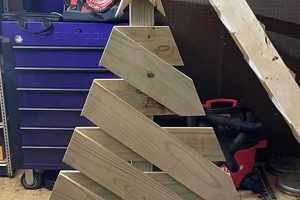
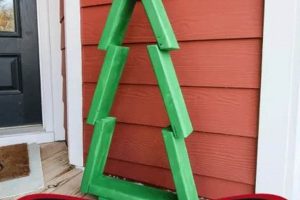
The creation of personalized holiday ornaments and decorations for the Christmas tree offers an avenue for individual expression and resourcefulness. Activities range from crafting simple paper snowflakes to constructing intricate beaded ornaments, utilizing readily available materials. Such projects provide alternatives to commercially manufactured decorations.
Engaging in the construction of custom tree decorations fosters creativity, reduces holiday spending, and can establish unique family traditions. Historically, homemade ornaments predated mass production, reflecting a time when families relied on their skills and available resources to celebrate the season. This practice provides a tangible connection to the past and promotes sustainable practices by repurposing materials.
The following sections will detail specific project ideas, material suggestions, and step-by-step instructions for producing unique and personalized holiday decorations, facilitating a memorable and cost-effective approach to Christmas tree embellishment.
DIY Christmas Tree Decoration Tips
Achieving visually appealing and personalized Christmas tree decor requires thoughtful planning and execution. The following tips provide guidance for crafting memorable and aesthetically pleasing ornaments and decorations.
Tip 1: Material Selection: Prioritize durable and visually cohesive materials. Consider the color palette and texture of existing decorations when selecting new elements. Natural materials, such as pinecones and dried citrus slices, introduce organic texture and aroma.
Tip 2: Cohesive Theme: Establish a unified theme or color scheme before commencing decoration production. This approach prevents visual clutter and ensures a harmonious aesthetic. Themes might include vintage, rustic, or minimalist designs.
Tip 3: Ornament Weight Considerations: When crafting heavier ornaments, reinforce tree branches using floral wire or supplementary supports. Excessive weight can damage delicate branches or cause ornaments to fall.
Tip 4: Secure Attachment Methods: Employ robust attachment methods, such as sturdy ornament hooks or reinforced twine loops, to prevent ornaments from detaching and potentially breaking. Test the strength of each attachment before placing the ornament on the tree.
Tip 5: Layered Decoration Placement: Begin with larger ornaments and background elements, progressively adding smaller and more intricate details. This layering technique creates depth and visual interest.
Tip 6: Lighting Considerations: Select energy-efficient LED lights with a warm or cool tone that complements the chosen theme. Carefully arrange lights to highlight key ornaments and create a balanced illumination pattern.
Tip 7: Storage Provisions: After the holiday season, store decorations in compartmentalized containers with protective padding. This practice prevents damage and simplifies organization for subsequent years.
By implementing these strategies, one can create a visually striking and enduring Christmas tree display that reflects personal style and aesthetic preferences, while minimizing potential damage to the tree and ornaments.
The subsequent sections will delve into advanced decoration techniques and creative project ideas, offering further inspiration for enhancing holiday decor.
1. Material Sustainability
The integration of material sustainability into the realm of self-made holiday tree ornamentation represents a conscious effort to minimize environmental impact while fostering creative expression. This approach necessitates careful consideration of material sourcing, usage, and end-of-life disposal, thereby promoting responsible consumption practices during the holiday season.
- Repurposing Existing Resources
The utilization of discarded materials, such as fabric scraps, paper remnants, or metal components, reduces reliance on newly manufactured goods. For instance, old clothing can be transformed into quilted ornaments, while used cardboard can become the base for intricate paper-mch decorations. This practice diverts waste from landfills and extends the lifespan of existing items.
- Sourcing Natural and Biodegradable Materials
Employing natural elements like pinecones, dried flowers, and wooden beads provides biodegradable alternatives to synthetic decorations. These materials decompose naturally, minimizing long-term environmental consequences. For example, garlands made from dried orange slices and cinnamon sticks offer a fragrant and eco-friendly alternative to plastic tinsel.
- Minimizing Waste Generation
Adopting crafting techniques that minimize material waste reduces environmental impact. Precise cutting and efficient utilization of materials are crucial. For instance, employing pattern-making techniques when cutting fabric for ornaments can significantly reduce fabric waste.
- Prioritizing Recycled and Recyclable Content
Selecting materials with recycled content or ensuring that materials are recyclable at the end of their use cycle supports a circular economy. For example, using recycled paper for origami ornaments or employing glass ornaments that can be recycled at specialized facilities promotes resource conservation.
By integrating these sustainable practices into the creation of holiday tree ornaments, individuals can actively contribute to environmental preservation while personalizing their festive decor. The selection of materials not only impacts the aesthetic quality of the decorations but also reflects a commitment to responsible environmental stewardship.
2. Design Cohesiveness
Design cohesiveness, in the context of crafting holiday decorations, denotes the harmonious integration of visual elements to produce a unified and aesthetically pleasing Christmas tree display. A lack of design cohesiveness results in a visually cluttered and disjointed appearance, diminishing the overall impact of the decorations. This principle is particularly critical in the domain of self-made ornaments, where diverse crafting styles and material choices can easily lead to a visually discordant outcome. For example, a tree adorned with both intricately beaded ornaments and rustic wooden carvings, without a unifying color scheme or thematic link, may appear less visually appealing than a tree decorated with a consistent style.
Achieving design cohesiveness requires a deliberate planning process. Before commencing the creation of individual ornaments, one must establish a guiding theme, color palette, or style. This pre-determined framework serves as a reference point for all subsequent design decisions, ensuring that each element contributes to the overall aesthetic. For instance, a “winter wonderland” theme might incorporate ornaments predominantly in shades of white, silver, and light blue, utilizing materials like faux fur, glitter, and crystal beads. Alternatively, a “rustic farmhouse” theme could feature ornaments crafted from natural wood, burlap, and twine, employing warm, earthy tones. The careful consideration of scale and proportion is also essential; uniformly sized ornaments, or a balanced distribution of large and small elements, enhances visual harmony.
Ultimately, design cohesiveness transforms a collection of individual ornaments into a curated and impactful holiday display. While individual expression remains a valuable aspect of self-made decor, adhering to a cohesive design principle elevates the overall aesthetic and creates a more memorable and visually pleasing Christmas tree. The challenge lies in balancing personal creativity with the constraints of a unified design, thereby producing a result that is both unique and harmonious. This integration strengthens the connection between individual components of the decoration process and a unified, visually compelling final product.
3. Craftsmanship Quality
Craftsmanship quality directly determines the aesthetic appeal, durability, and overall success of self-made Christmas tree decorations. Inferior craftsmanship diminishes visual presentation and shortens the lifespan of the ornament. Consequently, a higher level of skill and attention to detail during creation results in ornaments that are visually pleasing, structurally sound, and capable of withstanding handling and storage for multiple holiday seasons. For example, a poorly glued paper ornament may disintegrate quickly, while a carefully sewn felt ornament can last for years.
The impact of craftsmanship extends beyond mere aesthetics and longevity. Higher quality ornaments contribute to a sense of pride and accomplishment for the creator, transforming the decoration process into a more rewarding experience. Furthermore, well-crafted ornaments can become cherished family heirlooms, passed down through generations. Consider the difference between a hastily painted wooden ornament, showing brush strokes and uneven coverage, versus one meticulously painted with smooth gradients and intricate details: the latter reflects superior craftsmanship and adds significant value to the decoration. The same is valid for poorly and carefully executed bead work, wood work, and sewn elements.
Ultimately, craftsmanship quality forms a cornerstone of successful DIY Christmas tree decoration. While creativity and design are essential, the execution of those ideas with precision and care determines the final outcome. A commitment to quality enhances the visual impact of the tree, extends the life of the ornaments, and transforms the crafting process into a more meaningful and fulfilling activity. Addressing the challenge of improving skills through practice and learning appropriate techniques is fundamental for creating decorations that are both beautiful and enduring.
4. Attachment Security
In the realm of self-made Christmas tree ornamentation, attachment security constitutes a critical factor in preserving both the aesthetic integrity and physical safety of the decorative display. Inadequate attachment methods can result in ornaments falling, breaking, or posing a hazard to individuals and pets. Therefore, meticulous attention must be given to selecting and implementing secure attachment strategies when crafting holiday tree decorations.
- Material Compatibility
The choice of attachment material should correspond to the properties of the ornament and the tree branch. Lightweight ornaments can utilize thin wire or twine, while heavier ornaments necessitate stronger materials such as thicker gauge wire or robust hooks. Incompatible materials may lead to slippage or breakage, compromising attachment security. For instance, attempting to secure a heavy ceramic ornament with delicate thread is likely to result in failure.
- Structural Integrity of Attachment Points
The points of attachment on the ornament itself require reinforcement to prevent tearing or detachment. This may involve using strong adhesives, creating reinforced loops, or incorporating durable backing materials. Weak attachment points compromise the overall security of the ornament, even with a strong hanging mechanism. For example, a fabric ornament with a poorly sewn hanging loop is more prone to detaching than one with a reinforced loop.
- Appropriate Hanging Mechanisms
The selection of an appropriate hanging mechanism, such as ornament hooks, wire loops, or ribbon ties, directly impacts attachment security. The size and shape of the hook should be suitable for the branch and ornament, ensuring a secure grip without causing damage. Improperly sized or shaped hooks may slip or cause the ornament to swing excessively, increasing the risk of detachment. Using metal hooks on natural evergreen boughs should be approached with care because metal can scratch the bark, and that will damage its protective covering.
- Load Distribution Considerations
When crafting multiple ornaments with varying weights, strategic placement on the tree becomes essential. Distributing heavier ornaments evenly across the branches prevents overloading individual limbs, reducing the risk of breakage or toppling. Concentrating heavy ornaments on a single branch increases the likelihood of detachment and potential damage. Placing heavy ornaments close to the trunk or on stronger branches can help in even distribution of weight.
The effective integration of secure attachment methods into self-made Christmas tree decoration extends beyond mere functionality. It contributes to the longevity and visual appeal of the display, fostering a safer and more enjoyable holiday experience. The careful selection and application of appropriate attachment strategies reflect a commitment to both aesthetic quality and responsible craftsmanship, ultimately enhancing the overall value of the decorated Christmas tree.
5. Weight Distribution
Weight distribution is a crucial consideration in self-made Christmas tree decoration, impacting the structural integrity and visual balance of the display. The selection and placement of homemade ornaments must account for the load-bearing capacity of the tree branches to prevent sagging, breakage, or an aesthetically lopsided appearance. Improper weight distribution can compromise the overall presentation and potentially damage the tree itself.
- Ornament Material and Size
The materials used in crafting ornaments significantly influence their weight. Dense materials, such as metal, ceramic, or heavy wood, contribute more weight than lightweight materials like paper, fabric, or plastic. Similarly, the size of the ornament correlates with its weight; larger ornaments generally weigh more. When designing and constructing homemade decorations, it is imperative to consider these material properties and size limitations to ensure that the resulting ornaments do not exceed the weight-bearing capacity of the tree branches. For example, a large, intricately beaded ornament can exert significant downward force, while a small, origami-paper ornament places minimal stress on the branch.
- Branch Strength Assessment
Prior to decorating, assess the load-bearing capacity of individual tree branches. Branches closer to the base of the tree typically possess greater strength than those near the top. Observe the thickness and angle of each branch to estimate its ability to support weight. Place heavier ornaments on the sturdier lower branches and reserve lighter ornaments for the more delicate upper branches. This strategic distribution minimizes the risk of branch sagging or breakage. Failing to correctly assess branch strength will leave the tree with too much stress on the branches.
- Hanging Technique and Placement
The method by which an ornament is hung affects weight distribution. Secure the ornament close to the branch joint to maximize support and minimize leverage. Distribute ornaments evenly around the circumference of the tree to maintain visual balance and prevent the tree from leaning to one side. Avoid concentrating heavy ornaments on a single branch or in a localized area. Ensure that the weight of any additions to the tree does not overwhelm individual branches. Weight distribution is a balancing act.
- Reinforcement Strategies
In cases where heavier ornaments are desired on weaker branches, consider employing reinforcement strategies. Floral wire can be used to discreetly support sagging branches by attaching them to stronger branches or the main trunk. Alternatively, strategically placed props or stands can provide additional support to the tree as a whole. These reinforcement techniques allow for greater flexibility in decoration design while mitigating the risks associated with excessive weight. It is important to not break or puncture the tree in anyway while reinforcing its strength, this will only hurt the tree and hinder its growth.
The successful implementation of weight distribution principles in self-made Christmas tree decoration requires careful planning and execution. By considering the material properties, assessing branch strength, employing appropriate hanging techniques, and utilizing reinforcement strategies as needed, it is possible to create a visually stunning and structurally sound holiday display. These considerations enhance the aesthetic value of the decoration and contribute to the longevity and well-being of the Christmas tree. Neglecting such principles can result in a decoration with a short lifespan.
6. Lighting Integration
Lighting integration, within the context of self-made Christmas tree ornamentation, refers to the strategic incorporation of illumination to enhance the visual impact and ambiance of the decorative display. The placement, color, and intensity of lighting significantly influence the perception of crafted ornaments, either accentuating their features or obscuring their details. A poorly lit tree can render even the most meticulously crafted ornaments unnoticeable, negating the effort invested in their creation. Conversely, thoughtful lighting integration can elevate simple, handmade decorations into focal points, transforming the overall aesthetic of the tree. Consider, for example, the application of miniature LED spotlights to highlight hand-painted porcelain ornaments, drawing attention to their intricate designs. Conversely, using bright, multi-colored lights on a tree adorned with delicate, pastel-colored paper ornaments can create a jarring effect, overwhelming the subtle details of the handcrafted items.
Effective lighting integration requires careful consideration of several factors. The color temperature of the lights must complement the color palette of the ornaments. Warm white lights tend to enhance rustic or traditional decorations, while cool white lights are often more suitable for modern or minimalist designs. The density and distribution of the lights should be balanced to avoid hotspots or dark areas. Spacing lights evenly throughout the tree ensures that all ornaments receive adequate illumination. The use of dimmers offers additional control, allowing for adjustments in light intensity to suit the mood or time of day. The integration of light can also influence the overall energy consumption of the display; LED lights offer a more energy-efficient alternative to traditional incandescent bulbs, reducing the environmental impact of the holiday decorations. For instance, weaving a string of battery-operated fairy lights through a garland of dried orange slices not only adds a warm glow but also avoids the need for electrical outlets, increasing the versatility of the decoration.
In conclusion, lighting integration is an indispensable component of successful self-made Christmas tree decoration. Thoughtful planning and execution can dramatically enhance the visual appeal of crafted ornaments, transforming the tree into a captivating focal point. While challenges exist in achieving optimal balance and energy efficiency, the benefits of well-integrated lighting far outweigh the effort required. By paying attention to color temperature, light distribution, and energy consumption, individuals can create a visually stunning and environmentally conscious holiday display that showcases their creativity and craftsmanship. Consideration to the placement and execution of lighting integration, along with the other steps mentioned in the article, are crucial to the success of creating an amazing tree.
Frequently Asked Questions
The following addresses common inquiries concerning the creation and implementation of self-made Christmas tree decorations, offering guidance and clarifying potential points of confusion.
Question 1: What are the primary advantages of pursuing self-made Christmas tree decorations as opposed to purchasing commercially available alternatives?
The construction of homemade ornaments allows for personalized expression, cost reduction, the fostering of creative skills, and the establishment of family traditions. Commercial decorations, while convenient, often lack the unique character and personal touch achievable through DIY methods.
Question 2: What are the recommended materials for ensuring durability and longevity in self-made Christmas tree ornaments?
Durable materials, such as felt, wood, metal, and sturdy paper stock, are advisable. The use of high-quality adhesives and secure attachment methods further enhances ornament longevity. Avoid materials susceptible to rapid degradation or structural failure.
Question 3: How does one achieve a cohesive and aesthetically pleasing design when creating multiple DIY Christmas tree decorations?
Establishing a unified theme, color palette, or design style prior to commencing ornament creation is crucial. Adhering to these pre-determined parameters ensures that individual ornaments complement one another, resulting in a harmonious and visually appealing display. Avoid random and disparate design choices.
Question 4: What safety precautions should be observed when crafting DIY Christmas tree decorations, particularly when involving children?
The use of non-toxic materials is paramount, particularly when children are involved. Supervision is essential when using sharp tools or hot glue guns. Securely attaching ornaments to the tree minimizes the risk of falling objects and potential injury. Proper ventilation is key when applying sprays and paints.
Question 5: How does one address the challenge of weight distribution when decorating a Christmas tree with self-made ornaments?
Strategic placement of heavier ornaments on stronger, lower branches minimizes the risk of branch sagging or breakage. Lighter ornaments should be reserved for the more delicate upper branches. Even distribution of weight around the tree’s circumference contributes to overall stability.
Question 6: What storage methods are recommended for preserving the condition of self-made Christmas tree decorations from year to year?
Storing ornaments in compartmentalized containers with protective padding prevents damage during storage and transportation. Avoid stacking ornaments directly on top of one another. Store in a cool, dry location to prevent moisture damage or material degradation.
Adherence to these guidelines ensures the successful creation, display, and preservation of unique and personalized Christmas tree decorations.
The following article sections will explore advanced techniques and innovative DIY project ideas for expanding holiday decoration capabilities.
Conclusion
This exploration of self-created holiday adornments emphasized key aspects: material sustainability, design cohesiveness, craftsmanship quality, attachment security, weight distribution, and lighting integration. Each element contributes significantly to the success of individually crafted Christmas tree decor, influencing visual appeal, structural integrity, and long-term preservation.
The practice of crafting personal holiday decorations extends beyond mere cost savings; it represents an opportunity to cultivate creativity, establish enduring traditions, and minimize environmental impact. As commercialization increasingly dominates holiday celebrations, the value of handmade ornaments lies in their unique expression and tangible connection to personal values. Further exploration and refinement of these techniques will undoubtedly result in richer, more meaningful holiday experiences.