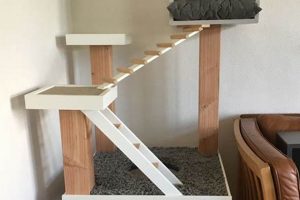
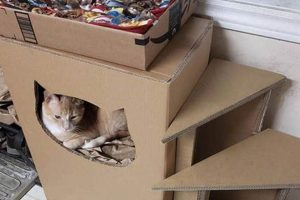
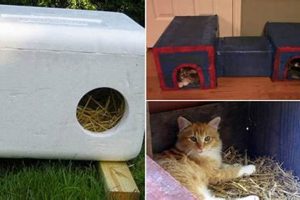
A customized vertical space designed to enrich feline environments allows for exercise, exploration, and relaxation. These structures commonly integrate climbing platforms, scratching posts, tunnels, and resting areas, providing cats with stimulating activity and elevated vantage points within the home.
Creating specialized climbing structures addresses the innate needs of domestic cats, offering physical and mental stimulation, which can contribute to improved well-being and reduced behavioral issues. This approach to environmental enrichment acknowledges the natural climbing and perching instincts of felines, mirroring their ancestral behaviors and providing safe alternatives to furniture scratching or climbing on undesirable household items. Historically, domestic cats were often confined to ground-level spaces; however, contemporary understanding of feline behavior has promoted designs that cater to their arboreal tendencies.
The following sections will explore the considerations involved in constructing these vertical feline environments, encompassing design principles, material selection, safety precautions, and installation techniques.
Construction Considerations
The following guidelines provide insight into developing a functional and safe climbing environment for domestic cats.
Tip 1: Structural Integrity: Ensure all components are securely fastened to wall studs using appropriate hardware. Weak support can lead to collapse, posing a safety risk to the animal.
Tip 2: Material Selection: Opt for non-toxic and durable materials, prioritizing solid wood and sisal rope. Avoid treated lumber or fabrics that may leach harmful chemicals upon chewing or scratching.
Tip 3: Platform Spacing: Maintain consistent and manageable distances between platforms. Overly large gaps may deter use, while excessively small spacing reduces climbing challenge.
Tip 4: Gradual Inclines: Incorporate ramps or staggered platforms to facilitate access for cats of varying ages and physical abilities. Sudden vertical ascents may prove difficult for older or less agile felines.
Tip 5: Secure Anchoring: Prioritize robust anchoring systems for each component. Test each platform’s weight capacity before allowing the animal unsupervised access.
Tip 6: Scratching Surface Integration: Incorporate sisal rope or corrugated cardboard scratching surfaces at varying heights. This encourages appropriate scratching behavior and discourages damage to household furnishings.
Tip 7: Observation Perches: Include elevated platforms that offer panoramic views of the surrounding environment. Cats derive psychological comfort from observing their surroundings from a secure vantage point.
Adhering to these principles contributes to a safe and stimulating environment for feline enrichment, promoting physical activity and mental well-being.
The subsequent section will address design principles and aesthetic considerations for integrating these feline structures seamlessly into existing home decor.
1. Safety
Safety is paramount in the design and construction of any vertical feline structure. A poorly constructed or inadequately secured environment can present significant risks to the animal, potentially resulting in injury.
- Structural Integrity
The stability of the climbing structure is crucial. Each platform, bridge, and supporting element must be capable of bearing the cat’s weight, even during dynamic movements such as jumping or climbing. Inadequate support can lead to collapse, causing physical harm. Examples include using insufficient hardware for wall mounting or failing to properly reinforce platforms.
- Material Toxicity
The materials used in construction must be non-toxic. Cats frequently groom themselves and may ingest small amounts of the materials they interact with. Treated lumber, certain paints, or fabrics containing harmful chemicals can pose a health hazard. Safe alternatives include untreated solid wood, natural sisal rope, and non-toxic finishes.
- Fall Prevention
The design should minimize the risk of falls. Platform spacing must be appropriate for the cat’s age and agility, preventing missteps and falls. Sharp edges or protruding hardware should be avoided to minimize injury in the event of a fall. Guardrails or strategically placed platforms can help mitigate fall hazards.
- Hardware Security
All fasteners, such as screws, bolts, and anchors, must be securely fastened and regularly inspected. Loose hardware can present a choking hazard or create instability in the structure. Recessed hardware or covers should be used to prevent cats from snagging claws or fur on exposed components. Appropriate wall anchors must be utilized based on wall type and weight of the structure.
These interconnected facets of safety underscore the critical importance of careful planning and execution in vertical feline structure construction. Neglecting any of these aspects can compromise the well-being of the animal and negate the intended benefits of environmental enrichment. Proper design, material selection, and installation techniques are essential for ensuring a secure and stimulating environment.
2. Durability

Durability is a foundational element in the design and implementation of a vertical feline environment. A lack of robustness in materials and construction compromises the structure’s longevity and, more critically, presents significant safety risks to the animal. The long-term functionality and safety of these installations hinge directly on the durability of their components and construction.
- Material Resistance
The selection of materials determines the capacity to withstand wear and tear from consistent use. Solid wood, as opposed to particleboard, exhibits superior resistance to scratching, clawing, and weight-bearing stresses. Similarly, sisal rope, known for its tensile strength, provides a durable scratching surface that resists fraying and degradation over time. The use of low-quality or unsuitable materials will lead to premature failure and necessitate costly repairs or replacement.
- Joint Integrity
The strength of the connections between structural elements is critical for overall stability. Screws, bolts, and adhesive joints must be capable of withstanding repeated stresses from the cat’s movements. Improper joint construction or the use of inadequate fasteners will result in loosening, instability, and potential collapse. Reinforced joints, employing metal brackets or robust adhesives, enhance the structure’s ability to endure long-term use.
- Finish Endurance
Surface finishes must resist damage from scratching, chewing, and environmental factors. Non-toxic sealants or paints should be applied to protect wood surfaces and prevent splintering. Finishes that are easily damaged can expose underlying materials to moisture and degradation, reducing the lifespan of the structure. Durable finishes also facilitate cleaning and maintenance, contributing to the overall longevity of the installation.
- Environmental Stability
The structure’s resistance to environmental conditions, such as humidity and temperature fluctuations, affects its long-term integrity. Materials prone to warping, cracking, or rotting in response to environmental changes will compromise the structure’s stability. Proper sealing, ventilation, and the use of weather-resistant materials can mitigate these risks. Regular inspection and maintenance are essential to identify and address any signs of environmental damage before they escalate.
The interrelationship between material resistance, joint integrity, finish endurance, and environmental stability collectively defines the durability of a vertical feline environment. Compromising any of these facets diminishes the structure’s lifespan and safety. A commitment to durable materials, robust construction techniques, and regular maintenance is essential for ensuring a safe and enriching environment for the animal over the long term. The investment in durable components translates to a lasting and secure structure that effectively meets the animal’s needs and enhances its well-being.
3. Accessibility

Accessibility, in the context of vertical feline environments, refers to the ease with which cats of varying ages, sizes, and physical abilities can navigate and utilize the structure. The design must accommodate the diverse needs of the feline population to promote inclusive use and prevent physical strain or injury.
- Platform Spacing and Height
The distance between platforms and the overall height of the structure directly impact accessibility. Excessive spacing may deter older or less agile cats from attempting to climb, while insufficient spacing reduces the physical challenge for younger, more athletic felines. A balance must be struck to cater to a range of abilities. For example, staggered platforms with varying heights and depths can accommodate different jumping capabilities and provide resting points for cats with mobility limitations.
- Ramp and Step Integration
Ramps and steps serve as assistive devices that enhance accessibility for cats with physical impairments or reduced jumping ability. These features provide a gradual incline, enabling cats to reach higher platforms without strenuous leaps. The inclusion of ramps and steps is particularly beneficial for senior cats, those with arthritis, or cats recovering from injuries. A ramp with a textured surface, for instance, provides secure footing and prevents slippage.
- Platform Surface Texture
The texture of platform surfaces influences grip and stability, impacting accessibility, especially for cats with compromised mobility. Smooth or slippery surfaces can pose a challenge, increasing the risk of falls. Conversely, textured surfaces, such as carpet or sisal fabric, provide secure footing and enhance confidence during movement. Rubberized coatings or textured paint can also improve grip and prevent slippage on wooden platforms.
- Entry and Exit Points
The design of entry and exit points from the structure contributes to accessibility. Wide openings and clear pathways allow cats to easily enter and exit platforms without obstruction. Confined spaces or narrow openings may deter larger cats or those with mobility issues. Strategically placed entry points that align with natural feline movement patterns promote intuitive use and enhance overall accessibility.
Collectively, these facets of accessibility are critical in ensuring that vertical feline environments provide inclusive enrichment for all cats. The thoughtful integration of platform spacing, ramps, surface textures, and entry points creates a structure that caters to diverse physical abilities and promotes safe and comfortable use. Prioritizing accessibility enhances the overall value and functionality of the vertical feline environment, fostering physical activity and mental stimulation for cats of all ages and capabilities.
4. Stimulation
Feline stimulation is a critical component of animal welfare, particularly within indoor environments. Vertical structures contribute significantly to this by providing opportunities for physical and mental engagement that mimic natural behaviors.
- Vertical Exploration and Territory
Climbing and occupying elevated spaces fulfill a cat’s innate desire to survey its environment and establish territory. Vertical climbing structures allow cats to explore different heights and perspectives within their living space. For example, a cat may choose to rest on a high platform to observe the room, thus engaging its natural instincts for territorial oversight. This behavior helps reduce stress and promotes a sense of security.
- Physical Exercise and Agility
Vertical structures facilitate physical exercise, which is essential for maintaining a cat’s physical health and preventing obesity. Climbing, jumping, and navigating through varied levels of a structure require physical exertion. A multi-tiered structure with platforms at different heights challenges the cat’s agility and coordination, promoting muscle development and cardiovascular health. This activity is particularly beneficial for indoor cats, who may not have access to outdoor environments.
- Hunting and Prey Simulation
Strategic placement of toys or treats on different levels of the climbing structure can simulate hunting behavior. Cats can engage in chasing, stalking, and pouncing activities as they navigate the structure to reach the desired object. This type of play activates the cat’s natural hunting instincts and provides mental stimulation. Hiding toys in enclosed spaces or dangling them from platforms can further enhance the hunting simulation.
- Scratching and Marking Behavior
Integrating scratching posts into the vertical structure fulfills a cat’s need to scratch and mark its territory. Scratching is a natural behavior that allows cats to maintain their claws, stretch their muscles, and leave scent markings. Incorporating sisal-covered posts or corrugated cardboard surfaces at different levels of the structure provides multiple scratching opportunities. This encourages the cat to scratch the designated surfaces rather than furniture or other household items.
The aforementioned elements are integral to a well-designed climbing apparatus. A carefully constructed structure provides a continuous source of stimulation, thereby enhancing the cat’s overall quality of life within an indoor setting. By catering to their instinctive behaviors, these structures help prevent boredom, reduce behavioral problems, and promote a sense of well-being.
5. Space
Spatial considerations are integral to the successful integration of any vertical feline environment. The available area dictates the design parameters, influencing the size, configuration, and overall functionality of the structure.
- Vertical Utilization
The primary advantage of a vertical feline environment lies in its ability to maximize limited floor space by utilizing vertical dimensions. Small apartments or confined living areas benefit significantly from climbing structures that provide cats with ample exercise and exploration opportunities without encroaching upon existing furniture layouts. The design should strategically exploit wall space, minimizing the footprint on the floor while providing ample climbing routes and resting platforms.
- Scalability and Adaptability
The design must be scalable and adaptable to fit the specific spatial constraints of the environment. Modular designs allow for customization, enabling adjustments to the structure’s size and configuration to accommodate varying room dimensions and architectural features. Scalability also facilitates future expansion or modification as the cat’s needs or the owner’s preferences evolve. Components can be added or removed to tailor the structure to changing spatial requirements.
- Traffic Flow Optimization
Careful attention must be paid to traffic flow within the living space to ensure that the climbing structure does not obstruct pathways or create navigational bottlenecks. The structure should be positioned in a location that minimizes interference with human movement and maintains a clear and unobstructed flow of traffic. Placement near windows or existing cat-friendly zones can encourage use and minimize disruption to the overall spatial arrangement.
- Integration with Existing Dcor
The aesthetic integration of the vertical feline environment with the existing dcor is crucial for maintaining a cohesive and visually appealing living space. The structure should be designed to complement the room’s color scheme, style, and overall aesthetic. Incorporating materials and finishes that align with existing furniture and architectural elements helps the structure blend seamlessly into the environment, avoiding a jarring or intrusive presence.
The intersection of these spatial considerations significantly impacts the success of a vertical feline environment. Strategic vertical utilization, scalability, traffic flow optimization, and aesthetic integration are essential for creating a functional and visually harmonious addition to the living space. Careful attention to these details ensures that the structure enhances the cat’s well-being without compromising the comfort and aesthetic appeal of the home. This thoughtful approach facilitates a synergistic relationship between feline enrichment and human living space.
6. Integration

Integration, concerning vertical feline environments, denotes the seamless incorporation of the structure into the existing domestic landscape, accounting for both functional and aesthetic congruity. Effective integration extends beyond mere physical placement; it requires a comprehensive understanding of the dwelling’s architectural nuances, design scheme, and inhabitants’ lifestyle. Inadequate integration can result in a discordant element that detracts from the home’s aesthetic appeal and potentially hinders the feline’s utilization of the intended enrichment device. A poorly integrated climbing apparatus might obstruct traffic flow or clash with the existing interior design, thereby diminishing its overall value.
A fundamental aspect of integration lies in material selection and design coherence. For instance, a modern minimalist home may benefit from a climbing structure constructed from sleek, light-colored wood or metal components, mirroring the prevailing design aesthetic. Conversely, a rustic dwelling might accommodate a structure fabricated from reclaimed wood and natural fibers. Consider the case of a homeowner who meticulously matched the wood finish of their cat’s climbing platforms to their existing shelving units, creating a unified and aesthetically pleasing visual effect. This exemplifies successful integration, where the feline enrichment apparatus enhances, rather than detracts from, the home’s decor. Beyond aesthetics, functional integration is equally crucial. The location of the structure should align with the cat’s natural movement patterns and preferences, ideally near windows, sunny spots, or existing feline activity zones. For example, positioning a climbing wall near a favored window perch allows the cat to transition seamlessly between observation and physical activity.
In summation, successful integration requires a holistic approach that considers both the aesthetic and functional dimensions of the climbing structure. By meticulously aligning the design, materials, and placement with the existing home environment and the cat’s behavioral patterns, owners can create a synergistic relationship where the feline enrichment device enhances both the cat’s well-being and the home’s aesthetic value. The challenge lies in striking a balance between the cat’s needs and the owner’s aesthetic preferences, ensuring that the integrated structure serves as a harmonious addition to the domestic landscape.
Frequently Asked Questions
The following section addresses common inquiries regarding the design, construction, and implementation of vertical feline environments. These questions aim to clarify key considerations for ensuring the safety and enrichment of domestic cats through these structures.
Question 1: What constitutes appropriate spacing between platforms on a climbing structure?
Optimal platform spacing depends on the cat’s age, agility, and physical condition. As a general guideline, spacing should range from 12 to 18 inches for adult cats, with consideration given to lower heights for older or less mobile felines. Gradual inclines and staggered platforms can further accommodate varying physical abilities.
Question 2: What materials are deemed safest for constructing climbing structures?
Non-toxic and durable materials are paramount. Solid wood, such as untreated pine or maple, and natural sisal rope are preferred choices. Avoid treated lumber, fabrics containing potentially harmful chemicals, and paints with high volatile organic compound (VOC) content.
Question 3: How can the structural integrity of a climbing structure be ensured?
Secure attachment to wall studs using appropriate hardware is essential. Screws, bolts, and anchors must be rated for the anticipated weight load. Reinforce joints with metal brackets or robust adhesives to enhance stability and prevent loosening over time. Regular inspection and maintenance are crucial for identifying and addressing potential weaknesses.
Question 4: What design elements promote accessibility for cats with physical limitations?
Ramps and staggered platforms provide gradual inclines, facilitating access for older or less agile cats. Textured surfaces enhance grip and stability, minimizing the risk of falls. Wide openings and clear pathways ensure ease of entry and exit from platforms. Consider incorporating resting platforms at various heights to provide comfortable resting spots for cats with reduced mobility.
Question 5: How can scratching surfaces be effectively integrated into a climbing structure?
Incorporate sisal rope or corrugated cardboard scratching surfaces at varying heights and orientations. Vertical posts provide opportunities for stretching and scratching, while angled or horizontal surfaces cater to different scratching preferences. Ensure that scratching surfaces are securely attached and readily accessible.
Question 6: What measures can be taken to ensure that a climbing structure complements the existing home dcor?
Select materials, colors, and finishes that align with the room’s existing aesthetic. Consider incorporating design elements that mimic existing architectural features or furniture styles. Modular designs allow for customization, enabling adjustments to the structure’s size and configuration to accommodate specific spatial constraints and design preferences.
The aforementioned questions highlight critical aspects of designing and constructing safe and enriching vertical feline environments. Careful consideration of these factors contributes to the overall well-being of domestic cats and the harmonious integration of these structures into the home.
The subsequent section will delve into advanced design principles for optimizing feline enrichment within vertical structures.
Conclusion
The preceding analysis has illuminated the critical considerations involved in creating a “diy cat wall playground.” The discussion spanned safety protocols, material selection, and design principles, underscoring the necessity for a comprehensive approach to feline environmental enrichment. Durability, accessibility, stimulation, space management, and aesthetic integration were identified as pivotal factors influencing the structure’s overall efficacy and safety.
Given the demonstrated benefits of vertical feline environments, continued exploration and refinement of design and construction techniques are warranted. Prioritizing the animal’s well-being while maintaining aesthetic congruence within the domestic setting remains paramount. Further innovation should focus on creating adaptable, scalable solutions that cater to the diverse needs of both felines and their human companions.