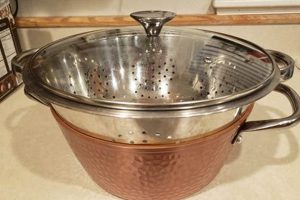
The creation of personalized receptacles for flora allows individuals to exercise creativity and resourcefulness in gardening and home dcor. For instance, repurposing an old wooden crate into a vessel for herbs demonstrates this practical and artistic approach.
This method offers cost savings, promotes environmental sustainability through material reuse, and provides customized solutions tailored to specific spatial and aesthetic requirements. Historically, self-made garden features reflect a long-standing tradition of adapting available resources to cultivate plant life, blending functionality with individual expression.
Therefore, subsequent sections will delve into diverse material options, construction techniques, and design considerations for crafting customized botanical displays.
Guidance for Crafting Personalized Botanical Vessels
The following recommendations aim to optimize the construction and utilization of custom-designed flora receptacles, ensuring both aesthetic appeal and plant health.
Tip 1: Material Selection: Prioritize non-toxic materials resistant to degradation from moisture and soil contact. Untreated wood, for example, requires lining to prevent rot. Plastic containers should be food-grade to minimize chemical leaching into the soil.
Tip 2: Drainage Implementation: Adequate drainage is crucial for preventing root rot. Ensure the presence of drainage holes, and consider adding a layer of gravel or broken pottery at the bottom of the container to facilitate water flow.
Tip 3: Size and Scale Consideration: The dimensions of the receptacle should correlate with the mature size of the intended plant. Overcrowding can hinder growth and nutrient absorption; select a size that allows for future expansion.
Tip 4: Structural Integrity: Reinforce the container’s structure to withstand the weight of the soil and plant. Use durable fasteners and consider bracing elements, particularly for larger installations or hanging displays.
Tip 5: Aesthetic Integration: The design should complement the surrounding environment and personal aesthetic preferences. Color, texture, and shape contribute to the overall visual harmony; consider the container as an integral element of the landscape or interior decor.
Tip 6: Soil Compatibility: The selected soil type must align with the plant’s specific needs. Acid-loving plants, for instance, require specialized soil mixes. Conduct thorough research to ensure optimal growing conditions.
Tip 7: Weather Resistance: For outdoor applications, the container must withstand the elements. Select materials resistant to fading, cracking, and temperature extremes. A protective sealant can extend the lifespan of certain materials.
By adhering to these guidelines, individuals can enhance the functionality and longevity of homemade botanical displays, fostering thriving plant life and contributing to aesthetically pleasing environments.
The ensuing sections will explore specific projects and innovative design approaches for advanced botanical features.
1. Material Suitability

Material selection in the context of self-constructed botanical receptacles directly impacts plant health, structural integrity, and overall longevity. The chosen material acts as the immediate environment for the plant’s root system, influencing moisture retention, temperature regulation, and the potential for toxin exposure. Inadequate material selection can lead to root rot, nutrient deficiencies, or structural failure of the receptacle itself. For example, using untreated wood for a frequently watered plant can lead to rapid decomposition of the wood, ultimately compromising the plant’s support and releasing potentially harmful compounds into the soil. Conversely, employing a non-porous material without proper drainage provisions can cause waterlogging, suffocating the roots.
The practical significance of understanding material suitability extends to the sustainable repurposing of materials for creating botanical displays. While innovative uses of items like tires or plastic bottles are commendable, careful assessment of their potential leaching of chemicals into the soil is essential. Lining such materials with a plant-safe barrier can mitigate this risk. Similarly, consideration must be given to the material’s ability to withstand environmental factors; terracotta pots, while aesthetically pleasing, may be susceptible to cracking in freezing temperatures, necessitating winter protection or indoor relocation. The size and weight of the chosen material are also relevant; heavier materials may require reinforced structures to support the completed container, especially in hanging or elevated configurations.
In summation, prioritizing appropriate material selection constitutes a fundamental element in the successful creation and utilization of self-made botanical receptacles. Ignoring this aspect introduces potential risks to plant health, structural integrity, and environmental sustainability. A thorough understanding of material properties, combined with awareness of plant-specific needs, enables the construction of durable, aesthetically pleasing, and ecologically responsible botanical displays.
2. Drainage Adequacy

Drainage adequacy represents a critical determinant in the success of any self-constructed botanical receptacle. The relationship is causal: insufficient drainage directly precipitates conditions detrimental to plant health. Root rot, a prevalent issue in potted plants, stems primarily from the accumulation of stagnant water around the root system. This anaerobic environment fosters the proliferation of harmful pathogens, ultimately compromising root function and plant vitality. For instance, a repurposed bucket lacking drainage holes, while potentially aesthetically appealing, will invariably lead to waterlogged soil and subsequent root decay if not actively managed.
The provision of adequate drainage in a DIY botanical container involves multiple considerations. The presence of drainage apertures is fundamental, allowing excess water to escape the confines of the receptacle. The size and quantity of these openings must correspond to the dimensions of the container and the water retention characteristics of the potting medium. Furthermore, the inclusion of a drainage layer, such as gravel or broken pottery shards, at the base of the container facilitates water flow and prevents the obstruction of drainage holes by fine soil particles. Overlooking this aspect can result in the gradual compaction of soil at the bottom of the container, hindering drainage even with pre-existing openings. Successfully planted succulents or cacti in containers are prime examples of the effectiveness of this step.
In conclusion, drainage adequacy constitutes a non-negotiable element in the design and construction of DIY botanical containers. The absence of appropri
ate drainage mechanisms inevitably compromises plant health and undermines the intended functionality of the receptacle. Implementing effective drainage solutions requires careful consideration of container design, material selection, and potting medium characteristics. Prioritizing drainage adequacy ensures the longevity and vitality of the plants contained within, transforming the aesthetic value of the DIY creation.
3. Structural Integrity

Structural integrity is a foundational element in the creation of any self-constructed botanical receptacle. The causal relationship between structural integrity and container longevity is direct: inadequate structural support inevitably leads to premature failure, resulting in soil spillage, plant damage, and potential hazard. A poorly constructed wooden planter box, for example, may bow outward under the weight of saturated soil, eventually collapsing at the joints. The significance of structural integrity lies in its capacity to ensure the safe and stable containment of soil and plants, supporting growth and preventing environmental contamination. Ignoring this principle compromises the investment in both materials and plant life.
Achieving structural integrity in a self-made botanical display requires consideration of material properties, joinery techniques, and load distribution. The selection of durable materials resistant to moisture and decay is paramount. Furthermore, the method of assembly must provide adequate strength to withstand the sustained pressure exerted by the soil mass, particularly when saturated. For larger containers, internal bracing or external reinforcement may be necessary to prevent deformation. The practical application of this understanding translates into increased container lifespan, reduced maintenance requirements, and a safer environment for plant development. Considerations of structural integrity include accounting for water’s added weight, which can significantly increase the overall load.
In summary, structural integrity constitutes a critical factor in the successful construction of self-made botanical vessels. Neglecting this aspect leads to compromised functionality and potential risks. Applying sound engineering principles, selecting appropriate materials, and employing robust construction techniques ensures durable, safe, and aesthetically pleasing plant displays. Addressing the potential challenges posed by environmental factors and load-bearing requirements contributes to the long-term sustainability of these DIY creations.
4. Plant Compatibility

Plant compatibility represents a critical consideration in the design and utilization of self-constructed botanical containers. The relationship between plant selection and container suitability is direct: choosing plants with incompatible needs for a given container environment will invariably lead to stunted growth, disease susceptibility, or outright mortality. For instance, attempting to cultivate moisture-loving ferns in a shallow, unglazed terracotta container, designed for drought-tolerant succulents, will result in chronic dehydration and eventual demise of the ferns. Ignoring plant compatibility undermines the fundamental purpose of providing a supportive growth medium.
Assessing plant compatibility necessitates a multi-faceted approach. It requires considering not only the plant’s water requirements but also its light exposure preferences, soil pH needs, and mature size. A container intended for sun-loving herbs, such as rosemary and thyme, must be strategically positioned to receive adequate sunlight. Similarly, a container designed for acid-loving plants, such as azaleas or blueberries, must be filled with a soil mix specifically formulated to maintain a low pH. Furthermore, the containers dimensions must accommodate the mature size of the chosen plants to prevent overcrowding and root binding. This involves factoring in both the above-ground foliage and the subterranean root system. Practical application dictates that research into the specific needs of each plant species precedes the construction or selection of the container itself.
In summary, plant compatibility is an indispensable element in the successful application of self-made botanical containers. The selection of plants appropriate for the intended container environment, considering factors such as water requirements, light exposure, soil pH, and mature size, is essential for promoting healthy growth and maximizing aesthetic appeal. Failure to address plant compatibility inevitably leads to suboptimal performance and wasted resources. Prioritizing this consideration contributes to a more sustainable and rewarding gardening practice.
5. Aesthetic Harmony

Aesthetic harmony, in the realm of self-constructed botanical receptacles, signifies the cohesive integration of the container’s visual properties with its surroundings and the plants it houses. This concept extends beyond mere visual appeal, encompassing the emotional and psychological impact of the container within its environment.
- Color Palette Integration
The selection of colors for the container should complement the existing color scheme of the space it occupies. A bright, vibrant container might enliven a neutral-toned patio, while a subdued, earth-toned container could blend seamlessly into a natural garden setting. Discordant color choices can create visual jarring, disrupting the intended ambiance.
- Textural Complementarity
The container’s texture should harmonize with the surrounding textures. A rough, weathered wooden container could contrast effectively with smooth, polished surfaces, while a sleek, modern container might complement similarly styled architectural elements. Disparate textures can create a sense of imbalance.
- Form and Proportion Alignment
The shape and size of the container should be proportionate to the scale of both the plants it holds and the space it occupies. An oversized container in a small space can overwhelm the area, while an undersized container can appear insignificant. The container’s form should also complement the shapes of the surrounding elements.
- Material Consistency
The materials used in the container’s construction should align with the overall design aesthetic. A rustic container crafted from reclaimed wood might be appropriate for a cottage garden, while a container made from polished concrete might suit a minimalist urban setting. Inconsistent material choices can undermine the visual coherence of the space.
Achieving aesthetic harmony in self-made botanical displays transforms functional containers into integral components of the overall environment, enhancing both visual appeal and emotional well-being. Careful consideration of color, texture, form, and material ensures that the container contributes to a cohesive and pleasing aesthetic experience.
Frequently Asked Questions
The following section addresses common inquiries and misconceptions regarding the creation and utilization of self-constructed botanical containers, providing clarity on crucial aspects of design, materials, and plant care.
Question 1:
Is sealing the interior of a wooden container necessary?
Sealing the interior of a wooden container is highly recommended. Direct contact between saturated soil and untreated wood accelerates decay, compromising structural integrity. A plant-safe sealant prolongs the container’s lifespan and minimizes the risk of chemical leaching.
Question 2: What constitutes an appropriate drainage layer for a container?
An appropriate drainage layer consists of inert, non-decomposing materials such as gravel, pebbles, or broken terracotta shards. The layer should be of sufficient depth (typically 1-2 inches) to facilitate water flow and prevent soil particles from clogging drainage apertures.
Question 3: Can recycled plastic materials be safely used in container construction?
Recycled plastic materials can be employed, but careful consideration must be given to the type of plastic. Food-grade plastics are generally safer, while non-food-grade plastics may leach chemicals into the soil. A plant-safe liner is advisable to mitigate potential contamination.
Question 4: How does container size affect plant growth?
Container size significantly influences plant growth. Insufficient container volume restricts root development, leading to stunted growth and nutrient deficiencies. Conversely, excessively large containers can retain excessive moisture, predisposing plants to root rot.
Question 5: Is it necessary to fertilize plants grown in self-constructed containers?
Fertilization is generally necessary, as the limited soil volume in containers restricts access to essential nutrients. Employ a balanced fertilizer formulated for the specific plant species being cultivated. Follow label instructions carefully to avoid over-fertilization.
Question 6: How can one prevent soil erosion from drainage holes?
Soil erosion from drainage holes can be prevented by placing a piece of landscape fabric or porous cloth over the drainage apertures before adding soil. This barrier allows water to pass through while retaining soil particles.
In essence, the successful creation and maintenance of self-made botanical containers hinges upon a comprehensive understanding of material properties, drainage principles, plant-specific needs, and appropriate care practices.
The subsequent section will explore advanced design considerations for personalized botanical spaces.
diy plant container
This exploration has underscored the multifaceted considerations inherent in the creation of self-constructed botanical receptacles. Key aspects, ranging from material suitability and drainage adequacy to structural integrity, plant compatibility, and aesthetic harmony, have been delineated to promote informed decision-making.
The ability to craft personalized botanical displays represents a convergence of horticultural knowledge, design principles, and practical skills. Continued adherence to best practices will foster sustainable gardening and enhance the visual environment. Further innovation in this domain holds the potential to redefine urban green spaces and promote ecological awareness.