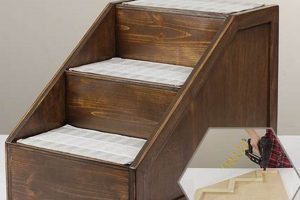
Constructing canine resting places using wood as the primary material, frequently undertaken as a do-it-yourself (DIY) project, offers a customized approach to pet comfort. This method involves selecting, cutting, and assembling wooden components to create a bed frame, which is then typically paired with cushioning for the animal’s repose. An example would be a homeowner building a raised platform bed from repurposed lumber, adding a soft pillow for their dog.
This method’s importance lies in its ability to provide a durable and aesthetically personalized sleeping area for pets. Benefits include cost savings compared to purchasing pre-made beds, the opportunity to match the structure to existing home decor, and the satisfaction of creating a functional item. Historically, crafting animal shelters and beds has been a common practice reflecting the human-animal bond and resourcefulness.
The subsequent discussion will delve into the selection of appropriate lumber, design considerations for canine comfort and safety, step-by-step construction techniques, and finishing options to ensure longevity and visual appeal. These aspects are crucial for successful implementation of a durable and attractive sleeping space.
Essential Considerations for Wooden Canine Beds
The following recommendations aim to improve the quality and longevity of custom-built sleeping spaces.
Tip 1: Material Selection: Prioritize hardwoods like oak or maple for increased durability. Softwoods, such as pine, are less expensive but more prone to scratching and denting.
Tip 2: Accurate Measurements: Measure the dog while it is sleeping in its natural position to determine the optimal bed size. Add a minimum of six inches to both length and width to allow for comfortable movement.
Tip 3: Non-Toxic Finishes: Select sealants and paints specifically labeled as non-toxic and pet-safe. Volatile organic compounds (VOCs) can be harmful to animal health.
Tip 4: Rounded Edges: Ensure all edges and corners are rounded or beveled to prevent injury. This is particularly important for active or clumsy breeds.
Tip 5: Elevated Design: Consider an elevated design to improve airflow and reduce the risk of mold or mildew buildup. This also provides insulation from cold floors.
Tip 6: Sturdy Construction: Employ robust joinery techniques, such as screws and wood glue, to ensure structural integrity. Reinforce joints with corner braces for added stability.
Tip 7: Removable Cushion: Design the bed to accommodate a removable and washable cushion. This facilitates cleaning and hygiene maintenance.
Adherence to these guidelines contributes to the construction of a safe, comfortable, and long-lasting piece of canine furniture.
The subsequent section explores specific design styles and their suitability for different breeds and home environments.
1. Wood Selection
The selection of appropriate wood is paramount in the execution of a do-it-yourself canine bed project. The chosen material directly influences the bed’s structural integrity, longevity, and aesthetic appeal. Careful consideration of wood characteristics is essential for a satisfactory outcome.
- Hardwood vs. Softwood
Hardwoods, such as oak, maple, and cherry, offer superior durability and resistance to scratches and dents, making them suitable for active dogs. Softwoods, like pine and fir, are more cost-effective but are more prone to damage. The choice depends on budget constraints and anticipated wear and tear.
- Wood Toxicity
Certain woods, such as black walnut, can be toxic to canines if ingested. It is imperative to research the safety of the selected wood species before use. Opting for woods known to be non-toxic, or thoroughly sealing potentially harmful varieties with a pet-safe finish, mitigates risk.
- Moisture Resistance
Wood’s natural susceptibility to moisture necessitates considering the environment in which the bed will be placed. In humid climates or environments where spills are likely, moisture-resistant woods like cedar or redwood are preferable. Proper sealing and finishing further enhance water resistance.
- Sustainability and Cost
Sustainable wood sources, such as reclaimed wood or certified sustainable forestry products, offer an environmentally responsible option. These may come at a higher cost but align with ethical considerations. Balancing cost with environmental impact is a critical factor in wood selection.
Ultimately, wood selection for a DIY canine bed represents a series of trade-offs between durability, cost, safety, and environmental impact. Informed decision-making, based on a thorough understanding of wood characteristics, ensures a final product that meets both the dog’s needs and the owner’s preferences.
2. Size and Dimensions
Within the scope of “dog bed diy wood,” the concept of size and dimensions is critically important, serving as a foundational element for success. Inadequate attention to size can result in a bed that is either too restrictive for the animal’s comfort or excessively large, wasting material and space. Proper dimensions ensure the canine occupant can comfortably lie down, stretch, and turn around without constraint. For example, a bed designed for a Great Dane requires significantly larger dimensions compared to one intended for a Dachshund. The precise determination of these dimensions directly influences the dog’s usage and enjoyment of the finished product.
Practical application of size and dimension considerations involves accurate measurement of the dog in its typical sleeping postures. This entails noting the overall length when fully stretched out, as well as the width required to accommodate the dog when curled up. These measurements serve as the minimum interior dimensions for the bed. Furthermore, the height of the bed, particularly the side walls, should be considered. Low sides might suit older dogs with mobility issues, while higher sides can provide a sense of security for some animals. Integrating these practical measurements into the woodworking design is crucial for creating a functional and comfortable space.
In summary, size and dimensions within the “dog bed diy wood” context transcend mere measurements; they represent the core of the bed’s usability and comfort. Challenges may arise in accurately assessing a dog’s true size preferences, necessitating careful observation. Understanding and applying these principles provides for a practical and worthwhile piece of furniture.
3. Joint Strength
Within the context of “dog bed diy wood,” joint strength represents a critical structural element directly impacting the longevity and safety of the finished product. Weak joints compromise the bed’s integrity, potentially leading to collapse under the animal’s weight or during routine use. The types of wood joints selected during the construction phase directly correlate with the overall stability and load-bearing capacity of the bed. For instance, a simple butt joint, while easy to execute, offers significantly less resistance to stress compared to a mortise-and-tenon or a dovetail joint. The absence of adequate joint strength can result in premature failure, necessitating repairs or complete reconstruction of the bed.
The practical application of joint strength principles in “dog bed diy wood” projects necessitates a thorough understanding of various woodworking techniques. Selecting the appropriate joint type depends on factors such as the type of wood used, the anticipated weight load, and the overall design aesthetic. Reinforcing joints with wood glue and fasteners, such as screws or dowels, further enhances their strength. A real-world example involves constructing a bed for a large breed dog; utilizing mitered corners reinforced with metal brackets provides a robust structure capable of withstanding substantial weight and movement, while a simple butt joint would likely fail under similar conditions. Regular inspection of joints for signs of stress or loosening is also crucial for preventative maintenance.
In conclusion, joint strength is not merely a technical detail but a fundamental determinant of the success and durability of any “dog bed diy wood” project. Challenges may arise in selecting the most appropriate joint type for a given design and skill level. A robust joint construction contributes directly to the stability and long life of a canine bed.
4. Finish Durability
Within the realm of “dog bed diy wood,” finish durability emerges as a cardinal element influencing the bed’s longevity and resistance to environmental stressors. A compromised finish yields increased susceptibility to moisture absorption, physical abrasions from canine activity, and potential chemical interactions from cleaning agents or the animal’s own bodily fluids. Inadequate finish durability, therefore, precipitates premature degradation of the wooden structure, necessitating frequent repairs or complete replacement. Consider the scenario of a pine wood bed treated with a water-based varnish; persistent exposure to a dog’s drool will inevitably lead to swelling, cracking, and eventual decay of the wood, illustrating the direct consequence of insufficient finish protection.
The selection and application of appropriate finishing materials represent a crucial stage in the “dog bed diy wood” process. Options range from penetrating oil finishes, which enhance the wood’s natural grain and offer moderate protection, to polyurethane coatings, which provide a more robust, water-resistant barrier. The choice should reflect the dog’s habits, the intended use environment, and the desired aesthetic. For instance, a bed designed for an outdoor setting requires a finish formulated for exterior use, incorporating UV inhibitors to prevent sun damage. Effective application demands meticulous surface preparation, multiple coats, and adherence to the manufacturer’s guidelines to ensure optimal adhesion and performance.
In summation, finish durability is not merely a cosmetic consideration but a functional necessity within the framework of “dog bed diy wood.” Overlooking its importance results in a compromised product with diminished lifespan and increased maintenance demands. Understanding the relationship between finish type, application technique, and environmental factors is essential for creating a durable and aesthetically pleasing sleeping space. While challenges exist in selecting the perfect finish for every situation, prioritizing durability ensures the long-term value of the handcrafted bed.
5. Design Aesthetics
Design aesthetics, within the scope of “dog bed diy wood,” transcends mere visual appeal, functioning as an integral element that bridges functionality and harmony with existing interior spaces. The successful integration of aesthetic considerations ensures the finished product is not only a comfortable resting place for the canine but also a cohesive element within the home environment.
- Material Palette and Harmony
The selection of wood type and finish directly impacts the overall aesthetic. Matching the wood to existing furniture, flooring, or trim creates a sense of visual cohesion. For example, using reclaimed barn wood to complement a rustic interior establishes a thematic consistency. Conversely, a starkly modern design might benefit from lighter, cleaner woods like maple or birch.
- Form and Proportion
The shape and size of the bed must be proportionate to both the dog and the surrounding room. An oversized bed can overwhelm a small space, while a poorly shaped design may appear awkward. Considerations include the use of clean lines for a minimalist aesthetic or more ornate detailing for a traditional style. The bed’s height is also relevant, ensuring it aligns with other furniture pieces.
- Textural Considerations
The texture of the wood and any accompanying fabrics contribute significantly to the overall aesthetic. Smooth, polished surfaces offer a contemporary feel, while rougher, more tactile surfaces evoke a sense of warmth and rustic charm. The choice of fabric for cushioning should complement the wood and consider the dog’s comfort. A textured linen or durable canvas, for instance, can enhance visual interest and withstand wear.
- Customization and Personalization
The do-it-yourself aspect allows for significant customization, enabling the integration of personal touches that enhance the aesthetic. This might involve incorporating decorative elements, such as carved details, painted designs, or personalized nameplates. Such additions elevate the bed from a purely functional object to a unique piece of furniture reflecting the owner’s style and the dog’s personality.
Integrating design aesthetics into “dog bed diy wood” projects enhances the finished product’s value, transforming it from a simple pet accessory into a curated element of the home environment. Successfully executed aesthetic considerations result in a bed that not only serves its primary function but also contributes positively to the overall ambiance of the space. The visual result promotes an appealing and harmonious outcome.
6. Safety Measures
The successful implementation of “dog bed diy wood” projects is inextricably linked to the rigorous application of safety measures. The primary objective is to mitigate potential hazards that could compromise the animal’s well-being. A direct correlation exists between neglecting safety protocols and the increased risk of injury to the dog. For instance, sharp edges or protruding fasteners can cause cuts or punctures. Similarly, the use of toxic finishes or unsuitable materials can lead to allergic reactions or poisoning if ingested. Therefore, prioritizing safety is not merely a precautionary step but a fundamental requirement in crafting a functional and safe resting place for the animal.
Practical application of safety measures involves several key considerations throughout the construction process. The selection of non-toxic wood finishes is paramount, ensuring that the dog is not exposed to harmful chemicals through skin contact or ingestion. All edges and corners should be rounded or sanded smooth to eliminate sharp points. The use of recessed or countersunk fasteners prevents accidental snags or scrapes. Furthermore, the structural integrity of the bed must be rigorously tested to ensure it can withstand the animal’s weight and activity without collapsing. Regular inspection for signs of wear and tear is crucial for maintaining a safe environment.
In conclusion, safety measures constitute an indispensable element of “dog bed diy wood” projects, dictating the overall quality and suitability of the finished product. While challenges may arise in ensuring complete safety, prioritizing these measures safeguards the canine occupant from potential harm. Adherence to safety protocols ultimately fosters a secure and comfortable environment, enriching the animal’s well-being. Safety concerns cannot be regarded as secondary.
Frequently Asked Questions
The subsequent queries address common concerns and misconceptions related to constructing canine beds from wood, offering clarity on critical aspects of the design and building process.
Question 1: What wood species are most suitable for canine bed construction, considering durability and safety?
Hardwoods, such as maple, oak, and birch, are generally preferred due to their resistance to wear and tear. Avoid woods known to be toxic to dogs, such as black walnut, or ensure they are thoroughly sealed with a non-toxic finish.
Question 2: How should the size of the canine bed be determined for optimal comfort?
Measure the dog while sleeping in its typical position, adding at least six inches to both length and width. This allows for ample room to stretch and move comfortably.
Question 3: What type of wood joints provides the greatest structural integrity for a wooden canine bed?
Mortise-and-tenon, dovetail, and reinforced miter joints offer superior strength compared to simple butt joints. Secure joints with wood glue and screws for added stability.
Question 4: What types of wood finishes are considered safe for canines and provide adequate protection?
Select finishes specifically labeled as non-toxic and pet-safe. Water-based polyurethane or oil-based finishes, once fully cured, provide durable and protective coatings. Ensure the finish is VOC-free to minimize potential health risks.
Question 5: What safety precautions should be observed during the construction of a wooden canine bed?
Round all edges and corners to prevent injuries. Use recessed or countersunk fasteners to avoid sharp protrusions. Thoroughly sand all surfaces to eliminate splinters. Ensure the bed is structurally sound and capable of supporting the dog’s weight.
Question 6: How can the wooden canine bed be effectively cleaned and maintained to prolong its lifespan?
Regularly vacuum or wipe down the wooden surfaces to remove dirt and debris. Avoid harsh cleaning chemicals that could damage the finish or pose a health risk to the dog. Consider using a removable and washable cushion for added hygiene.
These answers address vital points regarding the construction of safe, durable, and comfortable canine beds made from wood. Diligent adherence to these guidelines enhances the quality and longevity of the finished product.
The subsequent section will explore various design styles and modifications applicable to custom-built canine resting places.
Conclusion
The preceding exploration of “dog bed diy wood” has underscored the multifaceted considerations inherent in crafting canine sleeping structures. Key points have encompassed material selection, emphasizing durable and non-toxic options; dimensional accuracy, prioritizing canine comfort and mobility; joint strength, ensuring structural integrity; finish durability, protecting against environmental stressors; design aesthetics, integrating seamlessly with home decor; and rigorous safety measures, safeguarding the animal’s well-being. The culmination of these elements dictates the ultimate functionality and longevity of the finished product.
Effective application of the presented information facilitates the creation of safe, comfortable, and aesthetically pleasing canine beds. Diligence in adhering to these principles ensures that the resulting structure will serve its intended purpose while contributing positively to the dog’s quality of life and the overall harmony of the living space. The potential for customized design and personalized touches enhances the value of these handcrafted objects, solidifying their significance as enduring and meaningful investments.