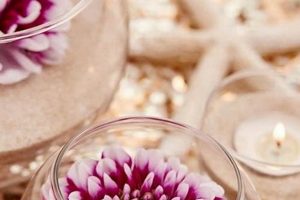
The concept centers on crafting bathroom aesthetics with natural, aged, and often handcrafted elements. These spaces often incorporate materials like reclaimed wood, stone, and metal to evoke a sense of warmth, simplicity, and connection to the outdoors. As an example, a repurposed wooden ladder can serve as a towel rack, or mason jars can be transformed into soap dispensers.
This approach offers several advantages. It allows for significant cost savings compared to professionally designed renovations. It promotes environmental sustainability by utilizing repurposed or recycled materials. Furthermore, it provides an avenue for personal expression and creativity, resulting in a unique and personalized space that reflects the homeowner’s individual style. Historically, this design sensibility echoes the resourcefulness of early American homesteads, where functionality and natural materials were paramount.
The following sections will delve into specific projects, material selections, and design principles to facilitate the creation of such a space, ensuring both aesthetic appeal and practical functionality.
Essential Considerations for Rustic Bathroom Creation
The following guidelines offer practical advice for successfully implementing a rustic aesthetic in bathroom design, focusing on durability, functionality, and visual harmony.
Tip 1: Material Selection is Paramount: Prioritize water-resistant materials. While reclaimed wood adds character, it requires careful sealing and treatment to prevent moisture damage and mold growth. Consider alternatives like treated lumber or wood-look tile in high-moisture areas.
Tip 2: Embrace Salvaged Elements: Repurposing existing items contributes to the rustic charm. Old crates can be transformed into shelving units, and vintage mirrors can add a unique focal point. Ensure these items are thoroughly cleaned and structurally sound before incorporation.
Tip 3: Lighting Enhances Ambiance: Opt for warm, diffused lighting to create a welcoming atmosphere. Edison bulbs, sconces with rustic metal finishes, and natural light sources are effective options. Consider dimmer switches to adjust the light intensity as needed.
Tip 4: Fixture Choices Matter: Select fixtures that complement the overall aesthetic. Oil-rubbed bronze, matte black, or brushed nickel finishes often work well with rustic designs. Farmhouse-style sinks and vintage-inspired faucets can further enhance the look.
Tip 5: Neutral Color Palettes Create Cohesion: Employ a color palette that reflects the natural world. Earthy tones, such as browns, creams, and greens, are ideal. Avoid overly bright or modern colors, as they may clash with the rustic aesthetic.
Tip 6: Incorporate Natural Textures: Integrate natural textures to add depth and visual interest. Stone accents, woven baskets, and linen towels can contribute to the overall sensory experience. Rough-hewn materials are preferred over sleek, polished surfaces.
Tip 7: Practicality Should Not Be Sacrificed: While aesthetics are important, functionality must remain a priority. Ensure adequate storage space, proper ventilation, and accessibility for all users. A well-designed space is both beautiful and practical.
Adhering to these considerations will facilitate the creation of a visually appealing and functionally sound space, bringing warmth, character, and longevity.
The subsequent section will address project ideas, providing inspiration for hands-on implementation.
1. Reclaimed Materials
The incorporation of reclaimed materials is a cornerstone of many ventures. These materials introduce a sense of history, character, and environmental responsibility to the overall aesthetic.
- Vanity Construction
Reclaimed wood, such as barn wood or salvaged lumber, is frequently employed in vanity construction. This provides a unique, aged appearance that contrasts with modern, manufactured surfaces. Sourcing from deconstructed buildings or demolition sites reduces the demand for newly harvested timber.
- Shelving Components
Repurposed planks or beams can be transformed into shelving units. These shelves provide storage space while adding a rustic touch. The inherent imperfections and weathering of reclaimed wood contribute to the authenticity of the design.
- Accent Features
Smaller reclaimed elements, such as salvaged metal pipes or vintage hardware, can be integrated as accent features. These details enhance the industrial-rustic aesthetic and offer opportunities for creative expression.
- Mirror Frames
Reclaimed wood can be used to create unique mirror frames. The irregular textures and weathered surfaces of the wood add visual interest and complement the overall rustic theme.
The strategic use of reclaimed materials promotes sustainability and adds a distinctive character. It offers a tangible connection to the past while reducing environmental impact.
2. Neutral palettes
The selection of neutral palettes exerts a significant influence on the success of endeavors. Neutral tones, such as beige, cream, gray, and off-white, serve as a backdrop that amplifies the natural textures and materials inherent in rustic designs. This creates a cohesive and serene environment, facilitating visual harmony between disparate elements like reclaimed wood, stone accents, and handcrafted decor. A brightly colored wall, conversely, would detract from the subtle nuances of these materials and disrupt the intended aesthetic.
Consider a bathroom featuring a vanity constructed from reclaimed barn wood. A wall painted in a deep, saturated color would compete for visual attention, diminishing the impact of the wood’s unique grain and weathering. However, pairing the vanity with walls painted in a soft, muted gray allows the wood’s character to shine. This approach extends to other design elements; for example, a natural linen shower curtain blends seamlessly with a neutral color scheme, while a patterned or brightly colored curtain would create visual discord.
The application of neutral palettes in construction represents more than merely aesthetic preference. It enhances the perceived spaciousness of the room and promotes a sense of calm and relaxation. While accents of color can be incorporated through accessories like towels or plants, maintaining a neutral base is critical. The understanding of this principle serves as a foundation for achieving the desired ambiance.
3. Natural textures
Natural textures play a pivotal ro
le in realizing the aesthetic goals of a rustic space. The integration of materials possessing inherent tactile qualities enhances the sense of warmth and authenticity, fundamentally contributing to the overall design philosophy. Without this textural diversity, the attempt at creating a rustic atmosphere may appear contrived or incomplete. The cause-and-effect relationship is direct: the absence of natural textures diminishes the intended rustic character; the presence amplifies it. For example, a smooth, polished tile floor contrasts unfavorably with the objective, whereas a slate or rough-hewn wood floor aligns perfectly.
Practical applications of natural textures extend beyond flooring. Walls can incorporate exposed brick, stone veneer, or textured paint finishes to simulate aged plaster. Shower curtains made from linen or hemp offer a soft contrast to the harder surfaces within the space. Accessories such as woven baskets, wooden soap dishes, and cotton towels further contribute to the textural layering. It is important to maintain a balance; an excessive reliance on a single texture can result in a monotonous or overwhelming effect. The selection of appropriate textures is also crucial. A highly porous stone, while visually appealing, may be impractical in a high-moisture environment due to cleaning and maintenance requirements.
In summary, the successful incorporation of natural textures represents a critical component in creating an authentic space. The considered application of materials like wood, stone, linen, and hemp allows for the realization of a warm, inviting, and visually engaging bathroom that fully embodies the characteristics of the rustic style. Challenges may arise in sourcing sustainable and appropriate materials, however the benefits in terms of aesthetic impact and perceived value are considerable.
4. Handcrafted decor
Handcrafted decor serves as a vital component in realizing a cohesive and authentic implementation. These items contribute to the overall warmth, personalization, and unique character central to the aesthetic. Mass-produced items often lack the imperfections and individual touches that define style, making handcrafted elements essential for achieving a genuine rustic atmosphere.
- Handmade Soap Dishes and Dispensers
Ceramic or wooden soap dishes, crafted by hand, introduce a tactile and visually appealing alternative to standard plastic options. Similarly, mason jar soap dispensers, often featuring repurposed hardware, enhance the utilitarian aesthetic. These small details contribute significantly to the overall impression of the space.
- Hand-Poured Candles and Holders
Beeswax candles, hand-poured and scented with natural essential oils, complement the emphasis on natural materials. Handcrafted candle holders, constructed from wood, metal, or stone, provide a visually interesting platform for these candles, enhancing the ambiance through both scent and light.
- Hand-Sewn Textiles and Accessories
Linen or cotton towels, hand-sewn with visible stitching, offer a textural contrast to smooth surfaces. Hand-knitted washcloths and woven baskets provide practical storage solutions while adding to the overall visual appeal. The imperfections inherent in hand-sewn items reinforce the theme.
- Hand-Painted Signage and Artwork
Wooden signs, hand-painted with rustic fonts and vintage imagery, provide personalized accents. Watercolor or oil paintings depicting natural landscapes or botanical illustrations further enhance the connection to the outdoors. These artistic elements contribute to the unique character and personalized feel of the space.
The inclusion of handcrafted decor underscores the commitment to authenticity and personalization. While the sourcing or creation of these items may require additional effort, the resulting impact on the overall ambiance justifies the investment. These details serve to elevate the design beyond mere imitation, creating a space that genuinely reflects the individual’s aesthetic sensibilities.
5. Simple fixtures
The selection of simple fixtures is fundamental to the success of efforts. These understated elements act as complements to the more prominent rustic features, avoiding visual competition and reinforcing the design’s core principles. The rationale for simple fixtures stems from the need to prevent the space from appearing cluttered or overly ornate. Elaborate or modern fixtures can detract from the intended aesthetic, creating a discordant and disjointed appearance. For example, a sleek, chrome faucet would be inconsistent with a vanity constructed from reclaimed barn wood. Conversely, a simple, oil-rubbed bronze faucet would blend seamlessly, enhancing the overall theme.
Practical applications involve opting for fixtures with clean lines and minimal embellishments. A basic, white porcelain sink, while seemingly unremarkable, provides a neutral base that allows other rustic elements to stand out. Similarly, a frameless mirror or a simple wooden-framed mirror avoids drawing undue attention. Showerheads with straightforward designs and minimal features are preferable to those with multiple spray settings and digital displays. The understanding of this principle facilitates a cohesive design, where each component works in harmony to create a unified and visually pleasing space. This also extends to lighting fixtures, where simple sconces or pendant lights with exposed bulbs are favored over elaborate chandeliers.
In summary, the adoption of simple fixtures represents a strategic choice in the design. It is not merely a matter of cost savings, but a deliberate effort to maintain the integrity. Challenges may arise in resisting the allure of modern or ornate fixtures, however the commitment to simplicity is crucial for realizing a truly authentic and visually balanced. Without this consideration, the space risks appearing contrived or lacking the inherent charm.
6. Strategic lighting
Strategic lighting occupies a critical position in realizing the aesthetic and functional goals of endeavors. Lighting influences the perceived warmth, ambiance, and usability of the space, complementing the selection of materials and design elements integral to style. The following outlines key facets of strategic lighting within this context.
- Warm Color Temperature
Employing bulbs with a warm color temperature (2700K-3000K) replicates the soft glow of natural light, enhancing the feeling of warmth and relaxation. This is particularly important for designs, which often incorporate natural materials like wood and stone that are best illuminated by warmer tones. Cool or harsh lighting can diminish the perceived beauty of these materials and create an unwelcoming atmosphere.
- Layered Lighting Approach
A layered approach, integrating ambient, task, and accent lighting, ensures both functionality and visual interest. Ambient lighting provides overall illumination, while task lighting focuses on specific areas like the vanity. Accent lighting highlights particular architectural features or decorative elements. For example, a sconce
placed near a reclaimed wood mirror can accentuate the wood’s texture and grain. - Fixture Selection and Placement
The choice of fixtures should complement the overall style. Sconces with rustic metal finishes, pendant lights with exposed bulbs, and repurposed lanterns are suitable options. Fixture placement should consider both functionality and aesthetics. Positioning lights to minimize shadows and maximize illumination in key areas, such as around the sink and shower, is essential.
- Dimmable Lighting Control
Installing dimmer switches provides control over light intensity, allowing for the creation of different moods and ambiances. This is particularly valuable in a bathroom, where the lighting needs may vary depending on the time of day and the activity being performed. A dimmer switch enables the creation of a soft, relaxing atmosphere for bathing or a brighter light for grooming.
These facets demonstrate the pivotal role of strategic lighting in realizing and accentuating the style. By carefully considering color temperature, layering, fixture selection, and control options, it is possible to create a space that is both visually appealing and functionally optimized, complementing other design choices.
Frequently Asked Questions Regarding DIY Rustic Bathroom Creation
The following section addresses common inquiries and misconceptions concerning the implementation of a rustic aesthetic in bathroom design. The information provided aims to offer clarity and guidance for individuals undertaking such projects.
Question 1: Is reclaimed wood suitable for bathroom environments given its high moisture levels?
Reclaimed wood can be used, but requires thorough sealing with moisture-resistant finishes. Consider using it in areas with limited direct water exposure and ensure adequate ventilation within the space.
Question 2: What are the most cost-effective ways to incorporate a style on a limited budget?
Repurposing existing items, such as mason jars for storage or old ladders for towel racks, can significantly reduce costs. Focusing on smaller details, like hardware and accessories, allows for a noticeable impact without major renovations.
Question 3: How can one balance the rustic aesthetic with modern plumbing and electrical requirements?
Concealing modern plumbing and electrical components is crucial. Utilize creative solutions like concealing pipes with wooden cladding or choosing vintage-inspired fixtures that meet current safety standards.
Question 4: What are some durable and easy-to-maintain flooring options that complement a rustic design?
Tile that mimics the look of wood or stone offers durability and ease of maintenance. Concrete flooring with a textured finish is another viable option, providing both a rustic aesthetic and resistance to moisture.
Question 5: How can lighting be used to enhance the aesthetic without sacrificing functionality?
Layered lighting, combining ambient, task, and accent lighting, is essential. Utilize warm-toned LED bulbs in fixtures with rustic metal finishes to create a welcoming atmosphere while providing adequate illumination.
Question 6: What considerations should be made for small bathroom spaces?
Prioritize space-saving solutions, such as wall-mounted vanities and open shelving. Light color palettes and strategic mirror placement can enhance the perception of spaciousness. Avoid overcrowding the space with unnecessary decorative elements.
In summary, successful endeavors require a balance between aesthetic considerations and practical functionality. Thoughtful planning, material selection, and attention to detail are crucial for achieving a cohesive and enduring design.
The subsequent section will provide a checklist to facilitate the project planning and execution.
Conclusion
The preceding discourse has detailed key aspects of DIY rustic bathroom designs, emphasizing material choices, design principles, and practical considerations. Successfully implementing this aesthetic necessitates a comprehensive understanding of reclaimed materials, neutral color palettes, natural textures, handcrafted decor, simple fixtures, and strategic lighting. These elements, when harmoniously integrated, culminate in a space embodying warmth, authenticity, and personalized character.
The information herein provides a foundation for transforming conventional spaces into environments reflecting an appreciation for natural elements and handcrafted artistry. With diligent planning and thoughtful execution, homeowners can achieve a distinctive bathroom that combines aesthetic appeal with functional utility. The enduring appeal of DIY rustic bathroom ideas ensures its continued relevance in interior design.