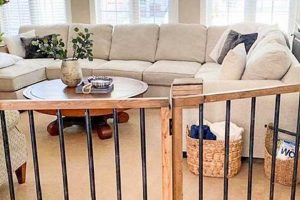
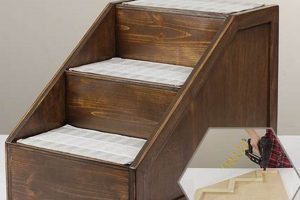
A do-it-yourself canine resting platform is a customized piece of furniture, typically mimicking a scaled-down version of a standard sofa or bed, intended for use by domestic dogs. These custom constructions frequently utilize repurposed materials, such as old furniture frames or shipping pallets, combined with new cushioning and upholstery. For example, an individual might convert a discarded coffee table into a suitable dog bed frame, subsequently adding foam padding and durable fabric for canine comfort.
Constructing a personalized dog bed offers several advantages, including cost savings compared to commercially available options and the opportunity to tailor the dimensions and aesthetic to precisely fit the dog’s size and the owner’s home dcor. Furthermore, the act of creating such an item can foster a stronger bond between pet and owner, providing the animal with a secure and comfortable space designed with its specific needs in mind. Historically, the practice aligns with a broader movement toward resourcefulness and personalization in home furnishing.
This discussion will explore various aspects of creating elevated resting spaces for dogs, encompassing material selection, construction techniques, design considerations for different breeds, and strategies for ensuring durability and hygiene in the finished product.
Construction Tips for Elevated Canine Resting Platforms
The following guidelines offer practical advice for fabricating durable and comfortable elevated resting platforms for dogs. Careful consideration of these points will contribute to a successful and long-lasting outcome.
Tip 1: Frame Material Selection: The structural integrity of the frame is paramount. Opt for solid wood, such as pine or oak, or consider a repurposed, sturdy furniture frame. Ensure all corners are reinforced with brackets or wood glue and screws for added stability.
Tip 2: Cushioning Density: Select high-density foam for the cushion to provide adequate support and prevent premature flattening. Consider orthopedic foam for senior dogs or those with joint issues. Proper foam density contributes to long-term comfort.
Tip 3: Fabric Durability: Choose a fabric designed to withstand canine use. Heavy-duty canvas, denim, or upholstery-grade materials are recommended. Select a fabric that is resistant to tearing, scratching, and staining.
Tip 4: Seam Reinforcement: Reinforce all seams with double stitching to prevent unraveling and tearing. This is especially important in areas that will experience frequent use and weight-bearing. A reinforced seam significantly extends the lifespan of the covering.
Tip 5: Waterproofing Considerations: Integrate a waterproof liner beneath the upholstery fabric to protect the foam core from moisture and odors. This is particularly important for dogs prone to accidents or excessive shedding. A waterproof barrier simplifies cleaning and maintenance.
Tip 6: Elevated Design: If incorporating legs, ensure they are securely attached and capable of supporting the dog’s weight. Test the stability of the structure before allowing the dog to use it. Uneven or unstable legs can pose a safety hazard.
Tip 7: Cleaning Accessibility: Design the platform for easy cleaning. Removable and washable covers are highly recommended. Regular cleaning minimizes the build-up of dirt, hair, and odors.
Adhering to these construction practices will result in a functional and aesthetically pleasing resting platform that meets the specific needs of the canine companion.
The subsequent section will address customization options and decorative embellishments for personalized canine resting platforms.
1. Size and breed suitability

The dimensions of a do-it-yourself canine resting platform must be precisely calibrated to accommodate the intended occupant’s physical characteristics. A mismatch between the size of the platform and the dog’s breed can lead to discomfort, limited usability, and potentially contribute to postural problems. For instance, constructing a small, enclosed bed for a German Shepherd would restrict movement and preclude comfortable stretching, negating the intended benefits of providing a dedicated resting area. Conversely, a miniature Dachshund might feel insecure and exposed on an excessively large, open platform.
Breed-specific skeletal and behavioral traits further influence optimal dimensions. Brachycephalic breeds, such as Bulldogs or Pugs, might require a low-profile platform with ample head support to facilitate easier breathing. Larger breeds, prone to hip dysplasia or arthritis, benefit from thicker, supportive cushioning that distributes weight evenly and minimizes joint stress. The design must also consider natural canine behaviors. Some breeds prefer enclosed spaces for security, while others favor open layouts that allow for vigilant observation of their surroundings.
Accurate measurement of the dog in both a curled sleeping position and a fully extended position is crucial for determining the appropriate platform dimensions. Overlooking breed-specific considerations and precise measurements during the planning phase undermines the fundamental purpose of creating a customized, comfortable, and supportive resting space. Therefore, meticulous attention to size and breed suitability is an indispensable element in the successful execution of a “diy dog couch” project.
2. Material durability assessment

The longevity and practicality of a do-it-yourself canine resting platform are intrinsically linked to the rigorous assessment of material durability. The selection of unsuitable materials inevitably leads to premature wear, structural failure, and potential safety hazards for the animal. For example, using a thin, easily torn fabric for upholstery will quickly result in rips and tears from the dog’s claws, requiring frequent repairs or replacement. Similarly, a frame constructed from weak, untreated wood is susceptible to breakage under the animal’s weight, particularly in larger breeds. A comprehensive material durability assessment mitigates these risks by identifying and selecting materials capable of withstanding the stresses of regular canine use.
The assessment process involves considering factors such as tensile strength, abrasion resistance, and resistance to moisture and odors. Fabrics should be chosen based on their ability to withstand scratching, chewing, and repeated washing. Frame materials must be selected for their load-bearing capacity and resistance to decay or insect infestation. Cushioning materials require evaluation for compression resistance and hypoallergenic properties. Practical application of this assessment might involve comparing the denier rating of various fabrics, opting for higher numbers indicating greater tear resistance, or selecting pressure-treated lumber for frame construction to enhance resistance to moisture and rot. Furthermore, the choice of fasteners, such as screws or nails, also necessitates evaluation based on their ability to withstand stress and prevent structural failure.
In conclusion, material durability assessment is a non-negotiable component of a successful canine resting platform construction. Overlooking this critical step compromises the safety, comfort, and long-term viability of the structure. A diligent and informed assessment ensures the creation of a robust, functional, and aesthetically pleasing resting platform that meets the specific needs of the canine companion and minimizes the need for frequent repairs or replacements.
3. Comfort maximization techniques

Achieving optimal canine relaxation within a do-it-yourself resting platform necessitates the deliberate implementation of comfort maximization techniques. These techniques address various facets of canine comfort, ensuring a personalized and supportive environment. The following outline details key considerations for enhancing comfort within such constructions.
- Orthopedic Cushioning Integration
The incorporation of orthopedic-grade foam provides superior support and pressure relief, particularly beneficial for senior dogs or breeds prone to joint issues. This type of cushioning conforms to the dog’s body, distributing weight evenly and minimizing stress on joints. For example, a memory foam layer atop a high-density foam base offers both comfort and support. The implementation of orthopedic cushioning mitigates discomfort associated with arthritis or hip dysplasia, promoting restful sleep and improved mobility.
- Temperature Regulation Design
Canine comfort is significantly influenced by temperature. Integrated cooling or warming features can enhance the resting environment. A platform with elevated mesh panels allows for increased airflow, preventing overheating during warmer months. Conversely, a platform incorporating a self-warming material can provide additional warmth in colder climates. The selection of breathable fabrics, such as cotton or linen, further facilitates temperature regulation, preventing moisture buildup and promoting comfort.
- Sensory Comfort Considerations
Addressing sensory needs contributes to overall comfort. Integrating a soft, plush fabric on the sleeping surface provides tactile stimulation, promoting relaxation. The inclusion of a raised bolster around the perimeter offers a sense of security and provides a comfortable headrest. Some dogs benefit from calming scents, such as lavender, which can be subtly incorporated into the fabric or cushioning. Attention to these sensory details creates a more inviting and relaxing resting space.
- Customized Size and Shape Adaptation
The dimensions and shape of the resting platform must be precisely tailored to the dog’s size, breed, and preferred sleeping positions. A platform that is too small restricts movement, while one that is excessively large may diminish the sense of security. Observing the dog’s natural sleeping habits and measuring its curled and extended positions allows for the creation of a platform that perfectly accommodates its needs. This personalized approach maximizes comfort and promotes restful sleep.
These comfort maximization techniques, when implemented thoughtfully and precisely, contribute significantly to the overall effectiveness of a do-it-yourself canine resting platform. By addressing orthopedic support, temperature regulation, sensory needs, and customized dimensions, the resulting structure provides a comfortable, supportive, and inviting space for canine relaxation and rest, ultimately enhancing the animal’s well-being.
4. Frame stability assurance

Frame stability assurance is a non-negotiable prerequisite for any do-it-yourself canine resting platform. The structural integrity of the frame directly dictates the safety, longevity, and functional utility of the finished product. A compromised frame can lead to collapse, injury, and premature obsolescence of the item, undermining the intended purpose of providing a comfortable and secure resting space for the dog.
- Material Selection and Load-Bearing Capacity
The choice of framing material directly impacts its load-bearing capacity. Solid hardwoods, such as oak or maple, offer superior strength and durability compared to softwoods like pine. Repurposed furniture frames should be meticulously inspected for pre-existing damage or weaknesses. The selected material must be capable of supporting the dog’s weight, factoring in potential dynamic loads from jumping or shifting. Failure to properly assess load-bearing capacity can result in structural failure, potentially injuring the animal.
- Joint Reinforcement Techniques
The manner in which frame components are joined significantly affects overall stability. Simple butt joints are inherently weak and should be avoided in favor of stronger joinery methods. Mortise and tenon joints, dovetail joints, or the use of metal brackets provide enhanced strength and resistance to racking forces. The proper application of wood glue in conjunction with mechanical fasteners, such as screws or bolts, further reinforces the joints. Inadequate joint reinforcement creates points of vulnerability that can lead to instability and eventual collapse of the structure.
- Leg Support and Weight Distribution
If the resting platform incorporates legs, their design and placement are critical for ensuring stability. Legs must be securely attached to the frame and positioned to distribute the dog’s weight evenly. Splayed or angled legs offer greater stability than straight legs. The use of leveling feet can compensate for uneven floor surfaces. Insufficient leg support or improper weight distribution can lead to tipping or wobbling, creating an unstable and potentially hazardous environment for the dog.
- Testing and Quality Control Measures
Prior to allowing the dog to use the resting platform, rigorous testing and quality control measures are essential. The frame should be subjected to static and dynamic load tests to verify its ability to withstand the dog’s weight and movements. All joints should be inspected for tightness and stability. Any signs of weakness or instability must be addressed before the platform is deemed safe for use. Neglecting these testing procedures increases the risk of structural failure and potential injury to the animal.
In summary, frame stability assurance is a multifaceted process that encompasses material selection, joint reinforcement, leg support, and rigorous testing. Adherence to these principles is paramount for creating a safe, durable, and functional do-it-yourself canine resting platform. Overlooking any of these aspects compromises the structural integrity of the frame, increasing the risk of failure and potentially endangering the animal’s well-being.
5. Safety feature incorporation

Safety feature incorporation within a do-it-yourself canine resting platform is paramount, influencing the animal’s well-being and mitigating potential hazards. The absence of adequate safety considerations can result in injuries ranging from minor scrapes to more severe skeletal trauma.
- Non-Toxic Material Selection
The selection of non-toxic materials is crucial to prevent potential poisoning or allergic reactions. Fabrics, paints, and adhesives should be explicitly labeled as safe for animal use, devoid of harmful chemicals such as formaldehyde or lead. Ingestion of treated wood or improperly cured finishes can lead to gastrointestinal distress or systemic toxicity. Prioritizing certified non-toxic materials minimizes the risk of adverse health effects.
- Edge and Corner Rounding
Sharp edges and corners pose a laceration risk, particularly for active dogs prone to jumping or playing near the resting platform. Rounding off all edges and corners with sandpaper or a router eliminates these potential hazards. Applying corner protectors or bumpers further mitigates the risk of accidental injury. Attention to edge and corner finishing contributes to a safer environment for the animal.
- Slip-Resistant Surfaces
A slip-resistant surface is essential to prevent falls, especially for senior dogs or breeds predisposed to joint issues. Applying a non-slip coating or incorporating textured fabric on the platform’s surface enhances traction. Securing the resting platform to the floor with non-slip pads further minimizes the risk of sliding or tipping. Preventing slippage reduces the likelihood of strains, sprains, or more severe injuries.
- Entrapment Prevention
The design should preclude any potential entrapment hazards, such as gaps or openings where a dog’s head or limbs could become lodged. Enclosed spaces must be adequately sized to prevent claustrophobia and allow for easy entry and exit. Regularly inspecting the structure for any developing gaps or loose components is crucial. Eliminating potential entrapment points safeguards the animal from becoming trapped or injured.
These safety measures, when integrated thoughtfully into the design and construction process, significantly enhance the overall safety and suitability of the do-it-yourself canine resting platform. Prioritizing non-toxic materials, rounded edges, slip-resistant surfaces, and entrapment prevention creates a secure and comfortable environment for the canine companion, minimizing the risk of injury and promoting well-being.
6. Cleaning accessibility design
Cleaning accessibility design is a critical, often overlooked, component in the creation of a do-it-yourself canine resting platform. The design directly impacts the ease and frequency with which the resting platform can be cleaned, influencing hygiene, odor control, and the overall lifespan of the structure. The cause-and-effect relationship is straightforward: inadequate cleaning access leads to the accumulation of dirt, hair, and potential allergens, resulting in unpleasant odors and potential health issues for both the dog and its human companions. The importance of this design aspect cannot be overstated, as a resting platform that is difficult to clean will inevitably become unhygienic and require premature replacement. Consider, for example, a resting platform with a permanently affixed fabric cover and no access to the inner cushioning; the accumulation of canine shedding and potential accidents would render it virtually impossible to maintain proper hygiene.
Practical applications of cleaning accessibility design involve several key strategies. Removable and washable covers are paramount, allowing for frequent laundering to eliminate dirt, odors, and allergens. Zippers, hook-and-loop fasteners, or snap closures facilitate easy removal and reattachment. Incorporating a waterproof liner beneath the upholstery protects the inner cushioning from moisture and stains, simplifying the cleaning process. Furthermore, the design should allow for easy access to the frame for occasional cleaning and inspection. A lightweight frame construction allows for effortless movement and access to the underlying floor for sweeping or vacuuming. The choice of materials also plays a role, with stain-resistant fabrics simplifying spot cleaning.
In summary, cleaning accessibility design is an essential element in creating a functional and hygienic do-it-yourself canine resting platform. Ignoring this aspect results in a product that is difficult to maintain, potentially unhygienic, and ultimately less desirable for both the dog and its owner. Thoughtful consideration of cleaning accessibility during the design and construction phases ensures a resting platform that is easy to clean, odor-free, and contributes to a healthier living environment for all.
7. Aesthetic integration planning

Aesthetic integration planning, in the context of a do-it-yourself canine resting platform, pertains to the strategic alignment of the structure’s visual attributes with the existing dcor of the living space. This planning phase extends beyond mere functionality, addressing the need for the resting platform to be a harmonious and visually appealing addition to the home environment.
- Color Palette Coordination
Effective aesthetic integration hinges on coordinating the resting platform’s color palette with the room’s existing scheme. Selecting fabrics and finishes that complement or subtly contrast with the surrounding walls, furniture, and accessories creates visual harmony. For instance, a room with neutral tones might benefit from a resting platform upholstered in a subtly patterned fabric that introduces a touch of color without overwhelming the space. A poorly chosen color palette can result in a jarring and visually disruptive element within the room.
- Material Texture and Finish Selection
The texture and finish of the chosen materials play a significant role in aesthetic integration. Selecting materials that echo or complement the textures present in the room contributes to a cohesive design. For example, a room with natural wood accents might benefit from a resting platform constructed from similar wood and finished with a compatible stain. Similarly, a room with sleek, modern furniture might be complemented by a resting platform upholstered in a smooth, minimalist fabric. Discrepancies in texture and finish can create visual discord.
- Style Compatibility and Form Factor
The overall style of the resting platform should align with the prevailing style of the room. A traditional room with ornate details might be complemented by a resting platform with a classic design and decorative embellishments. Conversely, a minimalist room calls for a streamlined, unadorned resting platform. The form factor, including the shape and size, should also be considered to ensure the platform does not overwhelm the space or appear out of proportion. Incongruent styles can detract from the overall aesthetic appeal of the room.
- Accessorization and Detailing
Strategic accessorization and detailing can enhance the aesthetic integration of the resting platform. Adding decorative pillows or blankets that coordinate with the room’s color palette and style can create a cohesive look. The inclusion of subtle details, such as decorative trim or stylish legs, can further elevate the visual appeal. Overly elaborate or poorly chosen accessories can detract from the overall aesthetic and create a cluttered appearance.
These facets of aesthetic integration planning are essential for ensuring that the do-it-yourself canine resting platform becomes a seamless and visually pleasing addition to the home environment. By carefully considering color, texture, style, and accessorization, one can create a resting platform that is not only functional and comfortable for the dog but also enhances the overall aesthetic appeal of the living space. Ignoring aesthetic considerations can result in a resting platform that is visually jarring and detracts from the harmony of the room.
Frequently Asked Questions Regarding DIY Dog Couch Construction
The following addresses common inquiries and misconceptions associated with the creation of customized canine resting platforms.
Question 1: Is specialized carpentry experience required to construct a functional dog resting platform?
A high degree of carpentry skill is not a universal prerequisite. Simple designs utilizing repurposed materials, such as modifying an existing coffee table, require minimal woodworking expertise. However, more complex designs involving intricate joinery or custom frame construction necessitate a higher level of proficiency. Resources such as online tutorials and instructional guides can provide valuable assistance for individuals with limited experience.
Question 2: What are the primary safety concerns associated with constructing a resting platform for canines?
Primary safety considerations include the selection of non-toxic materials, the elimination of sharp edges or corners, the provision of a slip-resistant surface, and the prevention of potential entrapment hazards. The structural integrity of the frame is also crucial to prevent collapse and potential injury. Adherence to established safety guidelines minimizes risks to the animal.
Question 3: How can the accumulation of canine hair and odors be effectively managed within a do-it-yourself resting platform?
Effective management of hair and odors involves the use of removable and washable covers, the incorporation of a waterproof liner to protect the inner cushioning, and the regular vacuuming or cleaning of the frame. The selection of odor-resistant fabrics and the occasional use of pet-safe deodorizing sprays can further mitigate odor issues.
Question 4: What is the recommended approach for selecting appropriate cushioning materials to maximize canine comfort?
The selection of cushioning materials should prioritize both comfort and support. High-density foam provides adequate support and prevents premature flattening. Orthopedic foam is recommended for senior dogs or those with joint issues. The thickness and density of the cushioning should be tailored to the dog’s size and weight.
Question 5: What considerations should inform the determination of appropriate dimensions for a canine resting platform?
The dimensions of the platform must be congruent with the dog’s breed, size, and preferred sleeping posture. Accurate measurements of the dog in both a curled sleeping position and a fully extended position are essential. The platform should provide ample space for comfortable movement and stretching without being excessively large, which may diminish the sense of security.
Question 6: How can the aesthetic integration of a do-it-yourself canine resting platform be achieved within a pre-existing home dcor?
Aesthetic integration is achieved through careful consideration of color palettes, material textures, style compatibility, and accessorization. Selecting fabrics and finishes that complement the existing room dcor creates visual harmony. The overall style of the platform should align with the prevailing style of the room. The addition of decorative pillows or blankets that coordinate with the room’s color scheme further enhances the aesthetic appeal.
In summary, constructing a safe, comfortable, and aesthetically pleasing resting platform requires careful planning, material selection, and adherence to established safety and design principles.
The subsequent section will explore advanced customization options and decorative techniques for creating truly unique canine resting platforms.
DIY Dog Couch
This exploration has illuminated the multifaceted considerations inherent in the creation of a “diy dog couch.” From the foundational aspects of frame construction and material selection to the nuanced details of comfort maximization, safety feature incorporation, and aesthetic integration, each element contributes to the final product’s functionality, durability, and overall suitability. The emphasis on breed-specific dimensions, non-toxic materials, and ease of cleaning underscores the importance of prioritizing the canine’s well-being and the owner’s convenience.
The construction of a customized canine resting platform represents more than a mere exercise in resourcefulness; it embodies a commitment to providing a secure, comfortable, and aesthetically harmonious space for a beloved companion. Future endeavors in this domain should focus on sustainable material sourcing and innovative designs that further enhance canine comfort and environmental responsibility. The enduring significance of this endeavor lies in its potential to improve the quality of life for both canine and human inhabitants of the shared living space. Undertaking such a project with diligence and informed foresight will yield a rewarding and lasting contribution to the animal’s well-being.