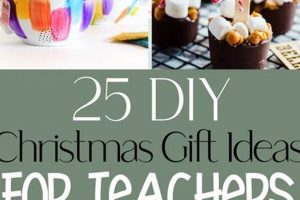
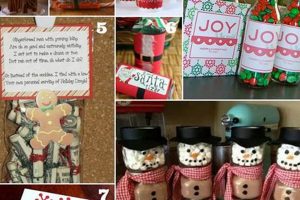
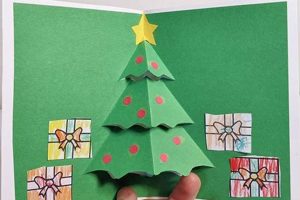
Handmade presents for educators during the winter holiday season constitute a thoughtful gesture of appreciation. These items, crafted personally, often reflect the giver’s investment of time and effort, presenting a more individualized expression of gratitude than commercially available alternatives. An example would be a decorated picture frame or a batch of homemade cookies.
Such tokens of esteem carry significance due to their personalized nature, fostering stronger connections between students or their families and the teaching staff. The act of creating and presenting a gift signifies a level of engagement beyond the typical classroom dynamic. Historically, handmade items were common gifts due to resource constraints, but their continued relevance stems from the emotional value they represent.
Therefore, the subsequent sections will explore specific ideas, practical considerations, and ethical guidelines pertaining to selecting and producing appropriate and appreciated presents for teachers during the Christmas season. Emphasis will be placed on projects suitable for varying skill levels and budgets.
Crafting Thoughtful Tokens of Appreciation for Educators
This section offers guidance for selecting and executing handmade holiday gifts for teaching staff, emphasizing practicality and appropriateness.
Tip 1: Prioritize Practicality: Gifts should be useful to the recipient. A decorative item for the classroom, a personalized stationery set, or a container of homemade treats are examples of practical presents.
Tip 2: Consider Allergies and Preferences: Before creating edible gifts, ascertain potential dietary restrictions or allergies. For non-edible items, consider the teacher’s known interests or classroom themes.
Tip 3: Focus on Quality over Quantity: A well-executed, simple project is preferable to a complex, poorly-finished one. Ensure materials are durable and workmanship is neat.
Tip 4: Encourage Student Involvement Appropriately: If the gift originates from a class, ensure all students contribute in a meaningful way, even if only by adding a signature to a card.
Tip 5: Package Gifts Attractively: Presentation enhances the perceived value. Utilize clean, appealing packaging materials such as decorative boxes, ribbons, or personalized tags.
Tip 6: Adhere to School Guidelines: Confirm any restrictions on gift-giving policies, particularly regarding monetary value or types of acceptable presents.
Tip 7: Include a Handwritten Note: A sincere, handwritten note expressing gratitude is invaluable. The note should articulate specific reasons for appreciation.
These guidelines aim to facilitate the creation of meaningful and appropriate tokens of gratitude that acknowledge the dedication of teaching professionals.
The subsequent section will offer suggestions on specific projects suitable for different skill levels and age groups.
1. Personalization
Personalization serves as a pivotal element in the creation of handmade holiday gifts for educators. It transforms a generic offering into a token of genuine appreciation, reflecting an understanding of the recipient’s individual preferences and contributions.
- Reflecting Teacher Interests
Personalization allows the gift to align with the teacher’s hobbies, subjects taught, or classroom themes. For example, a science teacher might appreciate a handmade periodic table poster, while a literature teacher could value a bookmark crafted with a quote from a favorite author. Such alignment demonstrates thoughtfulness and consideration of the teacher’s passions.
- Incorporating Student Input
When a gift involves the entire class, personalization can extend to including each student’s contribution in a unique way. This could involve each student decorating a tile for a coaster set or contributing a page to a class-created cookbook. This collective effort underscores the community’s appreciation for the educator’s role.
- Customization with Names or Initials
Simple personalization, such as adding the teacher’s name or initials to an item, significantly enhances its perceived value. A personalized mug, tote bag, or stationery set becomes a unique and cherished possession, distinguishing it from generic store-bought alternatives.
- Demonstrating Specific Appreciation
Personalized gifts can reflect specific instances where the teacher went above and beyond. A card detailing particular moments when the teacher was helpful, kind, or inspiring adds a layer of meaning that a generic thank you cannot replicate. It acknowledges the teacher’s impact in a direct and impactful manner.
Ultimately, the integration of personalization into handmade gifts for teachers elevates these offerings from mere objects to meaningful expressions of gratitude. It demonstrates a level of care and attention that resonates deeply, strengthening the bond between educators and the community they serve.
2. Practicality
Practicality stands as a crucial consideration when crafting handmade holiday presents for educators. A gift’s utility significantly impacts its perceived value and the likelihood of it being used and appreciated by the recipient. Focusing on practical items ensures the gift serves a purpose beyond mere ornamentation, reflecting a thoughtful understanding of the teacher’s needs and daily routine.
- Classroom Application
Gifts that can be directly integrated into the classroom environment offer substantial value. Items such as customized storage containers for supplies, handmade organizers for lesson plans, or personalized bulletin board decorations provide immediate utility, supporting the teacher’s organizational needs and enhancing the learning space. These gifts directly contribute to the classroom’s functionality and aesthetic appeal.
- Personal Use at School
Many educators spend a significant portion of their day at school. Presents designed for personal use during the school day, such as insulated mugs, personalized lunch bags, or handmade desk organizers, can provide comfort and convenience. These items address practical needs and offer a small respite during a demanding workday, indicating consideration for the teacher’s well-being.
- Home-Related Utility
Gifts that cater to the teacher’s life outside of school can also demonstrate thoughtfulness. Items like homemade candles, personalized kitchen utensils, or handcrafted home dcor items offer utility and aesthetic value within the teacher’s personal space. Consideration should be given to ensure these items align with the teacher’s general style and preferences to maximize their appreciation and integration into their home environment.
- Durability and Longevity
A practical gift should also possess qualities of durability and longevity. Choosing materials and construction methods that ensure the item can withstand regular use is essential. A well-made, durable gift is more likely to be cherished and used for an extended period, providing ongoing appreciation and reflecting the giver’s investment of time and effort.
By prioritizing practicality in the selection and creation process, handmade gifts for educators transcend mere gestures of goodwill, becoming valuable and appreciated tools that support their professional and personal lives. A focus on utility ensures that the effort invested in creating the gift translates into genuine and lasting appreciation from the recipient.
3. Budget Considerations
The correlation between budgetary constraints and the selection of self-made holiday presents for educators is significant. Limited financial resources often necessitate creative and resourceful approaches to expressing gratitude. The creation of gifts provides an alternative to commercial purchasing, enabling students and families to offer meaningful tokens of appreciation while adhering to individual financial limitations. The absence of budgetary awareness can result in exclusion and inequity, as some families may be unable to participate in expensive gift-giving practices. Homemade gifts offer an inclusive solution, allowing all students to contribute without imposing financial strain.
Real-world applications of this understanding are evident in school settings where collective class gifts are organized. Instead of individual contributions towards a costly item, students might collaborate on a personalized scrapbook, each contributing a decorated page expressing their gratitude. This approach minimizes individual expense while maximizing the impact of the gesture. Another example is the utilization of recycled materials to create decorative items for the classroom, reducing the financial burden and promoting environmental consciousness. The practicality of this approach extends to empowering students to develop crafting skills and resourcefulness, fostering creativity within financial parameters.
In summary, the implementation of budgetary considerations is crucial for ensuring inclusivity and equity in holiday gift-giving practices for teachers. While financial constraints present a challenge, they also stimulate creativity and resourcefulness, leading to the development of personalized and meaningful gifts that reflect genuine appreciation. Ignoring financial limitations can inadvertently create disparities and undermine the intended spirit of gratitude. The focus on handmade presents promotes both fiscal responsibility and heartfelt expression.
4. Student Involvement
The degree of student participation significantly influences the effectiveness and sentiment conveyed by handmade holiday gifts presented to educators. Active involvement fosters a sense of ownership, accomplishment, and genuine appreciation, transforming a simple gift into a valuable expression of collective gratitude.
- Idea Generation and Planning
Engaging students in the initial stages of gift selection and design promotes creativity and ensures the final product reflects their collective preferences. Brainstorming sessions, where students propose ideas and vote on preferred options, empower them to contribute meaningfully to the decision-making process. This method ensures that the gift aligns with both student capabilities and teacher suitability.
- Collaborative Creation
Dividing tasks according to skill level and interest allows all students to participate actively in the construction of the gift. Some students might focus on decorative elements, while others contribute through painting, writing, or assembly. This collaborative approach fosters teamwork and ensures that the final product is a tangible representation of the entire class’s effort. Example of which each student decorates a small section of a larger mosaic art piece, showcasing each individual’s contribution and ensuring full class participation.
- Personal Message Composition
Requiring each student to contribute a handwritten note or a short statement of appreciation adds a personal touch and enhances the emotional impact of the gift. These messages should be genuine and specific, highlighting particular qualities or actions of the teacher that resonated with the student. Combining these individual notes into a class scrapbook or a decorative banner provides a lasting keepsake for the educator. This level of personalization goes beyond any store-bought alternative.
- Presentation and Delivery
Involving students in the packaging and presentation of the gift reinforces their sense of ownership and responsibility. Students can assist in wrapping, decorating, and delivering the gift, transforming the act of giving into a celebratory event. A carefully planned presentation, complete with a brief speech or a song, can elevate the experience and create a lasting memory for both the students and the teacher, reinforcing the value of their collaborative efforts.
Effective student involvement transforms handmade gifts from mere objects into powerful expressions of collective appreciation, strengthening the bonds between students and teachers. By actively participating in all stages of the gift-giving process, students develop valuable skills, foster a sense of community, and demonstrate their genuine gratitude in a meaningful and memorable way. It reinforces the idea that the value lies not just in the gift itself, but in the thought and effort put into its creation and presentation.
5. Teacher Preferences
The alignment of handmade holiday gifts with educator predilections is paramount for ensuring the gesture’s genuine appreciation. Disregarding these preferences can render even the most well-intentioned offering ineffective or, in some instances, inappropriate. Therefore, acquiring insight into the teacher’s inclinations is an essential prerequisite to gift creation.
- Dietary Restrictions and Allergies
The presence of food allergies or dietary limitations significantly influences the suitability of edible gifts. Presenting homemade baked goods to an educator with a known gluten intolerance or nut allergy is counterproductive and potentially hazardous. Prior confirmation of any dietary needs is therefore essential. This may be achieved via discreet communication with other parents or school staff.
- Hobbies and Interests
Gifts that reflect a teacher’s personal hobbies or interests demonstrate a level of attentiveness beyond generic acknowledgments. For example, a teacher with a known passion for gardening might appreciate a handcrafted planter or seed starter kit. Conversely, presenting a gift unrelated to their known interests can diminish its impact. Understanding these interests can be gleaned from classroom decor, casual conversations, or school newsletters.
- Classroom Themes and Decor
Consideration of the classroom’s established themes and decor is relevant, particularly when crafting items intended for classroom use. A handmade organizational tool or decorative piece that complements the existing aesthetic is more likely to be welcomed and utilized. Conversely, an item that clashes with the established decor might appear out of place and less valued.
- Personal Style and Aesthetic
An understanding of the teacher’s personal style can guide the selection of materials and design choices for handmade gifts. A teacher with a minimalist aesthetic might appreciate a simple, understated item, while one with a more eclectic style might favor a more elaborate and colorful design. Observing their attire, classroom environment, and expressed preferences can provide insights into their individual style.
In conclusion, the success of self-made holiday presents hinges on aligning the gift with the teacher’s individual preferences. Diligent consideration of dietary needs, personal interests, classroom aesthetics, and individual style ensures that the gesture is both thoughtful and well-received. Disregarding these factors can undermine the intention of the gift and diminish its impact.
Frequently Asked Questions
The following addresses common inquiries regarding the creation and presentation of handmade gifts for teachers during the Christmas season.
Question 1: What is the appropriate monetary value for a handmade gift?
There is no stipulated monetary value. The value is derived from the thoughtfulness, effort, and personalization invested in the item, not the cost of materials. Overtly expensive materials should be avoided.
Question 2: How can allergies and dietary restrictions be accommodated when preparing edible gifts?
Direct communication with the teacher or school administration is the most reliable method. Alternatively, providing a detailed ingredient list with the gift allows the recipient to make an informed decision regarding consumption.
Question 3: Is it acceptable for a student to present a handmade gift that requires significant parental assistance?
Gifts should reflect the student’s capabilities and effort, even if parental assistance is necessary. The student should be actively involved in the creation process, not merely a passive observer.
Question 4: What types of handmade gifts are generally considered inappropriate for teachers?
Gifts of a personal or intimate nature, items that could be construed as bribes, or those that violate school policies are generally deemed inappropriate. Refrain from gifting alcohol, perfume/cologne, or overtly religious items unless familiarity dictates appropriateness.
Question 5: How should a class collaborate on a single handmade gift?
Divide tasks based on student abilities and interests. Ensure equitable participation and consider a project that allows individual contributions to form a cohesive whole, such as a collaborative art piece or a collection of personalized notes.
Question 6: What constitutes an appropriate presentation for a handmade gift?
Neat and thoughtful packaging is essential. Utilize clean, appealing materials and include a handwritten note expressing sincere gratitude. The presentation should reflect the effort invested in the gift itself.
In conclusion, adherence to these guidelines contributes to the creation and delivery of appropriate, appreciated, and memorable handmade gifts for educators.
The next section will explore ethical considerations and best practices to ensure a positive gift-giving experience for all involved.
Concluding Remarks
This exploration has addressed the multifaceted nature of creating personalized presents for educators during the winter holiday season. Emphasis has been placed on practicality, personalization, budget considerations, student involvement, and acknowledgment of teacher preferences. Consideration of these elements facilitates the development of appropriate and valued gifts that extend beyond mere obligatory gestures.
The information presented serves as a guide for promoting thoughtful engagement and mindful gift-giving practices. Ultimately, the significance of “diy christmas gifts teachers” lies in the expression of genuine appreciation for educators’ contributions, fostering positive relationships within the educational community. Continued adherence to ethical considerations and best practices will ensure the ongoing effectiveness of this tradition.