Crafting plant containers from cement allows for a high degree of customization in terms of size, shape, and texture. This method typically involves creating a mold, mixing cement with aggregates like sand or perlite, and then allowing the mixture to cure within the mold. A common example is producing a set of geometric planters for succulents using plastic containers as the mold.
The creation of customized plant holders offers several advantages, including cost-effectiveness compared to purchasing commercially manufactured items, the opportunity to tailor designs to specific aesthetic preferences or plant requirements, and increased durability compared to some commercially available plastic alternatives. Historically, the use of cementitious materials for containers dates back to ancient times, with advancements in modern mixes providing increased workability and longevity.
The subsequent sections will detail various techniques for constructing these containers, explore suitable materials and mixing ratios, provide guidance on surface treatments and finishing, and offer creative project ideas for incorporating these handmade objects into indoor and outdoor spaces.
Fabrication Pointers
The following guidelines are designed to enhance the success and longevity of cement-based plant receptacles. Adherence to these recommendations can improve both the aesthetic appeal and structural integrity of the finished product.
Tip 1: Mold Release Application: Employ a suitable mold release agent, such as vegetable oil or petroleum jelly, to the interior surfaces of the mold. This facilitates easier removal of the cured cement object, minimizing the risk of damage.
Tip 2: Aggregate Selection: Carefully consider the selection of aggregates. Fine sand contributes to a smoother surface finish, while coarser aggregates enhance structural strength. The aggregate-to-cement ratio should be optimized based on the intended application and aesthetic goals.
Tip 3: Proper Mixing Technique: Thoroughly combine the cement mixture to ensure even distribution of ingredients and prevent segregation. Inadequate mixing can result in weak spots and inconsistencies in the cured cement.
Tip 4: Vibration for Consolidation: Vibrate the filled mold to eliminate air pockets and promote compaction of the cement mixture. This can be achieved by gently tapping the mold or using a purpose-built vibration device.
Tip 5: Controlled Curing Environment: Maintain a humid environment during the curing process to prevent rapid water evaporation, which can lead to cracking. Cover the mold with plastic sheeting or mist it periodically with water.
Tip 6: Gradual Demolding: Once the cement has sufficiently cured, carefully remove it from the mold. Avoid applying excessive force that could damage the structure. Minor imperfections can be addressed with subsequent finishing techniques.
Tip 7: Sealing for Longevity: Apply a concrete sealer to the finished container to protect it from water damage, staining, and freeze-thaw cycles. This will significantly extend its lifespan, particularly in outdoor environments.
These recommendations emphasize the importance of careful planning, material selection, and execution in the creation of durable and aesthetically pleasing cement containers. The consistent application of these principles leads to superior results.
The concluding section will address various decorative finishes and explore project ideas incorporating these handmade elements.
1. Mold Selection
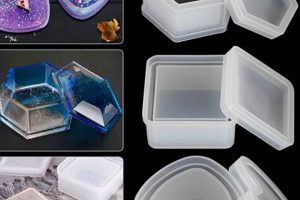
Mold selection exerts a direct influence on the final form and functionality of a cement-based plant container. The mold dictates the size, shape, and surface texture transferred to the hardening cement. Improper mold selection can lead to structurally unsound or aesthetically displeasing results. For example, using a thin, flexible plastic container as a mold without proper external support may cause the cement to bulge outwards during the curing process, resulting in a warped or distorted final product. The internal surface texture of the mold is also directly imprinted onto the cement, influencing the container’s appearance.
Considerations for mold selection extend beyond simple aesthetics. The material of the mold affects demolding ease; silicone molds offer superior release compared to rigid plastic. The presence of draft angles (a slight tapering of the sides) within the mold facilitates removal of the hardened cement without damage. Size and shape must align with the intended plant and environment; a small, shallow mold would be unsuitable for a plant with an extensive root system. Molds can be purpose-built from materials like wood or assembled from found objects, demanding careful construction to prevent leakage and maintain dimensional accuracy.
In summary, appropriate mold selection is a foundational element in successful cement container construction. It determines structural integrity, aesthetic qualities, and overall usability. Failure to adequately consider the material, shape, size, and internal features of the mold increases the risk of structural defects, demolding difficulties, and incompatibility with the intended plant. The mold serves as a template, and its careful selection is paramount to achieving a satisfactory and functional final product.
2. Mixture Ratios
The proportion of components within a cement mixture critically affects the physical characteristics of plant containers. Ratios of cement, aggregate (such as sand or perlite), and water directly influence strength, porosity, and workability. Deviation from recommended proportions can result in structural weaknesses, increased susceptibility to cracking, or difficulty in handling the wet mixture. For instance, an insufficient cement-to-aggregate ratio yields a porous, brittle container prone to fracturing, while excessive water weakens the cured cement matrix.
Optimal ratios depend on the desired properties and the intended environment. Containers designed for outdoor use in regions with freeze-thaw cycles require a denser, stronger mix with lower water content to resist cracking from expanding ice. Conversely, containers intended for indoor use or for plants requiring excellent drainage may benefit from a higher proportion of aggregate, increasing porosity. Accurate measurement and thorough mixing are essential to ensure uniformity and prevent segregation of components, which can lead to localized weaknesses within the container.
In summation, the proper formulation of cement mixtures constitutes a foundational element in the creation of durable and functional plant holders. An understanding of component interactions and adherence to established ratios mitigates risks of structural failure and enhances the long-term performance of the finished product. Therefore, precise consideration of these factors is critical to the success of concrete projects.
3. Curing Process
The curing process represents a critical phase in the creation of durable cement-based plant containers. It dictates the ultimate strength, resistance to cracking, and overall longevity of the finished product. Proper curing involves maintaining adequate moisture and temperature levels to facilitate the full hydration of cement particles, enabling the development of a strong, interconnected matrix. Inadequate or improper curing can lead to significantly weakened structures, rendering the container susceptible to premature failure.
- Hydration Rate
The rate at which cement particles hydrate directly impacts the final strength. Insufficient moisture retards hydration, preventing the cement from achieving its designed compressive strength. Rapid drying, conversely, can cause shrinkage cracks. Maintaining a consistently moist environment, achieved through methods like covering the container with plastic sheeting or regular misting, ensures optimal hydration and minimizes the risk of cracking.
- Temperature Control
Temperature influences the speed and effectiveness of the hydration process. Extreme temperatures, both hot and cold, can negatively affect the curing process. High temperatures accelerate hydration, potentially leading to rapid setting and reduced long-term strength. Low temperatures can slow or even halt hydration, extending the curing time significantly. Maintaining a consistent, moderate temperature range is essential for achieving optimal results.
- Moisture Retention Techniques
Various methods exist to retain moisture during curing. Covering the container with plastic sheeting creates a humid microclimate, preventing water evaporation. Misting the container regularly with water adds moisture to the surface, counteracting evaporative losses. Soaking the container in water, particularly during the initial stages of curing, provides a constant source of moisture. The choice of technique depends on the size and shape of the container, as well as environmental conditions.
- Curing Duration
The duration of the curing process is directly related to the cement type and environmental conditions. While some rapid-setting cements may achieve sufficient strength within a few days, most Portland cements require a minimum of seven days of continuous curing to achieve approximately 70% of their design strength. Extended curing periods, up to 28 days, result in further strength gains and improved durability. Premature removal from the curing environment can compromise the structural integrity of the container.
These facets highlight the crucial role of the curing process in producing robust and long-lasting cement containers. Proper hydration, temperature control, moisture retention, and sufficient curing duration are all essential factors contributing to the successful creation of these vessels. Adherence to these principles is fundamental to achieving a satisfactory and functional final product. Ignoring these considerations often results in a planter that cracks and crumbles soon after being put into use.
4. Finishing Techniques
The application of finishing techniques is integral to enhancing the aesthetic appeal and functional longevity of self-made cement-based plant receptacles. These techniques address surface imperfections, modify texture, and provide protective coatings, ultimately influencing the perceived value and durability of the container.
- Sanding and Grinding
Sanding and grinding are employed to remove sharp edges, surface irregularities, and mold imperfections. Abrasive tools, ranging from sandpaper to diamond grinding pads, are utilized to achieve a smooth or textured surface. For instance, aggressive grinding can expose aggregate within the cement matrix, creating a terrazzo-like effect. Improper sanding can, however, lead to uneven surfaces or damage to delicate features.
- Sealing and Coating
The application of sealants and coatings provides a protective barrier against moisture penetration, staining, and freeze-thaw damage. Acrylic sealers create a water-resistant film, while penetrating sealers impregnate the cement matrix. Coatings, such as epoxy or polyurethane, offer enhanced durability and resistance to chemicals. The selection of an appropriate sealant is critical to preventing deterioration and maintaining the container’s structural integrity over time.
- Staining and Coloring
Staining and coloring techniques allow for the modification of the cement’s inherent gray tone, offering a spectrum of aesthetic possibilities. Acid stains react chemically with the cement, creating mottled, variegated effects. Pigmented sealers provide uniform color coverage. The choice of coloring method depends on the desired aesthetic and the container’s intended environment. Improper staining can result in uneven color distribution or fading over time.
- Texturing and Detailing
Texturing and detailing techniques add visual interest and tactile qualities to the container’s surface. Techniques include stamping, scoring, and applying textured coatings. Stamping utilizes textured mats to imprint patterns onto the wet cement. Scoring involves creating grooves or lines using specialized tools. These methods transform a plain surface into a unique work with personalized visual impact.
In summary, the judicious application of finishing techniques significantly elevates the quality and appeal of homemade cement plant containers. These processes not only rectify imperfections but also impart protective qualities and aesthetic enhancements. Careful consideration of material selection and application techniques ensures a lasting and visually pleasing result, transforming a simple project into a unique and professional-looking creation.
5. Sealing Application
The application of sealant to cement-based plant containers is a crucial step in ensuring their long-term durability and functionality. The inherent porosity of cement allows water and dissolved salts to penetrate the material, potentially leading to cracking, efflorescence, and structural degradation. Sealing mitigates these risks, extending the lifespan of the finished product.
- Protection Against Water Damage
Sealing creates a barrier against water intrusion, preventing freeze-thaw damage in colder climates. Water absorbed into the cement expands upon freezing, exerting pressure that can cause cracks and spalling. Sealants, such as acrylic or siloxane-based products, repel water, reducing the risk of such damage. For example, a sealed container exposed to repeated freeze-thaw cycles will exhibit significantly less deterioration compared to an unsealed counterpart.
- Prevention of Efflorescence
Efflorescence, the white, powdery deposit on cement surfaces, is caused by the migration of soluble salts to the surface. As water evaporates, it leaves these salts behind, creating an unsightly appearance. Sealants impede the movement of water, thus reducing the likelihood of efflorescence. A container used for planting that is p
roperly sealed will avoid this unsightly buildup. - Resistance to Staining
Porous cement readily absorbs stains from soil, fertilizers, and organic matter. Sealants create a protective layer that prevents these substances from penetrating the material, maintaining the container’s aesthetic appearance. Spilled fertilizer on a sealed container can be easily wiped away, whereas it may permanently stain an unsealed one.
- Enhanced Durability
By preventing water damage and the ingress of corrosive substances, sealants enhance the overall durability of cement containers. This extends the usable life of the product, reducing the need for replacement and minimizing material waste. The application of a quality sealant represents a minimal investment that yields substantial long-term benefits in terms of structural integrity and aesthetic preservation.
In summary, the proper application of sealant is a vital component in the construction of durable and aesthetically pleasing cement containers. Sealing not only protects against water damage, efflorescence, and staining, but also enhances the overall longevity of the product, providing sustained utility and visual appeal. This preventative measure is essential for any cement vessel intended for outdoor or prolonged use.
6. Drainage Design
Effective drainage design is a non-negotiable aspect of crafting durable and functional plant containers. The absence of adequate drainage in cement-based vessels invariably leads to waterlogged soil, fostering anaerobic conditions detrimental to plant root health. This, in turn, can result in root rot, nutrient deficiencies, and ultimately, plant demise. The connection between drainage design and plant health within these containers is one of direct cause and effect. For instance, a container lacking drainage holes will accumulate excess water after rainfall or irrigation, suffocating roots and creating an environment conducive to fungal diseases.
Proper drainage is achieved through various design considerations. The inclusion of strategically placed drainage holes at the base of the container is fundamental. These holes facilitate the outflow of excess water, preventing its accumulation within the soil. The size and number of drainage holes must be proportional to the container’s volume and the water retention characteristics of the potting mix used. Furthermore, incorporating a layer of gravel or coarse material at the bottom of the container promotes efficient drainage by preventing soil from clogging the drainage holes. Failure to implement these design elements compromises the functionality of the container, rendering it unsuitable for sustaining healthy plant growth. Succulents and cacti, known for their sensitivity to overwatering, are particularly vulnerable in poorly drained cement pots.
In summary, drainage design constitutes a critical component of successful cement container construction. Implementing appropriate drainage solutions not only safeguards plant health but also extends the lifespan of the container by preventing water damage to the cement itself. Ignoring this fundamental aspect undermines the utility of the vessel and negates the benefits of crafting durable, customized plant holders. The integration of effective drainage mechanisms represents a practical and essential consideration for anyone engaging in crafting these plant containers.
Frequently Asked Questions
This section addresses common inquiries and misconceptions regarding the creation and maintenance of plant containers constructed from cementitious materials.
Question 1: What is the optimal cement-to-aggregate ratio for achieving maximum container strength?
The optimal ratio depends on the intended use and aggregate type. A general guideline is 1 part cement to 2-3 parts aggregate (sand, perlite, etc.). Lower ratios (more cement) increase strength but can increase cracking potential. Testing different ratios for the intended application is advisable.
Question 2: How can cracking during the curing process be prevented?
Cracking is primarily caused by rapid moisture loss and temperature fluctuations. Maintaining a humid environment during curing, either by covering the container with plastic or misting regularly, prevents excessive evaporation. Gradual temperature changes are also beneficial.
Question 3: What type of sealant is best for protecting cement containers from water damage?
Penetrating sealants, such as siloxane or silane-based products, are generally preferred over film-forming sealants like acrylics. Penetrating sealants impregnate the cement matrix, providing long-lasting water repellency without altering the surface appearance. Film-forming sealants are prone to peeling and cracking.
Question 4: Is it necessary to include reinforcement (e.g., wire mesh) in cement plant containers?
Reinforcement is generally recommended for larger containers or those subject to significant stress. Wire mesh or fiberglass fibers increase tensile strength and reduce the risk of cracking. For smaller containers, reinforcement may not be necessary if proper curing and sealing techniques are employed.
Question 5: How can drainage be effectively incorporated into cement container designs?
Adequate drainage is crucial for plant health. Drill multiple drainage holes in the base of the container, ensuring they are not easily blocked by soil. A layer of gravel or coarse material at the bottom of the container can further improve drainage.
Question 6: What are the best practices for preparing a cement container for planting?
Before planting, thoroughly rinse the container to remove any residual cement dust or chemicals. Allow the container to dry completely before adding potting mix. Consider lining the interior with a moisture-retentive material to prevent the cement from drawing moisture away from the soil.
The information above should mitigate risks associated with cement container construction and maintenance. Proper planning, material selection, and execution are paramount for success.
The subsequent section will cover innovative applications of concrete materials in gardening and landscaping.
Concluding Remarks on diy cement pots
This exploration of constructing plant containers from cement has underscored critical aspects ranging from material selection to finishing techniques. The principles of mixture formulation, curing methodologies, and drainage implementation are central to creating durable and functional vessels. Consideration of these elements significantly influences the longevity and aesthetic qualities of the finished product.
The informed application of these methods allows for the creation of customized horticultural elements tailored to specific environmental needs and aesthetic preferences. Further innovation in material science and design will likely expand the possibilities within this domain, offering increasingly sophisticated options for both amateur and professional horticulturalists. Continued adherence to best practices ensures that these fabricated items serve their intended purpose effectively.