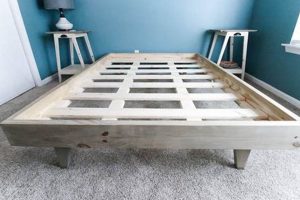
A combination sleeping and workspace structure, often constructed from wood or metal, maximizes vertical space by elevating a bed above a desk area. Such a configuration offers a practical solution for rooms with limited square footage, effectively creating a multi-functional zone for sleep, study, and other activities. An example would be a child’s room where a twin bed sits atop a work surface suitable for homework and creative pursuits.
The advantages of this space-saving design are multifaceted. It allows for more efficient use of floor area, particularly beneficial in smaller apartments, dorm rooms, or shared bedrooms. Historically, similar space-saving furniture solutions have been employed in environments where density is a primary concern, such as ships or military barracks. The integration of sleeping and workspace promotes organization and can contribute to a more streamlined living environment.
This exploration will delve into the considerations for design and construction, safety aspects, material selection, and potential customization options. Factors such as structural integrity, ergonomic design, and adherence to building codes will be addressed. Furthermore, strategies for optimizing the layout and aesthetics will be examined, providing guidance for creating a functional and visually appealing finished product.
Construction and Design Considerations
The following recommendations address essential aspects of building a combined elevated bed and workspace. These guidelines emphasize safety, structural integrity, and functionality for long-term use.
Tip 1: Prioritize Structural Integrity. The frame must be robust enough to support the weight of the bed and its occupant. Implement appropriate joinery techniques, such as mortise and tenon or reinforced screw connections, to ensure stability. Over-engineer the structure to provide an ample safety margin.
Tip 2: Adhere to Safety Standards. Install guardrails around the sleeping area to prevent falls. The height of the guardrails should meet or exceed relevant building codes. Thoroughly inspect all connections for any signs of weakness or instability.
Tip 3: Plan for Adequate Headroom. Ensure sufficient vertical clearance between the bed and the desk surface below. A minimum of 36 inches is generally recommended to allow for comfortable use of the workspace.
Tip 4: Integrate a Secure Ladder or Staircase. The access method to the bed must be safe and stable. A ladder should have angled rungs and be securely attached to the frame. A staircase provides a more accessible and potentially safer alternative, especially for younger users.
Tip 5: Optimize Desk Lighting. Implement appropriate task lighting for the workspace. Consider adjustable LED lamps or integrated lighting solutions that provide adequate illumination without glare.
Tip 6: Manage Cable Organization. Incorporate cable management solutions to prevent tangled cords and ensure a clean workspace. Cable trays, ties, or built-in channels can effectively organize wiring for computers and other electronic devices.
Tip 7: Select Durable Materials. Choose materials that are both strong and resistant to wear and tear. Solid hardwoods or engineered wood products are commonly used for framing, while durable laminate or solid wood surfaces are suitable for the desk.
Tip 8: Account for Future Modifications. Design the structure with potential future modifications in mind. Consider the possibility of adding shelves, storage compartments, or other features to enhance functionality over time.
By implementing these guidelines, a secure and functional piece of furniture can be created. Attention to detail in design and construction is essential to guarantee longevity and user satisfaction.
With a foundation of safety and stability established, the subsequent section will address the aesthetic aspects of incorporating this structure into various interior design styles.
1. Structural Integrity

Structural integrity is paramount in the design and construction. It directly influences the safety and longevity of the structure. A poorly constructed unit lacking adequate support could collapse under the weight of a person, leading to serious injury. The joinery techniques employed, the type and dimensions of the materials used, and the overall design contribute to the load-bearing capacity. For example, using thinner lumber than specified in a design plan or failing to properly secure joints can compromise the frame’s ability to withstand the intended weight. Ensuring secure connections and utilizing appropriate materials is crucial in mitigating potential hazards.
The implications of compromised structural integrity extend beyond immediate safety concerns. A structurally unsound unit may exhibit instability, leading to premature wear and tear and requiring frequent repairs. Over time, this can result in significant financial burdens and inconvenience. Furthermore, a structurally deficient unit poses a risk to the occupants and potentially to those nearby, leading to legal liabilities in case of an accident. Consider the example of a college student who built such a bed in a dorm room, which collapsed and caused a fracture to the student, highlighting the importance of proper structural planning.
In summary, the relationship between structural integrity and is a critical determinant of its success and safety. Neglecting structural considerations can lead to hazardous conditions and costly consequences. A meticulous approach to design and construction, with a focus on load-bearing capacity and material selection, is essential. Only through prioritizing structural soundness can the potential benefits of space optimization and functionality be realized. Adherence to established construction practices and building codes helps ensure that the finished product is safe and reliable.
2. Space optimization

The construction of a raised sleeping platform with an integrated desk beneath directly addresses the challenges of limited floor space. The primary effect of this vertical stacking is the liberation of area previously occupied by separate bed and desk elements. This arrangement is particularly beneficial in compact living environments, such as studio apartments, dormitories, or children’s bedrooms where maximizing usable square footage is essential. Without this consolidation, the same functionality would necessitate a larger room, incurring additional costs and potentially limiting living options.
A critical component of any successful raised bed and desk design is the efficient use of vertical space. Maximizing the area beneath the bed requires careful consideration of the desk dimensions, storage solutions, and accessibility. For example, a design incorporating built-in shelves or drawers within the desk structure further enhances space efficiency. In real-world scenarios, the positive impact is evident. Consider a small apartment in a densely populated urban area where a raised bed and desk solution allows the occupant to have a dedicated workspace and sleeping area within a single room, eliminating the need for a larger, more expensive dwelling.
Understanding the direct correlation between efficient spatial utilization and this type of furniture construction provides practical advantages. It allows individuals to create functional and comfortable living areas even within confined spaces. However, challenges may arise in designing and building a unit that meets both structural and ergonomic requirements within the constraints of a small footprint. Careful planning and precise execution are essential to avoid compromising safety or usability. Ultimately, this approach contributes to a more sustainable and efficient use of resources, aligning with broader goals of optimizing living environments within a limited resource framework.
3. Ergonomic Workspace

The integration of an ergonomic workspace into the design is a crucial factor determining its overall functionality and user well-being. The workspace component necessitates a design that promotes proper posture and reduces strain during extended periods of work or study. Failure to consider ergonomic principles can lead to discomfort, musculoskeletal issues, and decreased productivity. The height of the desk surface, the positioning of the chair, and the availability of adequate lighting are essential elements contributing to an ergonomic workspace. A real-world example might involve a student experiencing chronic back pain due to a poorly designed desk incorporated into a raised bed structure, underscoring the negative consequences of neglecting ergonomic principles.
Implementation of ergonomic design within these combined structures presents unique challenges. The limited vertical space between the desk and the bed necessitates careful planning to ensure adequate headroom and legroom. Adjustability of the desk surface and chair is highly desirable, allowing users to customize the workspace to their individual needs. Additional considerations include the placement of electrical outlets, the provision of adequate ventilation, and the minimization of noise distractions. An effective ergonomic design may incorporate features such as a monitor stand to promote proper eye level, a keyboard tray to encourage neutral wrist posture, and a supportive chair with adjustable lumbar support. Such adaptations are essential for promoting physical well-being and enhancing work efficiency.
In conclusion, the relationship between ergonomic design and the viability of a comfortable and productive workspace is undeniable. Neglecting ergonomic factors compromises the intended benefits of space optimization and functionality. Prioritizing ergonomic considerations through careful design and implementation can significantly enhance user satisfaction and long-term health. This proactive approach transforms a potentially uncomfortable and detrimental workspace into an environment conducive to both physical well-being and sustained productivity, maximizing the utility of the combined sleeping and workspace structure.
4. Safety Railings

The integration of safety railings in any raised sleeping platform is not merely an option but a critical necessity. Given the elevated nature of a structure of this type, railings serve as the primary means of preventing falls and minimizing the risk of injury. Their design, construction, and adherence to safety standards are paramount in ensuring the well-being of the user. The following elements underscore the importance of appropriate safety measures.
- Height and Spacing Standards
The height of the railings must meet or exceed established safety standards, typically ranging from 14 to 16 inches above the top surface of the mattress. The spacing between vertical members should be narrow enough to prevent a child from squeezing through, generally less than 3.5 inches. Failure to adhere to these standards can render the railings ineffective in preventing falls, particularly among younger users. An example would be a railing that is too low, allowing a sleeping individual to roll over and fall during the night.
- Material Strength and Durability
The materials used in the construction of safety railings must possess sufficient strength and durability to withstand impact and pressure. Commonly used materials include solid hardwoods or metal tubing, chosen for their ability to withstand significant force without breaking or bending. Inadequate material strength can lead to railing failure in the event of an accidental collision, potentially resulting in serious injury. A real-life example could be a railing constructed from thin, weak wood that breaks under the weight of someone leaning against it.
- Secure Attachment to the Bed Frame
The railings must be securely attached to the bed frame using robust hardware and appropriate joinery techniques. The connection points should be able to withstand considerable stress without loosening or detaching. Weak or improperly secured connections compromise the structural integrity of the railings, rendering them ineffective in preventing falls. An illustration of this would be railings attached with screws that are too short, leading to them pulling out over time.
- Corner Design and Protrusions
The design of the railings should avoid sharp corners or protrusions that could pose a safety hazard. Rounded edges and smooth surfaces minimize the risk of cuts or abrasions in the event of contact. Protruding hardware or sharp corners can cause injury if a user bumps into the railings. A real-world example could be railing corners that are not properly sanded, resulting in splinters or cuts.
These factors, when addressed comprehensively, determine the effectiveness of safety railings in mitigating the risk of falls and injuries. Attention to height and spacing standards, material strength, secure attachment, and corner design is essential. Prioritizing these safety aspects ensures the long-term well-being of individuals utilizing a raised sleeping platform with an integrated workspace. By adhering to established safety guidelines, the potential hazards associated with elevated beds can be minimized, creating a safer living environment.
5. Ladder Placement
The positioning of the access ladder significantly influences the safety, usability, and spatial efficiency of a combined sleeping and workspace structure. Improper placement can compromise accessibility, increase the risk of falls, and diminish the overall functionality of the unit. Effective ladder placement requires careful consideration of ergonomic principles, structural limitations, and the intended user demographic.
- Angle of Inclination
The angle at which the ladder is inclined directly affects the ease and safety of ascent and descent. A steeper angle conserves floor space but increases the effort required for climbing and elevates the risk of slipping. Conversely, a shallower angle provides a more comfortable and stable climbing experience but consumes more floor area. The ideal angle strikes a balance between space efficiency and user comfort, typically falling between 60 and 75 degrees. For instance, a ladder positioned at a near-vertical angle may be challenging for children or elderly individuals to navigate safely.
- Proximity to Desk Area
The ladder’s proximity to the desk area influences both accessibility and potential interference with workspace activities. Placing the ladder too close to the desk can restrict legroom and hinder the user’s ability to move freely. Conversely, locating the ladder too far away may necessitate awkward or unsafe maneuvers to access the sleeping area. The optimal placement allows for easy access to the bed without encroaching upon the workspace or creating obstructions. Consider a scenario where a ladder is positioned directly in front of the desk, requiring the user to navigate around it each time they enter or exit the workspace.
- Step Design and Spacing
The design and spacing of the ladder steps affect the comfort and security of each step. Wide, flat steps provide a more stable and comfortable platform for the feet, reducing the likelihood of slipping. Consistent step spacing is crucial for maintaining a rhythmic climbing pattern and preventing missteps. Unevenly spaced steps or narrow, rounded rungs can increase the risk of falls. For example, a ladder with narrow, cylindrical rungs may be uncomfortable and unstable for users wearing socks or bare feet.
- Secure Attachment and Stability
The ladder must be securely attached to the bed frame and designed to withstand the weight and force of repeated use. A wobbly or loosely attached ladder poses a significant safety hazard. The ladder should be anchored to the frame using robust hardware and appropriate joinery techniques. Additional support elements, such as bracing or gussets, can enhance stability and prevent swaying. Imagine a situation where a ladder detaches from the bed frame while someone is climbing, leading to a fall and potential injury.
The above considerations of the relation between safe and efficient ladder design and its function within a raised bed and desk setup highlight the delicate balance between spatial concerns, ergonomic demands, and user safety. Attending to these details during the design and construction phase significantly enhances the overall functionality and safety profile of the finished structure.
Frequently Asked Questions
The following addresses commonly encountered inquiries regarding the design, construction, and safety considerations for a combined sleeping and workspace structure. These responses aim to provide clarity and guidance based on established building practices and safety recommendations.
Question 1: What is the recommended lumber size for supporting the weight of the bed and occupant?
The appropriate lumber dimensions depend on the overall design and span of the structure. However, as a general guideline, 4×4 inch posts are often used for the main vertical supports, while 2×6 inch lumber may be suitable for the bed frame. It is imperative to consult structural load tables and consider the specific design to ensure adequate weight-bearing capacity.
Question 2: How can the risk of falls from the upper bunk be effectively minimized?
Implementation of safety railings is crucial. Railings should extend at least 5 inches above the mattress surface, and the spacing between vertical supports should not exceed 3.5 inches. Furthermore, a secure and stable ladder or staircase should be provided for access.
Question 3: What are the essential ergonomic considerations for designing the desk area?
The desk height should be appropriate for the user’s height, allowing for a neutral wrist position when typing. Adequate legroom should be provided beneath the desk. Proper task lighting is also essential to minimize eye strain.
Question 4: How should electrical wiring be managed to ensure safety and prevent hazards?
All wiring should be installed in accordance with local electrical codes. Use appropriate cable management solutions to prevent tangled cords and minimize the risk of tripping or electrical shock. Consider incorporating surge protectors to safeguard electronic devices.
Question 5: What type of finish is recommended for wood surfaces to ensure durability and safety?
A non-toxic, durable finish, such as polyurethane or varnish, is recommended to protect the wood from wear and tear. Ensure that the finish is fully cured before using the structure to minimize off-gassing and potential health hazards.
Question 6: How frequently should the structure be inspected for signs of wear or instability?
Regular inspections are essential. Inspect all connections, joints, and support members at least twice a year for any signs of loosening, cracking, or damage. Promptly address any issues to maintain structural integrity and prevent accidents.
Adherence to these guidelines can contribute to a safer and more functional combined sleeping and workspace structure. Careful planning, sound construction practices, and a commitment to safety are paramount.
The next section will delve into design variations and customization options, offering insights into adapting the structure to meet specific needs and aesthetic preferences.
DIY Bunk Bed with Desk
The preceding exploration has examined the key considerations involved in constructing a combined sleeping and workspace structure. Attention has been given to structural integrity, space optimization, ergonomic design, and essential safety measures. The discussion encompassed material selection, joinery techniques, access solutions, and frequently asked questions, providing a comprehensive overview of the factors influencing the success and safety of such projects. A DIY bunk bed with desk must balance space-saving ambition with the practical demands of daily life.
Ultimately, the creation of a functional and aesthetically pleasing piece of furniture depends on careful planning and meticulous execution. While the potential benefits of space optimization and enhanced productivity are considerable, they must be balanced against the responsibility of ensuring structural soundness and user safety. The successful realization of a DIY bunk bed with desk reflects a commitment to both design ingenuity and responsible construction practices, contributing to a more efficient and comfortable living environment.