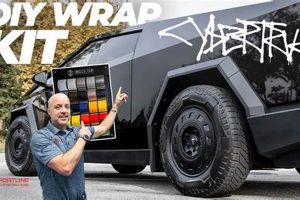
A comprehensive package designed for vehicle owners to independently apply paint finishes to their automobiles. These typically include primers, paints, clear coats, and associated application tools such as spray guns, sanding materials, and masking tape. The intent is to provide individuals with the resources to perform automotive painting tasks at home or in a personal workspace.
The growing interest in restoring and customizing vehicles has fueled the demand for such products. The appeal lies in potential cost savings compared to professional services and the satisfaction derived from completing the painting process. Historically, automotive painting was exclusively the domain of trained technicians, but accessible materials and online resources have empowered individuals to undertake these projects independently.
The following sections will delve into the components of these offerings, the processes involved in successful application, safety precautions to observe, and considerations for selecting appropriate supplies for specific automotive paint projects.
Application Strategies for Automotive Refinishing Packages
Effective utilization of an automotive refinishing package requires meticulous preparation and adherence to established best practices. These strategies aim to optimize finish quality and durability.
Tip 1: Surface Preparation is Paramount: Thoroughly clean and degrease the surface to be painted. Sand existing finishes to create a keyed surface for optimal adhesion. Address any rust or corrosion with appropriate treatments prior to priming.
Tip 2: Primer Selection: Choose a primer compatible with the existing substrate and the intended topcoat. Apply primer in thin, even coats, allowing sufficient drying time between coats to prevent solvent entrapment.
Tip 3: Paint Mixing and Reduction: Strictly adhere to the manufacturer’s recommendations regarding paint mixing ratios and reducer selection. Improper mixing can lead to inconsistencies in color, gloss, and cure time.
Tip 4: Environmental Control: Maintain a clean, well-ventilated workspace free from dust and debris. Temperature and humidity significantly impact paint application and drying. Follow recommended guidelines for optimal results.
Tip 5: Spray Technique: Practice consistent spray gun technique, maintaining a uniform distance and speed. Overlapping passes by 50% ensures even coverage and minimizes striping or streaking.
Tip 6: Clear Coat Application: Apply multiple thin coats of clear coat rather than a single heavy coat to prevent runs and sags. Allow sufficient flash time between coats for optimal leveling and gloss.
Tip 7: Buffing and Polishing: After the clear coat has fully cured, carefully buff and polish the finish to remove imperfections and enhance gloss. Use appropriate polishing compounds and pads for the desired level of correction.
Mastering these techniques will significantly improve the outcome of automotive refinishing projects, resulting in a professional-quality finish.
The following sections will explore advanced techniques and troubleshooting strategies for common automotive painting challenges.
1. Component Quality
The inherent quality of individual components within an automotive refinishing package directly dictates the final outcome of the painting project. Inferior paints, primers, clear coats, or application tools compromise the durability, appearance, and longevity of the finish. For example, low-grade primers may lack adequate adhesion properties, leading to premature peeling or chipping. Similarly, inexpensive spray guns may produce inconsistent atomization, resulting in uneven coverage and visible defects. The selection of high-quality materials, therefore, represents a fundamental prerequisite for achieving professional-caliber results.
Consider the practical implications of using subpar materials. A budget-friendly clear coat with inadequate UV protection will degrade rapidly under sunlight exposure, resulting in discoloration and cracking. Low-solids paints offer reduced coverage, necessitating multiple coats to achieve adequate opacity, which increases material consumption and labor time. Moreover, the use of incompatible reducers or hardeners can lead to chemical reactions that compromise the integrity of the paint film, causing issues like solvent popping or wrinkling. The initial cost savings associated with lower-quality components are often outweighed by the expenses incurred in redoing the project.
In summary, prioritizing the acquisition of high-quality components is a crucial determinant of project success. While the initial investment may be higher, the enhanced durability, improved appearance, and reduced risk of failure justify the expenditure. Prudent selection based on manufacturer reputation, technical specifications, and user reviews provides a foundation for achieving a superior, long-lasting automotive finish. The subsequent discussion will address the role of surface preparation in conjunction with paint component quality.
2. Surface Preparation
Surface preparation represents the foundation upon which the success of any automotive refinishing endeavor rests, irrespective of the quality of materials employed. Within the context of employing a DIY auto paint kit, meticulous surface preparation is non-negotiable. Its impact transcends mere aesthetics, directly influencing paint adhesion, finish durability, and overall appearance.
- Cleaning and Degreasing
The removal of contaminants such as dirt, grease, wax, and silicone is paramount. These substances impede proper paint adhesion, leading to premature failure. Commercial degreasers designed for automotive applications are essential. Failure to thoroughly clean the surface results in fisheyes, where the paint retracts from contaminated areas, leaving unsightly imperfections. The use of wax and grease remover prior to sanding ensures that contaminants are not embedded into the existing finish.
- Sanding and Feathering
Sanding serves multiple purposes: removing existing imperfections, creating a mechanical key for paint adhesion, and feathering the edges of damaged areas. Progressively finer grits of sandpaper are employed to refine the surface, culminating in a smooth, uniform substrate. Inadequate sanding leaves behind scratches that become visible through subsequent paint layers. Feathering blends the edges of repairs seamlessly with the surrounding areas, preventing hard lines and ensuring a smooth transition.
- Rust and Corrosion Removal
Untreated rust and corrosion undermine the integrity of the paint finish. Mechanical methods, such as wire brushing or sanding, are used to remove loose rust. Chemical treatments, such as rust converters, neutralize remaining corrosion and create a stable surface for paint
ing. Failure to address rust results in its propagation beneath the new paint layer, leading to bubbling and eventual paint failure. The selection of appropriate rust removal methods depends on the severity of the corrosion. - Masking and Protection
Masking protects adjacent areas from overspray and prevents unwanted paint contamination. High-quality masking tape and paper are essential for creating clean, defined lines. Proper masking techniques minimize the risk of overspray, reducing the need for extensive cleanup and rework. Detailing tape is used for intricate masking applications, ensuring sharp edges and precise lines.
Neglecting any of these facets of surface preparation compromises the effectiveness of a DIY auto paint kit. Even the highest quality paints and clear coats cannot compensate for an improperly prepared substrate. The time and effort invested in meticulous surface preparation represent a critical investment in the longevity and visual appeal of the final automotive finish.
3. Application Technique
The proficiency with which paint and related materials are applied constitutes a pivotal determinant in the success of any automotive refinishing project utilizing a DIY auto paint kit. While component quality and surface preparation lay the groundwork, proper application transforms these elements into a durable and visually appealing finish. Inadequate technique leads to imperfections, compromised durability, and an unsatisfactory final result.
- Spray Gun Operation and Settings
Correct manipulation of the spray gun is fundamental. This encompasses nozzle selection, pressure adjustment, and spray pattern control. Different paints and clear coats necessitate varying nozzle sizes and pressures for optimal atomization. Incorrect settings result in runs, sags, orange peel, or dry spray. Maintaining a consistent distance from the surface and utilizing a steady, overlapping spray pattern ensures uniform coverage. Improper technique wastes material and creates an uneven finish requiring extensive correction.
- Paint Layering and Flash Times
Applying multiple thin coats, rather than a single heavy coat, is crucial for preventing runs and promoting proper drying. Each coat must be allowed to “flash” that is, to partially dry and release solvents before the next coat is applied. Insufficient flash time traps solvents within the paint film, leading to blistering or solvent popping. Overly thick coats are prone to sagging and require extensive sanding to correct. Adhering to the manufacturer’s recommended flash times and layering techniques is essential for a smooth and durable finish.
- Blending and Color Matching
When repairing localized damage, blending the new paint with the existing finish is critical for achieving a seamless repair. This requires feathering the edges of the new paint and carefully matching the color to the surrounding area. Color matching can be challenging, as automotive paints fade over time due to UV exposure. Professional paint suppliers offer color matching services to ensure an accurate blend. Poor blending results in visible color differences and detracts from the overall appearance of the vehicle.
- Troubleshooting Common Issues
Even with meticulous preparation and proper technique, issues such as runs, sags, orange peel, or dry spray can arise. Identifying the cause of these problems and implementing corrective measures is essential for achieving a satisfactory finish. Runs and sags typically result from applying too much paint in a single coat, while orange peel is caused by inadequate atomization or improper spray gun settings. Dry spray occurs when the paint partially dries before reaching the surface. Correcting these issues often requires sanding down the affected area and reapplying the paint, emphasizing the importance of preventative measures and careful application.
In summary, application technique serves as the linchpin in translating the potential of a DIY auto paint kit into a tangible, high-quality automotive finish. Mastering the nuances of spray gun operation, layering, blending, and troubleshooting enables the individual to overcome challenges and achieve professional-caliber results. Skillful application, coupled with high-quality components and meticulous surface preparation, culminates in a durable and aesthetically pleasing automotive finish.
4. Environmental Factors
Environmental factors exert considerable influence on the efficacy and outcome of automotive refinishing projects employing a DIY auto paint kit. Temperature, humidity, and air quality directly impact paint application, drying times, and the integrity of the resulting finish. Deviation from recommended environmental conditions can compromise adhesion, induce surface defects, and shorten the lifespan of the paint. For instance, applying paint in excessively humid conditions promotes moisture entrapment within the paint film, leading to blistering, clouding, or diminished gloss. Conversely, high temperatures accelerate drying times, potentially resulting in dry spray or inadequate leveling. Air quality, particularly the presence of airborne contaminants such as dust or pollen, contaminates the wet paint surface, embedding imperfections within the finish.
The practical implications of environmental control are readily apparent in various scenarios. A project undertaken in an unventilated garage accumulates overspray, creating a hazardous breathing environment and contaminating the surrounding area. Furthermore, temperature fluctuations during the drying process cause uneven curing and compromise the integrity of the paint film. Automotive paint manufacturers specify ideal temperature and humidity ranges for their products; adherence to these guidelines minimizes the risk of adverse effects. Proper ventilation, temperature regulation, and the use of air filtration systems mitigate the negative influences of these factors. Moreover, the selection of fast or slow-drying reducers based on ambient temperature aids in achieving optimal flow and leveling.
In summary, environmental factors constitute a critical element in the successful execution of DIY automotive refinishing projects. Controlling temperature, humidity, and air quality maximizes the performance of paint materials, minimizes defects, and prolongs the lifespan of the applied finish. Ignoring these influences leads to compromised results and potentially costly rework. Prioritizing environmental control, therefore, represents an integral aspect of achieving a professional-caliber outcome when utilizing a DIY auto paint kit.
5. Safety Measures
The implementation of comprehensive safety measures is paramount when utilizing automotive refinishing packages. The materials and processes involved inherently present a range of hazards requiring diligent mitigation. The following points outline critical safety considerations for individuals undertaking automotive painting projects.
- Respiratory Protection
Automotive paints, primers, and clear coats contain volatile organic compounds (VOCs) that pose a significant res
piratory hazard. Prolonged or repeated exposure to VOCs causes various health problems, including respiratory irritation, neurological damage, and potential carcinogenic effects. A properly fitted respirator equipped with appropriate organic vapor cartridges is essential to filter out harmful fumes. The selection of a NIOSH-approved respirator and consistent cartridge replacement, following manufacturer guidelines, are crucial for effective respiratory protection. - Eye Protection
Chemical splashes and airborne particles generated during sanding and spraying operations pose a risk of eye injury. Safety glasses or goggles that provide adequate splash and impact protection are mandatory. Contact lenses should not be worn during these activities, as they trap chemicals against the cornea, exacerbating potential injury. A face shield offers additional protection against overspray and larger debris.
- Skin Protection
Prolonged skin contact with automotive paints and solvents results in irritation, dermatitis, and absorption of harmful chemicals into the bloodstream. Wearing appropriate gloves, such as nitrile or neoprene, protects the skin from direct contact. Avoid using latex gloves, as they degrade rapidly in the presence of solvents. Coveralls or long-sleeved shirts and pants further minimize skin exposure. Immediate washing with soap and water is necessary following any accidental skin contact.
- Ventilation and Fire Safety
VOCs are flammable and explosive under certain conditions. Adequate ventilation is crucial to prevent the accumulation of fumes and minimize the risk of fire or explosion. Work in a well-ventilated area, ideally with cross-ventilation, and utilize exhaust fans to remove fumes from the workspace. Keep ignition sources, such as open flames, sparks, and electrical equipment, away from the painting area. Have a fire extinguisher readily available and ensure awareness of its proper use.
These aforementioned safety precautions are crucial for mitigating the inherent risks associated with automotive refinishing projects. Diligent adherence to these practices protects the individual from potential health hazards and ensures a safer working environment when utilizing automotive refinishing packages.
6. Post-Application Care
The durability and aesthetic appeal of an automotive finish, achieved through the application of a DIY auto paint kit, are significantly influenced by subsequent maintenance practices. Neglecting post-application care diminishes the longevity of the paint, rendering the initial investment of time and resources less effective. Post-application care encompasses a series of procedures aimed at protecting the newly applied finish from environmental damage, chemical exposure, and physical abrasion. This phase represents an integral extension of the painting process, directly impacting the long-term visual integrity of the vehicle. For instance, failure to promptly remove bird droppings, which are highly acidic, etches the clear coat, leaving permanent blemishes. Similarly, improper washing techniques inflict swirl marks and scratches, diminishing gloss and clarity.
Specific post-application care procedures include regular washing with pH-neutral automotive soap to remove contaminants. Application of wax or paint sealant establishes a protective barrier against UV radiation, oxidation, and environmental pollutants. Prompt removal of insects, tree sap, and other potentially damaging substances minimizes the risk of staining or etching. Avoiding automated car washes with abrasive brushes prevents swirl marks and scratches. Hand-drying the vehicle with microfiber towels reduces water spotting and streaking. Additionally, storing the vehicle in a garage or covered location minimizes exposure to the elements, prolonging the life of the paint finish. Regular inspection of the paint surface allows for the early detection and correction of minor imperfections, preventing more extensive damage. Polishing compounds eliminate minor scratches and swirl marks, restoring gloss and clarity. Proper clay bar treatment removes embedded contaminants, leaving the surface smooth and prepared for wax or sealant application.
In summary, diligent post-application care is an indispensable component of any successful DIY auto paint kit project. These procedures safeguard the integrity of the paint finish, preserving its aesthetic appeal and extending its lifespan. Neglecting post-application care negates the benefits of meticulous preparation and skilled application, resulting in a compromised and short-lived result. Therefore, individuals undertaking automotive refinishing projects must recognize the critical importance of implementing a comprehensive post-application care regime to maximize their investment and achieve a lasting, visually appealing finish.
Frequently Asked Questions Regarding DIY Auto Paint Kits
This section addresses common inquiries and concerns regarding the use of automotive refinishing packages designed for independent application. The information presented aims to clarify misconceptions and provide guidance for informed decision-making.
Question 1: Is prior experience necessary to achieve acceptable results with a DIY auto paint kit?
While prior experience is beneficial, it is not strictly essential. However, a thorough understanding of surface preparation, paint application techniques, and safety protocols is critical. Individuals lacking experience should invest time in research, practice on non-critical surfaces, and carefully follow manufacturer instructions to minimize the risk of errors.
Question 2: What level of finish quality can reasonably be expected from a DIY auto paint kit application?
The quality of the finish achieved depends heavily on the user’s skill, the quality of the kit components, and the environment in which the painting is performed. While professional-grade results are attainable, they typically require significant expertise and specialized equipment. A realistic expectation for a first-time user is a presentable, functional finish that may exhibit minor imperfections.
Question 3: Are DIY auto paint kits suitable for repairing extensive damage, such as large dents or rust?
DIY kits are generally more appropriate for addressing minor scratches, small dents, and superficial rust. Extensive damage necessitates specialized tools and techniques, including body fillers, welding, and structural repairs. Attempting to repair significant damage with a DIY kit often yields unsatisfactory results and compromises the structural integrity of the vehicle.
Question 4: How critical is color matching when utilizing a DIY auto paint kit for spot repairs?
Accurate color matching is essential for seamless spot repairs. Automotive paint colors fade over time due to UV exposure and environmental factors. Obtaining the correct color code and considering factors such as age and weathering is crucial. Professional paint suppliers offer color matching services utilizing specialized equipment to ensure an accurate blend.
Question 5: What safety precautions are indispensable when working with automotive paints and solvents?
Mandatory safety precautions include the use of a NIOSH-approved respirator equipped with organic vapor cartridges, eye protection (safety glasses or goggles), skin protection (nitrile or neoprene gloves), and adequate ventilation. Automotive paints and solvents contain volatile organic compounds that pose respiratory, der
matological, and neurological hazards. Failure to adhere to safety protocols significantly increases the risk of adverse health effects.
Question 6: What is the expected lifespan of a paint finish applied using a DIY auto paint kit?
The lifespan of a DIY paint finish is influenced by factors such as the quality of materials, application technique, environmental exposure, and maintenance practices. While professionally applied finishes typically last longer, a well-executed DIY finish, properly maintained, provides several years of serviceable life.
In summary, DIY automotive refinishing offers a viable option for cost-effective cosmetic repairs, provided that individuals possess a realistic understanding of the process, adhere to safety guidelines, and prioritize meticulous preparation and application techniques.
The subsequent section will present a comparative analysis of different types of DIY auto paint kits available on the market.
DIY Auto Paint Kit
This exploration has elucidated the multifaceted aspects of the “diy auto paint kit.” Surface preparation, component quality, application technique, environmental control, and safety measures are not merely suggestions but essential prerequisites for achieving a serviceable outcome. Mastery of these elements dictates the viability of independent automotive refinishing. A lack of due diligence in any of these domains compromises the final product, potentially leading to material waste, structural damage, and health risks.
The decision to employ a “diy auto paint kit” demands careful consideration. While cost savings are often the primary motivator, the investment of time, acquisition of requisite skills, and adherence to rigorous safety protocols must be factored into the equation. Furthermore, the resultant finish, while potentially adequate, rarely replicates the precision and durability achievable through professional application. Individuals must weigh these factors prudently before embarking on such an endeavor, recognizing that the responsibility for both the quality of the work and their own safety rests solely upon them.