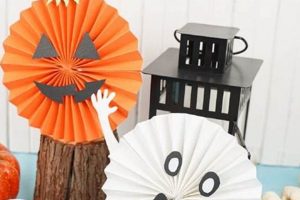
The creation of festive window displays using homemade materials is a popular holiday activity. This practice encompasses a wide range of projects, from crafting paper snowflakes and painting seasonal scenes on glass to constructing elaborate miniature winter landscapes within the window frame.
Such seasonal embellishments offer several advantages. They provide a cost-effective means of enhancing the aesthetic appeal of a residence, contributing to a welcoming and celebratory atmosphere both inside and outside the home. Furthermore, the creation process often serves as a valuable family activity, fostering creativity and collaboration. Historically, window decorations have been a part of holiday celebrations for centuries, evolving from simple evergreen boughs to increasingly intricate designs.
The subsequent sections will explore specific project ideas, material recommendations, and techniques for achieving visually striking and durable window adornments. Emphasis will be placed on resourcefulness and adaptability to varying skill levels and aesthetic preferences.
Essential Considerations for Festive Window Displays
Effective execution of seasonal window decor requires careful planning and attention to detail. The following suggestions offer guidance for achieving aesthetically pleasing and long-lasting results.
Tip 1: Material Selection: Employ weather-resistant materials, particularly for outdoor-facing components. Paper-based elements should be laminated or treated with a sealant to prevent moisture damage and fading from sunlight.
Tip 2: Secure Attachment Methods: Utilize adhesives specifically designed for glass surfaces that provide a strong bond without leaving residue upon removal. Suction cups, if used, should be of high quality and inspected regularly for secure adherence.
Tip 3: Illumination Considerations: Integrate LED lighting to enhance visibility during nighttime hours. Opt for low-voltage options to minimize energy consumption and reduce the risk of electrical hazards. Ensure proper wiring and weatherproofing for outdoor applications.
Tip 4: Scale and Proportion: Adjust the size and complexity of the window display to the dimensions of the window itself. Overly large or intricate designs may appear cluttered, while excessively small decorations may lack visual impact.
Tip 5: Color Palette and Theme: Establish a cohesive color scheme and thematic concept to create a unified and visually appealing presentation. Limiting the number of colors and adhering to a consistent style will enhance the overall impact.
Tip 6: Regular Maintenance: Conduct periodic inspections to address any wear and tear, such as peeling adhesives or faded colors. Promptly replace or repair damaged elements to maintain the display’s visual integrity throughout the holiday season.
Tip 7: Safety Precautions: When working at elevated heights, employ appropriate safety equipment, such as ladders with secure footing. Avoid obstructing the window’s primary function, ensuring clear visibility and emergency egress.
Adherence to these recommendations will contribute to the creation of visually appealing and durable window decorations, enhancing the festive atmosphere of the season. Attention to material selection, secure attachment, and overall safety contributes to the lasting impact of the decoration.
The subsequent sections will delve into specific design concepts and project tutorials, providing further guidance for implementing successful and visually compelling seasonal displays.
1. Aesthetic Cohesion

Aesthetic cohesion, in the context of seasonal window decor, refers to the harmonious integration of design elements to create a unified and visually pleasing presentation. The successful creation of holiday window displays relies heavily on establishing and maintaining a consistent aesthetic theme. Without such cohesion, the individual elements, regardless of their individual merit, may appear disjointed and fail to deliver the desired impact. The relationship between aesthetic cohesion and seasonal window creations is therefore causal: a strong sense of visual unity directly contributes to the effectiveness and appeal of the display.
The absence of aesthetic cohesion can manifest in various ways. A window display incorporating a mix of traditional and modern elements, for example, may appear jarring and lack visual appeal. Similarly, an inconsistent color palette can disrupt the overall harmony of the design. Real-world examples include windows that feature both intricately detailed Victorian-style ornaments alongside minimalist Scandinavian-inspired figures, or those that combine vibrant neon colors with muted pastel shades. In both cases, the lack of a unified theme undermines the intended festive atmosphere and results in a visually dissonant effect.
The practical significance of understanding aesthetic cohesion lies in its ability to guide the selection of materials, color schemes, and design elements. By establishing a clear thematic concept upfront, individuals can make informed decisions that contribute to a unified and impactful window display. This approach not only enhances the visual appeal of the decoration but also fosters a sense of intentionality and artistry. The key challenge lies in maintaining consistency throughout the design process, ensuring that each element reinforces the established theme. Doing so contributes significantly to a polished and professional final product, aligning with the broader goal of crafting impactful and memorable seasonal decor.
2. Material Durability

Material durability constitutes a critical factor in the creation of lasting and visually appealing seasonal window displays. The longevity and aesthetic integrity of handmade Christmas window decorations are directly contingent upon the selection of appropriate and resilient materials. Decorations crafted from substandard or non-weather-resistant components are susceptible to degradation, resulting in diminished visual impact and necessitating frequent replacements. This correlation highlights a causal relationship: higher material durability directly contributes to the extended lifespan and continued attractiveness of the display.
Conversely, the absence of durable materials can lead to various detrimental effects. Paper-based decorations, if not treated with protective coatings, may succumb to moisture damage and fading from sunlight exposure. Similarly, inexpensive plastics can become brittle and crack under fluctuating temperatures. Practical examples include the rapid deterioration of untreated paper snowflakes exposed to rain or snow, and the yellowing and cracking of low-grade plastic ornaments after prolonged exposure to sunlight. These instances underscore the importance of prioritizing durable materials, even if it entails a slightly higher initial cost. Material choices such as coated cardstock, weather-resistant fabrics, and UV-resistant plastics offer improved longevity and preserve the initial aesthetic appeal.
Understanding the significance of material durability allows for informed decision-making during the planning and construction phases. The selection of materials that can withstand environmental factors ensures that the window decorations remain visually appealing throughout the holiday season and potentially for subsequent years. This understanding translates into a more cost-effective and sustainable approach to seasonal decorating. The challenge lies in balancing cost considerations with the need for durable and aesthetically pleasing components. However, the long-term benefits of prioritizing material durability outweigh the potential short-term savings associated with using less resilient alternatives, ensuring that the seasonal window display continues to bring joy and festive spirit for an extended period.
3. Attachment Security
Attachment security is paramount in the successful execution of homemade seasonal window decorations. The secure affixation of decorative elements to the window surface directly influences both the aesthetic presentation and the potential for property damage or personal injury. A causal relationship exists: compromised attachment security precipitates a decline in the visual appeal of the display and elevates the risk of detached items falling, potentially resulting in harm or material loss. The importance of attachment security as an integral component of “diy christmas window decorations” is therefore undeniable.
The absence of robust attachment mechanisms can manifest in various adverse outcomes. Decorations affixed with inadequate adhesives may detach due to temperature fluctuations, wind pressure, or the sheer weight of the item itself. Instances of lightweight ornaments detaching and falling onto sidewalks, creating slip hazards, or heavier decorations damaging windowpanes or adjacent structures serve as pertinent real-world examples. Furthermore, the use of inappropriate adhesives can leave behind unsightly residue, requiring extensive cleaning and potentially damaging the window surface. The practical significance of understanding and implementing secure attachment methods lies in mitigating these risks and ensuring the sustained visual integrity of the window display.
Adopting appropriate attachment strategies involves careful consideration of several factors, including the weight and surface area of the decorative elements, the properties of the window surface, and the prevailing environmental conditions. The selection of high-quality suction cups, weather-resistant adhesives specifically designed for glass, or strategically placed hooks can significantly enhance attachment security. Regular inspection of the attachment points is crucial for identifying and addressing any signs of loosening or deterioration. The challenge lies in balancing the need for robust attachment with the desire to avoid damage to the window surface. Ultimately, prioritizing attachment security contributes to a safer, more aesthetically pleasing, and longer-lasting seasonal display, underscoring its fundamental role in successful implementation.
4. Illumination Strategy

Illumination strategy, within the realm of do-it-yourself seasonal window decorations, signifies the deliberate and methodical planning of light integration to enhance the visual impact and overall appeal of the display. Strategic illumination is not merely an aesthetic consideration but a functional element that amplifies the visibility and prominence of decorations, particularly during periods of low ambient light.
- Ambient Light Enhancement
Ambient light enhancement refers to the augmentation of existing light sources, natural or artificial, to accentuate specific features of the window display. This may involve strategically positioning lights to cast shadows, highlight textures, or create focal points. Real-world examples include the use of spotlights to emphasize a central decorative element or the implementation of reflective surfaces to amplify the available light. The implications for seasonal window displays involve increased visibility from both inside and outside the residence, thereby maximizing the decorative effect.
- Color Temperature Selection
Color temperature selection pertains to the deliberate choice of light sources based on their emitted color spectrum, typically measured in Kelvin. Warmer color temperatures (e.g., 2700K) evoke a sense of coziness and tradition, while cooler temperatures (e.g., 5000K) project a more modern and crisp aesthetic. Examples include using warm white LEDs to complement traditional Christmas colors or employing cool white LEDs to accentuate a winter wonderland theme. The impact on seasonal window displays lies in the ability to create a specific mood and enhance the overall thematic coherence of the decorations.
- Energy Efficiency Considerations
Energy efficiency considerations encompass the selection of light sources and lighting configurations that minimize energy consumption while maintaining the desired level of illumination. LED lighting represents a highly efficient alternative to traditional incandescent bulbs, offering significantly reduced energy usage and prolonged lifespan. Examples include utilizing battery-operated LED string lights or employing solar-powered spotlights for outdoor displays. The ramifications for seasonal window decorations involve reduced energy costs and a diminished environmental impact, aligning with sustainable practices.
- Safety Protocol Implementation
Safety protocol implementation concerns the adherence to established safety guidelines and procedures during the installation and operation of electrical lighting components within the window display. This includes ensuring proper insulation, utilizing weather-resistant connections for outdoor applications, and avoiding overloading electrical circuits. Examples include employing low-voltage lighting systems and regularly inspecting wiring for damage. The significance for seasonal window decorations resides in minimizing the risk of electrical hazards and ensuring the safety of occupants and passersby.
These distinct facets of illumination strategy underscore its integral role in optimizing the visual appeal and safety of seasonal window decorations. By thoughtfully considering ambient light, color temperature, energy efficiency, and safety protocols, individuals can create captivating and environmentally conscious displays that enhance the festive atmosphere and contribute to the overall aesthetic of the residence.
5. Scale Appropriateness

Scale appropriateness, in the context of creating seasonal window displays, is a crucial factor influencing the aesthetic balance and visual impact of the overall presentation. This principle dictates that the size and proportions of individual decorative elements, as well as the entire arrangement, must be commensurate with the dimensions of the window itself to achieve a harmonious and visually pleasing result. Failure to adhere to scale considerations can lead to displays that appear either cluttered and overwhelming or sparse and underwhelming, thereby diminishing their intended festive effect.
- Window Size to Element Ratio
The window size to element ratio specifically addresses the proportional relationship between the physical dimensions of the window and the size of the individual decorative items used within the display. An excessively large element can dominate the window, obstructing natural light and creating a visually unbalanced composition. Conversely, diminutive elements may appear insignificant and lack the necessary impact to draw attention. For example, a large inflatable Santa Claus figure crammed into a small window creates a congested and visually jarring effect, whereas a single, small ornament hanging in a large window may seem lost and inconsequential. Appropriate scaling ensures that each element complements the window’s dimensions without overpowering or being overshadowed by the surrounding space. Proper proportioning enhances the display’s overall visual appeal and contributes to a cohesive design.
- Level of Detail Relative to Viewing Distance
The level of detail relative to viewing distance is a critical consideration when determining the complexity and intricacy of seasonal window decorations. Intricate designs with fine details may be lost on viewers observing the display from a distance, rendering the effort invested in crafting these details largely invisible. Conversely, simplified designs with bold features may be more effective in capturing attention from afar. For instance, elaborately detailed paper snowflakes may be indistinguishable from a distance, while larger, simplified snowflake designs with pronounced geometric shapes would be more visible and impactful. The practical significance lies in tailoring the level of detail to the intended viewing distance to optimize the visual effectiveness of the display. Adjusting the level of detail to the likely viewing distance ensures a visually impactful result.
- Density and Spacing of Elements
The density and spacing of elements directly impact the visual clarity and aesthetic appeal of seasonal window displays. Excessive density can create a cluttered and overwhelming effect, hindering the viewer’s ability to discern individual elements. Inadequate spacing, on the other hand, may result in a sparse and uninspired presentation. Examples of poor spacing include overcrowding a window with numerous ornaments, making it hard to differentiate, or sparsely placing only a couple of decorations in a large window. Appropriate spacing allows each element to breathe and contribute to the overall composition without overwhelming the visual field. Careful management of density ensures the display appears balanced and inviting, enhancing the aesthetic impact of the decorations.
- Consistency with Architectural Style
Consistency with architectural style enhances the visual harmony between the seasonal window display and the building’s inherent design. Mismatched styles can create a discordant and visually jarring effect, undermining the overall aesthetic appeal. For example, a minimalist, modern window design may clash with ornate, Victorian-style decorations, while a traditional, rustic window might not complement sleek, geometric ornaments. Aligning the style of the decorations with the architectural features of the building ensures that the display complements the existing design, creating a cohesive and visually pleasing presentation. Consistency of the design elements with the surrounding architecture helps the window blend with the surroundings.
These facets of scale appropriateness, from window size ratios to architectural consistency, all play an essential role in determining the final visual impact of “diy christmas window decorations.” By carefully considering each aspect, one can effectively create seasonal displays that are not only visually appealing but also harmoniously integrated within their setting, augmenting the festive spirit without appearing disproportionate or incongruous. Careful considerations of scale and proportion are essential to effective window display.
6. Safety Compliance
Safety compliance, in the realm of do-it-yourself seasonal window decorations, is not merely a precautionary measure but an ethical imperative, necessitating strict adherence to established guidelines and regulations to mitigate potential hazards and ensure the well-being of individuals and property.
- Electrical Safety Standards
Electrical safety standards pertain to the strict regulations governing the use of electrical components in seasonal decorations. This includes adherence to voltage limits, proper insulation, and grounding procedures to prevent electrical shocks, fires, and other hazards. Non-compliance can result in electrocution or property damage. Examples include avoiding the use of damaged or frayed electrical cords, ensuring that all outdoor electrical connections are weatherproofed, and refraining from overloading electrical circuits. Within “diy christmas window decorations,” adherence to these standards is paramount, particularly when incorporating lights or other electrically powered elements into the display, thereby ensuring the safety of both residents and passersby.
- Structural Integrity Requirements
Structural integrity requirements dictate the load-bearing capacity and stability of any support structures or hanging mechanisms used in the window display. Ensuring that all components are capable of withstanding the weight and environmental stresses to which they are subjected is essential to prevent collapse, falling debris, and potential injuries. Examples include using sturdy hooks and supports rated for the weight of the decorations, securely anchoring hanging elements to prevent them from falling, and ensuring that the window frame itself is structurally sound. For “diy christmas window decorations,” neglecting these requirements can lead to hazardous conditions, especially in displays involving heavy or complex arrangements, underscoring the necessity of prioritizing structural integrity.
- Fire Retardancy Protocols
Fire retardancy protocols focus on minimizing the risk of fire by selecting materials with inherent fire-resistant properties and implementing measures to prevent ignition and flame propagation. This includes avoiding the use of highly flammable materials, applying fire-retardant coatings to decorations, and maintaining adequate clearance between decorations and potential ignition sources, such as lights or heating elements. An instance of non-compliance may involve utilizing untreated fabrics or paper decorations near heat sources, creating a significant fire hazard. When developing “diy christmas window decorations,” prioritizing fire retardancy through material selection and precautionary measures is critical for safeguarding against potential fire risks.
- Obstruction and Visibility Regulations
Obstruction and visibility regulations stipulate that seasonal window displays must not unduly obstruct visibility from within the building or impede access in the event of an emergency. Displays should not block egress pathways, obscure emergency exits, or create a visual obstruction that could compromise safety. For instance, completely covering a window with decorations could hinder visibility and potentially delay escape in case of fire or other emergency. In the context of “diy christmas window decorations,” compliance with these regulations requires careful consideration of the display’s size, placement, and opacity to ensure that it does not compromise safety or impede normal building operations. Compliance with obstruction regulations facilitates safe emergency egress.
These interwoven facets of safety compliance underscore the multifaceted nature of risk mitigation in the creation of homemade seasonal window decorations. Strict adherence to electrical, structural, fire retardancy, and obstruction regulations is not merely a suggestion but a fundamental responsibility, necessitating careful planning, meticulous execution, and ongoing vigilance to ensure the safety and well-being of all involved. A comprehensive approach to safety is essential.
Frequently Asked Questions About Seasonal Homemade Window Decorations
The following questions address common concerns and misconceptions surrounding the creation and implementation of festive homemade window adornments.
Question 1: Are there specific adhesives recommended for securing decorations to glass surfaces without causing damage?
Selection of appropriate adhesives is critical. Adhesives specifically formulated for glass surfaces, often labeled as “removable” or “repositionable,” are recommended. These products provide sufficient adhesion for holding decorations while minimizing the risk of residue or damage upon removal. Testing the adhesive on an inconspicuous area of the window prior to full application is advisable.
Question 2: What materials offer the best balance of cost-effectiveness and durability for outdoor-facing window decorations?
Laminated cardstock and treated fabrics offer a reasonable compromise between cost and resilience. Lamination protects paper-based materials from moisture damage, while treating fabrics with a sealant enhances their weather resistance. Additionally, UV-resistant plastics provide excellent durability but may incur a higher initial expense. Consider the expected lifespan of the decorations and the severity of the local climate when making material selections.
Question 3: What strategies can be employed to effectively illuminate window decorations during nighttime hours?
LED lighting offers the most efficient and versatile illumination solution. Battery-operated LED string lights provide flexibility in placement and eliminate the need for external power sources. Alternatively, low-voltage LED spotlights can be used to highlight specific decorative elements. Ensure that all electrical components are appropriately weatherproofed for outdoor use, and avoid overloading circuits.
Question 4: How can the risk of fire hazards be minimized when incorporating lighting into window decorations?
Adherence to established electrical safety standards is paramount. Use only certified lighting products that meet recognized safety standards. Avoid using damaged or frayed electrical cords. Ensure that all electrical connections are properly insulated. Never overload electrical circuits. Regularly inspect all lighting components for signs of wear or damage. Employing low-voltage lighting systems significantly reduces the risk of electrical fires.
Question 5: How can the potential for decorations to obstruct visibility from within the building be mitigated?
Careful consideration of the size, placement, and opacity of the decorations is essential. Avoid completely covering the window surface. Ensure that the decorations do not obscure emergency exits or create visual obstructions that could compromise safety. Prioritize visibility when positioning decorative elements, and opt for translucent materials where appropriate.
Question 6: What are the recommended procedures for safely installing decorations at elevated heights?
When working at elevated heights, employ a sturdy ladder with secure footing. Ensure that the ladder is placed on a level surface. Never overreach while on the ladder. If possible, enlist the assistance of a second person to stabilize the ladder. Wear appropriate safety gear, such as non-slip shoes. Exercise caution and avoid distractions while working at heights.
These responses provide guidance for addressing common challenges and misconceptions related to creating safe, aesthetically pleasing, and durable seasonal homemade window embellishments.
The succeeding sections will provide detailed tutorials on specific project types, offering practical guidance for realizing various design concepts.
Concluding Remarks on DIY Christmas Window Decorations
This exploration has underscored the multifaceted nature of DIY Christmas window decorations, emphasizing aesthetic cohesion, material durability, attachment security, strategic illumination, scale appropriateness, and strict safety compliance. The successful implementation of these factors determines the visual impact and longevity of seasonal displays. Consideration of these key aspects allows for creation of festive designs that also ensure safety.
The enduring appeal of creating homemade window displays lies in the ability to personalize holiday celebrations and foster creativity. Prudent planning and attention to detail contribute to impactful window displays. As holiday traditions evolve, adapting techniques and materials will ensure future displays remain both visually compelling and secure, extending the spirit of the season to both residents and passersby.