The act of crafting festive adornments for the Diwali festival using self-made or repurposed materials represents a significant cultural practice. This approach encompasses a spectrum of creative activities, ranging from constructing paper lanterns and rangoli patterns to designing decorative diyas (oil lamps) and wall hangings. These items are designed and created by individuals rather than purchased ready-made.
Engaging in these crafting activities fosters a sense of community and personal expression, enriching the celebrations and lowering costs. Historically, homes were decorated using locally sourced materials and ancestral techniques, passing down traditions through generations. The benefits extend beyond aesthetics, promoting resourcefulness, skill development, and a deeper connection to the cultural significance of the festival.
The following sections will explore popular techniques, materials, and design considerations for creating personalized festive decorations, highlighting the creative potential available for all skill levels to enhance the Diwali season.
Enhancing Diwali Festivities Through Crafted Adornments
This section outlines practical advice for crafting personalized decorations, ensuring a visually appealing and culturally resonant Diwali celebration.
Tip 1: Material Selection for Durability: Prioritize the use of durable materials, such as thick paper, sturdy fabrics, or upcycled containers, to ensure longevity and resilience in the decorations. Consider weather conditions if placing items outdoors.
Tip 2: Strategic Placement for Visual Impact: Carefully plan the placement of each decorative element to maximize visual impact. Consider architectural features, lighting, and color coordination to create a cohesive and balanced aesthetic.
Tip 3: Safety Precautions with Lighting: Exercise extreme caution when using diyas or electric lights. Ensure proper ventilation and keep flammable materials at a safe distance to prevent fire hazards. Regularly inspect electrical wiring for damage.
Tip 4: Incorporation of Traditional Motifs: Integrate traditional Diwali motifs, such as lotuses, swastikas (used respectfully within its cultural context), or peacocks, into designs. Research the symbolic significance of each motif for a deeper cultural understanding.
Tip 5: Economical Resourcefulness Through Repurposing: Explore opportunities to repurpose existing materials, such as old glass bottles, fabric scraps, or cardboard boxes, into decorative items. This minimizes waste and promotes sustainability.
Tip 6: Color Palette Harmony: Choose a consistent color palette to create a harmonious and visually appealing ambiance. Consider using traditional Diwali colors such as red, orange, yellow, and gold, or opt for a modern color scheme that complements the existing decor.
Effective implementation of these suggestions will elevate the aesthetic appeal and cultural significance of Diwali celebrations through the personalized crafting of festive decorations.
The subsequent segments will delve into specific project ideas and techniques, providing practical guidance for the execution of unique and culturally relevant Diwali decor.
1. Material Selection

Material selection directly impacts the aesthetic quality, longevity, and environmental footprint of crafted Diwali adornments. The “diwali decoration diy” process fundamentally relies on the informed choice of raw materials. For example, using readily available, biodegradable items like paper, clay, or natural fibers reduces waste and promotes sustainable practices. Conversely, opting for non-recyclable plastics or chemically treated fabrics negatively affects the environment and undermines the spirit of mindful crafting.
The practical significance of understanding material properties extends to the durability and functionality of the decorations. Selecting weather-resistant paints for outdoor rangoli or choosing sturdy bamboo for lantern frames ensures that creations withstand the elements, offering extended use and preventing premature disposal. Poor material choices can lead to rapid deterioration, necessitating frequent replacements and increasing resource consumption. The careful evaluation of cost, availability, and environmental impact is crucial in optimizing material selection for successful “diwali decoration diy” endeavors.
In summary, material selection is not merely a preliminary step but an integral determinant of the overall success and ethical implications of self-made Diwali decorations. By prioritizing sustainable and durable options, individuals can contribute to a more meaningful and environmentally responsible celebration, while also maximizing the aesthetic and functional value of their creations. A key challenge is balancing cost considerations with the desire for environmentally sound and long-lasting materials, requiring careful planning and resourcefulness.
2. Design Aesthetics

Design aesthetics serve as a foundational element within the realm of creating homemade Diwali decorations. This aspect governs the visual appeal, thematic coherence, and overall impact of the finished products. A deliberate approach to design elevates simple crafts into expressive cultural statements, enriching the festive atmosphere.
- Color Palette Selection
The strategic use of color profoundly influences the emotional response and visual harmony of decorations. Traditional palettes emphasize vibrant hues of red, orange, yellow, and gold, symbolizing prosperity and auspiciousness. However, contemporary designs may incorporate cooler tones or contrasting shades to create visual interest. Consistency in color usage across different elements ensures a cohesive and refined aesthetic.
- Symmetry and Balance
Symmetry and balance are fundamental principles in achieving visual harmony. Decorations can be designed with symmetrical arrangements, where elements are mirrored along a central axis, or asymmetrical balance, where elements of varying sizes and shapes are arranged to create visual equilibrium. A balanced composition is inherently pleasing to the eye and enhances the overall aesthetic impact.
- Texture and Pattern Integration
The incorporation of diverse textures and patterns adds depth and visual interest to decorations. Textures can be introduced through the use of various materials, such as fabrics, paper, or natural elements. Patterns can be geometric, floral, or abstract, and should be chosen to complement the overall theme and color palette. The interplay of textures and patterns creates a more engaging and visually stimulating display.
- Focal Point Definition
Establishing a clear focal point draws the viewer’s attention and creates a sense of visual hierarchy. The focal point can be a particularly striking decorative element, a strategically placed light source, or a contrasting color or texture. All other elements should support and enhance the focal point, guiding the viewer’s eye and creating a sense of visual organization. Proper definition of the focal point maximizes the impact of the decorations.
Ultimately, the successful application of design aesthetics within “diwali decoration diy” transforms individual creations into a cohesive and culturally resonant expression. Careful consideration of color, balance, texture, and focal points elevates the overall visual impact, enhancing the celebratory atmosphere and fostering a deeper appreciation for the art of crafting festive adornments. Ignoring these principles can result in a disjointed and less impactful aesthetic outcome, diminishing the intended celebratory effect.
3. Lighting Integration

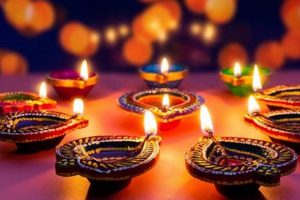
Lighting integration forms an indispensable component of self-made Diwali decorations. The festival of Diwali, fundamentally a celebration of light overcoming darkness, inherently necessitates the strategic and effective incorporation of illumination. The “diwali decoration diy” approach allows for personalized control over the type, placement, and intensity of lighting, impacting the overall visual effect and symbolic resonance. Traditional diyas (oil lamps) represent a classic example, where handcrafted or repurposed containers hold oil and wicks, providing a warm, flickering light source that embodies the spirit of the festival. Without adequate consideration of lighting, hand-crafted decor may lack the desired visual impact and fail to fully capture the celebratory atmosphere.
Practical applications of lighting integration span a wide spectrum. For instance, strings of LED lights, woven into self-made torans (door hangings) or draped around rangoli patterns, create a dazzling effect while consuming minimal energy. The placement of diyas along pathways or windowsills not only illuminates the surroundings but also serves as a symbolic beacon, guiding prosperity and good fortune. Furthermore, innovative techniques such as using mirrored surfaces to amplify the light or incorporating colored cellophane to create vibrant patterns demonstrate the creative potential of blending light and self-made decorations. Improper integration, such as using excessively bright or harsh lighting, can detract from the overall aesthetic and create an uncomfortable or even jarring visual experience.
In summary, lighting integration is not merely an ancillary consideration, but a core element of effective “diwali decoration diy”. The thoughtful selection and strategic placement of light sources enhances the visual appeal, reinforces the symbolic meaning of the festival, and allows for personalized expression. The challenges lie in balancing aesthetic considerations with safety concerns, energy efficiency, and the practical limitations of available resources. However, mastering this aspect elevates handcrafted decorations from simple crafts to powerful symbols of hope, prosperity, and the triumph of light over darkness.
4. Safety Protocols

The intersection of safety protocols and self-made Diwali decorations represents a critical juncture where festive enthusiasm must converge with pragmatic risk mitigation. The inherent risks associated with celebratory activities, including the use of open flames, electrical wiring, and potentially unstable structures, necessitate stringent adherence to established safety guidelines. The omission of such protocols directly correlates with an elevated risk of fire hazards, electrical shocks, and structural collapses, thereby transforming a joyous occasion into a potential crisis. For example, the improper handling of diyas (oil lamps) or the overloading of electrical circuits with decorative lights are common causes of accidental fires during Diwali celebrations. Furthermore, unstable or poorly constructed decorative structures can collapse, leading to injuries. Therefore, safety protocols are not merely advisory but constitute an essential component of responsible Diwali decoration practices.
The practical application of safety protocols in homemade Diwali decorations encompasses several key areas. Firstly, the use of fire-resistant materials in crafting diyas, lanterns, and rangoli patterns significantly reduces the risk of ignition. Secondly, thorough inspection of electrical wiring and avoidance of overloaded circuits minimizes the risk of electrical hazards. Thirdly, ensuring the structural integrity of decorative installations through the use of stable supports and appropriate adhesives prevents collapses. Moreover, maintaining a clear fire escape route and having readily accessible fire extinguishers or water sources are crucial for emergency response. The effectiveness of these measures depends on the diligent implementation and consistent monitoring throughout the Diwali celebrations.
In summary, the integration of safety protocols into self-made Diwali decorations is paramount for ensuring a safe and enjoyable festive experience. While the allure of creative expression and celebratory enthusiasm is undeniable, these aspects must be tempered by a commitment to risk mitigation. The challenge lies in promoting a culture of safety awareness and equipping individuals with the knowledge and resources necessary to implement appropriate precautions. By prioritizing safety protocols, the potential for accidents is minimized, allowing for a Diwali celebration that is both visually stunning and fundamentally secure.
5. Cultural Relevance

Cultural relevance serves as a cornerstone in the design and execution of handcrafted Diwali decorations. The festival’s deep-rooted traditions and symbolic representations necessitate a mindful approach to ensure that self-made adornments resonate with the cultural essence of Diwali.
- Symbolic Motifs and Traditional Art Forms
The incorporation of culturally significant motifs, such as the lotus flower (representing purity and enlightenment), the swastika (a symbol of auspiciousness, used with respect for its cultural context), and images of deities like Lakshmi and Ganesha, infuses decorations with deeper meaning. Using traditional art forms like Rangoli, a colorful floor decoration, not only enhances aesthetic appeal but also upholds ancestral practices, fostering a connection to cultural heritage. The misapplication or alteration of these symbols without understanding their significance can be perceived as disrespectful and diminishes the cultural value of the decorations.
- Regional Variations in Decoration Styles
Diwali celebrations and associated decorative traditions vary significantly across different regions of India. Understanding and respecting these regional nuances is crucial for creating culturally relevant decorations. For example, the style of lanterns, the patterns used in Rangoli, and the types of flowers used in garlands can differ substantially from one region to another. Employing decorative elements that are specific to one’s regional heritage adds authenticity and fosters a sense of cultural pride. Conversely, incorporating elements from diverse regions without proper context can lead to a diluted or inauthentic representation of Diwali traditions.
- Material Choices Reflecting Cultural Heritage
The materials used in making Diwali decorations can also reflect cultural heritage. Using locally sourced, natural materials that are traditionally associated with the festival enhances the cultural relevance of the decorations. For instance, using mango leaves and marigolds, which are considered auspicious in many regions, adds a layer of cultural significance. Conversely, relying solely on synthetic or commercially produced materials can distance the decorations from their cultural roots. Thoughtful material selection strengthens the connection between the decorations and the cultural context of Diwali.
- Adaptation vs. Appropriation
While innovation and adaptation are welcome in “diwali decoration diy,” it’s essential to distinguish between respectful adaptation and cultural appropriation. Adaptation involves creatively reinterpreting traditional elements while maintaining their core meaning and cultural significance. Appropriation, on the other hand, involves adopting elements from another culture without understanding or respecting their original context, often for purely aesthetic purposes. Ensuring that decorations reflect a genuine appreciation for Diwali’s cultural heritage, rather than a superficial borrowing of elements, is crucial for maintaining cultural relevance.
The preceding elements highlight the imperative of grounding “diwali decoration diy” in a framework of cultural understanding and respect. The creation of decorations that resonate with the spirit of Diwali, honoring its traditions and symbolic meanings, is paramount for fostering a meaningful and culturally enriching celebration. The integration of symbolic motifs, appreciation for regional variations, mindful material choices, and a commitment to adaptation over appropriation ensures that decorations not only enhance the aesthetic appeal of the festival but also serve as a powerful expression of cultural identity and heritage. The effectiveness of “diwali decoration diy” is thus intrinsically linked to its cultural relevance.
Frequently Asked Questions
The following section addresses common inquiries and provides clarification on various aspects of crafting festive decorations for Diwali using self-made or repurposed materials. It aims to provide concise and informative answers to promote understanding and effective implementation.
Question 1: What are the essential materials needed for creating basic Diwali decorations at home?
Commonly used materials include colored paper, cardstock, glue, scissors, paints, brushes, diyas (oil lamps), cotton wicks, oil, glitter, and decorative items such as beads or sequins. Recycled materials like old bottles, fabric scraps, and cardboard boxes are also frequently utilized.
Question 2: How can the safety of electrical lighting used in Diwali decorations be ensured?
Electrical wiring should be inspected for damage before use. Overloading electrical circuits should be avoided. Lights should be kept away from flammable materials. The use of LED lights is recommended for their energy efficiency and reduced heat generation.
Question 3: What are some cost-effective alternatives to purchasing expensive decorative items for Diwali?
Repurposing existing materials, such as old glass bottles or fabric scraps, is a cost-effective option. Creating paper lanterns, rangoli designs using colored powders, and painting diyas are budget-friendly alternatives.
Question 4: How can traditional Diwali motifs be incorporated into modern decoration styles?
Traditional motifs such as lotuses, diyas, and peacocks can be integrated into contemporary designs by using stylized representations, incorporating them into abstract patterns, or using modern color palettes.
Question 5: What are some eco-friendly options for Diwali decorations to minimize environmental impact?
Using biodegradable or recycled materials, such as paper, clay, or natural fibers, is an environmentally conscious choice. Avoiding the use of plastic decorations and opting for natural dyes or paints further reduces the environmental footprint.
Question 6: How can decorative lighting be effectively used to enhance the ambiance of a Diwali celebration?
Strategically placing diyas or LED lights to highlight architectural features, create focal points, or illuminate pathways can significantly enhance the ambiance. Using warm-toned lights and varying the intensity of illumination can create a festive and inviting atmosphere.
The answers provided above offer fundamental guidance. Further research and adaptation to specific contexts are encouraged for optimal results.
The following sections will delve into more specialized techniques and elaborate on design considerations for advanced DIY Diwali decorations.
Concluding Remarks on Diwali Decoration DIY
The preceding analysis underscores the multifaceted nature of “diwali decoration diy.” It has demonstrated that the creation of festive adornments extends beyond mere aesthetic considerations, encompassing critical aspects of material selection, design principles, safety protocols, and cultural relevance. A thorough understanding and conscientious application of these elements are essential for achieving successful and meaningful decorations.
As Diwali approaches, individuals are encouraged to thoughtfully consider the principles outlined herein. By embracing a mindful and informed approach, the creation of self-made decorations can become a powerful expression of cultural identity, environmental responsibility, and festive spirit. This commitment will enhance the celebration’s significance and contribute to a more meaningful experience for all.