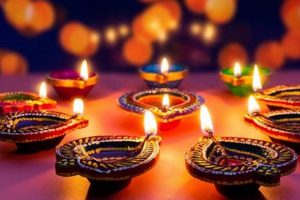
The adornment of earthen lamps, often called diyas, constitutes a significant practice during the Diwali festival. This embellishment can involve a variety of materials and techniques, ranging from simple painting to intricate designs using beads, glitter, and other decorative elements. For instance, diyas might be painted with vibrant colors and then embellished with small mirrors to reflect light, enhancing the festive atmosphere.
This practice holds substantial cultural and symbolic importance, adding to the festival’s visual appeal and representing the triumph of light over darkness. Historically, decorating these lamps was a communal activity, fostering a sense of togetherness and shared celebration. The creative expression involved allows individuals to personalize their Diwali celebrations and contribute to the overall festive ambiance.
The subsequent sections will explore the diverse methods and materials employed in creating visually stunning and culturally relevant adornments for these traditional lamps, providing practical guidance and inspirational ideas for enhancing Diwali celebrations.
Enhancing Lamp Adornment for Diwali
The following are guidelines to improve the visual appeal and symbolic value of decorated lamps during the Diwali festival. Careful consideration of these points can result in displays that are both aesthetically pleasing and culturally meaningful.
Tip 1: Material Selection: Opt for high-quality paints and embellishments that are resistant to heat and fading. Acrylic paints and glass beads are durable choices. Avoid materials that are flammable or could produce noxious fumes when heated.
Tip 2: Design Considerations: Integrate traditional motifs, such as floral patterns, geometric shapes, or symbols of prosperity, into the design. Ensure that the chosen patterns complement the shape and size of the lamp.
Tip 3: Color Palette: Employ a color scheme that aligns with the festive spirit of Diwali. Traditional colors such as red, gold, and orange are common choices, but variations in shades and combinations can enhance visual interest.
Tip 4: Embellishment Techniques: Apply embellishments with precision and attention to detail. Secure beads, sequins, or other decorative elements firmly to the surface of the lamp using appropriate adhesives.
Tip 5: Safety Precautions: Exercise caution when handling flammable materials, such as oil or ghee, in decorated lamps. Ensure that the lamps are placed on stable, non-flammable surfaces and are kept away from curtains or other combustible materials.
Tip 6: Environmentally Conscious: Consider using natural and biodegradable materials. Clay diyas are often biodegradable. If painting and decorating, opt for eco-friendly paints and glitters that dont harm the environment.
Adhering to these guidelines promotes both visual appeal and safety, ensuring that the decorated lamps contribute positively to the Diwali celebrations. Careful planning and execution can elevate the experience, creating a more vibrant and meaningful observance.
The ensuing discussion will synthesize these tips within the broader context of Diwali traditions, concluding with final thoughts on the significance of this cultural practice.
1. Artistic Lamp Embellishment

Artistic lamp embellishment constitutes a central and defining component of the broader practice of diya decoration diwali. This embellishment, involving diverse techniques from simple painting to intricate beadwork, directly influences the aesthetic quality and symbolic richness of the lamps used during the Diwali festival. Without artistic enhancement, a diya remains merely a functional object for providing light; the addition of artistic elements transforms it into a symbol of cultural expression and festive celebration. For instance, families often spend considerable time and effort creating unique designs on diyas, turning them into personalized pieces of art for their homes and as gifts for others.
The impact of artistic embellishment extends beyond the purely visual. The act of creating these decorations often serves as a catalyst for family bonding and community engagement. Workshops and competitions centered around diya decoration during Diwali are common, fostering creativity and skill sharing among participants. The finished products then serve as focal points for celebrations, enhancing the overall atmosphere and contributing to the cultural significance of the festival. Moreover, the artistic elements frequently incorporate traditional motifs and symbols, reinforcing cultural identity and historical continuity.
In conclusion, artistic lamp embellishment is not merely an optional add-on to diya decoration diwali, but rather an integral aspect that elevates the ritual from a simple lighting of lamps to a meaningful cultural expression. The artistic process, the visual outcome, and the symbolic meaning all contribute to the significance of the lamps within the Diwali celebrations. Recognizing this connection allows individuals to engage with the tradition more deeply, appreciating the artistic skill, cultural heritage, and communal spirit involved.
2. Festive Color Palettes

Festive color palettes serve as a critical element within the practice of diya decoration diwali. The selected colors significantly influence the overall aesthetic impact and symbolic resonance of the decorated lamps. Specific color choices are often associated with particular meanings or values within Hinduism and Diwali traditions. The application of these colors to the earthen lamps transforms them from simple light sources into visual representations of the festival’s themes. For example, vibrant reds often symbolize auspiciousness and energy, while yellows and golds represent prosperity and enlightenment. A carefully chosen palette enhances the celebratory atmosphere and communicates cultural significance. Conversely, a poorly considered color scheme may detract from the desired festive effect.
The practical application of understanding color palettes in diya decoration diwali lies in the ability to create visually harmonious and symbolically meaningful arrangements. Knowledge of color theory can be leveraged to create visually striking contrasts or complementary schemes. For instance, pairing a deep blue with gold accents can create a sophisticated and elegant effect. Furthermore, considering the surrounding environment and context is crucial. The color of the walls or other decorations in the space should be taken into account when selecting a palette for the lamps, ensuring a cohesive and pleasing overall aesthetic. Artisans and individuals involved in this decoration often consult traditional guidelines and contemporary design principles to make informed color choices.
In summary, the utilization of festive color palettes is indispensable to diya decoration diwali. It is a factor influencing not only visual appeal but also cultural relevance and symbolic depth. Challenges may arise in balancing traditional preferences with individual artistic expression, but a thoughtful approach to color selection remains essential for maximizing the impact of the decorated lamps and enriching the Diwali experience. The connection underscores the importance of aesthetic choices in conveying cultural meaning within the celebration.
3. Symbolic Motif Incorporation

The integration of symbolic motifs represents a fundamental dimension of diya decoration diwali. This incorporation elevates the adorned lamps from mere decorative objects to potent carriers of cultural and religious meaning. The selection of specific motifs is not arbitrary; rather, it reflects deliberate choices aimed at invoking blessings, conveying auspiciousness, and reinforcing cultural identity during the Diwali festival. For example, the depiction of the goddess Lakshmi, the bestower of wealth and prosperity, is a recurrent motif on diyas, intended to invite abundance and good fortune into the home. Similarly, images of Ganesha, the remover of obstacles, seek to ensure a smooth and successful year ahead. The deliberate use of these symbols within the decorations is intended to affect the atmosphere and the intentions of those celebrating.
The importance of symbolic motif incorporation within diya decoration diwali manifests in several practical ways. It reinforces the significance of the festival beyond its purely aesthetic elements. By actively selecting and incorporating these symbols, individuals actively engage with their cultural heritage and religious beliefs. Moreover, the act of creating or displaying these decorated diyas serves as a visual reminder of the values and principles that Diwali represents. The motifs may range from representations of deities to abstract geometric patterns imbued with symbolic meaning. In many communities, specific families may have inherited traditional motifs that are passed down through generations, further emphasizing the cultural heritage and symbolic inheritance contained in the adornment.
In conclusion, symbolic motif incorporation is an intrinsic and indispensable aspect of diya decoration diwali. It transforms the decorated lamps into powerful expressions of cultural identity, religious belief, and collective aspirations. Understanding this connection allows for a deeper appreciation of the festival’s significance and promotes a more meaningful engagement with its traditions. The challenge lies in preserving the authenticity and relevance of these symbols in a contemporary context, ensuring that they continue to resonate with future generations. The integration is central to understanding the intent and purpose of decorative elements used during this festival.
4. Community Creative Expression

Community creative expression functions as a vital component of diya decoration diwali, fostering social cohesion and reinforcing cultural identity. The collective activity of decorating earthen lamps transcends individual artistic pursuits, becoming a shared endeavor that strengthens communal bonds. This collaborative spirit often manifests in organized workshops, family gatherings, and neighborhood initiatives, where individuals of varying ages and skill levels contribute to the creation of embellished diyas. The resulting displays not only beautify public and private spaces but also symbolize the unity and collective identity of the community. The shared creation process facilitates intergenerational knowledge transfer, as older members impart traditional techniques and motifs to younger participants. The act of creating collectively is often as important as the final product, reinforcing shared values and fostering a sense of belonging.
The practical significance of understanding the link between community creative expression and diya decoration diwali lies in its capacity to promote social inclusion and cultural preservation. Organized events centered around lamp adornment can serve as platforms for celebrating diversity and integrating marginalized groups within the community. These activities provide opportunities for individuals to showcase their artistic talents, share their cultural heritage, and build relationships with others. Furthermore, the promotion of traditional crafts and techniques through communal workshops ensures the continuity of cultural practices across generations, mitigating the risk of cultural erosion. The act reinforces the communities identity and provides a public expression of their shared culture.
In summary, community creative expression is not merely a supplemental aspect of diya decoration diwali but rather an essential element that fosters social cohesion, promotes cultural preservation, and reinforces communal identity. By recognizing and actively supporting collective artistic endeavors related to lamp adornment, communities can enhance the cultural richness of the Diwali festival and strengthen their social fabric. Challenges may arise in ensuring inclusivity and accommodating diverse artistic styles, but the benefits of fostering community creative expression far outweigh these potential difficulties. Understanding this relationship enhances the celebration of the tradition while fostering a sense of unity.
5. Luminosity Enhancement
Luminosity enhancement constitutes a primary objective within the framework of diya decoration diwali. The act of embellishing earthen lamps is not solely aesthetic; rather, it serves to amplify the light emitted, symbolizing the triumph of good over evil and the dispelling of darkness. The decorative elements are strategically employed to maximize the reflective properties of the diya, thereby intensifying its radiance and enhancing the overall visual impact of the Diwali celebration. The practice is a deliberate act to increase the visual symbol of the holiday.
- Reflective Material Integration
The strategic incorporation of reflective materials, such as small mirrors, metallic paints, and glitter, significantly increases the light output of the diya. These elements capture and redirect the flame’s light, projecting it outwards and creating a more luminous display. The application must be precise, often utilizing geometrical patterns to optimize the reflective surface area. An example is the use of tiny mirrors that are strategically placed to reflect and refract light into the surrounding spaces.
- Color Palette Selection
The choice of color palettes plays a critical role in luminosity enhancement. Lighter colors, particularly gold, silver, and white, possess higher reflectivity compared to darker hues. Utilizing these colors as primary decorative elements maximizes the amount of light reflected, thereby amplifying the diya’s brightness. Often, gold or silver paint is carefully applied to the interior of the diya to increase the amount of light reflected outward from the flame.
- Surface Texture Optimization
The texture of the diya’s surface also affects its light-emitting properties. A smooth, polished surface will reflect light more effectively than a rough, porous one. Thus, preparatory steps, such as sanding or applying a sealant, may be undertaken to create a smoother base for decoration. This allows light to evenly disperse, increasing visible brightness from all angles. Additionally, intricate relief patterns can enhance the diffusion of light, creating a more complex and visually engaging effect.
- Flame Exposure Maximization
Decorative elements should be arranged to avoid obstructing or diminishing the flame. Care must be taken to ensure that the flame remains fully exposed, allowing its light to radiate freely. Overly elaborate or poorly placed decorations can cast shadows, thereby reducing the overall luminosity. Clear designs that permit the unrestricted flow of light are critical.
These facets of luminosity enhancement underscore the purposeful nature of diya decoration diwali. The embellishments are not merely ornamental but serve the fundamental purpose of maximizing the light emitted by the lamps. This emphasis on illumination is directly tied to the symbolic significance of Diwali, representing the triumph of light over darkness and the dispelling of ignorance. The careful application of reflective materials, strategic color palette choices, optimization of surface texture, and maximization of flame exposure collectively contribute to the radiant displays that characterize this festival.
Frequently Asked Questions About Diya Decoration for Diwali
The following section addresses common inquiries regarding the practice of decorating diyas for Diwali. It provides concise and informative answers to enhance understanding and promote responsible participation in this tradition.
Question 1: What materials are most suitable for decorating diyas?
Acrylic paints, non-toxic glitters, glass beads, and natural dyes are recommended for diya adornment. It is imperative to avoid flammable substances and materials that release noxious fumes when heated.
Question 2: How can one incorporate traditional motifs into diya decorations?
Traditional motifs, such as representations of Lakshmi, Ganesha, or floral patterns, can be incorporated using stencils, freehand painting, or appliqu techniques. Consult cultural resources for accurate depictions and symbolic meanings.
Question 3: What color palettes are considered auspicious for Diwali diya decorations?
Colors traditionally associated with Diwali include red, gold, orange, and yellow. These colors symbolize prosperity, auspiciousness, and enlightenment. However, variations and combinations are permissible, provided they align with the festive spirit.
Question 4: How does one secure embellishments, such as beads or sequins, to diyas?
Embellishments should be affixed using a heat-resistant and non-toxic adhesive. Ensure the adhesive is fully cured before lighting the diya to prevent displacement or potential hazards.
Question 5: What safety precautions should be observed when using decorated diyas?
Decorated diyas should be placed on stable, non-flammable surfaces, away from combustible materials such as curtains or paper. Never leave lit diyas unattended and exercise caution when handling flammable substances such as oil or ghee.
Question 6: How can one decorate diyas in an environmentally conscious manner?
Employ natural and biodegradable materials. Opt for clay diyas, which are often biodegradable, and consider using eco-friendly paints and glitters. Avoid materials that contribute to pollution.
Adhering to these guidelines ensures a safe, aesthetically pleasing, and culturally respectful approach to diya decoration. Thoughtful consideration of these factors enhances the overall Diwali experience.
The following section will explore the historical origins and evolution of diya decoration, providing a deeper understanding of this cultural practice.
Concluding Remarks on Diya Decoration Diwali
This exploration has detailed the multifaceted nature of diya decoration diwali, emphasizing its role as more than mere aesthetic enhancement. The adornment of earthen lamps for Diwali involves artistic expression, cultural symbolism, communal participation, and a deliberate amplification of light. The process reflects the core tenets of the festival, embodying the triumph of good over evil and the dispelling of darkness through meticulously crafted and symbolically rich displays.
As Diwali celebrations continue to evolve, maintaining the integrity and meaningfulness of diya decoration diwali requires conscious effort. Upholding traditional practices while integrating contemporary creativity ensures that the lamps remain potent symbols of cultural identity and communal unity. Therefore, thoughtful engagement with this tradition, respecting its historical roots and symbolic significance, contributes to the enduring vitality and relevance of Diwali for future generations.