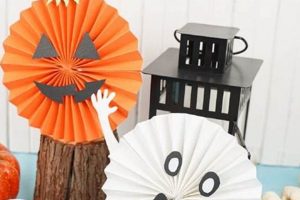
The crafting of personalized holiday window displays offers an opportunity to express individual creativity and festive spirit. These bespoke adornments provide a visual connection between the interior warmth of a home and the exterior world, communicating seasonal joy to passersby. The process typically involves utilizing readily available materials and simple techniques to fabricate unique ornaments and arrangements designed for window display.
Creating custom seasonal window features presents several advantages. It provides a cost-effective alternative to purchasing commercially manufactured decorations. The activity fosters a sense of accomplishment and can be a shared experience among family members, strengthening bonds and creating lasting memories. Historically, decorating windows for holidays dates back centuries, evolving from simple candles and greenery to elaborate displays utilizing a variety of materials and techniques.
The following sections will explore specific techniques for crafting seasonal window displays, focusing on material selection, design considerations, and practical implementation. The goal is to provide clear and concise instructions that empower individuals to create visually appealing and personalized holiday window features.
Practical Guidance for Bespoke Holiday Window Displays
The following guidelines offer practical advice for effectively creating custom holiday window features. Consideration of these points will enhance the visual impact and longevity of the displays.
Tip 1: Material Selection: Choose materials suitable for window display. Avoid items susceptible to fading or damage from sunlight and temperature fluctuations. Consider options such as weather-resistant plastics, laminated paper, or treated fabrics.
Tip 2: Illumination Integration: Incorporate lighting to enhance visibility, especially during evening hours. Battery-operated LED lights offer a safe and energy-efficient option. Ensure proper insulation and weatherproofing for any electrical components.
Tip 3: Secure Attachment Methods: Employ secure and non-damaging attachment methods. Suction cups with reliable grip strength are suitable for smooth surfaces. Avoid adhesives that leave residue or damage window panes.
Tip 4: Scale and Proportion: Maintain appropriate scale and proportion relative to the window size and surrounding environment. Avoid overcrowding or undersizing elements to ensure visual balance.
Tip 5: Design Cohesion: Establish a cohesive design theme. Select a color palette and style that complements the interior decor and aligns with the desired festive aesthetic.
Tip 6: Consider Outdoor Visibility: Design with the exterior view in mind. Ensure the arrangement is visually appealing from the street or adjacent properties, presenting a welcoming and festive impression.
Tip 7: Weather Resistance: Protect displays from the elements. Apply sealant or protective coatings to materials susceptible to moisture damage. Regularly inspect and maintain the arrangement to address any deterioration.
Adhering to these recommendations enhances the creation process, resulting in visually pleasing and durable holiday window displays. These displays contribute to the festive ambiance while reflecting individual creativity and attention to detail.
The subsequent section will address specific design motifs and provide detailed instructions for constructing several example holiday window arrangements.
1. Material Selection

Material selection is a foundational element in the creation of bespoke holiday window displays. The choice of materials directly influences the visual impact, durability, and overall effectiveness of the finished decorations. Thoughtful consideration of material properties and characteristics is therefore essential for successful execution.
- Weather Resistance and Longevity
Materials must withstand environmental factors such as sunlight, temperature fluctuations, and moisture. Paper-based materials, unless treated, are prone to degradation and fading. Durable alternatives include acrylics, weather-resistant fabrics, and treated wood. The selection of inherently resistant materials ensures extended display life and reduces the need for frequent replacements.
- Visual Aesthetics and Impact
The aesthetic properties of materials contribute significantly to the overall visual appeal. Transparency, texture, color, and reflectivity impact how light interacts with the decoration and how it appears from both inside and outside the window. Clear acrylic allows for backlighting effects, while textured fabrics add depth and visual interest. Harmonizing material aesthetics with the overall design theme is paramount.
- Ease of Manipulation and Construction
The ease with which a material can be cut, shaped, and assembled is a crucial consideration. Intricate designs require materials that are easily manipulated without cracking or tearing. Lightweight materials simplify installation and reduce the strain on window structures. The workability of the chosen materials directly affects the complexity and feasibility of the intended design.
- Cost-Effectiveness and Accessibility
The cost and availability of materials are practical considerations. Repurposing existing materials or utilizing readily available supplies reduces expenses and promotes sustainability. Balancing cost-effectiveness with desired aesthetic qualities and durability is a key aspect of material selection.
In summary, effective material selection for holiday window features necessitates a holistic approach that considers environmental resilience, aesthetic properties, ease of construction, and budgetary constraints. Choosing materials that meet these criteria ensures a visually appealing, durable, and cost-effective outcome that enhances the overall festive ambiance.
2. Design Aesthetic

Design aesthetic constitutes a pivotal element in the execution of personalized holiday window displays. It dictates the overall visual impression and directly influences the emotive impact of the decorations. The selection of a cohesive design aesthetic elevates the presentation from a collection of disparate elements to a unified and impactful statement.
- Thematic Coherence
Thematic coherence ensures that all elements within the window display align with a central concept or narrative. A traditional theme might incorporate elements such as snowflakes, reindeer, and classic holiday colors. A modern aesthetic could employ minimalist designs, geometric shapes, and unconventional color palettes. Maintaining thematic consistency prevents visual dissonance and enhances the overall impact of the display.
- Color Palette Selection
Color plays a crucial role in conveying mood and establishing visual harmony. A well-chosen color palette can evoke feelings of warmth, festivity, and joy. Complementary color schemes, analogous color schemes, and monochromatic approaches each offer distinct visual effects. The selection of colors should complement the existing interior dcor and the architectural style of the building. Excessive use of contrasting colors can create visual clutter and detract from the overall design.
- Composition and Arrangement
The arrangement of individual elements within the window space dictates the visual flow and focal points of the display. Principles of design, such as balance, symmetry, and rhythm, should be applied to create a visually pleasing composition. Avoid overcrowding the window space, as this can create a sense of visual claustrophobia. Negative space can be utilized effectively to highlight key elements and provide visual breathing room.
- Stylistic Expression
Stylistic expression allows for the infusion of personal creativity and artistic interpretation into the design. Individual preferences and unique skillsets can be incorporated to create a one-of-a-kind display. Whether embracing a rustic, whimsical, or elegant aesthetic, the stylistic choices should reflect the personal vision of the creator and resonate with the intended audience. The opportunity for personal expression distinguishes handcrafted displays from mass-produced alternatives.
Integrating a well-defined design aesthetic into holiday window displays transforms them from simple decorations into cohesive visual narratives. The careful consideration of thematic coherence, color palette, composition, and stylistic expression elevates the overall impact, creating a memorable and visually engaging experience for viewers. A deliberate design approach enhances the festive ambiance and communicates a personalized expression of holiday cheer.
3. Illumination Integration

Illumination integration represents a critical component of successful seasonal window displays. The incorporation of lighting enhances visibility, particularly during evening hours, transforming a daytime decoration into a nighttime spectacle. The absence of illumination can render window displays virtually invisible after sunset, negating their intended impact and festive contribution. The effect of adding light, therefore, directly influences the aesthetic effectiveness and overall value of the decorations. For instance, a complex paper snowflake design may be lost to the darkness without strategically placed LED lights highlighting its intricate details. Thus, careful planning of illumination is essential to maximize the visual appeal of customized window displays.
Effective illumination strategies encompass various approaches. Battery-operated LED string lights offer a safe and versatile option, allowing for flexible placement without reliance on electrical outlets. Color temperature considerations are also important; warm white lights generally create a cozy and inviting ambiance, while cool white lights offer a more modern and crisp aesthetic. Furthermore, the arrangement of lighting elements, whether interwoven within the decorations or used for spotlighting specific features, significantly impacts the overall visual effect. One practical application includes using concealed lighting to create a silhouette effect, showcasing the shape of window clings against a softly illuminated background.
In conclusion, integrating illumination is not merely an optional enhancement but an essential element in maximizing the impact of seasonal window decorations. Strategic lighting design enhances visibility, amplifies aesthetic qualities, and significantly contributes to the overall festive atmosphere. Understanding the practical significance of illumination and its effect on visual perception is paramount for creating captivating and memorable window displays. Challenges may include power source limitations or weatherproofing considerations, which necessitate careful planning and the selection of appropriate materials and techniques.
4. Attachment Security
Attachment security directly influences the longevity and visual impact of handmade seasonal window displays. Inadequate adhesion can result in decorations detaching from the window surface, leading to damage, aesthetic disruption, and potential safety hazards. The connection between secure attachment and the overall success of the project is therefore paramount; without proper adherence, even the most elaborate designs are rendered ineffective.
The selection of appropriate attachment methods depends upon several factors including the weight and size of the decoration, the surface material of the window, and anticipated environmental conditions. Lightweight decorations can be secured using static clings or low-tack adhesive strips. Heavier or more intricate designs necessitate stronger solutions such as suction cups with hooks or specialized mounting tapes designed for glass surfaces. In the case of larger installations, it may be necessary to employ a combination of methods to ensure even weight distribution and prevent detachment. Failure to properly assess these considerations can lead to premature failure of the attachment mechanism and subsequent damage or displacement of the decoration.
Ensuring attachment security within holiday window features is not merely a matter of practicality but also one of safety and long-term value. It guarantees visual appeal and helps extend the lifespan of handmade elements. Addressing the challenges associated with effective attachment is a key determinant of success, creating a positive experience with custom festive window displays.
5. Durability Factors

The longevity of self-made seasonal window adornments is directly contingent upon multiple durability factors. These factors encompass material selection, construction techniques, and environmental considerations. The interrelationship between these elements dictates the lifespan and sustained visual appeal of handcrafted decorations. Insufficient attention to any single factor can compromise the overall integrity of the display, leading to premature degradation and necessitating frequent replacements. For example, paper-based ornaments, when exposed to moisture, exhibit rapid deterioration, contrasting sharply with weather-resistant acrylics that maintain their structural integrity under similar conditions. The impact of these choices underscores the critical role of durability factors in the creation process.
Examples of practical applications include the application of protective coatings to vulnerable materials, such as sealants for wood or laminates for paper. Such measures enhance resistance to moisture, ultraviolet radiation, and physical damage. Similarly, construction techniques that incorporate reinforced joints and secure fastenings contribute significantly to structural stability. The utilization of UV-resistant inks and paints mitigates color fading, preserving the aesthetic qualities of the decorations over extended periods. An understanding of these techniques empowers individuals to create displays that withstand environmental stressors and maintain their visual appeal throughout the holiday season, therefore saving time and resources in the long run.
In summary, the relationship between durability factors and the success of handcrafted holiday window displays is undeniable. Prioritizing robust materials, sound construction methods, and protective measures extends the lifespan and enhances the sustained visual appeal of these creations. While challenges such as cost constraints or material availability may arise, the long-term benefits of prioritizing durability outweigh the initial investment. This understanding is essential for achieving visually compelling and enduring seasonal window features, therefore linking to the broader themes of sustainability and resourcefulness within festive traditions.
6. Visibility Consideration
Visibility Consideration serves as a fundamental element in the design and execution of individualized holiday window ornamentation. The effectiveness of such decorations is directly related to their ability to be seen and appreciated from a distance, particularly during periods of limited natural light. Therefore, design choices regarding size, color, and illumination are dictated by the necessity of ensuring optimal visibility. For example, intricate patterns crafted from dark-colored materials may be virtually indiscernible from afar unless accented with strategically placed lighting. Conversely, large, brightly colored decorations are naturally more conspicuous and require less supplemental illumination. The interplay between design and visibility is thus a critical determinant of the overall success of the presentation.
The selection of materials also impacts visibility. Translucent or reflective elements can enhance the display’s impact, scattering light and drawing attention even during daylight hours. For instance, using iridescent cellophane or incorporating mirrored surfaces can create dynamic visual effects, capturing and reflecting ambient light. Placement of the decoration within the window is another crucial factor. Overcrowding the window or positioning decorations behind obstructions can significantly diminish their visibility. A clear, uncluttered arrangement, with key elements strategically placed to maximize visual impact, is essential. Many homeowners adjust their interior lighting to create a more pronounced silhouette effect, improving the exterior visibility of the decorations during evening hours.
In summary, Visibility Consideration should inform all aspects of creating individualized holiday window ornamentation, from initial design concepts to final installation procedures. The successful integration of this element ensures that the decorations achieve their intended purpose: to communicate seasonal cheer and enhance the aesthetic appeal of the home during the holiday period. Common challenges, such as competing light sources or limited window space, necessitate careful planning and creative problem-solving. Acknowledging the essential connection between visibility and impact ensures that these decorative endeavors are both visually pleasing and effectively communicative, increasing their overall aesthetic value and contributing positively to the festive atmosphere.
DIY Xmas Window Decorations
The following section addresses common inquiries regarding the creation and implementation of bespoke holiday window features. These answers aim to provide clarity and guidance for individuals seeking to enhance their seasonal dcor.
Question 1: What materials are most suitable for exterior window displays to withstand inclement weather?
Weather-resistant plastics, laminated paper, and treated fabrics offer superior durability compared to untreated paper or porous materials. Applying sealant or protective coatings further enhances resistance to moisture and UV damage.
Question 2: How can illumination be safely and effectively integrated into window decorations?
Battery-operated LED lights provide a safe and energy-efficient lighting solution. Ensure all electrical components are properly insulated and protected from moisture. Avoid overloading electrical circuits.
Question 3: What methods are recommended for securely attaching decorations without damaging window surfaces?
Suction cups with adequate grip strength, removable adhesive strips designed for glass, and non-marring hooks offer secure attachment options. Avoid using permanent adhesives that may leave residue or damage the window.
Question 4: How can one ensure that window decorations are visible from a distance, particularly at night?
Employing bright colors, large-scale designs, and strategic illumination enhances visibility. Reflective materials and backlighting techniques can further amplify the visual impact, especially during evening hours.
Question 5: What design considerations should be taken into account to create a cohesive and aesthetically pleasing window display?
Establishing a thematic focus, selecting a harmonious color palette, and adhering to principles of visual balance contribute to a unified and appealing design. Consider the architectural style of the building and the surrounding environment.
Question 6: How can one address storage of self-made window decorations, ensuring their usability in subsequent years?
Store decorations in a dry, protected environment away from direct sunlight and extreme temperatures. Utilize airtight containers to prevent moisture damage and insect infestation. Properly labeled storage containers facilitate organization and retrieval.
These FAQs offer practical insights into essential considerations for DIY seasonal window displays. Implementing these guidelines will improve the visual impact, longevity, and overall safety of the decorations.
The subsequent section will delve into detailed, step-by-step guides for constructing several specific holiday window decorations.
DIY Xmas Window Decorations
This exploration has elucidated the multifaceted nature of “diy xmas window decorations.” The successful execution of these projects demands careful consideration of material properties, design aesthetics, illumination integration, attachment security, and durability factors. Attention to each element contributes to the creation of visually compelling and enduring displays.
The creation of these holiday features should extend beyond mere decoration. Thoughtful designs contribute to the aesthetic character of the neighborhood and provide a means of self-expression. As future festive seasons approach, applying the principles outlined herein will enable the creation of displays that inspire and endure.