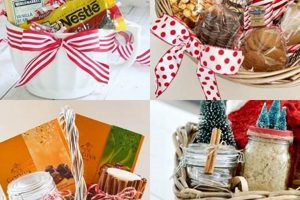
The creation of personalized holiday presents through crafting individual containers or wrapping is a practice gaining prominence. This approach extends beyond merely selecting a gift; it encompasses the thoughtful presentation, transforming the act of giving into a more meaningful and bespoke experience. An example includes assembling a curated collection of homemade cookies in a hand-painted tin, demonstrating a personal touch that store-bought options often lack.
This method of gift-giving offers significant advantages. It reduces reliance on mass-produced items and encourages resourcefulness, often utilizing recycled or repurposed materials. The act of creating personalized presentations can also be a stress-relieving activity, providing a creative outlet during the often hectic holiday season. Historically, handmade gifts were the norm, reflecting resource limitations and emphasizing personal connection. This trend revisits and updates that tradition with modern techniques and aesthetics.
Subsequent discussions will explore specific techniques for crafting unique gift containers, innovative wrapping strategies using sustainable materials, and ideas for personalizing the presentation to reflect the recipient’s individual tastes and preferences. This will empower individuals to elevate their gift-giving endeavors and create memorable, personalized holiday experiences.
Enhancing Holiday Gift Presentation
The following tips provide guidance on creating memorable and personalized presentations for holiday gifts. These suggestions focus on elevating the gift-giving experience through thoughtful and creative packaging.
Tip 1: Emphasize Reusable Containers: Select containers designed for future use. Glass jars, decorative tins, or sturdy wooden boxes offer both aesthetic appeal and practical value, extending the life cycle of the presentation beyond the immediate holiday season.
Tip 2: Incorporate Natural Elements: Integrate elements such as dried flowers, pine cones, or sprigs of evergreen. These additions provide a touch of natural beauty and can be locally sourced or foraged, minimizing environmental impact.
Tip 3: Employ Fabric Wrapping Techniques (Furoshiki): Utilize fabric squares to wrap gifts, a Japanese practice known as Furoshiki. This method eliminates the need for adhesive tape and allows the fabric to become part of the gift itself, suitable for scarves or other textile items.
Tip 4: Personalize with Hand-Lettering or Calligraphy: Address gifts with personalized hand-lettered tags or calligraphy. This adds a touch of elegance and demonstrates a commitment to detail, elevating the perceived value of the gift.
Tip 5: Utilize Upcycled Materials: Repurpose existing materials such as newspaper, maps, or sheet music for wrapping. This approach reduces waste and provides a unique aesthetic, particularly effective when tailored to the recipient’s interests.
Tip 6: Craft Homemade Gift Tags: Create gift tags using cardstock, stamps, and personalized embellishments. This offers a cost-effective and creative alternative to store-bought tags, allowing for complete customization.
Tip 7: Coordinate Colors and Themes: Establish a cohesive color palette or theme for all gift presentations. This creates a visually appealing and unified impression, enhancing the overall aesthetic of the gift-giving experience.
These strategies enable the creation of distinctive and impactful holiday gift presentations. By focusing on personalization, sustainability, and attention to detail, individuals can transform the act of giving into a truly memorable occasion.
These tips provide a foundation for exploring individual creativity and enhancing the emotional impact of holiday gift-giving. The concluding section will summarize the key benefits of personalized gift presentation and its enduring appeal.
1. Personalized Presentation
Personalized presentation constitutes a fundamental element of crafting individualized holiday gift offerings. Its impact extends beyond mere aesthetics; it serves as a direct communication of thoughtfulness and effort. The deliberate creation of a unique container or wrapping directly correlates to the perceived value and emotional resonance of the gift itself. This approach shifts the emphasis from the monetary cost of the item to the demonstrable care invested in its selection and presentation. An example is a handcrafted wooden box, specifically designed to house a collection of family photographs, thereby transforming a simple photo album into a personalized heirloom.
The cause-and-effect relationship is clear: a well-executed, personalized presentation enhances the recipient’s emotional connection to the gift, fostering a deeper sense of appreciation. This element also offers practical advantages. It allows for tailoring the presentation to the recipient’s preferences and personality, increasing the likelihood of a positive and memorable reaction. Furthermore, personalized presentation often involves sustainable practices, such as utilizing recycled materials or creating reusable containers, contributing to environmentally conscious gift-giving.
In summary, personalized presentation is an indispensable component of the individualized holiday gift. It amplifies the emotional impact of the gift, reflects the giver’s thoughtfulness, and promotes sustainable practices. Understanding the practical significance of personalized presentation allows for more meaningful and impactful gift-giving experiences. The primary challenge lies in allocating sufficient time and resources to effectively execute these individualized presentations, a challenge outweighed by the resultant emotional value and personal connection fostered through this intentionality.
2. Creative Embellishments
Creative embellishments play a crucial role in transforming standard containers into uniquely personalized offerings. When integrated effectively, these additions augment the visual appeal and emotional impact of the gift presentation, elevating the overall experience for both the giver and the recipient.
- Hand-Painted Accents
The application of hand-painted designs directly onto gift containers, such as wooden boxes or glass jars, introduces a bespoke artistic element. These accents can range from intricate patterns to personalized monograms, reflecting the recipient’s individual tastes or the specific occasion. For instance, a hand-painted winter scene on a tin filled with homemade cookies adds a personal touch that mass-produced packaging cannot replicate. The time and effort invested in this detail communicate a higher level of care and consideration.
- Natural Adornments
The incorporation of natural elements, such as dried flowers, pinecones, or sprigs of evergreen, provides an organic and textured aesthetic. These adornments can be strategically arranged to complement the gift’s contents and the overall theme of the presentation. The use of foraged materials also introduces an element of sustainability, aligning the gift presentation with environmentally conscious values. An example includes securing a small bundle of dried lavender to a gift wrapped in brown paper, adding a subtle fragrance and a visual point of interest.
- Handmade Tags and Labels
Creating personalized tags and labels offers a tangible method for expressing individual sentiment and providing essential information about the gift. These can be crafted from various materials, including cardstock, fabric scraps, or repurposed paper, and adorned with handwritten messages, stamped designs, or calligraphic inscriptions. A well-designed tag not only identifies the recipient but also serves as a miniature work of art, enhancing the overall presentation. An example involves using a small wooden tag, stained and calligraphed with the recipient’s name, attached to a handcrafted candle.
- Ribbons and Twine
Strategic use of ribbons and twine serves not only to secure the gift wrapping but also to introduce color, texture, and visual interest. These materials can be selected to complement the overall theme and color palette of the presentation, adding a cohesive and polished finish. Experimenting with different tying techniques, such as bows, knots, or braids, further enhances the visual appeal. An example includes using a rustic burlap ribbon to secure a gift wrapped in kraft paper, reinforcing a natural and understated aesthetic.
Creative embellishments offer an accessible avenue for personalizing holiday gift presentations. These additions elevate the aesthetic appeal of gifts while also communicating thoughtfulness and care. When selecting embellishments, consideration should be given to the recipient’s preferences, the overall theme of the gift, and the desire for sustainability. Thoughtfully chosen and expertly executed embellishments can transform even the simplest of gifts into memorable and meaningful expressions of affection.
3. Sustainable Materials
The incorporation of sustainable materials represents a critical consideration in the context of crafting individualized holiday gift presentations. The selection of materials directly impacts the environmental footprint of the gifting process, aligning personal practices with broader ecological concerns. By prioritizing sustainable options, individuals can minimize waste and promote responsible consumption during the holiday season.
- Recycled Paper Products
Utilizing recycled paper for wrapping gifts, crafting tags, and creating decorative elements significantly reduces the demand for virgin paper pulp, conserving forests and minimizing waste. Recycled paper can be sourced from post-consumer content, ensuring that materials already in circulation are repurposed. Examples include using recycled kraft paper for wrapping, creating gift tags from discarded cardboard, and crafting paper flowers from recycled magazines. The implementation of recycled paper products in gift presentations demonstrates a commitment to resource conservation.
- Reusable Fabrics
Employing reusable fabrics as an alternative to traditional paper wrapping offers a durable and environmentally friendly option. Fabrics such as cotton, linen, or hemp can be used to create reusable gift bags or wrapping cloths, employing techniques such as Furoshiki. These fabrics can be sourced from repurposed clothing, vintage textiles, or sustainably produced materials. The use of reusable fabrics not only reduces waste but also adds a unique aesthetic element to the gift presentation. These fabrics can become a part of the gift itself, extending its value and lifespan.
- Natural and Biodegradable Elements
Integrating natural and biodegradable elements, such as twine, raffia, dried flowers, and leaves, enhances the aesthetic appeal while minimizing environmental impact. These materials decompose naturally, reducing landfill waste and avoiding the introduction of synthetic compounds into the environment. Sourcing these elements locally or from sustainable suppliers further enhances their ecological value. Examples include using twine to secure gift tags, incorporating dried flowers for decoration, and utilizing leaves as natural embellishments. These elements add a touch of organic beauty while promoting environmental responsibility.
- Plantable Seed Paper
Utilizing plantable seed paper for gift tags or small decorative elements introduces an element of sustainability and interactivity. This paper contains embedded seeds that can be planted after the gift is opened, resulting in the growth of flowers or herbs. This innovative material transforms a disposable item into a beneficial resource, promoting biodiversity and adding a unique element to the gift presentation. The use of plantable seed paper demonstrates a commitment to sustainability and provides the recipient with a tangible reminder of the giver’s thoughtfulness.
The adoption of sustainable materials in individual holiday gift presentation not only reduces environmental impact but also enriches the gifting experience by demonstrating a conscious commitment to ecological responsibility. The thoughtful selection and utilization of recycled, reusable, and biodegradable materials transforms the act of giving into a reflection of environmental values, contributing to a more sustainable and meaningful holiday season. The long-term benefits include reduced waste, resource conservation, and heightened awareness of sustainable practices within the community.
4. Cost-Effectiveness
The implementation of do-it-yourself techniques in creating holiday gift presentations directly correlates with achieving cost-effectiveness. This approach offers a viable alternative to purchasing pre-made packaging, particularly beneficial for individuals and families operating within budgetary constraints. Cost savings are realized through the utilization of readily available materials and the minimization of expenditure on commercially produced options.
- Repurposing Existing Materials
The strategic repurposing of materials already present within the household represents a significant cost-saving measure. Items such as cardboard boxes, fabric scraps, and glass jars can be transformed into aesthetically pleasing and functional gift containers with minimal investment. For instance, a used coffee can, cleaned and decorated with paint or fabric, can serve as a container for homemade baked goods. This practice reduces reliance on purchasing new materials and promotes resourcefulness.
- Bulk Material Procurement
The acquisition of essential crafting materials in bulk quantities can yield substantial savings compared to purchasing individual items. Materials such as paper, ribbon, and twine are often available at discounted rates when purchased in larger volumes. This approach is particularly advantageous for individuals planning to create multiple gift presentations. The upfront investment in bulk materials can be offset by the long-term reduction in per-unit costs.
- Utilizing Natural Resources
The incorporation of natural resources, such as pinecones, twigs, and dried flowers, offers a cost-free alternative to purchasing artificial decorations. These materials can be sourced from local environments, adding a rustic and personalized touch to gift presentations. This approach reduces reliance on commercially produced embellishments and promotes a connection with nature. The utilization of natural resources aligns with both cost-effectiveness and sustainability.
- Minimizing Waste
The principles of do-it-yourself gift presentation often emphasize minimizing waste through the creation of reusable containers and the utilization of recyclable materials. This approach reduces the need for disposable packaging, resulting in long-term cost savings. Reusable gift bags and fabric wraps can be employed repeatedly, eliminating the recurring expense of purchasing wrapping paper. Minimizing waste aligns with both cost-effectiveness and environmental responsibility.
The multifaceted nature of cost-effectiveness in the context of individualized holiday gift presentation underscores the practicality and economic viability of this approach. By strategically utilizing repurposed materials, procuring supplies in bulk, incorporating natural resources, and minimizing waste, individuals can significantly reduce their expenditure on gift packaging while simultaneously creating personalized and meaningful presentations. The adoption of these practices not only benefits individual budgets but also contributes to a more sustainable and resourceful approach to holiday gifting.
5. Recipient Focus
Recipient focus forms a cornerstone of effective individualized holiday gift presentations. The degree to which a presentation reflects the recipient’s personality, preferences, and interests directly influences the perceived value and emotional impact of the gift. Neglecting recipient focus can render even the most elaborate presentation superficial and ultimately less meaningful. The cause-and-effect relationship is clear: a presentation tailored to the recipient enhances their appreciation, while a generic approach diminishes the gift’s significance. As a component of individualized holiday gift presentations, recipient focus guides material selection, design choices, and overall aesthetic execution. Examples include incorporating the recipient’s favorite colors, utilizing themes based on their hobbies, or customizing the presentation with elements that hold personal significance.
The practical significance of understanding recipient focus lies in its ability to transform a simple gift into a personalized experience. This understanding manifests in various ways. For a recipient who values sustainability, the presentation might utilize recycled materials and minimize waste. For an individual with a fondness for literature, the presentation could incorporate elements of bookbinding or calligraphy. Furthermore, the choice of embellishments, such as natural elements for a nature enthusiast or vintage findings for a collector, reflects a deeper understanding of the recipient’s identity. By prioritizing recipient focus, the gift presentation becomes an extension of the gift itself, communicating thoughtfulness and care.
In summary, recipient focus is not merely a decorative addendum to individualized holiday gift presentations but a fundamental principle that drives effective design and amplifies the emotional impact of the gifting process. The challenge lies in cultivating a genuine understanding of the recipient’s individual characteristics and translating this knowledge into tangible design choices. Overcoming this challenge results in a gift presentation that resonates deeply with the recipient, fostering a stronger connection and creating a more memorable holiday experience.
6. Handmade Touch
The “handmade touch” serves as a defining characteristic of individualized holiday gift presentations. It differentiates these offerings from commercially produced alternatives, imbuing them with a sense of personal investment and unique value. This emphasis on craftsmanship elevates the gifting experience, transforming a simple exchange into a tangible expression of care and affection.
- Personalized Embellishments
Handmade embellishments, such as hand-painted designs, hand-stitched details, or hand-lettered tags, introduce an element of bespoke artistry. These additions reflect the giver’s individual creativity and attention to detail, demonstrating a level of effort that cannot be replicated by mass-produced items. Examples include hand-stamped wrapping paper, custom-designed gift tags created with calligraphy, or ornaments crafted from fabric scraps. The presence of personalized embellishments transforms the gift presentation into a unique work of art.
- Unique Material Combinations
The handmade approach allows for the utilization of unconventional material combinations, resulting in visually distinctive and texturally rich presentations. Combining elements such as natural fibers, recycled materials, and vintage findings can create a sense of eclecticism and personality. Examples include wrapping a gift in repurposed maps adorned with twine and dried flowers, or crafting a container from reclaimed wood embellished with metal accents. These unique material combinations distinguish the gift from generic offerings and reflect the giver’s individual style.
- Customized Construction
Handmade presentations often involve the custom construction of containers or wrapping elements, tailored specifically to the gift’s size, shape, and contents. This level of customization ensures a perfect fit and enhances the overall aesthetic appeal. Examples include sewing a custom-sized fabric bag for an oddly shaped item, building a wooden box designed to house a collection of smaller gifts, or creating a paper mache container molded to resemble a specific object. The customized construction demonstrates a high level of craftsmanship and thoughtfulness.
- Demonstration of Effort
The “handmade touch” inherently communicates a demonstration of effort, signifying the giver’s commitment to creating a unique and meaningful presentation. The time and skill invested in crafting each element underscore the value placed on the relationship with the recipient. This effort transcends the monetary value of the gift itself, transforming the presentation into a tangible representation of care and affection. The recipient’s awareness of this effort amplifies their appreciation and strengthens the emotional connection associated with the gift.
The multifaceted nature of the “handmade touch” highlights its integral role in individual holiday gift presentations. By incorporating personalized embellishments, utilizing unique material combinations, customizing construction techniques, and demonstrating a commitment to effort, individuals can elevate their gift offerings and create memorable experiences for their recipients. The handmade approach transforms a simple exchange into a tangible expression of creativity, thoughtfulness, and personal connection.
Frequently Asked Questions
The following questions address common concerns and misconceptions surrounding the creation of individualized holiday gift presentations. These responses aim to provide clear and concise information for individuals seeking to enhance their gift-giving practices.
Question 1: What is the primary benefit of creating individualized holiday gift presentations, as opposed to using store-bought wrapping?
The primary benefit lies in the personalization and emotional impact. Individualized presentations communicate thoughtfulness and care, elevating the perceived value of the gift and fostering a stronger connection with the recipient. Store-bought wrapping lacks this personal touch.
Question 2: Is individualized gift presentation significantly more expensive than using conventional wrapping materials?
Not necessarily. Cost-effectiveness can be achieved through the utilization of repurposed materials, bulk purchases of essential supplies, and the incorporation of natural elements. Strategic planning can minimize expenses.
Question 3: How can one effectively incorporate sustainable practices into individualized gift presentations?
Sustainable practices include using recycled paper, reusable fabrics, biodegradable embellishments, and plantable seed paper. These materials reduce waste and minimize environmental impact.
Question 4: What are some simple techniques for personalizing gift presentations for recipients with diverse interests?
Personalization can be achieved by incorporating the recipient’s favorite colors, utilizing themes based on their hobbies, and customizing the presentation with elements that hold personal significance. Understanding the recipient’s preferences is crucial.
Question 5: How much time should be allocated for creating individualized gift presentations?
The time investment varies depending on the complexity of the desired presentation. Simpler designs can be executed in a matter of minutes, while more elaborate projects may require several hours. Planning and preparation are essential for efficient execution.
Question 6: Are specialized skills required to create effective individualized gift presentations?
No. Basic crafting skills, such as cutting, gluing, and tying ribbons, are generally sufficient. More advanced techniques, such as calligraphy or hand painting, can be incorporated for added personalization but are not essential.
In summary, the creation of individualized holiday gift presentations offers numerous benefits, including enhanced personalization, cost-effectiveness, and the promotion of sustainable practices. These presentations do not require specialized skills and can be tailored to suit various interests and budgets.
The subsequent section will provide practical tips and resources for individuals seeking to further develop their skills in creating individualized holiday gift presentations.
DIY Christmas Gift Packages
This exploration of “diy christmas gift packages” has illuminated the multifaceted advantages of personalized holiday presentation. From cost-effectiveness through resourcefulness to the amplified emotional impact achieved through bespoke design, the benefits are demonstrably significant. The integration of sustainable practices further enhances the value proposition, aligning personal expression with environmental responsibility. By prioritizing recipient focus and embracing the inherent value of handmade elements, individuals can transcend the limitations of commercially produced alternatives.
The conscious creation of personalized gift presentations represents a meaningful investment of time and effort. The capacity to transform simple gifts into tangible expressions of care necessitates a shift in perspective, embracing the potential of creativity and craftsmanship. Future endeavors should prioritize skill development and the exploration of innovative techniques, ensuring that holiday gift-giving remains a purposeful and resonant practice.