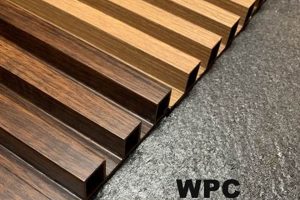
A do-it-yourself installation of wooden panels or planks on the overhead interior surface of a room is a project undertaken by homeowners seeking to enhance the aesthetic appeal and potentially the acoustic properties of their living space. This type of ceiling modification involves the selection of wood materials, precise measurements, cutting, and secure attachment to the existing ceiling structure. For instance, reclaimed wood planks might be used to create a rustic visual, while tongue-and-groove boards offer a more streamlined and modern aesthetic.
Implementing such a project offers multiple advantages, including an increased property value through design enhancements and a personalized interior environment reflecting individual tastes. Historically, wooden overhead surfaces provided insulation benefits and were often employed as a readily available building material. Contemporary applications allow for creative expression and can contribute to improved sound dampening within a room, offering both practical and decorative benefits. The material choices also allow homeowners to tailor the look and feel to match other design element within the house.
The subsequent sections will delve into essential aspects of this endeavor, covering material selection, necessary tools and safety precautions, step-by-step installation procedures, and cost considerations. Further discussion will encompass various design options, maintenance practices, and potential challenges encountered during the process, providing a holistic overview for successful project completion.
Essential Considerations for Wood Overhead Surface Projects
Careful planning and execution are crucial for a successful overhead wood application. The following considerations aim to mitigate common pitfalls and ensure structural integrity and aesthetic satisfaction.
Tip 1: Acclimatize the Wood: Prior to installation, allow the chosen wood material to adjust to the room’s ambient temperature and humidity for several days. This minimizes warping and shrinkage after installation, preventing gaps and distortions.
Tip 2: Precise Measurement and Planning: Thoroughly measure the ceiling area and create a detailed layout plan. This ensures efficient material usage, reduces waste, and facilitates accurate cutting and placement of the wood components.
Tip 3: Secure Attachment Methods: Select appropriate fasteners, such as screws or nails, based on the weight of the wood and the existing ceiling structure. Ensure the fasteners penetrate sufficiently into the joists or furring strips to provide a stable and secure attachment.
Tip 4: Proper Ventilation: If installing in moisture-prone areas, such as bathrooms or kitchens, incorporate adequate ventilation to prevent moisture buildup, which can lead to mold growth and wood damage. Consider using moisture-resistant wood species or applying a sealant.
Tip 5: Account for Lighting and Fixtures: Plan for the integration of lighting fixtures, such as recessed lights or chandeliers, before installation. Pre-drill holes or create cutouts as needed to accommodate the wiring and mounting hardware.
Tip 6: Leveling and Alignment: Use a level to ensure the wood pieces are installed straight and aligned. Uneven surfaces can detract from the overall aesthetic and create visual inconsistencies. Shims may be necessary to correct any irregularities in the existing ceiling.
Tip 7: Pre-Finishing Considerations: Decide whether to pre-finish the wood before installation. Pre-finishing allows for easier application and cleanup, but it may require touch-ups after installation to cover nail holes or cut edges.
A meticulous approach to these considerations contributes significantly to the longevity, structural soundness, and visual appeal of the finished overhead wood surface. Attention to detail during the preparatory and installation phases mitigates potential problems and ensures a professional-quality outcome.
These practical suggestions are intended to guide individuals undertaking an overhead wood surface project, ensuring a more effective and aesthetically pleasing result. The next section will address potential challenges and how to overcome them.
1. Material Selection

The choice of material is paramount when undertaking a do-it-yourself wood ceiling project. It dictates not only the aesthetic outcome but also the structural demands, installation complexity, and longevity of the finished surface. Careful evaluation of available options is crucial to achieving the desired visual effect while ensuring a safe and enduring construction.
- Wood Species
The selection of a specific wood species directly impacts the visual appeal, weight, and resistance to moisture. Softwoods, such as pine or cedar, are lighter and easier to work with but may be more susceptible to dents and scratches. Hardwoods, like oak or maple, offer greater durability but can be more challenging to cut and install. In damp environments, naturally rot-resistant species, like cedar or redwood, are preferential choices. This decision directly influences both the aesthetic result and lifespan of the ceiling.
- Wood Dimensions and Format
The physical dimensions of the wood panels or planks affect the installation process and the overall visual impact. Wider planks can create a more expansive feel but may require additional structural support to prevent sagging. Narrower planks offer greater flexibility in design and can be easier to handle during installation. Tongue-and-groove formats facilitate easier alignment and a more seamless appearance, while shiplap provides a distinctive shadow line effect. The chosen format impacts both the installation process and the final aesthetic.
- Surface Finish and Treatment
The surface finish and treatment applied to the wood influence its appearance and resistance to environmental factors. Applying a sealant or varnish protects the wood from moisture and UV damage, extending its lifespan and maintaining its aesthetic appeal. Staining can alter the color of the wood to match existing dcor or achieve a specific visual effect. The choice of finish also affects the ease of cleaning and maintenance over time. It’s vital to the overall appearance and usability of the overhead surface.
- Reclaimed vs. New Wood
The choice between reclaimed and new wood impacts both the aesthetic and environmental footprint of the project. Reclaimed wood offers a unique character and can contribute to a more sustainable build. New wood provides a uniform appearance and known structural properties. Sourcing certified sustainable wood products also supports responsible forestry practices. This consideration is relevant from both a visual and ethical viewpoint.
The selection of materials for a DIY wood ceiling is therefore not merely a cosmetic decision. It necessitates careful consideration of structural requirements, environmental factors, and aesthetic preferences. A well-informed choice contributes to a successful and long-lasting installation that enhances the overall value and appeal of the space.
2. Structural Integrity

The structural integrity of a ceiling is critically important when undertaking a do-it-yourself wood installation. Any modification to a ceiling must account for the existing load-bearing capacity and ensure that the added weight of the wood materials does not compromise the safety or stability of the structure. Understanding and addressing the following facets is paramount to a successful and safe project.
- Load Assessment and Distribution
Assessing the existing ceiling’s load-bearing capabilities is the initial and most critical step. This involves determining the weight the ceiling can safely support per square foot, considering factors like joist spacing, span length, and material composition. Even distribution of the added weight from the wood is essential to prevent localized stress points that could lead to sagging or, in extreme cases, structural failure. For instance, using heavier wood species like oak requires closer joist spacing or additional support compared to lighter options like pine. Ignoring these factors could result in dangerous structural weaknesses.
- Attachment Methods and Fasteners
The selection of appropriate attachment methods and fasteners is crucial for securely affixing the wood to the ceiling. This includes choosing between screws, nails, or adhesives, based on the type of wood, the substrate material (e.g., drywall, plaster, concrete), and the weight being supported. Screws generally provide a stronger and more reliable hold than nails, particularly for heavier materials. The length and gauge of the fasteners must be sufficient to penetrate deeply into the joists or framing members, ensuring a secure connection. Insufficient or inappropriate fasteners can lead to the wood detaching from the ceiling over time, posing a safety hazard.
- Joist Reinforcement and Support
In cases where the existing ceiling structure is inadequate to support the added weight, reinforcement measures may be necessary. This could involve adding additional joists, sistering existing joists with new lumber, or installing furring strips to provide a more robust framework for attaching the wood. For example, if installing a heavier wood ceiling in an older home with widely spaced joists, reinforcing the existing joists is crucial to prevent sagging. The specific reinforcement strategy will depend on the existing structure and the weight of the materials being added.
- Code Compliance and Inspections
Compliance with local building codes and regulations is essential for ensuring the safety and legality of the project. Many jurisdictions have specific requirements for ceiling load capacity and attachment methods. Obtaining the necessary permits and inspections can help ensure that the project meets these standards. Failing to comply with building codes can result in fines, delays, or even the need to remove the installation. Engaging with local building officials can provide valuable guidance and help avoid potential problems.
These facets collectively underscore the importance of prioritizing structural integrity when installing a DIY wood ceiling. Failure to properly assess the load capacity, select appropriate fasteners, reinforce the structure, and comply with building codes can have serious consequences. A thorough understanding of these elements is essential for a safe and successful project.
3. Acoustic Properties

The integration of wooden materials into ceiling structures significantly influences the acoustic environment of a room. The extent of this impact is directly related to the type of wood, its thickness, and the method of installation. Wooden surfaces can act as both sound reflectors and absorbers, depending on their characteristics. Hard, dense woods tend to reflect sound waves, potentially increasing reverberation and perceived loudness within a space. Conversely, softer woods and those installed with an air gap behind them can absorb sound energy, reducing echo and improving clarity.
Consider, for example, the installation of tongue-and-groove pine planks directly onto a drywall ceiling. This scenario would likely result in a slight increase in sound reflectivity, particularly in higher frequencies. However, if acoustic panels are installed behind the wood, or if the wood is installed on furring strips creating an air cavity, the sound absorption properties would be enhanced. This is particularly relevant in spaces such as home theaters or music rooms, where controlled acoustics are desirable. The presence of gaps or perforations in the wooden surface further enhances sound absorption by increasing the surface area available for sound interaction.
In summary, a do-it-yourself wood ceiling project offers an opportunity to intentionally shape the acoustic environment of a room. Careful selection of wood type, consideration of installation methods, and the potential integration of sound-absorbing materials can transform a room from an echo-prone space into a more acoustically comfortable environment. The effectiveness of the acoustic treatment hinges on a clear understanding of the interaction between sound waves and wooden surfaces. Further research into acoustic principles and material properties is recommended for those seeking optimal results.
4. Installation Method
The installation method is a critical determinant of the success and longevity of any do-it-yourself wood ceiling project. The chosen method directly affects the structural integrity, aesthetic outcome, and overall cost of the installation. A poorly executed installation can lead to sagging, uneven surfaces, and potential safety hazards, regardless of the quality of the materials used. Conversely, a well-planned and executed installation maximizes the visual impact and ensures the long-term stability of the wood ceiling. For example, directly attaching lightweight wood planks to existing drywall might be a suitable method. However, installing heavier, solid wood panels requires a more robust approach, such as attaching furring strips to the joists to provide a secure framework. The selection of an appropriate method is therefore not merely a matter of convenience but a crucial aspect of project planning.
Different installation methods cater to varying aesthetic preferences, structural conditions, and skill levels. Direct application, often involving adhesive and finishing nails, is a common approach for thin, lightweight wood materials. This method is relatively straightforward but requires a perfectly flat and level substrate to prevent unevenness. Installing wood planks on furring strips provides a more forgiving surface, allowing for minor adjustments and accommodating irregularities in the existing ceiling. This approach also creates an air gap behind the wood, potentially improving insulation and acoustic properties. Suspended ceiling systems offer another option, particularly in basements or spaces where access to utilities above the ceiling is needed. Each method presents its own set of advantages and disadvantages that must be carefully weighed against the specific requirements of the project.
In conclusion, the installation method is an inseparable component of any do-it-yourself wood ceiling project. Its careful selection and meticulous execution are paramount to achieving a visually appealing, structurally sound, and long-lasting result. The interaction between material selection, structural considerations, and chosen installation technique determines the final outcome. Overlooking this connection can lead to avoidable problems and ultimately compromise the integrity of the entire installation. Understanding and adapting to the unique characteristics of each installation method is therefore essential for achieving a successful project.
5. Lighting Integration

Lighting integration within a do-it-yourself wood ceiling project is not merely an aesthetic consideration but a critical component influencing the space’s functionality and visual appeal. The interplay between light and the wood ceiling surface impacts the perceived warmth, depth, and ambiance of the room. Careful planning is essential to avoid undesirable shadowing, uneven light distribution, or visual glare. For instance, recessed lighting, when strategically placed, can highlight the texture and grain of the wood, creating a sophisticated and inviting atmosphere. Conversely, poorly positioned fixtures can cast harsh shadows, diminishing the aesthetic value of the wood and creating an uncomfortable visual environment. The type of light source (e.g., LED, incandescent) also significantly affects the color rendering and the overall energy efficiency of the installation.
Consideration must be given to the structural implications of lighting integration. Recessed lighting, for example, requires cutouts in the wood ceiling, necessitating careful measurement and precise execution to maintain structural integrity. Wiring for these fixtures must be properly routed and secured to comply with electrical codes and prevent fire hazards. Furthermore, the type of wood used can influence the choice of lighting. Darker woods absorb more light, potentially requiring more fixtures or higher-wattage bulbs to achieve the desired level of illumination. Lighter woods, on the other hand, reflect more light and may require dimmer settings to avoid glare. Surface-mounted fixtures offer an alternative that minimizes structural modifications but require careful selection to complement the wood’s aesthetic.
In conclusion, effective lighting integration within a do-it-yourself wood ceiling project requires a holistic approach that considers both aesthetic and functional requirements. The selection, placement, and type of lighting fixtures must be carefully coordinated with the wood’s characteristics and the space’s intended use. Overlooking this critical aspect can undermine the entire project, resulting in an aesthetically unappealing and functionally inadequate space. Therefore, thorough planning and adherence to best practices are essential for achieving a harmonious and well-illuminated wood ceiling.
6. Ventilation Needs

The incorporation of a wood ceiling into a residential or commercial structure invariably impacts ventilation needs. Wood, while aesthetically pleasing, is an organic material susceptible to moisture-related damage, including rot, mold growth, and structural degradation. Consequently, inadequate ventilation in conjunction with a wooden overhead surface creates an environment conducive to these detrimental effects. A direct causal relationship exists between poor airflow around the wood and the accumulation of moisture, leading to accelerated deterioration. For instance, installing a wood ceiling in a bathroom without an adequate exhaust fan will likely result in moisture absorption, warping, and potentially mold formation over time. Therefore, proper ventilation is a critical component of any wood ceiling installation, dictating its longevity and the indoor air quality of the space.
Specific scenarios highlight the practical significance of this understanding. Consider a basement renovation where a wood ceiling is installed to enhance visual appeal. Basements, by nature, tend to have higher humidity levels. Without dedicated ventilation, such as a dehumidifier or an effective HVAC system, the wood ceiling will be exposed to continuous moisture, compromising its structural integrity and potentially releasing harmful spores into the air. Similarly, kitchens, due to cooking activities, generate considerable moisture. Installing a wood ceiling in this environment without a high-capacity range hood poses a risk of moisture damage. Proper ventilation, therefore, serves as a proactive measure to mitigate these risks and preserve the investment in the wood ceiling.
In summary, ventilation needs are intrinsically linked to the success and durability of a do-it-yourself wood ceiling. Neglecting this aspect can lead to significant structural and health-related problems. Addressing ventilation requirements through appropriate exhaust systems, dehumidifiers, or HVAC modifications is essential to ensure the long-term viability and aesthetic appeal of the wooden overhead surface. These interventions directly impact the indoor environment and contribute to the overall well-being of the occupants, making it a non-negotiable consideration in the project’s planning and execution phases.
7. Budget Constraints
Budget constraints exert a pervasive influence on all aspects of a do-it-yourself wood ceiling project. Financial limitations dictate the choice of materials, the scope of the project, the tools that can be acquired, and the potential for professional assistance. Therefore, a realistic and well-defined budget is essential for ensuring a successful and cost-effective outcome. The financial parameters directly shape the practical execution of the project, guiding decisions from initial planning to final installation.
- Material Selection and Cost Trade-offs
Material costs represent a significant portion of the total project expenditure. Budget limitations often necessitate trade-offs between desired aesthetic qualities and affordability. For example, while solid hardwood planks may offer superior durability and visual appeal, their higher cost may necessitate opting for less expensive alternatives such as plywood with a wood veneer or reclaimed lumber. Additionally, the selection of fasteners, finishes, and adhesives must align with the allocated budget. Prioritizing cost-effective options without compromising structural integrity or aesthetic acceptability is a crucial aspect of project management.
- Project Scope and Design Simplification
The size and complexity of the wood ceiling design are directly influenced by budget constraints. Elaborate designs, intricate patterns, and expansive coverage areas invariably increase material and labor costs. To stay within budgetary limits, simplifying the design, reducing the project scope, or phasing the installation over time may be necessary. For instance, a homeowner might initially plan to install a wood ceiling throughout an entire living room but, due to financial limitations, opt to focus on a smaller accent area or install the ceiling in stages.
- Tool Acquisition vs. Rental
Certain tools, such as power saws, nail guns, and levels, are essential for a wood ceiling installation. Budget constraints may limit the ability to purchase high-quality tools. In such cases, renting specialized tools or utilizing existing equipment becomes a cost-effective alternative. However, the cost of tool rental must be carefully weighed against the potential for future use and the overall project timeline. Purchasing basic, versatile tools that can be used for multiple projects may represent a more prudent long-term investment.
- Professional Assistance and the Labor Cost Factor
While a do-it-yourself approach aims to minimize labor costs, complex installations or structural concerns may necessitate seeking professional assistance. Consulting with a qualified contractor or carpenter can provide valuable expertise and ensure the structural integrity of the ceiling. Budget constraints may limit the extent of professional involvement. Homeowners must carefully evaluate their skill level and the complexity of the project to determine whether professional assistance is necessary and affordable. A small investment in professional guidance can prevent costly mistakes and ensure a safe and aesthetically pleasing result.
In conclusion, budget constraints are an inescapable reality that directly shapes the feasibility and outcome of a do-it-yourself wood ceiling project. Navigating these constraints requires careful planning, realistic expectations, and a willingness to make informed trade-offs. By prioritizing cost-effective materials, simplifying the design, and carefully evaluating the need for professional assistance, homeowners can achieve a visually appealing and structurally sound wood ceiling without exceeding their financial limitations. The interplay between budget and execution dictates the ultimate success of the endeavor.
Frequently Asked Questions
This section addresses common inquiries and concerns regarding the installation of wooden overhead surfaces. The information presented aims to provide clarity and guidance for individuals undertaking this project.
Question 1: Is a DIY wood ceiling project suitable for all skill levels?
The suitability of such a project depends heavily on the individual’s experience with carpentry and home renovation. Basic skills in measuring, cutting, and fastening are essential. More complex designs or installations involving structural modifications may require advanced skills or professional assistance.
Question 2: What are the primary safety considerations during installation?
Safety is paramount. Eye protection, dust masks, and hearing protection are crucial when cutting or sanding wood. Secure scaffolding or ladders are necessary for safe access to the ceiling. Electrical wiring must be handled with extreme caution, and power should be shut off to the circuit before working near electrical components.
Question 3: How can moisture damage be prevented in a wood ceiling installation?
Adequate ventilation is essential, particularly in moisture-prone areas like bathrooms or kitchens. Moisture-resistant wood species or sealant applications can further protect the wood. Inspecting the ceiling regularly for signs of leaks or moisture buildup is also recommended.
Question 4: What types of wood are best suited for overhead applications?
Lightweight woods, such as pine or cedar, are generally preferred due to their ease of handling and reduced load on the ceiling structure. Hardwoods like oak or maple offer greater durability but require stronger support. The choice should also consider the wood’s resistance to moisture and insect damage.
Question 5: How does a wood ceiling affect a room’s acoustics?
A wood ceiling can alter a room’s acoustics by reflecting or absorbing sound waves. Hard, dense woods tend to reflect sound, increasing reverberation. Softer woods or those installed with an air gap can absorb sound, reducing echo. Acoustic panels can be integrated to further enhance sound absorption.
Question 6: What building codes apply to DIY wood ceiling installations?
Local building codes vary and should be consulted before beginning any project. Codes may address load capacity, fire resistance, and electrical safety. Obtaining the necessary permits and inspections can ensure compliance and prevent potential problems.
Understanding these key aspects helps ensure a successful and safe installation. Careful planning and adherence to best practices are essential.
The subsequent section will address common mistakes and troubleshooting techniques.
Conclusion
This examination of the DIY wood ceiling project reveals the complexities inherent in achieving a successful and lasting installation. Key considerations encompass structural integrity, material selection, acoustic properties, adherence to building codes, and budgetary constraints. The significance of thorough planning, precise execution, and an understanding of fundamental construction principles cannot be overstated. These elements are critical in mitigating potential hazards and ensuring a visually appealing and structurally sound outcome. The successful execution of a DIY wood ceiling installation requires diligent preparation and mindful implementation of established building practices.
The decision to undertake such a project demands a comprehensive assessment of one’s skills and resources. While the allure of a personalized living space is undeniable, the potential for unforeseen challenges warrants careful deliberation. Whether pursuing this endeavor independently or seeking professional guidance, a commitment to safety and a dedication to quality craftsmanship remain paramount. The integration of a wood ceiling, when executed correctly, can enhance a space’s aesthetic and functional attributes; however, neglecting the outlined considerations can lead to unsatisfactory results and potential structural deficiencies. Prioritize informed decision-making and meticulous execution for a result that enhances both the value and appeal of the property.