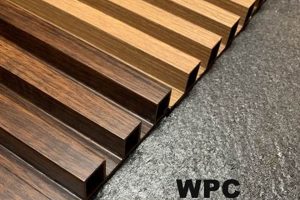
A wooden ceiling crafted from individual boards installed by a homeowner is a distinct interior design element. This approach allows for customization of textures, colors, and layouts compared to pre-fabricated ceiling systems. For example, reclaimed lumber can introduce a rustic aesthetic, while precisely milled planks can offer a more contemporary look.
The incorporation of such a ceiling offers several advantages. It can enhance a room’s thermal insulation, potentially reducing energy consumption. Furthermore, it provides acoustic benefits by dampening sound reverberation. Historically, wood ceilings were utilized to add structural integrity and visual warmth to buildings. Modern applications focus more on aesthetic value and the creation of unique interior spaces.
The following will detail the materials, tools, and installation techniques required to successfully create a customized ceiling. Considerations regarding safety, design planning, and long-term maintenance will also be addressed to facilitate a well-executed project.
Essential Considerations for Wooden Ceiling Installation
Effective execution of a wooden ceiling project necessitates careful planning and meticulous attention to detail. The following guidelines provide crucial insights for achieving a professional and lasting result.
Tip 1: Material Selection is Paramount: The choice of wood influences the ceiling’s aesthetic, durability, and cost. Consider the existing architectural style of the room and select wood that complements it. Hardwoods, while more expensive, offer superior resistance to dents and scratches, while softwoods are easier to work with but require greater care during installation and subsequent use.
Tip 2: Prioritize Moisture Content Measurement: Wood’s moisture content must be appropriate for the intended environment to prevent warping or cracking. Use a moisture meter to ensure the wood is properly acclimated to the room’s humidity levels before installation. Ideal moisture content typically ranges from 6% to 8%.
Tip 3: Accurate Measurements are Indispensable: Precise measurements are crucial for avoiding material waste and ensuring a seamless installation. Account for any irregularities in the existing ceiling structure and plan the plank layout accordingly. Utilize a laser level for accurate alignment of the planks.
Tip 4: Secure Fastening is Non-Negotiable: Employ fasteners appropriate for the type of wood and the underlying ceiling structure. Screws generally provide a more secure hold than nails, especially when attaching planks to furring strips. Pre-drilling pilot holes prevents splitting of the wood.
Tip 5: Proper Ventilation is Imperative: Adequate ventilation behind the wooden ceiling minimizes the risk of moisture buildup and mold growth. Ensure there is sufficient airflow between the planks and the existing ceiling structure. Consider installing a vapor barrier to further protect against moisture intrusion.
Tip 6: Consistent Finishing Enhances Longevity: Applying a protective finish to the installed wooden ceiling prolongs its lifespan and enhances its aesthetic appeal. Select a finish appropriate for the type of wood and the intended use of the room. Consider a sealant to protect against moisture and UV damage.
Successful installation requires adherence to these key considerations, leading to a visually appealing and structurally sound finished product. These practices guarantee a durable and aesthetically pleasing outcome, increasing the value and ambiance of the space.
The next section will delve into advanced techniques and troubleshooting common challenges encountered during the process, offering further insights for achieving professional-grade results.
1. Aesthetics

The aesthetic dimension of a wooden ceiling significantly influences the perceived value and ambiance of an interior space. The visual impact derives from several factors: the type of wood employed, the finishing applied, the plank arrangement, and the integration with the room’s overall design scheme. The selection of wood, for instance, directly contributes to the ceiling’s inherent character. Reclaimed wood introduces a rustic, aged aesthetic, while smooth, uniformly milled planks project a more modern, minimalist feel. Consider, for example, the stark contrast between a ceiling constructed from rough-hewn barn wood in a farmhouse-style kitchen and a ceiling featuring sleek, stained cedar planks in a contemporary living room. This highlights the profound influence of material choice on the final aesthetic outcome.
Furthermore, the chosen finish, be it a clear sealant, a stain, or a paint, modulates the visual effect. A clear sealant accentuates the natural grain and color variations of the wood, preserving its inherent beauty. Stains allow for customization of the wood’s hue, enabling coordination with other elements in the room. Paint, on the other hand, provides a uniform color and can be used to create a bold statement or a subtle backdrop. The plank arrangement also plays a crucial role. Horizontal planks can visually widen a room, while vertical planks can create an illusion of height. Diagonal or herringbone patterns introduce visual interest and complexity. Properly selected pattern allows achieving unique visual effect.
Ultimately, the successful integration of a wooden ceiling is dependent on its harmonious interaction with the room’s overall design. The ceiling should complement the wall colors, furniture styles, and lighting fixtures to create a cohesive and visually appealing space. Failure to consider these aesthetic elements can result in a ceiling that feels disjointed or clashes with the surrounding environment, detracting from the room’s overall aesthetic appeal. Therefore, an acute awareness of aesthetic principles is paramount to achieving a successful and visually pleasing result. Aesthetic design is a fundamental aspect to consider within the scope of implementing a wooden ceiling, highlighting its importance as a design parameter, not an afterthought.
2. Material Selection

The selection of appropriate materials constitutes a critical phase in the successful implementation of a wooden plank ceiling. The chosen materials directly impact the ceiling’s aesthetic qualities, structural integrity, longevity, and overall cost. Therefore, a thorough understanding of available options and their respective characteristics is essential.
- Wood Species Selection
The species of wood significantly influences the visual appearance, density, and durability of the ceiling. Hardwoods, such as oak and maple, offer superior resistance to scratches and dents, making them suitable for high-traffic areas. Softwoods, like pine and cedar, are more easily worked with and offer a cost-effective alternative, though they require greater care to prevent damage. The visual characteristics of each species, including grain pattern and color variation, should be carefully considered to align with the desired aesthetic.
- Dimensional Lumber vs. Reclaimed Wood
Dimensional lumber provides consistent dimensions and a uniform appearance, facilitating a streamlined installation process. Reclaimed wood, sourced from salvaged structures, introduces a unique character and a sense of history. However, reclaimed wood often requires additional preparation, including cleaning, sanding, and milling, to ensure dimensional consistency and structural soundness. The choice between these options depends on the desired aesthetic and the level of effort one is willing to invest in the preparation phase.
- Fastener Selection and Compatibility
The selection of appropriate fasteners, such as nails or screws, is crucial for ensuring the long-term stability of the ceiling. The fastener material should be compatible with the chosen wood species to prevent corrosion or discoloration. Screws generally offer a more secure hold than nails, particularly when attaching planks to furring strips or directly to the ceiling joists. The length and gauge of the fasteners should be carefully selected to ensure adequate penetration without compromising the structural integrity of the wood.
- Finishing Materials and Their Properties
The selection of finishing materials, such as stains, sealants, and paints, significantly impacts the visual appearance and protective qualities of the ceiling. Stains enhance the natural grain of the wood and allow for customization of the color. Sealants provide a protective barrier against moisture and UV damage, extending the lifespan of the ceiling. Paints offer a uniform color and can be used to create a bold statement or a subtle backdrop. The chemical compatibility of the finishing materials with the chosen wood species should be verified to prevent adverse reactions or discoloration.
The interplay of these factors dictates the outcome of a wooden plank ceiling project. A thoughtful consideration of the wood species, the source of the wood, the chosen fasteners, and the finishing materials ensures a durable, aesthetically pleasing, and long-lasting installation. Proper material selection avoids future structural issues or aesthetic degradation, thereby enhancing the long-term value of the space.
3. Installation Methods

Installation methods are a critical determinant of the structural integrity, aesthetic outcome, and longevity of any wooden plank ceiling. Selecting an appropriate installation approach necessitates a thorough understanding of the existing ceiling structure, the chosen materials, and the desired aesthetic. Inadequate or improper installation directly leads to issues such as sagging, uneven surfaces, and premature material degradation. For example, directly attaching planks to ceiling joists without accounting for inconsistencies in the joist spacing can result in a visibly uneven ceiling surface. This highlights the direct cause-and-effect relationship between installation technique and the quality of the finished product.
One common method involves installing furring strips, which act as a level substrate for the planks. Furring strips are typically attached perpendicular to the ceiling joists, creating a consistent plane for the planks to be fastened. This method is particularly useful in older homes where the ceiling joists are not perfectly aligned. Another approach involves directly adhering the planks to the existing ceiling using construction adhesive, often in conjunction with fasteners for added security. This method is suitable for smooth, level ceilings, but may not be appropriate for ceilings with significant imperfections or those prone to moisture. The choice of fastener, whether nails or screws, also affects the installation’s durability. Screws generally provide a stronger and more secure hold, mitigating the risk of planks loosening over time. A real-world illustration of the practical significance of understanding installation methods is seen in the restoration of historic homes, where carefully chosen techniques preserve the original character while ensuring structural stability.
In conclusion, the selection and execution of appropriate installation methods are indispensable for achieving a successful wooden plank ceiling. Addressing structural irregularities, selecting suitable fasteners, and implementing proper techniques not only affect the immediate aesthetic outcome but also the long-term performance and durability. Therefore, prioritizing careful planning and skillful execution of the installation process is fundamental to realizing the full potential of this interior design element.
4. Structural Integrity

Structural integrity constitutes a foundational requirement for any successful wooden plank ceiling installation. The capacity of the ceiling to withstand applied loads, resist deformation, and maintain its overall stability directly influences its longevity and safety. Several factors intrinsic to a wooden plank ceiling project affect its structural integrity. The method of attachment, the spacing and orientation of support structures, and the quality of the materials employed play pivotal roles in ensuring its stability. For example, if planks are inadequately fastened to the support structure, the ceiling may sag or even collapse under its weight or due to external forces such as vibrations. This illustrates the potential consequences when structural considerations are overlooked. The consequences can range from cosmetic imperfections to catastrophic failures.
Furthermore, the selection of appropriate materials is crucial for achieving adequate structural performance. The wood species, thickness, and grade influence its load-bearing capacity and resistance to environmental factors. For instance, using lower-grade lumber or planks that are too thin can compromise the ceiling’s ability to support its own weight. Similarly, inadequate spacing between support structures can result in excessive deflection and eventual failure. In practical application, consider the renovation of historical buildings, where maintaining structural integrity is paramount. In such projects, meticulous attention to detail, including precise measurements and adherence to established engineering principles, ensures that the wooden plank ceiling not only replicates the original design but also meets modern safety standards. Correct preparation ensures a safe structure in the long term.
In summary, the structural integrity of a wooden plank ceiling depends on a combination of factors related to design, material selection, and installation practices. Neglecting these aspects can have serious repercussions, impacting the ceiling’s long-term performance and potentially compromising safety. Ensuring that the ceiling is properly supported, adequately fastened, and constructed from suitable materials is essential for creating a stable, durable, and aesthetically pleasing feature in any interior space. This ensures structural reliability over time.
5. Cost Effectiveness

The economic viability of a wooden plank ceiling installation significantly influences its appeal as a design choice. A careful evaluation of material expenses, labor costs, and long-term maintenance requirements is crucial to determine the overall cost-effectiveness of this project.
- Material Acquisition Strategies
Procuring materials via salvage or bulk purchasing offers considerable cost savings. Reclaimed lumber, sourced from deconstructed buildings or demolition sites, often presents a significantly lower price point compared to newly milled timber. However, additional labor may be required to prepare reclaimed wood for installation. Purchasing materials in bulk from lumberyards or online retailers can also yield discounts, especially for large-scale projects. Strategic sourcing of materials represents a key factor in controlling project expenses.
- Labor Cost Minimization
Executing the installation as a hands-on project eliminates labor costs, representing a significant financial advantage. The degree of skill required for installation influences the potential for cost savings. Complex designs or installations involving intricate patterns may necessitate professional assistance, thereby increasing overall project expenses. Simplifying the design and leveraging online resources or DIY guides can mitigate the need for skilled labor.
- Long-Term Maintenance Expense Mitigation
Selecting durable and low-maintenance materials reduces long-term expenses associated with repairs or replacements. Hardwoods, while more expensive initially, offer superior resistance to wear and tear compared to softwoods, potentially offsetting the initial cost over time. Applying protective finishes, such as sealants or stains, extends the lifespan of the wooden planks and minimizes the need for frequent maintenance. Proactive maintenance practices contribute to the long-term cost-effectiveness.
The interplay of these elements dictates the overall economic viability of a wooden plank ceiling project. Balancing material acquisition strategies, labor cost considerations, and long-term maintenance expenses is essential to achieving a cost-effective and aesthetically pleasing result. Thorough planning and research into available options contribute to a favorable return on investment. For instance, comparing the long-term cost implications of a budget-friendly softwood installation requiring frequent repairs against a more durable hardwood installation with minimal maintenance illustrates the importance of considering the entire lifecycle cost.
6. Maintenance

The longevity and aesthetic appeal of a self-installed wooden plank ceiling directly correlate with consistent and appropriate maintenance practices. Inadequate upkeep precipitates a range of detrimental effects, including but not limited to discoloration, warping, and pest infestations. The frequency and type of maintenance depend on the wood species, finish, and environmental conditions. For instance, a ceiling constructed from unfinished softwood in a humid environment will require more frequent cleaning and potential treatment with anti-fungal agents compared to a hardwood ceiling finished with a moisture-resistant sealant. Addressing minor issues promptly averts more extensive and costly repairs down the line.
Regular cleaning, typically involving dusting or vacuuming with a soft brush attachment, removes accumulated debris that can harbor moisture and attract pests. The use of harsh chemical cleaners can damage the wood finish and accelerate deterioration. Instead, mild, pH-neutral cleaning solutions specifically designed for wood are recommended. Periodic inspections for signs of water damage, insect activity, or structural compromise should be conducted to identify and address potential problems early. If water stains are detected, the source of the leak must be identified and rectified before attempting to repair the ceiling. Examples of proactive maintenance include reapplying sealant every few years or treating the wood with preservatives to protect against insect damage and fungal growth. The failure to perform this tasks is detrimental to DIY ceilings.
In summation, maintaining a self-installed wooden plank ceiling is not merely an optional undertaking, but a vital component of its long-term performance and visual integrity. Implementing a consistent maintenance schedule, utilizing appropriate cleaning agents, and promptly addressing any signs of damage are indispensable for preserving the ceiling’s beauty and structural stability. Neglecting these practices can lead to irreversible damage, diminished aesthetic value, and ultimately, the need for costly repairs or replacements. Maintenance as a process protects the initial investment.
Frequently Asked Questions About DIY Wood Plank Ceilings
The following addresses common inquiries regarding self-installation of wooden plank ceilings, providing essential information for potential projects.
Question 1: What is the optimal wood species for a damp environment?
Cedar and redwood exhibit natural resistance to moisture, making them suitable for bathrooms or kitchens. Proper sealing remains critical to prevent water damage, irrespective of species.
Question 2: How can one ensure planks are level during installation?
Furring strips, installed perpendicular to ceiling joists, provide a level substrate. A laser level is recommended for accurate alignment of the furring strips. Proper levelling is critical.
Question 3: What type of fasteners provides the most secure attachment?
Screws generally offer a stronger hold compared to nails. Select screws that are appropriately sized for the plank thickness and the supporting structure. Pre-drilling prevents wood splitting.
Question 4: Is it necessary to apply a finish to the wooden ceiling?
Finishing protects the wood from moisture, UV damage, and wear. A sealant or stain enhances the wood’s appearance and extends its lifespan. The selection of the correct finish is essential.
Question 5: How can one minimize sound transmission through the ceiling?
Installing insulation between the ceiling joists and the wooden planks reduces sound transmission. Dense insulation materials provide superior sound dampening. Consider using acoustic clips also.
Question 6: What is the recommended cleaning procedure for a wooden plank ceiling?
Regular dusting or vacuuming with a soft brush attachment is recommended. Avoid harsh chemicals, opting for mild, pH-neutral wood cleaners instead. Cleaning extends long term use.
These FAQs aim to clarify fundamental aspects of self-installing wooden plank ceilings, facilitating informed decision-making and successful project execution. Careful planning and attention to detail are necessary.
The subsequent section explores advanced techniques and troubleshooting strategies to address more complex challenges encountered during installation.
DIY Wood Plank Ceiling
The foregoing analysis has detailed the critical considerations surrounding diy wood plank ceiling installations. Aesthetic design, material selection, installation methodology, structural reliability, economic factors, and maintenance protocols have all been addressed. Proficiency in each area directly contributes to the realization of a successful project, characterized by visual appeal and long-term durability.
The enduring success of such a project necessitates diligent planning, informed decision-making, and skillful execution. This integration provides lasting value and aesthetic enhancement. Therefore, careful assessment and adherence to established best practices will determine the ultimate success of a wooden plank ceiling undertaking.