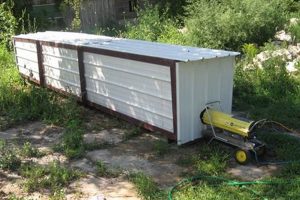
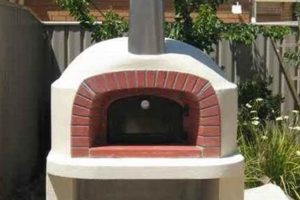
A self-constructed, wood-fueled bathing vessel offers an alternative to conventional heated tubs. These systems utilize the combustion of wood to warm water contained within a basin, often fabricated from materials like wood, metal, or durable plastics. The appeal lies in their off-grid capability and rustic aesthetic. An example might be a cedar-lined tub heated by an external firebox, providing a natural soaking experience.
The significance of these units stems from their energy efficiency and environmental friendliness, when managed correctly. Historically, wood-fired bathing has been practiced across cultures for centuries, offering therapeutic relaxation and social gathering spaces. Their benefits encompass reduced reliance on electricity, a closer connection with nature, and the potential for cost savings in the long term.
The following sections will delve into essential aspects such as design considerations, material selection, construction techniques, safety protocols, and maintenance procedures related to these unique heating systems. This information aims to provide a foundational understanding for successful implementation.
Essential Guidelines for Wood-Fueled Bathing Vessel Construction
The successful creation and operation of a wood-fueled bathing vessel necessitate meticulous planning and execution. These guidelines address critical aspects of construction and usage.
Tip 1: Site Selection is Paramount: Prioritize locations with proper drainage and minimal fire hazards. Clear the area of combustible materials and ensure a stable, level foundation for the tub.
Tip 2: Material Choice Impacts Longevity: Opt for rot-resistant wood species, such as cedar or redwood, for the tub structure. Consider stainless steel or aluminum for the firebox to prevent corrosion.
Tip 3: Firebox Placement Affects Heating Efficiency: Position the firebox strategically to maximize heat transfer to the water. Consider an immersion heater design or a wrap-around coil system for optimal performance.
Tip 4: Water Circulation Enhances Temperature Distribution: Implement a thermosiphon system or a small, heat-resistant pump to circulate water between the firebox and the tub. This ensures even heating and prevents localized hot spots.
Tip 5: Temperature Monitoring is Crucial for Safety: Install a reliable thermometer to monitor the water temperature. Avoid overheating the water, as this poses a scalding risk.
Tip 6: Water Treatment Maintains Hygiene: Implement a water treatment system, such as a sand filter or UV sterilizer, to maintain water quality and prevent bacterial growth. Regularly change the water to prevent buildup of contaminants.
Tip 7: Chimney Design Ensures Proper Ventilation: Extend the chimney above the tub and surrounding structures to facilitate proper draft and prevent smoke inhalation. Install a spark arrestor to mitigate fire hazards.
Tip 8: Comprehensive Testing Before Use: Conduct thorough testing to identify any leaks or structural weaknesses. Fill the tub with water and monitor it for several days before introducing heat.
Adhering to these guidelines contributes to a safer, more efficient, and enjoyable wood-fueled bathing experience. Careful consideration of these points during the construction phase will yield long-term benefits.
The following sections will explore advanced design considerations and regulatory compliance related to wood-fueled bathing vessels.
1. Design
Design fundamentally dictates the performance and safety of any self-constructed, wood-fueled bathing vessel. The chosen design directly impacts structural integrity, heat efficiency, and ease of maintenance. For instance, a poorly designed firebox may result in incomplete combustion, leading to inefficient heating and excessive smoke production. Conversely, a well-designed system incorporates principles of thermodynamics to optimize heat transfer to the water, minimizing fuel consumption.
Consider the example of tub geometry: a shallow, wide tub will lose heat more rapidly than a deeper, narrower design. Therefore, understanding heat loss principles informs the optimal dimensions for the specific climate and usage patterns. Moreover, the design must account for structural loads and stresses, particularly when using heavy materials like wood or concrete. A flawed design could lead to cracking, leaks, or even catastrophic failure. The integration of features like benches, steps, and covers also falls under the purview of design and contributes significantly to the user experience.
In conclusion, the design phase represents the cornerstone of successful construction. A thorough understanding of engineering principles, material properties, and user needs is paramount. Overlooking design considerations inevitably leads to compromises in performance, safety, and long-term durability. The design phase is not merely aesthetic; it is the functional blueprint that governs the entire operation of the bathing vessel.
2. Materials
Material selection is a critical determinant of a self-constructed, wood-fueled bathing vessel’s performance, longevity, and safety. The materials used directly impact heat retention, structural integrity, resistance to corrosion and decay, and overall operational efficiency. For example, using untreated softwood for the tub’s construction leads to rapid deterioration due to moisture exposure and fungal growth. This necessitates frequent repairs or premature replacement, resulting in increased costs and potential safety hazards.
Conversely, employing rot-resistant hardwoods like cedar or redwood significantly extends the tub’s lifespan, reducing maintenance requirements. Similarly, the choice of material for the firebox dictates its resistance to high temperatures and corrosion. Using thin-gauge steel can result in warping and eventual failure due to repeated heating and cooling cycles. Selecting thicker-gauge stainless steel or cast iron provides superior durability and heat retention, improving combustion efficiency and reducing the risk of structural damage. The piping system, if incorporated, must also be constructed from heat-resistant materials, such as copper or stainless steel, to prevent melting or degradation.
Therefore, understanding material properties and their suitability for specific applications is essential. The appropriate material choices optimize the system’s efficiency, improve its longevity, and enhance safety, whereas inadequate selections lead to operational inefficiencies and increased risks. This underscores the vital connection between materials and the successful operation of a wood-fueled bathing vessel.
3. Combustion
Combustion is the essential chemical process that provides the heat source for a self-constructed, wood-fueled bathing vessel. The efficacy of this process directly correlates with the tub’s heating capacity, fuel efficiency, and environmental impact. Incomplete combustion, for instance, results in lower heat output, increased fuel consumption, and the release of harmful pollutants, such as carbon monoxide and particulate matter. A properly designed firebox and adequate airflow are essential to ensuring complete combustion, where the wood fuel is converted into heat, carbon dioxide, and water vapor.
The type of wood used also significantly influences the combustion process. Hardwoods, such as oak and maple, generally provide more heat per unit volume compared to softwoods like pine. However, hardwoods require more time to ignite and burn more slowly. Real-world examples demonstrate that using seasoned wood, with a moisture content below 20%, promotes more efficient and cleaner combustion. Conversely, using wet or green wood inhibits combustion, reducing heat output and increasing the risk of creosote buildup in the chimney. Creosote is a flammable byproduct of incomplete combustion and poses a significant fire hazard.
Understanding the principles of combustion is therefore crucial for safe and efficient operation. Maximizing combustion efficiency not only conserves fuel but also minimizes the release of harmful emissions, contributing to environmental responsibility. Careful attention to firebox design, wood selection, and airflow management ensures that the self-constructed, wood-fueled bathing vessel operates at its optimal level, providing a safe and enjoyable bathing experience. The challenge lies in balancing efficient combustion with responsible environmental practices.
4. Circulation
In a self-constructed, wood-fueled bathing vessel, circulation dictates the uniformity of water temperature throughout the tub. Without adequate circulation, water near the heat source will become excessively hot, while areas distant from the firebox remain significantly cooler. This temperature stratification creates an uncomfortable and potentially dangerous bathing experience. Effective circulation mitigates these issues by ensuring that heated water is distributed evenly, maintaining a consistent and comfortable temperature for all occupants. A practical example involves the use of a thermosiphon system, where the natural convection currents generated by heating the water drive circulation without the need for an external pump. The heated water rises and displaces cooler water, creating a continuous flow pattern.
The efficiency of the circulation system directly impacts fuel consumption and the overall operational cost. Poor circulation necessitates burning more wood to achieve the desired temperature throughout the tub, leading to increased fuel costs and greater environmental impact. Moreover, stagnant water can promote the growth of bacteria and algae, requiring more frequent cleaning and water changes. Implementing a well-designed circulation system, whether through thermosiphoning or a small, heat-resistant pump, optimizes heat distribution, reduces fuel consumption, and minimizes maintenance requirements. Another example involves strategic placement of inlet and outlet ports to maximize water flow and prevent dead zones where water remains stagnant.
In summary, circulation is an indispensable component of a functional and enjoyable wood-fueled bathing vessel. It ensures consistent temperature distribution, minimizes fuel consumption, and reduces maintenance needs. Understanding the principles of circulation and implementing an effective system is essential for optimizing the bathing experience and ensuring the long-term viability of the self-constructed unit. The absence of proper circulation directly compromises both user comfort and operational efficiency.
5. Filtration
Water quality maintenance represents a critical aspect of operating a self-constructed, wood-fueled bathing vessel. Filtration directly addresses this need by removing particulate matter, organic debris, and other contaminants from the water. The absence of an effective filtration system results in a gradual accumulation of these substances, leading to cloudy water, unpleasant odors, and the potential for bacterial growth. This degradation of water quality compromises the bathing experience and poses potential health risks. An example of such risks includes the proliferation of bacteria, which can lead to skin irritations or infections. Therefore, filtration is not merely a cosmetic concern but a fundamental component for ensuring hygienic and safe operation.
Various filtration methods are applicable to self-constructed bathing vessels. Sand filters represent a traditional and relatively simple option, effectively removing larger particles. Cartridge filters offer finer filtration capabilities, capturing smaller debris and some microorganisms. More advanced systems incorporate UV sterilization to further reduce bacterial contamination. The selection of an appropriate filtration method depends on factors such as the volume of water, frequency of use, and desired level of water clarity. Regular maintenance of the filtration system, including cleaning or replacing filter media, is essential to maintain its effectiveness. For instance, neglecting to backwash a sand filter results in reduced flow rates and diminished filtration performance.
In conclusion, filtration is an indispensable element of a self-constructed, wood-fueled bathing vessel. It safeguards water quality, protects bathers from potential health hazards, and extends the lifespan of the water supply. By implementing an appropriate filtration system and adhering to a consistent maintenance schedule, individuals can ensure a clean, safe, and enjoyable bathing experience. Failure to address filtration compromises the entire operation and necessitates more frequent and costly water changes.
6. Safety
Safety constitutes a paramount concern in the construction and operation of a self-constructed, wood-fueled bathing vessel. The inherent nature of these systems, involving fire, heated water, and potentially complex plumbing, necessitates a rigorous approach to risk mitigation. Failure to address safety considerations can result in severe injuries, property damage, or even fatalities.
- Scalding Prevention
Maintaining safe water temperatures is critical. Water exceeding 115F (46C) poses a significant scalding risk. Implementing a reliable thermometer and a means of temperature control, such as a water mixing valve or fire management techniques, is essential. Regularly monitoring water temperature and educating users about the risks of overheating are crucial preventative measures. The integration of a high-temperature cutoff switch, which automatically reduces heat input, can further mitigate scalding hazards.
- Fire Safety
The open flame inherent in wood-fired systems presents a fire hazard. Maintaining a safe distance between the firebox and combustible materials is paramount. Installing a spark arrestor on the chimney prevents the escape of embers that could ignite nearby vegetation or structures. Furthermore, a readily accessible water source or fire extinguisher is a necessity. Regularly inspecting and cleaning the chimney to prevent creosote buildup reduces the risk of chimney fires. Creating a non-combustible perimeter around the firebox further minimizes fire spread.
- Carbon Monoxide Mitigation
Incomplete combustion of wood can produce carbon monoxide, a colorless and odorless gas that is highly toxic. Ensuring adequate ventilation around the firebox is crucial to prevent carbon monoxide accumulation. Installing a carbon monoxide detector in the vicinity of the bathing vessel provides an early warning of dangerous gas levels. Regular inspection and maintenance of the firebox and chimney ensure proper drafting and minimize carbon monoxide production. Avoiding the use of the bathing vessel in enclosed or poorly ventilated areas is a fundamental safety precaution.
- Structural Integrity
The structural integrity of the bathing vessel is vital for preventing leaks and potential collapses. Using appropriate construction materials and techniques ensures the tub can withstand the weight of the water and occupants. Regularly inspecting the tub for signs of damage, such as cracks or leaks, is essential. Ensuring a stable and level foundation prevents undue stress on the structure. Adhering to established building codes and guidelines, where applicable, further enhances structural safety.
These safety facets, when comprehensively addressed, contribute to a substantial reduction in the risks associated with self-constructed, wood-fueled bathing vessels. Regular inspections, proactive maintenance, and user education are essential for maintaining a safe operating environment. Neglecting these critical elements can have severe and potentially irreversible consequences.
Frequently Asked Questions
The following addresses common inquiries regarding the construction and operation of self-constructed, wood-fueled bathing vessels. The intent is to provide clear, concise answers to frequently encountered questions.
Question 1: Is a permit required for constructing a wood-fueled bathing vessel?
Permit requirements vary significantly depending on local regulations. Contacting the local building department to determine specific requirements is necessary prior to initiating construction. Factors such as size, location, and water source may influence permit requirements.
Question 2: What is the optimal wood type for fuel efficiency and minimal smoke?
Seasoned hardwoods, such as oak or maple, generally provide higher heat output and produce less smoke compared to softwoods. Ensure the wood has a moisture content below 20% for optimal combustion.
Question 3: How often should the water be changed in a wood-fueled bathing vessel?
Water change frequency depends on usage and filtration system effectiveness. If no filtration is present, changing the water after each use is advisable. With filtration, water may last longer, but it is recommended to change it at least every one to two weeks.
Question 4: What safety precautions are essential to prevent scalding?
Installing a thermometer to monitor water temperature is crucial. Implement controls to regulate heat input and prevent overheating. Supervise use, particularly by children, and ensure they understand the risks of high water temperatures.
Question 5: What is the best method for preventing bacterial growth in the water?
A combination of filtration and water treatment is recommended. Sand filters or cartridge filters remove particulate matter, while UV sterilizers can eliminate bacteria and microorganisms. Regular water changes also contribute to maintaining water quality.
Question 6: How should creosote buildup in the chimney be managed to prevent fire hazards?
Regularly inspect and clean the chimney to remove creosote. The frequency of cleaning depends on usage but should be performed at least annually. Consulting a professional chimney sweep is advisable for thorough cleaning and inspection.
These answers offer a starting point for addressing common concerns. Additional research and consultation with professionals may be necessary for specific situations.
The following section will delve into specific design considerations and advanced techniques.
Conclusion
This exploration of diy wood fired hot tub construction underscores the multifaceted nature of these projects. Successful implementation hinges on meticulous attention to design, material selection, combustion management, circulation efficiency, effective filtration, and rigorous adherence to safety protocols. Each element plays a critical role in determining the system’s performance, longevity, and safety profile. A comprehensive understanding of these aspects is paramount for mitigating risks and maximizing the benefits associated with wood-fueled bathing.
The enduring appeal of the diy wood fired hot tub stems from its potential for off-grid operation, energy efficiency, and connection to traditional practices. However, prospective builders must approach the project with a clear understanding of the technical challenges and safety considerations involved. Responsible design, conscientious construction, and diligent maintenance are essential for realizing the full potential of this unique bathing experience while minimizing environmental impact and ensuring user safety.