Construction of a backyard hearth utilizing cost-effective methods and readily available materials represents an accessible approach to outdoor living enhancement. Projects of this nature prioritize affordability without necessarily sacrificing aesthetic appeal or functionality. Examples range from repurposing existing concrete blocks to employing locally sourced stone, minimizing financial investment.
The appeal of such projects lies in their democratization of home improvement. They allow individuals to create a focal point for outdoor gatherings, extending the usability of outdoor spaces beyond the warmer months. Historically, the outdoor fireplace has served as a central gathering place, and this modern, budget-conscious interpretation continues that tradition, offering warmth and ambiance without substantial expenditure.
The following sections will explore specific construction techniques, material selection considerations, and safety guidelines pertinent to creating a functional and visually pleasing backyard fire feature within a restricted budget.
Economical Outdoor Fireplace Construction Strategies
The following provides practical guidance for building an outdoor fireplace while adhering to budgetary constraints. Careful planning and resourcefulness are crucial for a successful outcome.
Tip 1: Repurpose Existing Materials: Evaluate available resources. Salvaged bricks, paving stones, or concrete blocks from demolition projects can significantly reduce material costs. Ensure structural integrity and clean the materials thoroughly before use.
Tip 2: Utilize Local Stone: Sourcing natural stone locally often proves more economical than purchasing pre-cut stone from retailers. Contact local quarries or landscaping suppliers to explore available options. Consider the stone’s suitability for high-temperature environments.
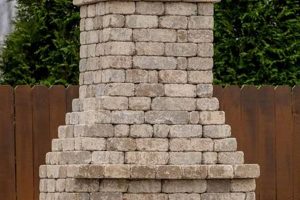
Tip 3: Employ Concrete Blocks: Concrete blocks offer a cost-effective and readily available building material. Their modular design simplifies construction, and they can be faced with stone veneer or stucco for an enhanced aesthetic.
Tip 4: Minimize Firebox Size: A smaller firebox requires less material for construction and consumes less fuel. Determine the optimal firebox size based on intended use and available space.
Tip 5: Build a Simple Design: Intricate designs necessitate more materials and labor. Opt for a straightforward structure with clean lines to minimize construction complexity and associated expenses.
Tip 6: Consider a Chiminea Alternative: A chiminea, a freestanding clay or metal fireplace, presents a simpler and often less expensive alternative to a traditional built-in fireplace. Ensure proper placement and ventilation.
Tip 7: Explore DIY Refractory Mortar: While commercially available refractory mortar is recommended for firebox construction, research recipes for homemade alternatives. Exercise caution and ensure the mixture can withstand high temperatures. Thoroughly test the mixture in a small, controlled environment before applying it to the entire firebox.
These strategies emphasize practicality and resourcefulness in fireplace construction. Prioritizing simplicity, repurposing materials, and sourcing locally contribute to achieving a functional and aesthetically pleasing outdoor feature within budgetary limitations.
The subsequent sections will delve into essential safety precautions and maintenance procedures related to outdoor fireplaces.
1. Material Acquisition

Material acquisition represents a cornerstone of backyard fireplace construction, inextricably linked to overall project expenses. Prudent material sourcing and selection are paramount to achieving a fiscally responsible outcome.
- Salvaged Materials: Cost Reduction
Repurposing materials constitutes a primary method for diminishing expenses. Salvaged bricks, concrete blocks, or paving stones from demolition sites or landscaping overhauls offer viable alternatives to purchasing new materials. Thorough inspection for structural integrity is crucial. Utilizing salvaged items directly reduces material costs, often substantially, thereby aligning with the objective of a budget-friendly project.
- Local Sourcing: Reduced Transportation Costs
Procuring materials locally, particularly natural stone, minimizes transportation expenses. Engaging local quarries or landscaping suppliers can yield cost-effective options compared to larger retail chains. Reduced transportation also lessens the environmental impact of the project. Local sourcing supports regional economies while simultaneously contributing to budgetary constraints.
- Bulk Purchasing: Economies of Scale
Acquiring materials in bulk, when feasible, can unlock economies of scale. Negotiating discounts with suppliers for larger orders of cement, mortar, or gravel translates to per-unit savings. Proper storage of bulk materials is essential to prevent waste and degradation. This approach optimizes cost-effectiveness while ensuring sufficient material quantities for project completion.
- Alternative Materials: Cost-Effective Substitutions
Substituting traditional materials with cost-effective alternatives presents another avenue for savings. Concrete blocks can replace more expensive natural stone in certain applications. Utilizing stucco or stone veneer over a concrete block base provides a visually appealing and less costly alternative to solid stone construction. Strategic material substitutions contribute to a balance between aesthetic preferences and budgetary realities.
These acquisition strategies, centered on salvaged materials, local sourcing, bulk purchasing, and material substitutions, collectively contribute to minimizing material costs. Successful implementation of these approaches is essential for achieving a fireplace build within budgetary parameters.
2. Design Simplicity

Design simplicity, in the context of constructing a backyard fire feature on a limited budget, represents a critical determinant of project feasibility and overall cost-effectiveness. The complexity of a design directly correlates with material requirements, labor hours, and potential unforeseen expenses. A simplified approach mitigates these factors, rendering the project more attainable.
- Reduced Material Consumption
Simplified designs, characterized by clean lines and minimal ornamentation, inherently require fewer materials. A basic square or rectangular fire pit, for instance, necessitates less brick, stone, or concrete than a complex, multi-tiered structure. Reduced material consumption translates directly into lower procurement costs, a crucial consideration for a budget-conscious endeavor.
- Streamlined Construction Process
Less intricate designs simplify the construction process. Straightforward plans require less specialized skills and fewer hours of labor. This simplification allows individuals with limited construction experience to undertake the project themselves, thereby avoiding the expense of hiring professional contractors. A streamlined process also reduces the likelihood of errors and rework, further minimizing potential costs.
- Decreased Need for Specialized Tools
Elaborate designs often necessitate specialized tools for cutting, shaping, and fitting materials. Simple designs, conversely, typically rely on basic tools already available to most homeowners. Eliminating the need to purchase or rent specialized equipment contributes to overall cost savings.
- Enhanced Adaptability to Repurposed Materials
Simplified designs lend themselves more readily to the utilization of repurposed materials. Irregularly shaped or sized salvaged bricks or stones can be more easily incorporated into a basic structure than a complex one requiring precise dimensions and uniformity. This adaptability enhances the viability of using cost-effective, reclaimed materials.
The convergence of reduced material consumption, a streamlined construction process, decreased need for specialized tools, and enhanced adaptability to repurposed materials underscores the pivotal role of design simplicity in realizing an outdoor fireplace within budgetary constraints. Prioritizing functionality over elaborate aesthetics facilitates a more economical and accessible project, aligning with the core tenets of inexpensive backyard improvement.
3. Labor Minimization

Labor minimization, in the context of constructing an affordable outdoor fireplace, is a central factor determining the overall financial viability of the project. The extent to which labor costs can be reduced directly impacts the budget, necessitating a strategic approach to project execution.
- Do-It-Yourself Execution
The most significant avenue for labor minimization involves undertaking the project independently. By performing the construction work without external assistance, the associated labor expenses are entirely eliminated. This approach requires careful assessment of personal skills and time availability. Successful DIY execution hinges on meticulous planning, adherence to safety protocols, and access to necessary tools and resources.
- Simplified Construction Techniques
Employing straightforward construction techniques reduces the skill level and time commitment required for the project. Utilizing readily available materials like concrete blocks simplifies assembly compared to intricate stone masonry. Focusing on a basic design, such as a square or rectangular fire pit, minimizes the complexity of the construction process, thereby requiring less specialized labor.
- Prefabricated Components
Incorporating prefabricated components, such as pre-cast fire brick liners or modular fireplace kits, minimizes the amount of on-site assembly required. These components reduce the need for extensive cutting, shaping, and fitting of individual materials. While prefabricated options may involve a higher initial material cost, the reduced labor requirements can offset this expense, especially for individuals lacking extensive construction experience.
- Task-Specific Assistance
If complete DIY execution is not feasible, selective outsourcing of specific tasks can offer a compromise. For instance, hiring a professional to pour a concrete foundation or install a chimney liner while undertaking the remaining construction work independently can reduce overall labor costs. This approach necessitates careful vetting of contractors and clear communication of project specifications to ensure cost-effectiveness and quality control.
The discussed facets illustrate various approaches to labor minimization in the creation of an outdoor fireplace. Whether through comprehensive DIY efforts, employing simplified construction techniques, incorporating prefabricated elements, or strategically outsourcing specific tasks, minimizing labor expenditure is crucial for achieving a budget-conscious project. The optimal strategy depends on individual skills, time availability, and project complexity.
4. Repurposed Components

The strategic integration of repurposed components is a defining characteristic of cost-effective backyard fireplace construction. These salvaged materials not only reduce expenses but also contribute to the unique character of the structure. The utilization of such components requires careful evaluation of their suitability and integration into the overall design.
- Salvaged Bricks and Pavers
Repurposing bricks and pavers from demolition sites or previous landscaping projects offers a significant cost reduction compared to purchasing new materials. These materials, typically composed of clay or concrete, can withstand high temperatures associated with fire containment. Prior to use, a thorough inspection for structural integrity and cleanliness is essential to ensure safety and longevity within the fireplace structure. For example, old chimney bricks might be repurposed to build the firebox.
- Reclaimed Stone
Reclaimed stone sourced from older structures or landscaping endeavors presents a visually appealing and economical alternative to quarried stone. The existing weathering often enhances the aesthetic appeal, lending a rustic charm to the fireplace. Careful consideration should be given to the type of stone, ensuring its inherent heat resistance. This option might see old flagstone from a patio used for the facing of the fireplace.
- Metal Elements
Metal elements, such as steel pipes or grates, can be repurposed to create functional aspects of the fireplace. These materials can be incorporated as fire grates, support structures, or decorative accents. Attention must be paid to the metal’s resistance to corrosion and high temperatures. An old truck bed frame might be repurposed as a durable base.
- Concrete Debris
Broken concrete pieces, often generated during construction or demolition activities, can be effectively utilized in the foundation or base of the fireplace. These fragments provide a cost-effective means of creating a solid, stable foundation without incurring the expense of purchasing new concrete. When used in the base, these items are less exposed to high temperatures and therefore more durable.
The successful incorporation of repurposed components relies on careful planning, meticulous selection, and appropriate adaptation. By strategically integrating these salvaged materials, the overall cost of the fireplace can be substantially reduced while also contributing to a sustainable building practice. This approach directly supports the objective of an affordable backyard fireplace construction project, underscoring the relevance of resourcefulness and creative problem-solving. The use of these components offers unique design options that differ from what is available in stores.
5. Location Proximity
The distance between the project site and material sources exerts a direct influence on the overall cost of a “diy outdoor fireplace cheap”. Increased distance translates to higher transportation expenses, encompassing fuel consumption, potential vehicle wear and tear, and, in certain circumstances, delivery fees imposed by suppliers. The effect is amplified when dealing with heavy materials such as stone, brick, or concrete blocks, where transport costs can constitute a significant portion of the total material expenditure. An individual residing near a quarry or a demolition site offering salvaged materials will inherently possess a cost advantage over someone located further away.
Furthermore, location proximity extends beyond material acquisition to encompass access to essential resources such as water for mixing mortar or electrical power for operating tools. Sites lacking convenient access to these resources may necessitate the implementation of temporary solutions, adding to the project’s complexity and cost. For instance, if a water source is not readily available, the individual may need to transport water to the site, thereby increasing both time and effort. Proximity to local hardware stores can also reduce transportation costs when small parts or tools need to be purchased quickly.
In conclusion, location proximity emerges as a key determinant in achieving a cost-effective outdoor fireplace build. Minimizing the distance to material sources, essential resources, and relevant suppliers translates to tangible savings in transportation, time, and effort. Prioritizing projects within close proximity to available resources represents a practical strategy for realizing a more affordable outcome.
Frequently Asked Questions
The following addresses common inquiries regarding the design and construction of cost-effective outdoor fireplaces, providing clear and concise answers to assist individuals in their planning and execution.
Question 1: What constitutes a cost-effective design for an outdoor fireplace?
Simplicity defines a cost-effective design. Straightforward structures utilizing readily available materials minimize material waste, labor requirements, and specialized tooling, thereby reducing overall project costs.
Question 2: Which materials offer the most economical options for fireplace construction?
Repurposed materials, such as salvaged bricks or concrete blocks, represent the most economical option. Sourcing materials locally, particularly natural stone, minimizes transportation costs and supports regional suppliers.
Question 3: How can labor costs be minimized during fireplace construction?
Undertaking the project independently, employing simplified construction techniques, and incorporating prefabricated components minimize labor costs. If external assistance is required, selectively outsourcing specific tasks can offer a cost-effective solution.
Question 4: Are there safety considerations unique to cost-effective fireplace construction?
Safety remains paramount regardless of budget. Ensure compliance with local building codes, utilize appropriate fire-resistant materials within the firebox, and maintain adequate clearance from combustible materials. Proper ventilation is critical to prevent smoke buildup.
Question 5: Can the size of the fireplace influence its overall cost?
Yes. A smaller firebox requires less material and consumes less fuel, reducing construction and operational expenses. Determine the optimal firebox size based on intended use and available space.
Question 6: What maintenance practices are essential for ensuring the longevity of an economical outdoor fireplace?
Regular cleaning of the firebox and chimney removes accumulated ash and debris, preventing obstructions and maintaining optimal airflow. Inspecting the structure for cracks or damage and promptly addressing any issues prevents further deterioration.
In summation, cost-effective outdoor fireplace construction hinges on strategic material selection, simplified designs, labor minimization, and unwavering adherence to safety protocols. Diligent maintenance ensures the longevity and functionality of the structure.
The subsequent sections will delve into environmental and regulatory considerations related to outdoor fireplace construction.
Achieving Economical Outdoor Fireplace Construction
The preceding discussion has examined various facets of constructing an outdoor fireplace while adhering to budgetary constraints. Key considerations include strategic material acquisition, design simplification, labor minimization, the utilization of repurposed components, and an awareness of location-dependent cost factors. The successful integration of these elements contributes to the creation of a functional and aesthetically pleasing outdoor fire feature without incurring excessive expenditure.
Careful planning and diligent execution remain paramount. Prospective builders should prioritize safety, adhere to local building codes, and conduct thorough research to ensure the long-term viability of their project. Responsible resource management and informed decision-making are essential for realizing an affordable and enduring addition to outdoor living spaces.