A structure designed to support a mattress using repurposed wooden shipping platforms is a cost-effective and environmentally conscious alternative to traditional bed frames. These platforms, often readily available, are assembled to create a solid foundation, raising the mattress off the floor. For example, individuals seeking an affordable and customizable bedroom solution might construct this type of bed frame.
The utilization of recycled materials in furniture construction offers several advantages. It reduces waste, provides a sustainable alternative to purchasing new furniture, and allows for personalized design modifications. Historically, resourcefulness in home furnishing has been a common practice, particularly during periods of economic constraint, leading to innovative uses of readily available materials.
The subsequent discussion will explore the process of constructing such a bed frame, focusing on material selection, safety considerations, design options, and finishing techniques. These elements are crucial for ensuring a durable, aesthetically pleasing, and safe sleeping platform.
Construction Recommendations
The following guidelines address essential considerations for building a bed frame from reclaimed shipping platforms, ensuring structural integrity and user safety.
Tip 1: Source Selection: Procure platforms from reputable sources to minimize the risk of chemical contamination. Prioritize heat-treated (HT) platforms marked with the IPPC stamp, indicating compliance with international phytosanitary standards and reducing the likelihood of pest infestation.
Tip 2: Material Assessment: Thoroughly inspect each platform for structural defects such as cracks, splits, or rot. Reject any platforms exhibiting significant damage that compromises their load-bearing capacity.
Tip 3: Surface Preparation: Sand the surfaces to eliminate splinters and rough edges. Apply a non-toxic sealant or varnish to protect the wood and enhance its durability.
Tip 4: Structural Reinforcement: Reinforce the platform structure with additional supports, such as wooden beams or metal brackets, particularly if the intended weight load is substantial. Securely fasten all components using screws or bolts of appropriate length and gauge.
Tip 5: Design Considerations: Plan the bed frame design to ensure adequate mattress support and ventilation. Incorporate spacing between platforms to promote airflow and prevent moisture accumulation.
Tip 6: Safety Measures: Round off sharp edges and corners to minimize the risk of injury. Attach felt pads to the bottom of the frame to protect flooring and reduce noise.
Tip 7: Weight Distribution: Distribute weight evenly across the platform surface. Avoid concentrating excessive weight in a single area to prevent structural failure.
Adherence to these recommendations promotes the creation of a safe, durable, and aesthetically pleasing bed frame.
The subsequent section will address design variations and customization options for these types of bed frames.
1. Material Selection

The choice of materials is paramount to the durability, safety, and overall success of a repurposed shipping platform bed frame. Careful consideration of the platform’s origin, treatment, and condition is essential to avoid potential structural weaknesses, health hazards, and aesthetic compromises.
- Platform Source and Treatment
The origin of the shipping platforms directly impacts their suitability for use in a bed frame. Platforms sourced from reputable suppliers are more likely to have undergone proper heat treatment (HT), indicated by the IPPC stamp, which mitigates the risk of pest infestation. Avoid platforms with the “MB” marking, signifying methyl bromide fumigation, a toxic substance. Selecting platforms from known sources ensures greater control over potential chemical exposure.
- Wood Type and Condition
Shipping platforms are commonly constructed from various wood species, each with differing strengths and durability. Hardwoods generally offer superior load-bearing capacity compared to softwoods. Assess the wood’s condition meticulously, rejecting any platforms exhibiting signs of rot, cracks, warping, or excessive splintering. These defects compromise the structural integrity of the bed frame.
- Platform Dimensions and Uniformity
Consistency in platform dimensions is crucial for creating a level and stable sleeping surface. Variations in height and width can result in an uneven mattress support, leading to discomfort and potential long-term structural issues. Prioritize platforms with uniform dimensions to ensure a cohesive and structurally sound assembly.
- Fasteners and Adhesives
The selection of appropriate fasteners and adhesives is critical for securely joining the platforms. Screws and bolts offer greater strength and durability compared to nails. Use construction-grade adhesives specifically designed for wood bonding to enhance joint strength. Ensure compatibility between fasteners and wood type to prevent corrosion or wood degradation.
In conclusion, material selection forms the foundation of a successful repurposed shipping platform bed frame. Prioritizing platforms that are properly treated, structurally sound, dimensionally consistent, and securely fastened ensures a safe, durable, and aesthetically pleasing sleeping platform. The overall integrity and longevity of the project are directly contingent upon careful material evaluation and procurement.
2. Structural Stability
Structural stability is a paramount consideration in the construction of a bed frame from reclaimed shipping platforms. The inherent design and material characteristics of these platforms necessitate meticulous attention to load-bearing capacity, joint integrity, and overall frame stability to ensure safe and reliable support for the mattress and occupants.
- Load Distribution and Weight Capacity
The primary role of structural stability is to ensure that the bed frame can safely support the weight of the mattress and occupants without collapsing or exhibiting excessive deflection. The distribution of weight across the platform surface must be even to prevent stress concentration and potential failure points. Exceeding the weight capacity of the platforms, especially in cases involving multiple occupants or heavy mattresses, presents a significant safety risk. Real-world examples of frame collapse underscore the importance of accurate weight assessment and appropriate reinforcement.
- Joint Integrity and Connection Strength
The connection points between individual shipping platforms are critical to the overall structural integrity of the bed frame. Weak or poorly secured joints can compromise the frame’s stability, leading to wobbling, creaking, or eventual separation. Utilizing appropriate fasteners, such as screws or bolts, and reinforcing joints with metal brackets or wood glue enhances connection strength and mitigates the risk of joint failure. A common implication of neglecting joint integrity is a noticeable lack of rigidity, diminishing the bed frame’s ability to provide adequate support.
- Frame Geometry and Support Structure
The geometric configuration of the bed frame significantly influences its structural stability. A well-designed frame incorporates adequate support elements, such as vertical supports or crossbeams, to distribute weight and prevent sagging. Incorporating a central support beam, especially for larger bed sizes, enhances stability and minimizes deflection. Poorly designed frames lacking sufficient support elements are prone to instability and premature failure.
- Material Quality and Condition Assessment
The structural integrity of a repurposed shipping platform bed frame is directly dependent on the quality and condition of the materials used. Platforms exhibiting signs of rot, cracks, or excessive wear compromise the overall stability of the structure. Conducting a thorough inspection of each platform before assembly is essential to identify and reject compromised materials. Using damaged or weakened platforms directly undermines the structural stability of the entire bed frame.
In conclusion, structural stability is an indispensable element in the construction of a bed frame from repurposed shipping platforms. Consideration of load distribution, joint integrity, frame geometry, and material quality collectively contribute to a safe, durable, and reliable sleeping platform. Neglecting any of these facets significantly increases the risk of structural failure and potential injury.
3. Surface Treatment

Surface treatment is an integral component of constructing a bed frame from repurposed shipping platforms, addressing safety, durability, and aesthetic considerations. The raw nature of reclaimed wood necessitates specific treatments to render it suitable for prolonged contact and interior use.
- Sanding and Smoothing
Sanding is the initial and most fundamental surface treatment. It removes splinters, rough edges, and surface imperfections, creating a smoother texture that minimizes the risk of injury. Progression through varying grits of sandpaper, from coarse to fine, ensures a consistently even surface. Proper sanding is essential for subsequent finishing processes, such as staining or sealing, to achieve optimal results. Failure to adequately sand results in an uneven finish and increased susceptibility to splintering.
- Cleaning and Disinfection
Reclaimed shipping platforms may harbor dirt, grime, and potential contaminants. Cleaning the wood with a suitable cleaning agent, such as a mild detergent solution or a specialized wood cleaner, removes surface debris and prepares the wood for further treatment. Disinfection, using a non-toxic disinfectant, is recommended to eliminate potential mold, mildew, or bacteria. Omission of cleaning and disinfection can compromise hygiene and potentially lead to allergic reactions or skin irritation.
- Sealing and Protection
Sealing the wood surface provides a protective barrier against moisture, stains, and wear. Applying a sealant, such as polyurethane or varnish, prevents water absorption, which can lead to warping, cracking, or rot. Sealants also enhance the wood’s durability and make it easier to clean. Selecting a low-VOC (volatile organic compound) sealant is recommended to minimize indoor air pollution. Untreated wood is susceptible to damage from moisture and everyday use, significantly reducing the bed frame’s lifespan.
- Finishing and Aesthetics
Finishing treatments, such as staining, painting, or clear coating, enhance the aesthetic appeal of the bed frame. Staining allows the wood grain to be visible while adding color and depth. Painting provides a uniform color finish and can be used to create a modern or rustic aesthetic. Clear coating protects the underlying finish and provides a durable, easy-to-clean surface. The choice of finish depends on personal preference and the desired aesthetic. Improper finishing can result in an uneven color, peeling paint, or a lack of protection against wear and tear.
The application of these surface treatments transforms raw shipping platforms into a safe, durable, and aesthetically pleasing bed frame. Through sanding, cleaning, sealing, and finishing, the repurposed wood is rendered suitable for interior use, enhancing both its longevity and its contribution to a comfortable and visually appealing bedroom environment. Without proper surface treatment, the reclaimed wood retains its inherent risks and limitations, undermining the overall quality and safety of the finished project.
4. Design Customization
Design customization, within the context of repurposed shipping platform bed frame construction, refers to the tailoring of the structural and aesthetic attributes of the bed frame to meet individual needs and preferences. It enables the adaptation of a fundamentally standardized material to diverse requirements, optimizing functionality and aesthetic integration within the bedroom environment.
- Size and Configuration Adaptation
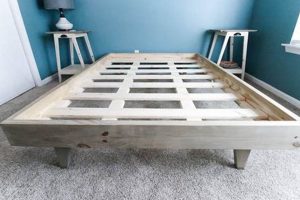
The ability to modify the bed frame’s dimensions and layout constitutes a primary aspect of design customization. Adapting the frame to accommodate specific mattress sizes (twin, full, queen, king) is essential for optimal comfort and support. Configuration adaptations may include incorporating headboards, footboards, or side rails constructed from repurposed platform components or supplementary materials. Examples include constructing a low-profile platform for minimalist aesthetics or elevating the frame to incorporate under-bed storage. Failure to adapt the size and configuration can result in an ill-fitting mattress or a design that clashes with the existing room decor.
- Storage Integration
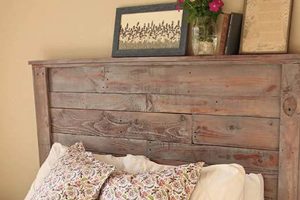
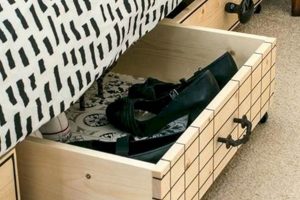
Design customization facilitates the incorporation of integrated storage solutions within the bed frame structure. Utilizing the spaces between and beneath platforms, drawers, shelves, or concealed compartments can be added to maximize storage capacity within the bedroom. Real-world examples include integrating sliding drawers beneath the platform for clothing or linens, or creating headboard shelving for books and personal items. Lack of integrated storage can lead to clutter and inefficient space utilization, particularly in smaller living spaces.
- Aesthetic Modification
Aesthetic modification involves altering the surface appearance and visual characteristics of the shipping platforms to align with individual stylistic preferences. Techniques such as staining, painting, distressing, or applying decorative finishes can transform the raw, utilitarian appearance of the platforms into a cohesive design element. Examples include applying a dark stain for a rustic aesthetic, painting the platforms in vibrant colors for a contemporary look, or using reclaimed wood finishes for a vintage appeal. Neglecting aesthetic modification can result in a bed frame that appears unfinished or clashes with the overall room decor.
- Functional Enhancement
Design customization extends to the addition of functional enhancements that improve the usability and comfort of the bed frame. Incorporating features such as integrated lighting, USB charging ports, or adjustable headrests can enhance the sleeping experience and cater to individual needs. Examples include adding LED strip lighting under the platform for ambient illumination or installing USB ports within the headboard for convenient device charging. Lack of functional enhancements can limit the bed frame’s utility and reduce overall user satisfaction.
These facets of design customization collectively demonstrate the potential for transforming standardized shipping platforms into personalized and functional bed frames. Through careful consideration of size, storage, aesthetics, and functionality, individuals can create a unique and tailored sleeping environment that meets their specific requirements and preferences. The ability to customize the design is a central benefit of constructing a bed frame from repurposed materials, allowing for greater control over the final product compared to purchasing pre-fabricated furniture.
5. Safety Assurance
The construction of a bed frame from reclaimed shipping platforms necessitates rigorous safety assurance protocols. The inherent nature of repurposed materials presents potential hazards that demand careful mitigation. Ignoring these risks can lead to structural failure, injury, or exposure to harmful substances. The implementation of comprehensive safety measures is, therefore, not merely advisable but fundamentally essential for ensuring the well-being of the bed’s occupants. For example, improperly secured platforms can collapse under weight, resulting in physical harm.
Safety assurance in such a project involves several key phases. First, material sourcing requires selecting platforms that are heat-treated rather than chemically treated to minimize exposure to toxins. Thorough inspection for structural integrity is crucial; platforms with cracks, rot, or signs of pest infestation should be rejected. During construction, proper techniques for cutting, sanding, and fastening are paramount to prevent injury. Finally, applying non-toxic sealants protects against splinters and potential chemical leaching. The absence of these measures creates a heightened risk environment.
In conclusion, safety assurance is inextricably linked to the successful and responsible creation of a bed frame from reclaimed shipping platforms. By prioritizing material selection, structural integrity, and protective finishing, potential hazards can be effectively minimized, resulting in a sleeping environment that is both aesthetically pleasing and demonstrably safe. Failing to integrate these safety protocols represents a compromise of both the project’s integrity and the well-being of its users.
Frequently Asked Questions
The following section addresses commonly encountered inquiries regarding the construction and use of bed frames from reclaimed shipping platforms. These answers are intended to provide clarity and guidance based on established best practices.
Question 1: Are all reclaimed shipping platforms suitable for bed frame construction?
No. Platforms marked with “MB” indicate methyl bromide fumigation and are unsuitable due to toxicity. Prioritize platforms stamped “HT” for heat treatment.
Question 2: How can structural stability be ensured for a shipping platform bed frame?
Reinforce joints with metal brackets and construction-grade adhesives. Distribute weight evenly and consider adding central support beams for larger bed sizes.
Question 3: What surface treatments are necessary for reclaimed shipping platforms used indoors?
Sanding to remove splinters is crucial, followed by cleaning and sealing with a low-VOC sealant to prevent moisture absorption and enhance durability.
Question 4: How can the risk of pest infestation be minimized in a shipping platform bed frame?
Select heat-treated platforms, thoroughly inspect for signs of infestation before use, and consider applying a natural insecticide to the wood.
Question 5: Is it possible to customize the design of a shipping platform bed frame?
Yes. Platforms can be cut to size, stacked to adjust height, and integrated with storage solutions such as drawers or shelves.
Question 6: What are the weight limitations for a bed frame constructed from reclaimed shipping platforms?
Weight capacity depends on platform quality and reinforcement. Consult platform specifications and err on the side of caution. Additional supports should be implemented for heavier loads.
These FAQs underscore the necessity of informed decision-making when repurposing shipping platforms for furniture construction. Safety, material selection, and structural considerations are crucial for creating a durable and functional bed frame.
The subsequent section provides a comparative analysis of the advantages and disadvantages of this type of bed frame construction.
Conclusion
The preceding analysis has detailed the multifaceted considerations inherent in the construction of a diy pallet platform bed. From material selection and structural integrity to surface treatment, design customization, and safety assurance, the process requires diligent planning and execution. The responsible repurposing of shipping platforms as a bed frame demands adherence to established safety protocols and a thorough understanding of material properties. The project is not without its challenges, necessitating informed decision-making to mitigate potential risks.
Ultimately, the construction of a bed frame from reclaimed shipping platforms represents a commitment to sustainable practices and resourcefulness. The value derived from this endeavor is contingent upon the application of knowledge and the unwavering prioritization of safety. Future innovations in sustainable furniture design may build upon these principles, further refining the process and enhancing the safety and efficiency of repurposed materials in home furnishings.