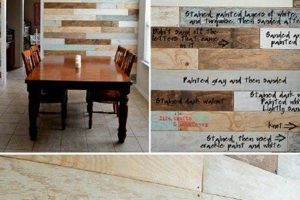
The practice of creating and installing decorative or functional coverings for vertical interior surfaces through individual effort is a prevalent home improvement activity. For instance, a homeowner might construct a wainscoting design from lumber and adhere it to a room’s lower walls to enhance aesthetic appeal.
Engaging in such projects offers several advantages, including potential cost savings compared to professional installation and the satisfaction of personalized craftsmanship. Historically, this type of endeavor has been driven by both economic necessity and a desire for self-expression in domestic spaces, resulting in a wide array of styles and techniques.
The subsequent discussion will examine various material options, installation methodologies, and design considerations relevant to achieving successful outcomes in this realm of interior design enhancement.
Essential Considerations for Surface Covering Projects
Effective execution of individual wall covering endeavors necessitates careful planning and attention to detail. Adherence to the following guidelines can significantly improve project outcomes.
Tip 1: Material Selection is Paramount: The choice of material directly influences both the aesthetic and functional properties of the finished installation. Consider factors such as durability, moisture resistance, and ease of workability when selecting appropriate materials. For example, medium-density fiberboard (MDF) offers a smooth painting surface but is susceptible to moisture damage, while solid wood provides durability but may be more challenging to cut and shape.
Tip 2: Precise Measurement is Crucial: Accurate measurements are essential to minimize material waste and ensure proper fit. Measure wall dimensions multiple times and account for irregularities such as out-of-square corners or uneven surfaces. A laser level can be invaluable for establishing level lines and ensuring consistent alignment.
Tip 3: Proper Surface Preparation is Necessary: The substrate surface must be clean, dry, and free of loose debris to ensure adequate adhesion. Repair any cracks or holes and prime the surface to promote bonding and prevent paint absorption. Failure to adequately prepare the surface can result in peeling, bubbling, or other adhesion failures.
Tip 4: Utilize Appropriate Fasteners: The selection of appropriate fasteners, such as nails, screws, or adhesives, is critical for securing the panels to the wall. Consider the weight of the materials and the nature of the substrate when choosing fasteners. For heavier panels, mechanical fasteners are generally preferred over adhesives alone.
Tip 5: Ensure Accurate Cuts and Joints: Precise cuts and well-executed joints are essential for a professional-looking finish. Employ a sharp saw blade and appropriate cutting techniques to minimize splintering and ensure tight seams. Consider using a miter saw for accurate angled cuts.
Tip 6: Prioritize Safety Measures: When performing these projects, safety precautions are indispensable. Employ safety glasses, dust masks, and hearing protection to mitigate potential hazards. Use caution when operating power tools and adhere to manufacturer’s instructions.
Tip 7: Consider Expansion and Contraction: Natural materials, such as wood, expand and contract with changes in temperature and humidity. Allow for slight expansion gaps during installation to prevent buckling or cracking. Proper acclimation of the materials to the installation environment is also recommended.
Implementation of these techniques allows for the realization of visually appealing and enduring wall enhancements, affording substantial control over the aesthetic characteristics of interior spaces.
The following sections will delve into specific design considerations to optimize the visual impact of this form of interior modification.
1. Material Selection
The selection of materials is a foundational aspect that directly determines the aesthetic, functional, and economic viability of interior surface covering projects. Informed decisions regarding material choices are paramount for achieving desired outcomes in these endeavors.
- Aesthetics and Style
Material choice dictates the inherent visual character of the finished surface. Solid wood imparts warmth and natural texture, while synthetic materials such as PVC offer modern, clean lines. Reclaimed wood brings a rustic, vintage aesthetic. For instance, installing oak planks creates a traditional, upscale ambiance, whereas using textured PVC sheets can achieve a contemporary, minimalist look. The chosen material must align with the overall design theme of the space.
- Durability and Longevity
Different materials exhibit varying degrees of resistance to wear, moisture, and impact. Solid hardwoods, such as maple or walnut, are highly durable and resistant to denting, making them suitable for high-traffic areas. Moisture-resistant materials, such as PVC or treated wood, are essential for bathrooms and kitchens to prevent warping or rot. The expected lifespan of the installation should be a primary consideration when selecting materials.
- Cost and Budget
Material costs vary significantly, impacting the overall project budget. Solid hardwoods typically represent a higher investment compared to engineered wood products or synthetic materials. Consider the cost of not only the material itself but also the associated installation costs, such as specialized tools or adhesives. A balanced approach that considers both upfront costs and long-term value is crucial.
- Workability and Ease of Installation
The ease with which a material can be cut, shaped, and installed influences the complexity and time required for the project. Softwoods, such as pine, are relatively easy to work with, but may be less durable than hardwoods. Engineered wood products, such as MDF, provide a smooth, consistent surface for painting but may be susceptible to moisture damage. The level of skill and available tools should be considered when selecting a material based on its workability.
Ultimately, careful consideration of these facets ensures that the material selection aligns with the intended aesthetic, functional requirements, budgetary constraints, and the skills of the individual undertaking the surface covering project. The result is a visually appealing, durable, and cost-effective interior enhancement.
2. Accurate Measurements
Accurate measurements are a non-negotiable prerequisite for successful surface covering implementations. The precision with which dimensions are ascertained and subsequently translated into material cuts and placement directly affects the finished product’s aesthetic appeal, structural integrity, and overall longevity.
- Minimization of Material Waste
Precise dimensions minimize material waste. Inaccurate calculations lead to over- or under-estimation of required materials, resulting in costly surplus or the need for additional purchases. For instance, failing to account for door and window openings can lead to unnecessary expenditure on materials that will be cut away. Accurate calculations ensure efficient resource utilization.
- Seamless Integration and Alignment
Precise measurements are crucial for achieving seamless integration of individual panels. Miscalculations can result in visible gaps, misaligned joints, and an unprofessional appearance. When installing panels around corners or architectural features, accurate measurements ensure that the components fit snugly and create a visually cohesive surface. This precision is essential for achieving a high-quality finish.
- Structural Stability and Support
Accurate measurements contribute to structural stability, particularly when dealing with interlocking or load-bearing designs. Inaccurate cuts or misaligned joints can compromise the structural integrity of the installation, potentially leading to sagging, warping, or even collapse. For example, if baseboards are not accurately measured and cut to fit flush against the panels, it can cause uneven weight distribution, compromising the structural stability of the lower part of the wall.
- Cost Efficiency and Time Savings
Precise measurements result in cost efficiency by reducing material waste and preventing errors that require rework. Inaccurate measurements can lead to wasted time and resources spent on correcting mistakes, such as re-cutting panels or disassembling and reassembling sections. By investing time in accurate measurements upfront, one can save both time and money in the long run, and produce a better outcome.
The implementation of accurate measurement techniques is therefore not merely a procedural step but rather a critical investment that safeguards the quality, longevity, and overall success of this form of interior improvement. The correlation between dimensional precision and project success is undeniable, underscoring the importance of meticulous attention to detail in all phases of the planning and execution.
3. Secure Installation
Secure installation is paramount to the success and longevity of any surface covering project. It directly impacts the visual appeal, structural integrity, and safety of the implemented system. Neglecting proper securement techniques can lead to a cascade of adverse effects, undermining the initial investment and potentially creating hazardous conditions. Consider, for example, improperly affixed panels in a high-traffic area; these may become dislodged, posing a tripping hazard. Furthermore, insecure panels are more susceptible to damage, reducing their lifespan and necessitating premature replacement. The selection of appropriate fastening methods, the correct application of adhesives, and adherence to manufacturer guidelines constitute integral components of a reliable and secure installation process.
Proper execution also extends to considering the underlying substrate. A weak or compromised substrate necessitates reinforcement or repair prior to panel installation. Ignoring this foundational aspect can result in inadequate adhesion and eventual failure. For example, applying panels to a crumbling plaster wall without proper reinforcement will inevitably lead to the panels detaching as the plaster continues to deteriorate. This underscores the importance of a thorough assessment of the existing surface and the implementation of corrective measures to ensure a robust and lasting bond.
In conclusion, secure installation is not merely a procedural step but rather a critical determinant of the overall outcome. Careful attention to detail, appropriate material selection, and a thorough understanding of the substrate are essential elements in ensuring a safe, aesthetically pleasing, and durable wall panel installation. The long-term benefits of prioritizing secure installation far outweigh the potential risks and costs associated with neglecting this crucial aspect of interior design enhancement.
4. Joint Treatment
Joint treatment is a crucial component in surface covering projects, directly influencing the aesthetic quality and long-term structural integrity of the installation. The absence of proper joint treatment manifests as visible seams, detracting from the intended seamless appearance. In humid environments, untreated joints become vulnerable entry points for moisture, potentially leading to panel warping, mold growth, and eventual material degradation. Consider, for example, an installation utilizing tongue-and-groove panels; while the interlocking design provides initial alignment, neglecting to properly fill and sand the joints results in noticeable lines and a less refined overall finish. The effectiveness of joint treatment is thus a direct determinant of the finished product’s visual appeal and durability.
Specific techniques employed for joint treatment vary depending on the chosen material and desired aesthetic. For paint-grade installations, spackling compound or joint compound is typically applied to fill gaps, followed by sanding to create a smooth, even surface. For wood installations, wood filler or epoxy resins may be used to match the grain and color of the surrounding material. In some cases, a flexible caulk is used to create an expansion joint, accommodating movement due to temperature and humidity fluctuations. A practical application of this understanding is observed in professional installations, where meticulous joint treatment techniques contribute significantly to the perceived value and quality of the finished space. Improper joint treatment in otherwise well-executed projects will always detract significantly from the final effect, creating a low-quality feel.
The challenges associated with joint treatment often involve achieving a perfectly smooth and invisible seam, particularly when working with materials that exhibit variations in texture or color. Careful sanding, precise color matching, and the use of specialized tools are essential for overcoming these challenges. In summary, joint treatment is not merely a cosmetic step but a fundamental aspect of realizing a visually appealing, structurally sound, and durable surface covering installation. Its proper execution directly correlates with the project’s long-term success and overall impact.
5. Design Cohesion
Design cohesion, in the context of individual surface covering projects, refers to the unified and harmonious integration of various design elements to create a visually consistent and aesthetically pleasing interior space. It is the principle that ensures the newly installed covering does not appear as an isolated element, but rather as an integral component of the overall design scheme.
- Color Palette Integration
The color palette employed in the paneling should seamlessly integrate with the existing color scheme of the room. Mismatched colors can disrupt the visual harmony and create a disjointed appearance. For instance, if a room is predominantly decorated in cool tones, selecting coverings with warm hues may introduce unwanted contrast. Conversely, a cohesive color palette creates a sense of unity and visual flow throughout the space.
- Style and Architectural Compatibility
The style of the coverings must be compatible with the architectural style and existing dcor of the room. Installing modern, minimalist coverings in a room with traditional or Victorian architectural elements can create a jarring effect. Conversely, selecting coverings that complement the existing style enhances the room’s character and reinforces the overall design intent. Consider the lines and details of the paneling in relation to the existing trim and moldings.
- Scale and Proportion Considerations
The scale and proportion of the paneling must be appropriate for the size of the room. Overly large or ornate coverings can overwhelm a small space, while undersized or simplistic coverings may appear insignificant in a large room. Carefully consider the dimensions of the coverings in relation to the wall height and width to ensure a balanced and harmonious appearance.
- Material Consistency and Texture
The materials and textures used in the coverings should be consistent with the existing materials and textures in the room. Combining dissimilar materials or textures can disrupt the visual harmony and create a sense of disunity. For example, pairing a smooth, glossy covering with rough, textured walls may create an undesirable contrast. The careful selection of materials and textures that complement each other enhances the overall design cohesion.
These elements of design cohesion serve as critical guidelines for those undertaking individual surface covering projects. By attending to color palette integration, architectural compatibility, scale, and material consistency, the completed installation will appear as a thoughtfully integrated element rather than a disparate addition, contributing positively to the overall aesthetic of the interior space.
Frequently Asked Questions About Surface Covering Projects
The following section addresses common inquiries regarding surface covering, providing concise and informative answers to assist in project planning and execution.
Question 1: What are the key considerations when selecting materials for a covering project?
Material selection hinges on aesthetic preferences, budget constraints, durability requirements, and ease of installation. Solid wood offers durability and a classic aesthetic but carries a higher cost. Medium-density fiberboard (MDF) provides a smooth, paintable surface at a lower price point but is susceptible to moisture damage. Vinyl offers moisture resistance and affordability but may lack the aesthetic appeal of natural materials.
Question 2: How is accurate measurement critical to a successful outcome?
Precise measurements minimize material waste, ensure proper fit, and prevent costly errors. Accurate dimensions are essential for seamless integration, particularly around corners and architectural features. Utilizing a laser level and double-checking measurements are recommended practices.
Question 3: What constitutes a secure installation process?
Secure installation involves selecting appropriate fasteners, preparing the substrate surface, and adhering to manufacturer guidelines. Mechanical fasteners, such as screws, provide greater holding power than adhesives alone. Ensuring the substrate is clean, dry, and structurally sound is paramount.
Question 4: Why is proper joint treatment essential?
Effective joint treatment conceals seams, prevents moisture intrusion, and enhances the overall aesthetic. Techniques vary depending on the material, ranging from filling and sanding to applying flexible caulk. Untreated joints detract from the finished product and can compromise structural integrity.
Question 5: How can design cohesion be achieved in these projects?
Design cohesion is achieved through consistent application of elements such as color palettes that align with the broader design, compatible architectural styles, appropriate scale and proportion of the covering relative to the room dimensions, and materials. Such design must work in concert rather than clash.
Question 6: What safety precautions should be observed during the installation process?
Safety precautions include wearing safety glasses, dust masks, and hearing protection when operating power tools. Ensuring adequate ventilation and following manufacturer instructions for adhesives and finishes are also crucial. Prioritizing safety minimizes the risk of injury and promotes a successful project outcome.
These FAQs provide a foundation for understanding the critical aspects of surface covering projects. Careful consideration of these points will contribute to a more successful and satisfying outcome.
The subsequent section will explore advanced techniques.
Conclusion
The preceding discussion explored various facets of the practice of improving interior spaces by way of surface covering, encompassing material selection, dimensional accuracy, installation methodologies, joint treatments, and principles of design cohesion. Successful implementations require careful planning and execution of each of these elements.
The information provided underscores the importance of informed decision-making and meticulous craftsmanship in achieving enduring and aesthetically pleasing results. Careful consideration of the aforementioned aspects can result in significant enhancements to interior environments.