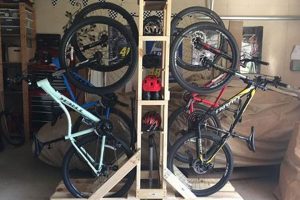
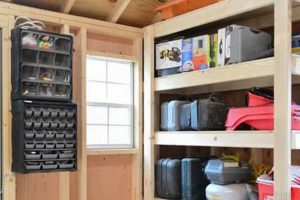
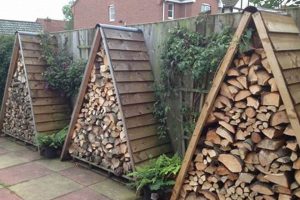
The construction of receptacles designed to conceal and protect waste containers, utilizing readily available materials and individual craftsmanship, allows for customized refuse management solutions. Examples range from simple wooden enclosures to elaborate structures incorporating landscaping elements.
Implementing such projects enhances property aesthetics by eliminating unsightly trash cans from view. Furthermore, these structures can deter pests, prevent tipping in windy conditions, and potentially extend the lifespan of the containers themselves. The practice reflects a broader movement towards resourcefulness and personalized home improvement.
Subsequent sections will detail various design considerations, material options, and step-by-step instructions for building functional and visually appealing units. These guidelines aim to provide practical knowledge for creating personalized storage solutions tailored to specific needs and environmental conditions.
Construction and Maintenance Guidelines
The following guidelines provide crucial insights for ensuring durability and functionality.
Tip 1: Site Assessment: Prior to commencing construction, a comprehensive evaluation of the intended location is paramount. Factors to consider include proximity to the house, accessibility for waste disposal services, and ground conditions to prevent settling or instability.
Tip 2: Material Selection: The choice of materials significantly impacts the structure’s longevity and resistance to environmental elements. Pressure-treated lumber, weather-resistant composite materials, or sealed metal components are recommended to mitigate rot, insect infestation, and corrosion.
Tip 3: Ventilation Implementation: Adequate ventilation within the enclosure is essential to minimize moisture accumulation and odor retention. Incorporate strategically placed vents or gaps to promote airflow without compromising structural integrity.
Tip 4: Secure Closure Mechanisms: Implementing robust latching or locking systems prevents unauthorized access by animals and safeguards against wind-induced displacement. Heavy-duty hinges and secure fasteners are necessary components.
Tip 5: Base Construction: A solid, level base prevents the structure from sinking into the ground over time. Concrete pads, gravel beds, or elevated platforms offer stable foundations and prevent direct contact with soil moisture.
Tip 6: Regular Cleaning Protocols: Periodic cleaning of both the interior and exterior surfaces helps prevent the buildup of debris, mold, and odors. A mild detergent and pressure washer (used cautiously) are effective cleaning agents.
Tip 7: Protective Finishes: Applying a weather-resistant sealant, paint, or stain provides an additional layer of protection against the elements. Regular reapplication extends the lifespan of the structure and maintains its aesthetic appeal.
Tip 8: Compliance with Local Ordinances: Prior to undertaking construction, it is imperative to consult local building codes and homeowner association regulations to ensure adherence to permitted dimensions, material restrictions, and setback requirements.
Adherence to these guidelines enhances the overall functionality, longevity, and aesthetic integration of the storage unit within the existing landscape.
The subsequent conclusion will summarize the key considerations discussed and emphasize the long-term benefits of thoughtfully executed projects.
1. Dimensions
Spatial considerations represent a foundational element in the design and construction of enclosures. Accurate dimensional planning directly impacts functionality, aesthetic integration, and overall utility.
- Internal Capacity
Internal dimensions must accommodate the intended number and size of refuse containers. Insufficient space hinders ease of use, while excessive space represents inefficient use of materials. Precise measurements of the containers are essential prior to commencing construction to ensure a snug, yet functional, fit.
- External Footprint
The external footprint dictates the structure’s spatial impact on the surrounding environment. Careful consideration of available space, pathway clearances, and potential obstructions is crucial. Structures that are disproportionately large for the available space create visual clutter and impede accessibility.
- Doorway Aperture
The size of the doorway aperture directly influences the ease of inserting and removing waste containers. Insufficient doorway height or width necessitates awkward maneuvering, increasing the risk of spills and injuries. Adequate clearance is paramount for ergonomic functionality.
- Height Considerations
The overall height of the enclosure impacts visual integration with the surrounding landscape and may be subject to local ordinances. Excessive height can create an imposing visual barrier, while insufficient height compromises security and protection from the elements. Height should be proportionate to the surrounding structures and vegetation.
The interplay of internal capacity, external footprint, doorway aperture, and overall height necessitates a balanced approach to dimensional planning. Careful consideration of these factors ensures a functional, aesthetically pleasing, and code-compliant solution. Accurate dimensional specifications are indispensable for successful execution.
2. Materials
Material selection exerts a profound influence on the performance and longevity of refuse container enclosures. The choice of material directly impacts structural integrity, resistance to environmental degradation, and overall aesthetic appeal. Inferior materials lead to premature failure, necessitating costly repairs or replacements. Conversely, the utilization of appropriate materials ensures a durable and visually cohesive solution.
For instance, pressure-treated lumber provides inherent resistance to rot and insect infestation, extending the lifespan of wooden structures in moisture-prone environments. Alternatively, composite decking materials offer exceptional weather resistance and minimal maintenance requirements, albeit at a potentially higher initial cost. Metal components, such as galvanized steel or aluminum, provide superior structural strength and resistance to corrosion, particularly in coastal regions. Concrete blocks offer robust durability and stability, but require careful planning and installation.
The selection process must consider local climate conditions, budget constraints, and aesthetic preferences. Proper material selection is not merely a cost-saving measure; it represents a strategic investment in the long-term functionality and visual integration of the structure within its surrounding environment. A well-informed decision ensures a resilient and aesthetically pleasing enclosure, capable of withstanding environmental stresses and maintaining its structural integrity for years to come.
3. Accessibility
Ease of interaction with refuse container enclosures constitutes a critical design parameter, directly influencing user experience and functional efficiency. Thoughtful consideration of accessibility principles mitigates physical strain, minimizes delays in waste disposal, and promotes user safety.
- Doorway Clearance and Opening Mechanisms
Adequate doorway clearance, both horizontally and vertically, is essential for unimpeded maneuvering of refuse containers. The selection of appropriate opening mechanisms, such as hinged doors, sliding panels, or lift-off lids, significantly affects ease of access. Hinged doors should offer sufficient swing radius, while sliding panels require smooth, unobstructed tracks. Lift-off lids necessitate manageable weight and secure gripping points to prevent strain during removal and replacement.
- Pathways and Approach Surfaces
The surfaces leading to the enclosure must provide stable and level footing, particularly during inclement weather. Uneven terrain, loose gravel, or steep inclines impede access and increase the risk of slips and falls. The incorporation of paved pathways or graded surfaces ensures safe and convenient approach, especially for individuals with mobility limitations.
- Container Handling Considerations
The design should accommodate the physical demands of handling refuse containers, accounting for factors such as weight, shape, and grip points. Enclosures positioned at an appropriate height minimize the need for excessive bending or lifting. Internal ramps or rollers facilitate the movement of heavy containers, reducing physical exertion and minimizing the risk of back injuries.
- Latch and Locking Mechanisms
Latches and locking mechanisms must be easily operable, even with gloved hands or limited dexterity. Complex or cumbersome latches create frustration and discourage proper closure. The incorporation of user-friendly latches, such as magnetic closures or lever-action handles, enhances accessibility and promotes consistent use.
Effective implementation of these accessibility principles transforms the storage unit from a mere enclosure into a user-centered design element. By prioritizing ease of use and minimizing physical strain, such designs contribute to a more efficient and safer waste management process.
4. Ventilation
Adequate ventilation within refuse container enclosures represents a critical factor in mitigating odor accumulation, preventing mold and mildew growth, and managing potential safety hazards. Insufficient airflow fosters anaerobic decomposition, resulting in the release of noxious gases and the proliferation of undesirable microorganisms. Enclosures, by their nature, restrict natural air circulation, thereby exacerbating these issues. The absence of proper venting can transform the storage unit into a breeding ground for bacteria and fungi, creating unsanitary conditions and potentially attracting pests.
The integration of ventilation systems, ranging from simple screened openings to more elaborate forced-air systems, directly addresses these challenges. Strategically placed vents near the top and bottom of the enclosure promote convective airflow, facilitating the removal of stagnant air and the introduction of fresh air. Larger enclosures may benefit from multiple vents or the incorporation of a small fan to actively circulate air. In practice, enclosures lacking adequate ventilation often exhibit persistent unpleasant odors, visible mold growth on interior surfaces, and accelerated degradation of structural materials. Conversely, properly ventilated units maintain a cleaner, fresher environment, reducing the need for frequent cleaning and disinfection. Proper ventilation also helps to prevent the build-up of flammable gases, which is especially important if the cans are used to store materials such as oily rags.
Ultimately, integrating ventilation into refuse container enclosures represents a practical and cost-effective strategy for promoting hygiene, extending the lifespan of the structure, and minimizing environmental impact. The inclusion of vents is not merely an aesthetic consideration; it is a functional imperative for ensuring the safe and sanitary storage of waste materials. Addressing the challenges of inadequate airflow is fundamental to the design and construction of effective and responsible refuse management systems.
5. Aesthetics
Visual integration constitutes a key design consideration in the creation of custom refuse container enclosures. The aesthetic properties of the structure directly impact the overall perception of the property and contribute to the cohesiveness of the landscape. Neglecting aesthetic considerations results in a visually discordant element that detracts from the property’s curb appeal.
- Material and Color Palette Harmonization
The selection of materials and colors should complement existing architectural elements and landscape features. Utilizing materials that echo the textures and hues of the house or surrounding vegetation creates a sense of visual unity. For example, a wooden enclosure stained to match the siding of a house will blend seamlessly into the environment. Conversely, stark contrasts can be employed intentionally to create a focal point, but this approach requires careful planning to avoid visual dissonance. The objective is to ensure that the enclosure does not appear as an afterthought, but rather as an integral part of the overall design.
- Architectural Style Compatibility
The design of the enclosure should reflect the architectural style of the primary residence. A modern house benefits from a minimalist enclosure with clean lines and geometric shapes, while a traditional house may call for a more ornate design with decorative trim and textured surfaces. The use of architectural details, such as replicating window frames or incorporating similar rooflines, can further enhance the visual harmony. An incongruous design disrupts the stylistic flow and diminishes the property’s aesthetic appeal.
- Landscaping Integration
Incorporating landscaping elements around the enclosure helps to soften its visual impact and blend it into the surrounding environment. Planting shrubs, vines, or flowers around the base of the structure can create a natural screen and disguise its utilitarian purpose. The selection of plants should consider factors such as sunlight exposure, soil conditions, and maintenance requirements to ensure long-term viability. Integrating the enclosure into the existing landscape demonstrates a commitment to creating a cohesive and visually pleasing outdoor space.
- Scale and Proportion Appropriateness
The scale and proportion of the enclosure must be appropriate for its location and function. An excessively large enclosure can overwhelm the surrounding area, while an undersized enclosure may appear insignificant and inadequate. The dimensions of the structure should be carefully considered in relation to the size of the refuse containers it houses, as well as the overall scale of the property. A well-proportioned enclosure strikes a balance between functionality and visual impact, ensuring that it serves its purpose without detracting from the aesthetic qualities of the surrounding landscape.
Aesthetic considerations, therefore, represent an integral aspect of thoughtful enclosure design, demanding a holistic approach that harmonizes materials, styles, landscaping, and scale. By carefully integrating these elements, one elevates the structure from a mere functional necessity to a contributing component of the property’s overall aesthetic value.
6. Durability
The inherent connection between durability and self-constructed refuse container enclosures is undeniable. The longevity and efficacy of storage solutions are directly proportional to the materials used, construction techniques employed, and environmental factors considered during planning and execution. Premature failure of these structures due to inadequate durability translates to wasted resources, increased maintenance demands, and the re-emergence of the initial problem: exposed waste containers. For instance, an enclosure built using untreated lumber in a humid climate will succumb to rot and insect infestation within a short timeframe, necessitating costly repairs or complete replacement. Similarly, a structure lacking a solid foundation will be susceptible to settling, leading to structural instability and functional impairment.
The selection of weather-resistant materials constitutes a primary determinant of structural integrity and longevity. Pressure-treated lumber, composite decking, and galvanized steel offer enhanced resistance to environmental stressors, extending the lifespan of the enclosure and minimizing maintenance requirements. Moreover, robust construction techniques, such as proper joinery, secure fastening, and the application of protective coatings, reinforce the structure’s ability to withstand physical impacts and weathering. A case study involving two similar enclosures, one built with pressure-treated lumber and proper drainage versus one built with untreated lumber and direct ground contact, demonstrated a significant difference in structural integrity after only two years, with the latter exhibiting signs of decay and instability. Furthermore, integrating design elements that facilitate drainage, such as angled surfaces and ventilation, mitigates moisture accumulation and prevents the proliferation of mold and mildew, thereby prolonging the lifespan of the structure.
In summation, prioritizing durability in the design and construction of self-assembled storage units transcends mere cost-effectiveness; it represents a commitment to sustainable practices and responsible resource management. The long-term benefits of utilizing durable materials and employing sound construction techniques far outweigh the initial investment, resulting in a functional, aesthetically pleasing, and environmentally responsible solution for refuse management. Ignoring the principles of durability invites premature failure and negates the intended purpose of the project, underscoring the critical importance of prioritizing longevity in all aspects of the design and construction process.
Frequently Asked Questions
The subsequent questions address common inquiries regarding the design, construction, and maintenance of structures intended to conceal and protect refuse containers.
Question 1: What constitutes the primary justification for constructing a refuse container enclosure?
The principal rationale involves mitigating aesthetic detractions and enhancing property curb appeal. These enclosures serve to conceal unsightly refuse containers, contributing to a more visually harmonious environment.
Question 2: What material considerations are paramount in the design and construction process?
Material selection should prioritize weather resistance, durability, and compatibility with the surrounding landscape. Pressure-treated lumber, composite decking, and galvanized steel are commonly employed due to their inherent resistance to environmental degradation.
Question 3: How does adequate ventilation contribute to the functionality of the structure?
Effective ventilation minimizes odor accumulation, prevents the proliferation of mold and mildew, and reduces the risk of flammable gas build-up, thereby promoting a more sanitary and safer environment.
Question 4: What safety precautions should be observed during the construction phase?
Compliance with local building codes, utilization of appropriate personal protective equipment, and adherence to safe tool handling practices are essential for preventing accidents and ensuring a safe working environment.
Question 5: What strategies can be employed to deter animal intrusion into the enclosure?
The implementation of secure latching mechanisms, the use of solid, impenetrable materials, and the elimination of potential entry points are effective measures for preventing animal access.
Question 6: How frequently should refuse container enclosures undergo maintenance procedures?
Regular cleaning, inspection for structural damage, and reapplication of protective coatings are recommended at least annually to maintain structural integrity and prolong the lifespan of the enclosure.
In summary, constructing a well-designed and properly maintained structure offers significant aesthetic, functional, and environmental benefits. Diligent planning and execution are paramount for achieving a successful outcome.
The concluding section will provide a comprehensive summary of key considerations and emphasize the long-term advantages of a well-executed storage unit construction.
Conclusion
The preceding exploration of “diy garbage can storage” has illuminated the multifaceted considerations involved in creating effective and aesthetically pleasing solutions for refuse management. Key aspects encompass meticulous dimensional planning, judicious material selection, accessibility optimization, ventilation implementation, aesthetic integration, and long-term durability. Each element contributes significantly to the overall functionality and sustainability of the constructed enclosure.
The creation of durable, functional, and visually integrated garbage can storage transcends mere aesthetic improvement; it represents a tangible commitment to responsible waste management and property value enhancement. Neglecting these considerations invites functional shortcomings and aesthetic disharmony. Therefore, a deliberate and informed approach is paramount for achieving lasting success. Such endeavors, when executed with precision and foresight, yield significant returns in both practical utility and enhanced property value.