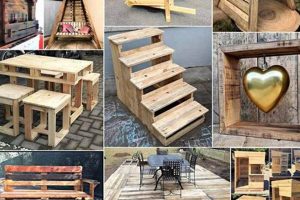
Constructing a border for cultivated spaces using timber materials and personal labor represents a popular landscaping approach. This method typically involves sourcing lumber, cutting it to the desired dimensions, and installing it along the perimeter of a garden bed to define its boundaries. Examples include using reclaimed pallet wood to create a rustic barrier or employing cedar planks for a more formal and durable enclosure.
This practice offers several advantages, including cost-effectiveness compared to professionally installed solutions, design flexibility to match individual aesthetic preferences, and the opportunity to repurpose salvaged materials. Historically, rudimentary forms of garden borders have been used to delineate growing areas, protect plants, and add visual appeal to landscapes. Contemporary applications emphasize sustainability and personalization.
The following sections will explore various techniques for achieving effective and attractive timber-based garden borders. Topics to be addressed include material selection, construction methods, installation considerations, and maintenance practices.
Construction Guidance
This section outlines critical considerations for achieving a durable and aesthetically pleasing garden border using timber. Careful planning and execution are essential for optimal results.
Tip 1: Material Selection: Choose rot-resistant wood species, such as cedar, redwood, or treated lumber. The selected material should withstand prolonged exposure to moisture and soil contact. Proper treatment extends the lifespan of less durable wood types.
Tip 2: Precise Measurement and Cutting: Accurate measurements of the garden perimeter are crucial. Ensure precise cuts to minimize gaps and create a clean, uniform appearance. Use a miter saw for accurate angle cuts at corners.
Tip 3: Proper Soil Preparation: Level the ground along the garden edge before installation. This ensures consistent height and stability of the border. Remove any rocks or debris that may impede the installation process.
Tip 4: Secure Anchoring: Use stakes or rebar to anchor the timber securely in the ground. Drive the stakes deep enough to resist shifting due to soil movement or frost heave. Spacing between stakes should be determined by the wood’s thickness and the soil’s composition.
Tip 5: Utilize Landscape Fabric: Install landscape fabric behind the wood to prevent soil erosion and weed growth. This reduces maintenance and preserves the structural integrity of the timber.
Tip 6: Implement Drainage Considerations: Ensure adequate drainage behind the border to prevent water accumulation, which can accelerate wood rot. Consider adding gravel or drainage holes if the soil retains excessive moisture.
Tip 7: Consistent Treatment: Apply a sealant or stain to the wood to protect it from weather damage and enhance its appearance. Reapply the treatment regularly to maintain protection.
Adhering to these guidelines ensures a long-lasting and attractive garden border. The investment in careful planning and execution contributes significantly to the overall success of the project.
The following section will offer guidance on design considerations and stylistic choices to tailor your garden border to your specific needs and preferences.
1. Material Durability

Material durability is a central factor in determining the longevity and overall success of do-it-yourself timber garden borders. The selected materials must withstand constant exposure to moisture, soil organisms, and fluctuating temperatures, all of which can contribute to degradation over time. Prioritizing durable materials minimizes the need for frequent repairs and replacements.
- Resistance to Decay
The susceptibility of wood to rot and insect infestation is a primary concern. Untreated wood decomposes rapidly in contact with soil. Timber species with inherent resistance to decay, such as cedar, redwood, or cypress, are preferred. Pressure-treated lumber also offers enhanced protection through chemical impregnation. Using less resistant materials necessitates protective coatings and increased maintenance.
- Water Absorption and Dimensional Stability
Wood’s ability to absorb water affects its dimensional stability. High moisture absorption leads to swelling and shrinking, which can compromise the structural integrity of the border. Timber with low water absorption, or that is treated to reduce absorption, maintains its shape and reduces the likelihood of warping or cracking. Proper sealing also helps minimize water intrusion.
- Resistance to Physical Damage
The border must withstand physical stresses, such as impacts from gardening tools or pressure from soil movement. Softer wood species are more prone to dents and scratches. Denser, harder woods provide greater resistance to physical damage. The thickness of the lumber also contributes to its overall strength and ability to withstand external forces.
- Environmental Considerations
The environmental impact of the chosen material is another facet of durability. Sustainably sourced timber reduces deforestation. The use of pressure-treated lumber necessitates awareness of the chemicals used in the treatment process and their potential environmental consequences. Untreated, naturally durable wood species offer a more environmentally friendly option.
The integration of durable materials is paramount to the effectiveness of self-constructed timber garden borders. The careful consideration of decay resistance, water absorption, physical strength, and environmental impact contributes to a long-lasting and sustainable landscape feature. The initial investment in durable materials translates to reduced long-term maintenance costs and increased overall value.
2. Structural Integrity

The structural integrity of self-constructed timber garden borders directly influences their longevity, functionality, and aesthetic appeal. The ability of the border to withstand soil pressure, weather conditions, and physical impacts is critical to its performance over time.
- Joint Strength and Stability
The method of joining timber components significantly impacts structural integrity. Weak joints can lead to separation, warping, and eventual failure of the border. Secure fastening methods, such as screws, bolts, or mortise-and-tenon joints, distribute stress effectively and prevent movement. Inadequate joint construction is exemplified by borders assembled with nails alone, which are prone to loosening under pressure. Conversely, borders with reinforced corners and robust fasteners demonstrate superior resistance to deformation.
- Material Thickness and Load Bearing
The thickness of the timber used directly affects its load-bearing capacity. Thinner materials are susceptible to bowing or breaking under the weight of soil or external forces. Conversely, thicker planks or posts provide increased resistance to bending and deflection. For example, a border constructed from thin pallet wood may require additional support to prevent collapse, while a border made from substantial cedar timbers can withstand considerable pressure without deformation.
- Foundation and Anchoring
A stable foundation and secure anchoring are essential for preventing shifting and settling of the border. Improperly installed borders are prone to leaning or displacement due to soil erosion or frost heave. Effective anchoring methods, such as driving stakes or rebar deep into the ground, provide resistance to these forces. For instance, borders placed directly on topsoil without proper anchoring are likely to shift over time, while those anchored with concrete footings remain stable even in unstable soil conditions.
- Drainage and Moisture Management
Excessive moisture accumulation behind the border can compromise its structural integrity by promoting wood rot and weakening the soil. Adequate drainage is crucial for preventing water buildup. Incorporating drainage holes or installing a gravel base behind the border allows water to escape and reduces the risk of damage. Borders lacking proper drainage often exhibit signs of decay near the base, leading to structural failure, while those with effective drainage systems maintain their integrity for an extended period.
The aforementioned facets demonstrate the critical importance of structural considerations in the construction of durable and effective timber garden borders. Attention to joint strength, material thickness, foundation stability, and drainage management contributes significantly to the overall longevity and performance of the landscape feature.
3. Design Aesthetics

The visual appeal of a self-constructed timber border significantly enhances the overall aesthetic of the garden. The selection of materials, construction techniques, and finishing touches contributes to the creation of a cohesive and visually pleasing landscape feature.
- Material Selection and Texture
The choice of wood species, finish, and overall texture plays a crucial role in defining the aesthetic character of the border. Smooth, planed lumber conveys a sense of formality, while rough-sawn timber evokes a rustic ambiance. The natural grain patterns and coloration of different wood species contribute to the visual interest. For instance, cedar exhibits a warm, reddish hue and distinct grain, while pine possesses a lighter, more uniform appearance. Selecting the right material aligns the border’s aesthetic with the overall design intent of the garden.
- Form and Proportion
The shape, height, and width of the border influence its visual impact. Low borders create a subtle demarcation, while taller borders establish a more pronounced boundary. The proportions of the border relative to the size of the garden and surrounding elements contribute to visual harmony. A disproportionately large border can overwhelm a small garden, while an overly delicate border may appear insignificant in a large landscape. Careful consideration of form and proportion ensures the border complements the existing environment.
- Color and Finish
The color and finish applied to the timber can dramatically alter its appearance. Natural finishes accentuate the wood’s inherent beauty, while stains or paints introduce new color palettes. Darker colors create a sense of depth and contrast, while lighter colors brighten the space. The chosen finish should complement the colors of the surrounding plants and structures. For example, a dark stain on a cedar border can create a striking contrast against vibrant green foliage, while a natural oil finish enhances the wood’s natural tones without overpowering the surrounding landscape.
- Integration with Landscape Elements
A successful design integrates the timber border seamlessly with other landscape elements. The border’s style and materials should complement the architectural features of the house, the design of the garden beds, and the surrounding hardscape. Incorporating curves or angles that echo the lines of the landscape creates visual cohesion. For instance, a curved border can soften the edges of a formal garden, while a straight-lined border can reinforce the geometry of a contemporary design. Integrating the border with existing pathways or retaining walls creates a unified and harmonious landscape.
The careful consideration of design aesthetics elevates a functional garden border into a visually appealing landscape feature. By thoughtfully selecting materials, forms, colors, and finishes, and integrating the border seamlessly with the surrounding environment, enhances the overall aesthetic value of the garden and creates a more enjoyable outdoor space.
4. Cost Efficiency

The economic advantage of self-constructing timber garden borders constitutes a significant driver for many homeowners. A primary factor contributing to cost savings resides in circumventing professional installation fees. Engaging a landscaping contractor entails labor expenses, markup on materials, and overhead costs, elements largely eliminated through a do-it-yourself approach. Furthermore, the selection of lower-cost materials, such as reclaimed lumber or locally sourced timber, further reduces the overall expenditure. For instance, utilizing salvaged pallets, often available at no cost, to build a garden border represents a substantial savings compared to purchasing new cedar planks from a lumberyard. The cost-effectiveness of this approach renders it an attractive option for individuals with budget constraints.
Material procurement strategies significantly influence the final cost. Comparing prices from various suppliers, including lumberyards, home improvement stores, and online retailers, can reveal considerable variations. Bulk purchasing, when feasible, often unlocks discounted rates. Exploring alternative materials, such as composite lumber or recycled plastic edging, which may offer comparable durability at a lower price point, warrants consideration. Careful planning minimizes material waste, preventing unnecessary expenditure. Detailed material lists and precise measurements mitigate the risk of over-ordering or purchasing incorrect items, directly impacting overall project costs.
Achieving cost efficiency in timber garden border construction necessitates a balanced approach. While prioritizing affordability remains paramount, sacrificing structural integrity or aesthetic appeal proves counterproductive in the long term. Selecting durable materials, employing sound construction techniques, and providing proper maintenance contribute to the extended lifespan of the border, mitigating future repair or replacement expenses. Understanding the interplay between material costs, labor requirements, and long-term durability facilitates informed decision-making, ultimately maximizing the economic benefits of self-construction. Prioritizing both immediate cost savings and long-term value ensures a fiscally responsible and aesthetically pleasing outcome.
5. Ease of Construction

The feasibility of constructing timber garden borders independently is directly correlated with the simplification of design and assembly processes. Reduced complexity translates into enhanced accessibility for individuals with varying levels of carpentry experience. Factors such as pre-cut lumber availability, modular design principles, and the minimization of specialized tools contribute significantly to the reduction of project difficulty. For example, a straight-edged border constructed from pre-treated planks requires less skill and time compared to a curvilinear design involving intricate joinery and custom cuts. This inherent link between simplification and constructability underscores the appeal of timber borders as a manageable landscaping project for non-professionals.
Simplified construction techniques enhance the practicality and dissemination of self-assembled timber borders. Clear, concise instructions, often accompanied by visual aids, guide individuals through the assembly process. The employment of readily available materials and basic tools, such as saws, drills, and levels, further facilitates accessibility. For example, utilizing pre-fabricated corner brackets eliminates the need for complex miter cuts, thereby streamlining the assembly process. Similarly, step-by-step online tutorials and instructional videos empower individuals to overcome construction challenges and achieve successful outcomes. The widespread availability of these resources promotes broader adoption and mitigates potential barriers to entry.
The understanding that timber borders can be readily constructed fosters widespread adoption of this landscaping feature. However, simplified designs can sometimes compromise aesthetic appeal or structural integrity. Balancing ease of construction with desired aesthetic outcomes and functional requirements presents a critical consideration. While intricate designs may demand advanced skills, simpler designs offer an accessible entry point for novice builders. Prioritizing clear instructions, accessible materials, and simplified construction techniques ensures that individuals can successfully create attractive and functional garden borders, expanding the reach and applicability of this landscaping method.
Frequently Asked Questions
This section addresses common inquiries regarding the construction and maintenance of garden borders made from timber.
Question 1: What timber types exhibit the greatest resistance to rot and decay in direct soil contact?
Cedar, redwood, and pressure-treated lumber are frequently cited for their inherent resistance to decomposition. The presence of natural oils in cedar and redwood, or the chemical impregnation of pressure-treated lumber, inhibits microbial growth.
Question 2: How should the timber be protected if rot-resistant varieties are unavailable or cost-prohibitive?
Applying a preservative sealant or stain to all surfaces of the timber, including the buried portion, provides a protective barrier against moisture and fungal attack. Regular reapplication of the sealant is necessary to maintain protection.
Question 3: What anchoring methods effectively secure a timber border against frost heave or soil erosion?
Driving stakes or rebar through the timber and deep into the underlying soil provides robust anchoring. The depth and spacing of the anchors depend on the soil type and the size of the border.
Question 4: Does the use of landscape fabric behind the timber offer any practical benefits?
Landscape fabric serves as a barrier to prevent soil erosion and impede weed growth, reducing the need for manual weeding and preserving the structural integrity of the border.
Question 5: How can water accumulation behind the timber be minimized to prevent premature decay?
Installing drainage holes through the timber or creating a gravel-filled trench behind the border facilitates water drainage and reduces the risk of moisture-related damage.
Question 6: What are the recommended maintenance practices for extending the lifespan of a timber garden border?
Regularly inspect the border for signs of rot, insect infestation, or structural damage. Reapply sealant or stain as needed, and promptly repair any damage to prevent further deterioration.
Selecting durable materials, employing appropriate anchoring techniques, and adhering to proper maintenance protocols enhance the longevity and functionality of these garden installations.
The following section provides a concise summary of the key aspects of implementing timber-based garden borders.
Conclusion
This exploration of constructing timber-based garden perimeters has encompassed several essential aspects. Material selection, encompassing durability and sustainability, was addressed. Construction techniques, involving structural integrity and ease of implementation, were delineated. Design considerations, focusing on aesthetics and integration within existing landscapes, were examined. These factors, when thoughtfully considered, contribute to the creation of functional and visually appealing garden borders.
The information presented serves as a foundation for informed decision-making regarding landscape design and implementation. Prudent application of these principles promotes responsible resource utilization, enhanced property value, and enduring aesthetic satisfaction. Continued diligence in maintenance and adaptation to environmental conditions ensures the long-term viability of such installations.