The concept involves constructing a bathing enclosure for canines using readily available materials and tools, often tailored to the specific size and needs of the dog. Examples range from modifying existing tubs or sinks to building dedicated structures from items like plastic containers, wood, or repurposed pallets. The primary objective is to provide a secure and manageable space for washing animals at home.
Creating a dedicated washing area for dogs offers several advantages. It reduces strain on owners by eliminating the need to bend or lift the animal into a standard bathtub or shower. Further, it minimizes mess by containing water and fur within a designated space. Historically, specialized canine washing facilities were primarily found in professional grooming settings. However, the increasing accessibility of online resources and DIY culture has popularized the practice among pet owners seeking cost-effective and customized solutions.
The following sections will delve into the specific considerations for planning, designing, and constructing a suitable washing station for canine companions, covering aspects such as material selection, drainage, safety features, and ergonomic design for both the animal and the owner.
DIY Canine Washing Station Construction Tips
Constructing a dedicated canine washing area requires careful planning and execution to ensure both functionality and safety. The following guidelines offer practical advice for creating a durable and effective structure.
Tip 1: Prioritize Material Durability: Select materials resistant to water damage and wear from repeated use. Treated lumber, high-density plastics, or stainless steel are preferable to untreated wood or thin, easily cracked plastics.
Tip 2: Ensure Adequate Drainage: Incorporate a reliable drainage system to prevent water accumulation. A sloping floor leading to a drain connected to the plumbing is ideal. If direct plumbing is not feasible, a removable drain plug and collection basin are necessary.
Tip 3: Implement Safety Measures: Construct the structure with rounded edges and non-slip surfaces to minimize the risk of injury to both the animal and the handler. Consider adding a restraint mechanism, such as a short leash attachment, to prevent the dog from jumping out.
Tip 4: Optimize Ergonomic Design: Design the washing station at a comfortable height to minimize strain on the handler’s back. Consider the size of the dog when determining the height and depth of the enclosure.
Tip 5: Incorporate Ease of Cleaning: Smooth, non-porous surfaces are essential for easy cleaning and disinfection. Avoid crevices or areas where debris can accumulate. Removable components facilitate thorough cleaning.
Tip 6: Plan for Water Temperature Control: Integrate a system for controlling water temperature to ensure the comfort and safety of the animal. A mixing valve or a separate water source with adjustable temperature is crucial.
Tip 7: Consider Storage Solutions: If space allows, incorporate storage for shampoos, towels, and grooming supplies. Built-in shelves or nearby cabinets will keep essential items within easy reach.
Adhering to these guidelines will result in a safe, functional, and durable washing station for canine companions, promoting a more efficient and comfortable grooming experience.
The following section will provide example designs for a DIY canine washing station based on varying space and budget constraints.
1. Material Selection

Material selection is a foundational element in the successful execution of a “dog bath tub diy” project. The chosen materials dictate the durability, longevity, and safety of the structure, directly impacting its functionality and the well-being of the animal.
- Water Resistance and Durability
Materials used must withstand constant exposure to water and cleaning agents without degradation. Examples include treated lumber, high-density polyethylene (HDPE), stainless steel, and fiberglass. The selection of inappropriate materials, such as untreated wood, can lead to rot, mold growth, and eventual structural failure, necessitating costly repairs or replacement.
- Hygiene and Cleanliness
The surface characteristics of the materials influence ease of cleaning and sanitation. Non-porous materials like acrylic or sealed epoxy prevent the absorption of moisture and bacteria, reducing the risk of odors and infection. Porous materials, conversely, require more rigorous cleaning and are inherently less hygienic.
- Safety and Comfort
Material selection impacts the safety and comfort of the canine user. Non-slip surfaces are crucial to prevent falls and injuries. Materials should also be free of sharp edges or protrusions that could cause harm. The thermal properties of the material should also be considered; metal surfaces, for example, can become uncomfortably hot or cold.
- Cost-Effectiveness and Availability
While durability and safety are paramount, cost and availability are practical considerations. Repurposed materials, such as recycled plastic or reclaimed wood, can reduce project expenses. However, it’s essential to ensure that these materials meet the necessary performance and safety standards. A balanced approach that prioritizes long-term value over initial cost is typically the most effective strategy.
The careful evaluation of these facets of material selection is crucial to a successful “dog bath tub diy” project. The choice of appropriate materials ensures a durable, hygienic, safe, and cost-effective structure, providing a long-term solution for canine bathing needs.
2. Drainage Efficiency

Drainage efficiency is a critical element in the successful implementation of a “dog bath tub diy” project. Inadequate drainage can lead to a range of problems, from structural damage to unsanitary conditions, directly impacting the functionality and longevity of the constructed bathing area. The primary cause-and-effect relationship is straightforward: insufficient drainage results in standing water, which, over time, degrades materials, promotes the growth of mold and bacteria, and creates a breeding ground for insects. This, in turn, necessitates more frequent and intensive cleaning, potentially shortening the lifespan of the tub and increasing maintenance costs. The importance of efficient drainage stems from its role in preventing these cascading effects, ensuring a hygienic and durable bathing environment for the animal.
Practical examples highlight the significance of this connection. Consider a DIY tub constructed from wood without proper sealing or a sufficiently sloped floor. Water accumulation in the corners and seams would inevitably lead to rot, weakening the structure and creating an unpleasant odor. Conversely, a tub designed with a built-in drain connected to the plumbing system, combined with a smoothly sloped floor, facilitates rapid water removal, minimizing the risk of water damage and simplifying the cleaning process. Furthermore, consider the use of a hair strainer. Without it, hair can clog the drainage system. This demonstrates the practical significance of integrating effective drainage solutions into the design, and proactive maintenance, such as cleaning the strainer, is equally as important.
In summary, drainage efficiency is not merely a secondary consideration in a “dog bath tub diy” project; it is a fundamental aspect that directly affects the structure’s durability, hygiene, and overall usability. Challenges may include adapting existing plumbing or creating a functional drainage system in limited spaces. By prioritizing effective drainage solutions and selecting appropriate materials and design features, one can ensure a successful and long-lasting bathing area for canine companions. This, in turn, contributes to a cleaner, healthier, and more enjoyable experience for both the animal and the owner.
3. Structural Stability

Structural stability is a paramount consideration within the realm of creating a washing enclosure. It directly influences the longevity, safety, and functionality of the finished product. Compromised structural integrity can lead to premature failure, potential injury, and an ultimately unsuccessful DIY endeavor.
- Material Load Capacity
The materials selected for construction must possess sufficient load-bearing capacity to withstand the weight of the largest intended canine user, plus the added weight of water and any applied forces, such as the dog moving around during the bathing process. Underestimation of these loads can result in deformation, cracking, or complete collapse of the structure. For example, using thin plastic sheeting for the base may be inadequate for a large breed dog. Conversely, reinforced lumber or thicker gauge metal framing provides greater resistance to these forces, ensuring a stable platform.
- Joint Integrity
The connections between individual components must be robust and reliable. Weakened or poorly executed joints are potential points of failure. Screws, bolts, and appropriate adhesives should be used to create strong, durable bonds. For instance, simply gluing together pieces of wood without proper reinforcement may create a weak joint that will fail over time. In contrast, mortise and tenon joints, or metal brackets, provide increased strength and stability. The appropriate joining method depends on the materials used and the anticipated stress on the joint.
- Base Support and Leveling
A stable and level base is crucial for distributing weight evenly and preventing stress concentrations. An uneven or unstable base can cause the structure to warp or tilt, compromising its integrity. Adjustable feet or shims can be used to ensure a level surface, even on uneven flooring. A solid foundation, whether a concrete slab or a reinforced frame, provides essential support and prevents settling or shifting over time.
- Resistance to Environmental Factors
Exposure to water, humidity, and temperature fluctuations can degrade structural components over time. Materials must be resistant to these environmental factors to prevent corrosion, rot, or warping. Applying sealant or protective coatings can extend the lifespan of the structure and maintain its stability. For example, using untreated wood in a constantly wet environment will lead to rapid deterioration, while using pressure-treated lumber or applying a waterproof sealant will provide protection against moisture damage. Consider how water may seep in to the structure and compromise material structure.
The interplay of these structural elements dictates the overall stability and safety of any canine washing station. Attention to load capacity, joint integrity, base support, and environmental resistance is crucial for a lasting and reliable outcome. A well-engineered structure provides a safe and secure bathing environment for the animal, while minimizing the risk of damage or injury, thus validating the importance of structural stability in any successful canine bathing station endeavor.
4. Ergonomic design

Ergonomic design plays a crucial role in the successful execution of a “dog bath tub diy” project. It considers the interaction between the user (both the dog and the owner) and the washing station to maximize comfort, efficiency, and safety, while minimizing the risk of strain or injury. The principles of ergonomics ensure that the structure is not only functional but also promotes a positive bathing experience for all involved.
- Height and Reach Considerations
The height of the washing station should be optimized to minimize bending or stooping by the owner, reducing back strain. The reach required to access the dog should also be considered. For example, a tub that is too deep may require excessive reaching, while one that is too shallow may lead to water splashing. An appropriately sized and positioned structure allows the owner to maintain a comfortable posture and easily manage the animal during bathing. An optimal solution to this could be including a step, or adjustable height.
- Non-Slip Surfaces and Restraints
Non-slip surfaces within the tub are essential for the dog’s safety and stability. These surfaces prevent the animal from slipping and sliding, reducing the risk of injury and anxiety during the bathing process. Additionally, the inclusion of a secure yet comfortable restraint system can help to keep the dog in place, further minimizing the risk of escape or injury. This could take the form of a leash attachment or a harness system. Such features are essential for minimizing anxiety.
- Water Temperature Control and Access
Easy access to temperature-controlled water is a fundamental ergonomic consideration. A mixing valve that allows for precise temperature adjustments ensures the water is comfortable for the dog and prevents scalding. The positioning of the water source should also be convenient for the owner, allowing for easy filling and rinsing without unnecessary strain or movement. In some scenarios it is not possible to plumb in a mixing valve. Planning and thoughtful integration with external water source such as a tap should be considered to optimize ergonomic value.
- Accessibility and Space Optimization
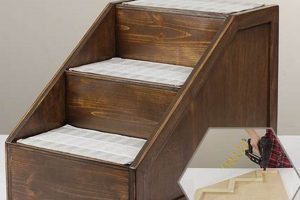
The overall accessibility of the washing station is important, considering the surrounding space and ease of entry and exit for both the dog and the owner. Sufficient space around the tub allows for comfortable movement and maneuverability. The inclusion of features such as a ramp or steps can facilitate access for older or mobility-impaired dogs. Minimizing obstacles ensures a safe and efficient bathing process for both the dog and the handler, preventing accidents and promoting a positive experience.
By integrating these ergonomic design principles into a “dog bath tub diy” project, one can create a washing station that is not only functional and durable but also promotes a comfortable, safe, and efficient bathing experience for both the dog and the owner. Attention to height, reach, surface materials, restraints, water access, and overall accessibility contribute to a more positive and stress-free grooming routine.
5. Safety features

Safety features are an indispensable element within the design and construction of a washing area. Their implementation directly minimizes risks associated with bathing canines, safeguarding both the animal and the handler from potential injury or distress.
- Non-Slip Surfaces
The inclusion of non-slip surfaces within the tub is paramount. Smooth surfaces become hazardous when wet, increasing the likelihood of slips and falls. Rubber mats, textured coatings, or strategically placed treads provide the necessary traction, preventing the animal from losing its footing. The absence of such features elevates the risk of musculoskeletal injuries, particularly for senior or arthritic dogs. This is a straightforward design choice that has a significant impact on risk mitigation.
- Secure Restraint Systems
A well-designed restraint system prevents the animal from jumping out of the tub, reducing the risk of falls and escape. Leash attachments or adjustable harnesses secure the dog without causing discomfort or restricting movement excessively. The use of inappropriate restraints, such as overly tight collars or flimsy tethers, can cause injury or increase the animal’s anxiety. A proper restraint system should allow the handler to maintain control while minimizing stress for the animal. This is a preventative measure focused on control and security.
- Temperature Control Mechanisms
Regulating water temperature is crucial to prevent scalding or chilling the animal. Mixing valves or readily accessible temperature controls allow for precise adjustments, ensuring the water remains within a safe and comfortable range. Failure to control water temperature can lead to burns or hypothermia, both of which are serious health concerns. This emphasizes the importance of easy-to-use and reliable temperature regulation.
- Rounded Edges and Protective Guards
Sharp edges or protrusions within the washing area pose a risk of cuts and abrasions. Rounding off corners and covering exposed edges with protective guards minimizes this risk. These design elements prevent accidental injuries during bathing, especially if the animal becomes agitated or attempts to move suddenly. Attention to these details enhances the overall safety of the environment.
The integration of these safety features is not merely a matter of convenience; it is a fundamental aspect of responsible pet ownership and a crucial consideration in any design. Prioritizing safety ensures a more positive and stress-free bathing experience for both the canine and the owner, while also minimizing the risk of injury and promoting a healthier grooming routine. A well-designed canine washing area incorporates these features seamlessly, demonstrating a commitment to the well-being of the animal.
6. Cleaning ease
In the context of canine washing enclosure construction, “cleaning ease” represents a critical factor influencing long-term hygiene, maintenance costs, and overall user satisfaction. Design features that facilitate efficient and thorough cleaning contribute significantly to the practicality and longevity of the structure.
- Material Selection and Surface Properties
The choice of materials directly impacts the ease with which the tub can be cleaned. Non-porous surfaces, such as smooth plastics or sealed composites, resist the absorption of water, dirt, and odors, simplifying the cleaning process. In contrast, porous materials like unfinished wood require more intensive cleaning and are susceptible to bacterial growth. Therefore, selecting materials with inherent resistance to staining and ease of wiping down is paramount.
- Design Simplicity and Accessibility
Complex designs with numerous crevices, corners, or hard-to-reach areas impede effective cleaning. Streamlined designs with smooth transitions and accessible drainage points facilitate the removal of hair, dirt, and soap residue. Removable components, such as drain covers or screens, further enhance cleaning ease by allowing for thorough cleaning of all surfaces. A complex design can quickly become unhygienic due to the difficulty in accessing and sanitizing all areas.
- Drainage System Effectiveness
An efficient drainage system is essential for preventing the accumulation of water and debris, which can lead to bacterial growth and unpleasant odors. A properly sloped floor and a well-designed drain facilitate the rapid removal of water and solids, minimizing the need for manual cleaning. Furthermore, a filter or screen to catch hair and other debris prevents clogging and simplifies maintenance.
- Resistance to Chemical Degradation
The materials used in the tub’s construction must be resistant to the cleaning agents and disinfectants used to maintain hygiene. Exposure to harsh chemicals can cause degradation, discoloration, or damage to certain materials, making them more difficult to clean and potentially compromising their structural integrity. Selecting materials that are compatible with common cleaning products ensures long-term durability and cleaning ease.
These facets collectively underscore the importance of integrating cleaning ease as a fundamental design principle in any canine washing enclosure endeavor. A structure that is easy to clean not only promotes better hygiene but also reduces the time and effort required for maintenance, enhancing the overall user experience and extending the lifespan of the “dog bath tub diy” project.
Frequently Asked Questions
This section addresses common inquiries regarding the design, construction, and maintenance of a washing station for canine companions, focusing on practical considerations and best practices.
Question 1: What are the essential dimensions for a washing enclosure intended for a large breed dog?
The internal dimensions should accommodate the dog’s full standing height and length, with adequate space for turning around. A minimum length of 48 inches, width of 30 inches, and height of 36 inches is generally recommended for large breeds. These dimensions provide sufficient room for the dog to stand, turn, and be comfortably washed without feeling confined.
Question 2: Is it necessary to connect the washing station to a permanent plumbing system?
While a permanent plumbing connection offers convenience, it is not strictly necessary. Alternative options include using a portable water source, such as a garden hose connected to a mixing valve, and collecting wastewater in a removable basin for disposal. However, a permanent plumbing connection simplifies drainage and temperature control, making it a desirable feature if feasible.
Question 3: What are the recommended materials for constructing a durable and hygienic washing area?
Durable and hygienic material options include treated lumber, high-density polyethylene (HDPE), stainless steel, and fiberglass. These materials are water-resistant, easy to clean, and resistant to bacterial growth. Untreated wood should be avoided due to its susceptibility to rot and mold. Material selection should balance cost, durability, and ease of maintenance.
Question 4: How can a non-slip surface be effectively integrated into a homemade washing station?
Non-slip surfaces can be achieved through the application of textured coatings, the installation of rubber mats, or the incorporation of strategically placed treads. These features provide the necessary traction to prevent slips and falls, especially when the surface is wet. Regularly inspect and replace worn non-slip materials to maintain their effectiveness.
Question 5: What are the key considerations for ensuring adequate drainage in a DIY washing enclosure?
Ensure a properly sloped floor leading to a drain connected to the plumbing system. The slope should be gradual, typically around inch per foot, to facilitate efficient water removal. A drain with a wide opening and a hair strainer prevents clogging. Regularly clean the drain and strainer to maintain optimal drainage performance.
Question 6: What safety measures should be implemented to prevent injury to the animal during the bathing process?
Implement rounded edges, non-slip surfaces, and a secure restraint system. Temperature control mechanisms prevent scalding or chilling. Monitor the animal closely during bathing, and avoid using harsh chemicals or abrasive cleaning tools. Familiarize the animal with the washing area gradually to reduce anxiety and promote a positive experience.
Prioritizing functionality, safety, and ease of maintenance is key to creating a beneficial canine washing station. Thoughtful design and appropriate material choices contribute significantly to the project’s success.
The following section will explore advanced features and customization options for canine washing enclosures.
Dog Bath Tub DIY
This exposition has delineated the core considerations inherent in undertaking a “dog bath tub diy” project. From material selection and drainage efficiency to structural stability, ergonomic design, safety features, and cleaning ease, each element exerts a significant influence on the final product’s utility and longevity. Careful evaluation of these interdependent factors is paramount to achieving a safe, functional, and hygienic bathing environment for canines.
The successful implementation of a “dog bath tub diy” project demands a commitment to meticulous planning and execution. A well-considered and properly constructed washing station represents not only a practical solution for pet hygiene but also an investment in the well-being of the animal. Therefore, prospective builders should approach this task with due diligence, prioritizing safety and functionality above all else. Future innovation in this area will likely focus on enhanced ergonomic designs and sustainable material choices, furthering the benefits for both pet and owner.