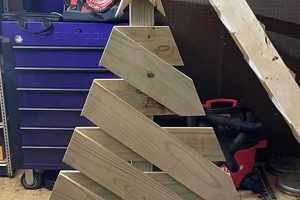
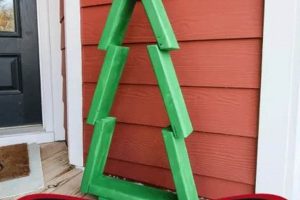
A handcrafted holiday decoration combining elements of folklore and seasonal festivity, this specific craft project incorporates the whimsical character of gnomes with the iconic form of a Christmas tree. Typically involving materials like felt, faux fur, and miniature embellishments, it results in a unique and personalized festive display.
The appeal stems from several factors. It allows for creative expression and customization, resulting in a one-of-a-kind ornament or centerpiece. Furthermore, its construction can be a cost-effective alternative to commercially produced decorations, utilizing readily available or repurposed materials. The popularity of gnomes in contemporary decor trends also contributes to the increasing interest in this specific craft.
The subsequent sections will explore various methods for constructing these decorations, detailing the required materials, step-by-step instructions, and potential design variations. Different skill levels will be addressed, providing guidance for both novice and experienced crafters.
Construction Pointers
The following section presents several recommendations for the successful creation of miniature Christmas trees incorporating gnome design elements. Adherence to these suggestions can enhance the overall quality and aesthetic appeal of the finished product.
Tip 1: Material Selection. Choose felt and faux fur in complementary colors that align with the desired aesthetic. High-quality materials will enhance the durability and visual appeal of the final decoration.
Tip 2: Secure Adhesion. Utilize a hot glue gun with caution, ensuring secure bonding of materials. Consider using fabric glue for finer details to prevent potential damage to delicate elements.
Tip 3: Stable Base. Ensure the base of the tree is stable to prevent toppling. A weighted base, such as a small wooden block or filling with sand, will provide added stability.
Tip 4: Proportional Design. Maintain a consistent scale between the gnome and tree components. Disproportionate elements can detract from the overall aesthetic harmony.
Tip 5: Secure Facial Features. When attaching the gnome’s facial features (nose, eyes), ensure they are securely fastened. Loose elements can pose a safety hazard, especially for households with small children.
Tip 6: Consider Size and Placement. Prior to construction, determine the intended location for the finished decoration. This will inform size considerations and material choices to ensure suitability for the designated space.
Tip 7: Uniform Stitching. If sewing is incorporated, maintain uniform stitch length and tension for a professional finish. Practice stitching techniques on scrap material before applying to the final project.
Successful execution of these suggestions should result in a well-crafted and visually appealing decoration, adding a personalized touch to holiday displays.
The concluding section will recap the primary considerations for the crafting process and offer suggestions for further exploration of related craft projects.
1. Material Selection
Material selection is a foundational determinant in the successful fabrication of a gnome-themed Christmas tree. The specific materials chosen directly influence the aesthetic appeal, structural integrity, and overall longevity of the finished product. For instance, selecting high-quality felt for the gnome’s hat provides a more refined appearance compared to using less expensive, thinner felt, which can appear flimsy. Similarly, the choice of faux fur for the beard impacts the perceived realism and texture of the gnome.
The types of adhesives used are also critical. A strong, permanent adhesive like hot glue ensures that components such as the gnome’s hat, beard, and any embellishments remain securely attached to the tree structure. Conversely, using a weaker adhesive may result in the decoration falling apart over time, especially if exposed to temperature fluctuations or handling. The structural components of the tree itself, whether a pre-made conical form or a handcrafted wire frame, dictate the overall shape and stability. A robust frame can withstand the weight of decorative elements without collapsing, while a poorly constructed frame can compromise the entire project.
In conclusion, meticulous material selection is paramount when creating a handcrafted gnome-themed Christmas tree. Quality materials and suitable adhesives not only enhance the aesthetic appeal of the finished product but also ensure its durability and longevity, providing a festive decoration that can be enjoyed for multiple holiday seasons. Neglecting this crucial aspect can result in a visually unappealing and structurally unsound decoration.
2. Gnome Design
Gnome design serves as the defining characteristic of a handcrafted, gnome-themed Christmas tree. The incorporation of gnome aesthetics directly influences the visual identity and thematic coherence of the decoration. Without the integration of specific gnome attributes, the resulting item lacks the distinguishing features necessary to qualify as such. For instance, the presence of a tall, pointed hat, a prominent nose, and a voluminous beard are traditionally associated with gnome depictions and are therefore crucial elements in establishing the desired aesthetic. The absence of these features would result in a generic, non-specific tree decoration.
Furthermore, the specific style and details of the gnome design can significantly impact the overall effect. A Scandinavian-inspired gnome, characterized by muted colors and minimalist design, will create a markedly different impression compared to a more whimsical gnome featuring bright colors and elaborate embellishments. Consider the example of commercially available gnome-themed decorations; the variations in hat patterns, beard textures, and facial expressions directly correlate with the intended aesthetic, whether aiming for rustic charm or playful festivity. The level of detail applied to the gnome component often determines the sophistication and perceived value of the final product.
In conclusion, gnome design is not merely an optional add-on but an integral component that dictates the visual and thematic identity of a crafted Christmas tree. Attention to the established conventions of gnome aesthetics, combined with creative design choices, is essential for achieving a successful and recognizable decorative item. Challenges in this area often stem from inconsistencies in style or inadequate representation of key gnome characteristics, ultimately diminishing the overall effectiveness of the design. Proper understanding of gnome design principles is therefore paramount for achieving the desired artistic outcome.
3. Tree Structure
The structural foundation is a critical determinant of both the aesthetic appeal and physical integrity of a handcrafted gnome-themed Christmas tree. This element is not merely a supporting component but rather an integral aspect that directly influences the overall design and long-term stability. For example, a poorly constructed tree structure will compromise the visual presentation of the gnome embellishments, potentially leading to instability and a detracting aesthetic. The cause-and-effect relationship is clear: inadequate structural support results in a diminished and potentially short-lived decorative item. Consider a structure utilizing flimsy wire; it may buckle under the weight of the felt, faux fur, and other decorative elements, rendering the entire project unstable. In contrast, a robust structure crafted from sturdy materials, such as a dense foam cone or a well-constructed wire frame, provides a solid foundation for the gnome and related embellishments, ensuring long-term durability.
The practical significance of understanding tree structure extends to various design considerations. The chosen structure dictates the types of materials that can be effectively incorporated. A dense foam cone allows for easy application of felt and fabric using hot glue, creating a smooth, uniform surface. A wire frame, on the other hand, offers opportunities for creating a more textured and layered effect, permitting the attachment of individual branches or fabric strips. This understanding enables crafting decisions that maximize the aesthetic potential of the materials while ensuring structural soundness. Furthermore, the size and shape of the structure influence the overall scale and visual impact of the finished product. A taller, slender structure will create a different impression compared to a shorter, wider one, requiring careful consideration to maintain a balanced and harmonious aesthetic.
In summary, the structural element is not merely a supporting framework but a fundamental determinant of the quality and longevity of a DIY gnome Christmas tree. The chosen structure impacts design decisions, material selection, and overall aesthetic presentation. A robust and well-considered structure provides a stable foundation for the gnome and its embellishments, resulting in a more visually appealing and durable decorative item. The challenges inherent in this aspect highlight the importance of careful planning and execution to achieve a successful and aesthetically pleasing result. Ultimately, the structural design is an inseparable and pivotal element in crafting a high-quality and long-lasting gnome-themed Christmas tree.
4. Adhesive Strength
Adhesive strength represents a crucial, often underestimated, element in the successful fabrication of a gnome-themed Christmas tree. This aspect directly impacts the durability and longevity of the finished product. Inadequate adhesive strength leads to component detachment, ultimately compromising the aesthetic appeal and structural integrity. Consider the scenario where a low-grade adhesive is utilized to affix faux fur to the gnome’s beard; subsequent handling or even minor temperature fluctuations could cause the fur to detach, detracting significantly from the overall visual effect.
The practical significance of this principle becomes evident through various application examples. Secure adhesion is paramount for maintaining the integrity of miniature embellishments, such as small beads or buttons representing eyes or decorative accents on the gnome’s hat. Without a robust bond, these components can easily dislodge, posing a potential safety hazard, particularly in households with young children. Furthermore, the adhesion between the gnome figure and the tree structure itself requires substantial strength. The weight of the gnome, coupled with any additional adornments, places considerable stress on this connection point, necessitating a high-performance adhesive to prevent separation.
In summary, the correlation between adhesive strength and the overall quality of a constructed gnome-themed Christmas tree is undeniable. Selection of an appropriate adhesive, matched to the specific materials being bonded and the anticipated stress levels, is essential. Common challenges include choosing the wrong adhesive type for the materials involved (e.g., using water-based glue on non-porous surfaces) or failing to adequately prepare the bonding surfaces prior to application. Addressing these potential pitfalls through informed material selection and meticulous application techniques leads to a more durable and visually appealing final product. The adhesive aspect, therefore, transcends simple attachment and represents a critical engineering consideration in crafting these decorations.
5. Scale Proportion
Scale proportion constitutes a fundamental design element in the creation of a visually harmonious gnome-themed Christmas tree. The relative size relationship between the gnome figure and the tree structure directly impacts the overall aesthetic appeal and perceived quality of the handcrafted item. Disproportionate elements can detract from the intended whimsical charm, rendering the decoration awkward or unbalanced. For instance, a miniature gnome dwarfed by an excessively large tree appears visually incongruous, diminishing the intended festive effect. Conversely, a gnome that is excessively large in relation to the tree can overwhelm the structure, making the overall design seem unstable and visually chaotic. The cause-and-effect relationship is evident: inappropriate scale proportion results in a less aesthetically pleasing decorative object.
The practical significance of understanding scale proportion manifests in numerous design decisions throughout the crafting process. Determining the appropriate dimensions of the gnome relative to the tree involves considering the intended placement of the decoration and the overall desired aesthetic. A smaller gnome placed on a tabletop tree might require more intricate detailing to maintain visual interest, while a larger gnome intended for a floor-standing tree can accommodate simpler design elements. Real-world examples of professionally designed gnome-themed decorations frequently demonstrate a careful consideration of scale proportion, showcasing a balanced relationship between the gnome figure, tree structure, and any additional embellishments. Conversely, amateur crafting projects often suffer from disproportionate elements, highlighting the challenges of effectively implementing this design principle.
In summary, scale proportion is not merely an aesthetic consideration but a critical design element that significantly influences the overall success of a handcrafted gnome-themed Christmas tree. Maintaining a visually harmonious relationship between the gnome, the tree, and any accompanying embellishments requires careful planning and execution. Challenges in achieving appropriate scale proportion often stem from a lack of attention to detail or a failure to consider the intended placement of the finished decoration. By prioritizing scale proportion, crafters can create visually appealing and aesthetically balanced festive items that effectively capture the whimsical charm of the gnome theme.
6. Base Stability
Base stability is a critical factor determining the functionality and presentation of a do-it-yourself gnome Christmas tree. Without adequate stability, the decoration may topple, leading to damage or rendering it unsuitable for display. The following points detail key aspects of base stability in relation to this particular craft project.
- Weight Distribution
Uneven weight distribution within the gnome and tree structure can compromise stability. A disproportionately heavy gnome figure affixed to a lighter tree base creates a high center of gravity, increasing the likelihood of tipping. Counterbalancing weight distribution is achieved through strategically placing heavier materials at the base of the structure or within the base itself, thereby lowering the center of gravity and improving stability.
- Surface Area of Base
The surface area of the base is directly proportional to its stability. A larger base provides a greater contact area with the supporting surface, reducing the risk of toppling. Conversely, a small or narrow base is inherently less stable. Increasing the base’s surface area can be accomplished through the addition of a wider platform or by using materials that offer greater frictional resistance, such as felt or rubber.
- Material Properties
The material composition of the base influences its stability. Dense, heavy materials such as wood or stone provide greater stability compared to lightweight materials like foam or cardboard. Incorporating these denser materials into the base structure increases its mass, thereby enhancing its resistance to tipping forces. Additionally, materials with a high coefficient of friction can prevent slippage on smooth surfaces.
- External Environmental Factors
External factors, such as placement on an uneven surface or exposure to drafts, can significantly impact stability. Addressing these factors requires careful consideration of the display environment. Placing the decoration on a level surface and protecting it from wind or accidental bumps minimizes the risk of instability. Further mitigation involves the use of non-slip pads beneath the base to enhance grip and prevent movement.
Addressing each of these aspects of base stability is essential for ensuring the practical utility and lasting appeal of a gnome Christmas tree. Attending to weight distribution, base surface area, material properties, and external environmental factors results in a decoration that is both visually appealing and structurally sound, capable of withstanding normal handling and display conditions.
Frequently Asked Questions
The following section addresses common inquiries and concerns regarding the creation of handcrafted gnome Christmas tree decorations. These responses aim to provide clarity and informed guidance to crafters of all skill levels.
Question 1: What are the essential materials required to construct a basic gnome Christmas tree?
Essential materials include felt in various colors (typically red, green, and white), faux fur for the beard, a conical foam or cardboard form for the tree structure, hot glue or fabric glue, and embellishments such as small beads or buttons. Optional materials might include wire for shaping the hat, stuffing for the gnome’s body, and additional decorative elements.
Question 2: How is stability achieved in a gnome Christmas tree decoration?
Stability is generally achieved through a combination of factors, including a wide base for the tree structure, the use of dense or weighted materials in the base, and a balanced distribution of weight throughout the decoration. Securing the gnome figure firmly to the tree structure also contributes to overall stability.
Question 3: What adhesive types are recommended for assembling a gnome Christmas tree?
Hot glue is commonly recommended for its strong bonding capabilities and quick drying time. However, fabric glue is suitable for more delicate materials or intricate detailing, as it is less likely to cause damage or distortion. The selection of the appropriate adhesive depends on the specific materials being bonded and the desired level of permanence.
Question 4: How does one ensure proper scale proportion between the gnome and the tree structure?
Proper scale proportion is achieved through careful planning and measurement prior to assembly. Determine the desired overall height and width of the decoration, then calculate the appropriate size of the gnome figure relative to the tree structure. A general guideline is to ensure that the gnome does not overwhelm or become dwarfed by the tree.
Question 5: What are some common challenges encountered during the construction process, and how can they be addressed?
Common challenges include maintaining structural integrity, achieving secure adhesion, and ensuring a professional finish. Addressing these challenges involves selecting high-quality materials, using appropriate adhesives, and employing precise crafting techniques. Practicing on scrap materials prior to assembling the final decoration can also mitigate potential issues.
Question 6: How can the gnome design be customized to create a unique and personalized decoration?
Customization options include varying the colors and patterns of the felt used for the hat and body, experimenting with different textures and lengths of faux fur for the beard, and adding personalized embellishments such as initials, dates, or thematic elements relevant to the recipient or occasion.
Successful creation involves both technical skill and creative expression. By addressing these frequently asked questions, crafters can approach the project with increased confidence and achieve satisfactory results.
The following section will provide instructions for different construction methods.
Conclusion
The preceding analysis has detailed numerous aspects of the crafting process, encompassing material selection, design considerations, structural requirements, and potential challenges inherent in the creation of a diy gnome christmas tree. The information presented aims to provide a comprehensive understanding of the key elements that contribute to a successful outcome.
The creation of such decorations represents a tangible expression of creativity and seasonal festivity. It is anticipated that the knowledge shared will facilitate the production of unique and personalized holiday ornaments, enhancing the aesthetic landscape during the Yuletide season. Continued exploration and refinement of these techniques will undoubtedly yield even more sophisticated and visually compelling results in the future. The effort invested in this activity contributes to the broader tapestry of holiday traditions and artistic expression.