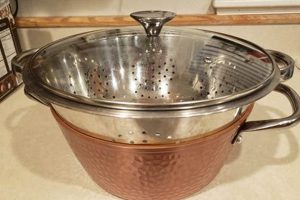
A self-constructed avian bathing and drinking structure offers a customizable alternative to commercially produced models. These range from simple assemblages of readily available materials to more elaborate constructions employing specific design principles. An example would be repurposing a large terra cotta planter dish atop an inverted pot to provide a shallow water source for birds.
Providing a water source for wild birds can contribute significantly to their well-being, particularly in urban environments or during periods of drought or freezing. These resources support hydration and feather maintenance, which are crucial for thermoregulation and flight. Historically, offering water to birds reflects a long-standing tradition of human interaction with and support of local ecosystems.
The subsequent sections will detail various approaches to crafting these structures, including material selection, structural considerations, and best practices for maintenance and sanitation to ensure avian health and safety.
Construction Guidance
The following outlines essential considerations for successful creation and maintenance of a backyard water feature for birds.
Tip 1: Site Selection: Prioritize a location offering partial shade to minimize water evaporation and algal growth. An open area provides visibility, reducing the risk of predator ambush.
Tip 2: Material Choice: Opt for non-toxic, durable materials capable of withstanding outdoor conditions. Terra cotta, sealed concrete, or repurposed plastic are suitable options.
Tip 3: Depth Consideration: Maintain a shallow water depth, ideally no more than two inches, to accommodate various bird species and prevent accidental drowning. Gradual slopes or textured surfaces assist birds in entering and exiting safely.
Tip 4: Surface Texture: A slightly rough surface provides birds with secure footing, particularly when wet. Avoid slippery or excessively smooth materials.
Tip 5: Regular Cleaning: Implement a routine cleaning schedule, ideally every two to three days, to remove debris, algae, and bird droppings. Use a scrub brush and diluted vinegar solution for disinfection.
Tip 6: Water Management: Change the water frequently to prevent stagnation and mosquito breeding. Consider a slow-drip system or recirculating pump to maintain water freshness.
Tip 7: Winterization: In colder climates, provide a heated unit to prevent freezing. If a heated option is not available, discontinue use and store the item to prevent damage from freezing water.
Tip 8: Safety Enhancement: Position the structure away from potential hazards, such as overhead wires or areas treated with pesticides. Consider adding a small rock or pebbles to the water to provide additional perching spots.
Adherence to these guidelines contributes to a safe, sanitary, and beneficial water resource for local avian populations.
The final section will summarize key points and provide resources for further learning.
1. Material Safety

Material safety is a paramount consideration in the creation of self-constructed avian bathing and drinking facilities. Inappropriate material selection can lead to toxic exposure, water contamination, and ultimately, harm to the intended beneficiaries of the structure.
- Toxicity of Components
Certain materials, such as treated lumber, lead-based paints, or unsealed concrete, can leach harmful chemicals into the water. These chemicals, when ingested or absorbed through the skin, can cause a range of adverse health effects in birds, including organ damage, neurological impairment, and reproductive issues. For example, using recycled tires, which may contain heavy metals and oils, poses a significant risk to avian health.
- Material Degradation and Leaching
Exposure to the elements can cause the breakdown of certain materials, releasing potentially harmful substances into the water supply. Plastics, for instance, can degrade under ultraviolet radiation, releasing microplastics and chemical additives. Similarly, untreated metals can corrode, contaminating the water with metal ions. The selection of durable, weather-resistant, and chemically inert materials is crucial to mitigate these risks. A suitable alternative is the use of food-grade plastic or sealed ceramic.
- Surface Properties and Bacterial Growth
Porous materials with rough surfaces can harbor bacteria and algae, increasing the risk of disease transmission among birds. Uneven surfaces are difficult to clean effectively, allowing harmful microorganisms to proliferate. Smooth, non-porous materials, such as glazed ceramic or polished stone, are less conducive to bacterial growth and are easier to sanitize. Regular cleaning with a mild disinfectant is still essential, even with appropriate material selection.
- Structural Integrity and Fragmentation
Materials lacking sufficient structural integrity can break or fragment under stress, creating sharp edges or small pieces that can injure birds. Brittle plastics or poorly constructed supports pose a physical hazard. Selecting materials with adequate strength and ensuring proper construction techniques minimizes the risk of injury. For instance, using a sturdy, well-sealed basin and a stable base prevents accidental tipping or breakage.
In summary, careful consideration of material safety is indispensable for the successful and ethical implementation of a do-it-yourself avian bathing structure. Prioritizing non-toxic, durable, and easily sanitized materials ensures the creation of a safe and beneficial resource for local bird populations, effectively addressing the crucial material safety facet within the broader scope of DIY avian watering systems.
2. Structural Stability

Structural stability represents a critical design parameter in the creation of self-assembled avian bathing platforms. The capacity of the structure to withstand environmental stressors and the weight of its contents, including water and birds, directly impacts its functionality and longevity. Compromised stability can result in collapse, posing a risk of injury to birds and rendering the resource unusable.
- Base Integrity
The foundation of the structure must provide adequate support. A weak or unstable base can lead to tilting or overturning, especially in windy conditions or on uneven surfaces. For instance, a terra cotta dish placed atop an inadequately sized or secured base is susceptible to toppling. Proper base construction involves selecting a material and design that distribute weight evenly and resist movement. Concrete blocks or a wide, heavy base are common solutions.
- Material Strength
The materials used in construction must possess sufficient strength to
bear the weight of the water-filled basin and any additional load. Brittle materials, such as thin plastics, are prone to cracking or shattering under pressure. Choosing robust materials, such as reinforced concrete, thick-walled ceramic, or durable hardwoods, is essential. Reinforcement techniques, such as adding metal supports or using multiple layers of material, can further enhance strength. - Joint Security
If the structure comprises multiple components, the joints connecting these parts must be securely fastened. Weak joints are a common point of failure, particularly under stress. Adhesives, screws, or interlocking designs are typically employed to create strong joints. The choice of fastening method depends on the materials being joined and the anticipated loads. For example, using weather-resistant epoxy to bond a basin to a pedestal provides a durable and secure connection.
- Environmental Resistance
The structure must be capable of withstanding the effects of weather, including rain, wind, and temperature fluctuations. Materials that are susceptible to water damage, corrosion, or degradation under ultraviolet light are unsuitable for outdoor use. Protective coatings, such as sealants or paints, can enhance environmental resistance. However, it is crucial to select coatings that are non-toxic to birds. Using naturally weather-resistant materials, such as cedar or redwood, is another effective strategy.
The interplay of these elements ensures a robust avian bathing platform. Neglecting any facet of structural integrity compromises the entire system. A well-engineered water feature serves as a stable and secure resource, contributing positively to the local avian ecosystem. Implementing secure joints and ensuring a stable foundation are critical elements to a durable feature.
3. Water hygiene

Water hygiene is a crucial factor influencing the overall health and usability of any self-constructed avian bathing facility. The absence of proper water sanitation practices can transform a beneficial resource into a source of disease transmission, thereby negating its intended purpose. Stagnant water, contaminated with bird droppings, algae, and other organic matter, becomes a breeding ground for harmful bacteria, parasites, and fungal pathogens. Birds using such contaminated water are at increased risk of contracting illnesses such as avian pox, salmonellosis, and E. coli infections. The effect is magnified in environments where numerous birds congregate to use the water source, creating a super-spreader scenario.
The incorporation of hygienic practices into the construction and maintenance is not merely an aesthetic concern; it is a fundamental aspect of responsible wildlife support. This includes the selection of materials that are easily cleaned and disinfected, such as glazed ceramic or non-porous plastics. Routine cleaning protocols, involving the removal of debris and periodic disinfection with diluted bleach or vinegar solutions, are essential for maintaining a sanitary water supply. Moreover, strategies for preventing water stagnation, such as the use of small water pumps or frequent water changes, minimize the accumulation of harmful microorganisms. For instance, a simple solar-powered fountain can provide both water movement and an attractive feature, improving water quality while adding visual appeal.
Ultimately, the success of a self-made watering station hinges on prioritizing water hygiene. Neglecting this critical element can have detrimental consequences for local avian populations. By embracing sound sanitation practices and adopting preventative measures, builders can ensure that their creations serve as a safe and valuable resource. This is not merely about providing water; it is about providing clean water, a distinction that separates a beneficial initiative from a potential hazard. The challenge lies in sustaining these practices consistently, reinforcing the link between human action and wildlife well-being.
4. Depth appropriateness
Depth appropriateness is a critical design factor influencing the utility and safety of self-constructed avian bathing resources. The depth of the water directly affects accessibility for various bird species and minimizes the risk of accidental drowning, particularly for smaller birds or fledglings. Insufficient depth may deter larger birds from using the resource, while excessive depth poses a significant hazard. A properly designed structure considers the diverse range of bird sizes frequenting a given area. For example, a depth of no more than two inches typically accommodates a variety of species, from small warblers to larger robins, while preventing submersion-related incidents.
The connection between depth and safety necessitates careful planning during the construction phase. Simple modifications, such as incorporating gradually sloping sides or adding strategically placed stones within the basin, enhance usability and provide safe entry and exit points. Furthermore, regular monitoring is essential. Adjustments to the water level may be required based on seasonal variations or observed bird behavior. Practical applications extend to educational opportunities, highlighting the importance of species-appropriate design in habitat enhancement efforts. Observing avian interaction with the crafted resource provides direct feedback, enabling iterative design improvements.
In summary, understanding and implementing appropriate water depth is paramount for creating a safe and beneficial avian bathing structure. Challenges include accommodating diverse species needs and adapting to changing environmental conditions. Ultimately, prioritizing depth appropriateness aligns with the broader goal of fostering healthy and sustainable avian populations, ensuring these DIY constructs serve their intended purpose effectively.
5. Location suitability

Location suitability directly impacts the utility and safety of self-constructed avian bathing structures. The placement of such a feature dictates its accessibility to birds, exposure to predators, and susceptibility to environmental factors. An inappropriately situated structure may be underutilized or, worse, pose a threat to avian visitors. For instance, positioning a water source directly beneath dense shrubbery provides ambush points for predators, deterring birds or increasing their vulnerability. Conversely, an open, exposed location offers little protection from the elements or aerial predators. The cause-and-effect relationship is clear: suitable locations increase utilization and safety; unsuitable locations diminish both.
Optimal placement involves a balance of factors. A location offering partial shade minimizes water evaporation and algal growth. Proximity to natural cover, such as trees or shrubs, provides refuge, but not so close as to facilitate predation. Clear visibility around the structure allows birds to detect approaching threats. The presence of a nearby perching spot, such as a branch or fence, offers birds a staging area for preening and observation. Consider the prevailing wind direction to minimize splash and water loss. For example, placing the bath near a south-facing wall provides protection f
rom northerly winds and captures solar warmth during colder months. The selection of a site distant from pesticide-treated areas or heavy vehicular traffic is also critical for minimizing exposure to toxins.
In summary, location suitability is an indispensable component of any successful avian bathing platform. Its impact on avian safety, utilization, and water quality necessitates careful consideration. Challenges include balancing multiple, potentially conflicting factors and adapting to site-specific constraints. Ultimately, thoughtful site selection contributes directly to the creation of a beneficial and sustainable resource for local bird populations, reinforcing the connection between human action and avian well-being. A thoughtfully chosen location transforms a simple water source into a valuable habitat enhancement, underscoring the practical significance of this understanding.
Frequently Asked Questions about DIY Birdbaths
This section addresses common inquiries regarding the construction and maintenance of self-made water features for avian use.
Question 1: What constitutes a safe material for constructing a DIY birdbath?
Acceptable materials include sealed concrete, glazed ceramic, and certain plastics designated as food-grade or UV-resistant. Untreated wood, lead-based paints, and porous substances should be avoided due to potential toxicity or bacterial contamination.
Question 2: How deep should the water be in a DIY birdbath?
The water depth should ideally not exceed two inches. Shallower depths accommodate a wider variety of bird species and reduce the risk of accidental drowning, particularly for smaller birds and fledglings.
Question 3: How frequently should a DIY birdbath be cleaned?
Cleaning should occur every two to three days to remove debris, algae, and bird droppings. A diluted vinegar solution or a bird-safe disinfectant can be used for sanitization.
Question 4: What is the optimal location for a DIY birdbath?
The location should offer partial shade to minimize water evaporation and algal growth, provide open visibility to reduce predator ambush, and be accessible to birds while minimizing disturbance from human activity.
Question 5: How can freezing be prevented in a DIY birdbath during winter?
A heated birdbath element specifically designed for outdoor use is recommended. Alternatively, the birdbath should be emptied and stored during freezing temperatures to prevent structural damage.
Question 6: How can mosquito breeding be prevented in a DIY birdbath?
Regular water changes, ideally every one to two days, are effective. The addition of a small water pump or bubbler can also disrupt mosquito larvae development.
Proper construction and diligent maintenance contribute significantly to the creation of a safe and beneficial water resource for local avian populations. Neglecting these factors can render the structure more harmful than helpful.
The subsequent section will provide a comprehensive checklist for avian water feature safety and maintenance.
Conclusion
The preceding examination of “diy birdbath” projects elucidates critical factors influencing their success as resources for avian welfare. Material selection, structural integrity, water hygiene, depth considerations, and location suitability each play a vital role in determining the safety and utility of these self-constructed features. The deliberate application of these principles transforms a simple water source into a valuable habitat enhancement, contributing positively to local bird populations.
Responsible implementation necessitates ongoing vigilance and adaptive management. Continued monitoring of the structure’s condition, consistent adherence to sanitation protocols, and a commitment to refining designs based on observed avian behavior are essential. Such dedication ensures that “diy birdbath” initiatives serve as enduring examples of informed and conscientious human interaction with the natural world, furthering the cause of avian conservation through practical, sustainable action.